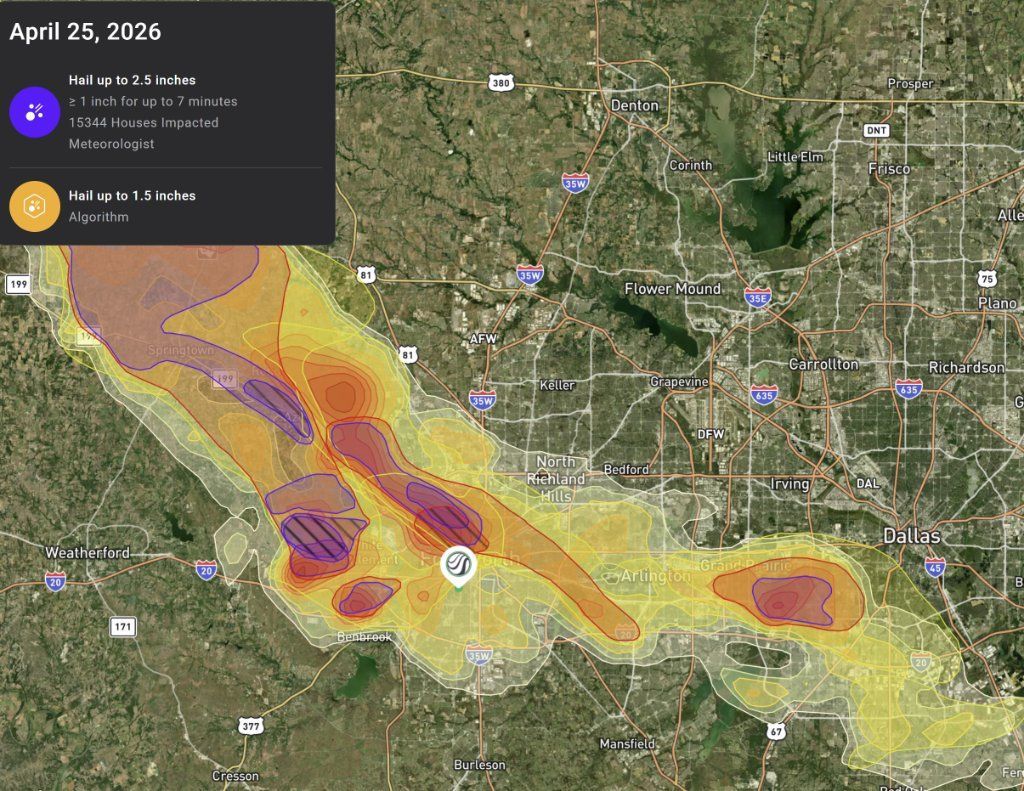
Dispute Denials: Fort Worth Roofing Claims Guide
Need help disputing Fort Worth Roofing Claims denials? Our blog offers expert guidance for navigating the claims process.
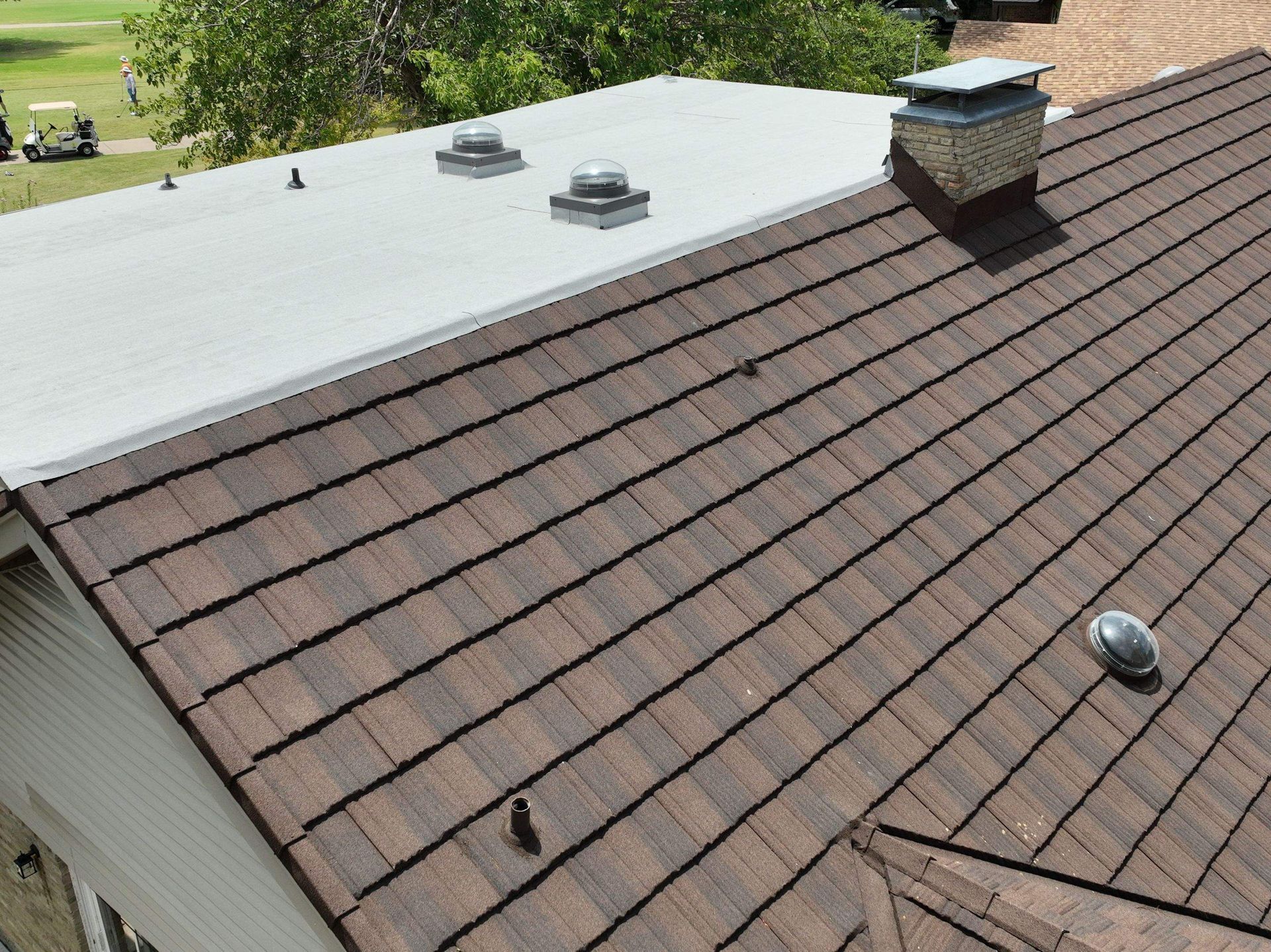
Fort Worth Roofing Claims: How to Dispute Denials
Key Highlights
- Understanding the insurance claim process for roof damage in Fort Worth is crucial
- Common reasons for roofing claim denials include policy exclusions, insufficient evidence, and maintenance issues
- Steps to take after a roofing claim denial include reviewing your insurance policy and gathering evidence to support your dispute
- Initiating the appraisal process can be a viable option for resolving a denied claim
- Legal considerations may arise when disputing roofing claim denials, and it's important to understand your rights as a policyholder
- Finding professional help from public adjusters and roofing contractors can greatly assist in disputing denials and navigating the insurance process
- Preparing for the appeal process involves proper documentation and effective communication with your insurance company
- Taking proactive measures to maintain your roof and ensure adequate coverage can help avoid future claim denials
Introduction
Homeowners insurance provides financial security when it comes to roof damage, but it can be frustrating when your claim is denied. If you're facing a roofing claim denial in Fort Worth, it's important to understand your rights and the steps you can take to dispute the denial. This blog will guide you through the process of disputing roofing claim denials in Fort Worth, providing valuable information on understanding roofing claims, common reasons for denials, steps to take after a denial, initiating the appraisal process, legal considerations, finding professional help, and avoiding future claim denials.
Understanding Roofing Claims and Denials in Fort Worth
When it comes to roofing claims in Fort Worth, it's essential to have a thorough understanding of the insurance claim process. A roofing claim is a request made by a policyholder to their insurance company for reimbursement or coverage for roof damage. However, not all claims are approved. Denials can occur for various reasons, including policy exclusions, insufficient evidence, and issues related to maintenance. It's important to familiarize yourself with your insurance policy and the specific coverage it provides for roof damage.
The Basics of Roof Damage and Insurance Coverage
Homeowners insurance is designed to provide financial security in the event of roof damage. When it comes to insurance coverage for roof damage, it's important to understand the basics. Homeowners insurance typically covers damage caused by perils such as fire, hail, windstorms, and falling objects. However, coverage may vary depending on the specific policy and the cause of the damage. It's important to review your insurance policy to understand what is covered and what is excluded. Additionally, homeowners should be aware of their deductible, which is the amount they are responsible for paying out of pocket before insurance coverage kicks in.
Common Reasons for Roofing Claim Denials
Roofing claim denials can be frustrating, but it's important to understand the common reasons behind these denials. Insurance companies may deny a roofing claim for various reasons. Some common reasons include policy exclusions, insufficient evidence of damage, and issues related to maintenance. Policy exclusions can vary depending on the specific insurance policy, so it's important to review your policy to understand what is covered and what is excluded. Insufficient evidence of damage can also lead to claim denials, so it's crucial to document any roof damage thoroughly. Lastly, insurance companies may deny claims if the damage is determined to be a result of neglect or lack of proper maintenance.
Steps to Take After a Roofing Claim Denial
If your roofing claim has been denied, there are steps you can take to dispute the denial. The first step is to review your insurance policy in detail to understand the specific coverage and exclusions. Next, gather evidence to support your dispute, such as photographs, documentation of repairs, and any relevant expert opinions. It's also important to communicate with your insurance adjuster and insurer to understand their reasoning behind the denial and to present your case effectively. If necessary, you may need to consider initiating the appraisal process to resolve the dispute.
Reviewing Your Insurance Policy for Claim Denial Clauses
When faced with a roofing claim denial, it's important to review your insurance policy for any claim denial clauses. These clauses outline the specific circumstances under which the insurance company may deny a claim. It's crucial to understand these clauses and how they may apply to your situation. Additionally, review your policy for details on your deductible, which is the amount you are responsible for paying out of pocket before insurance coverage kicks in. By understanding the specifics of your insurance policy, you can better navigate the dispute process and present a strong case for your claim.
Gathering Evidence to Support Your Dispute
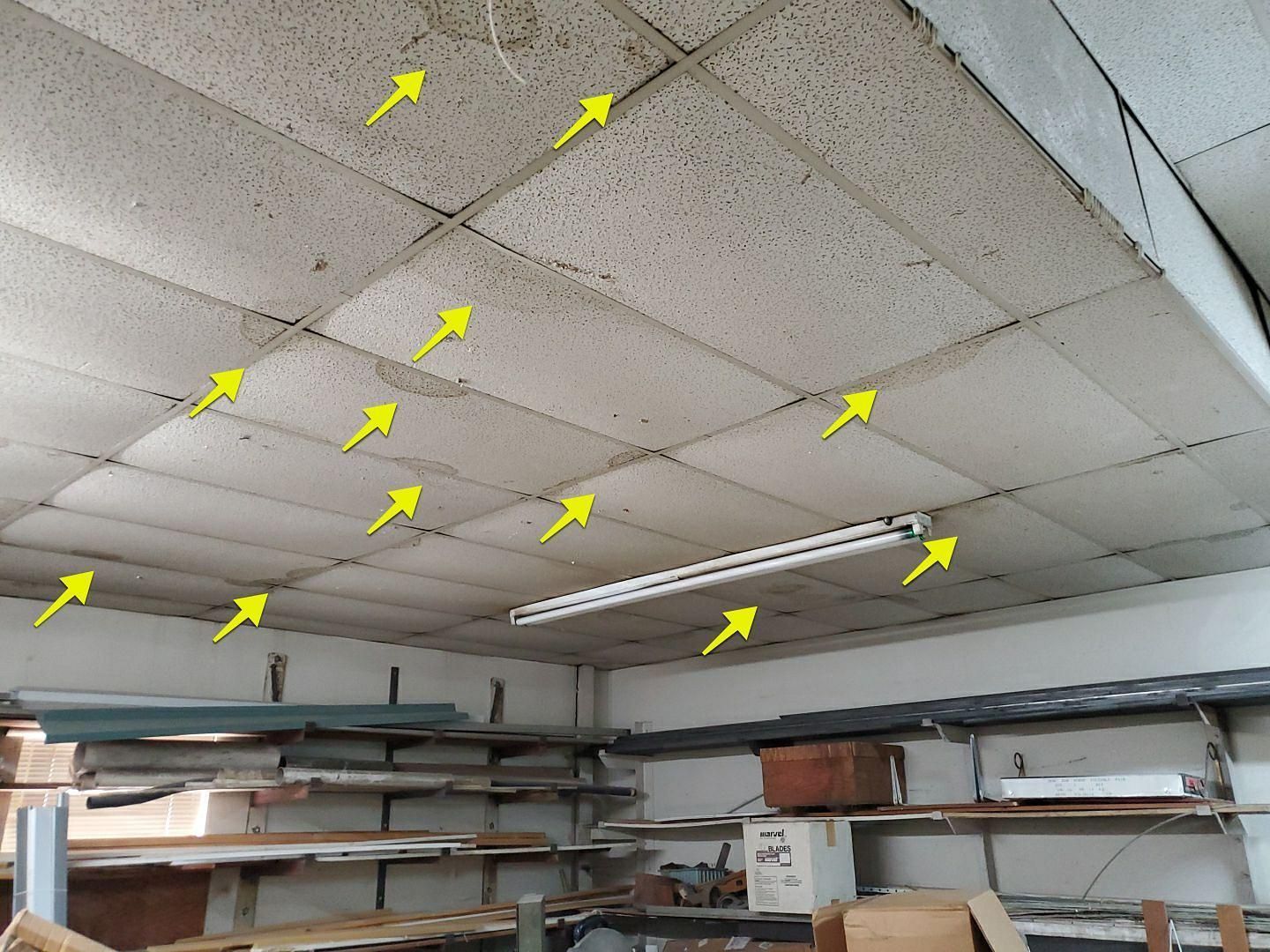
When disputing a roofing claim denial, gathering evidence to support your case is crucial. This evidence can help strengthen your position and increase the likelihood of a successful dispute. Here are some essential pieces of evidence to gather:
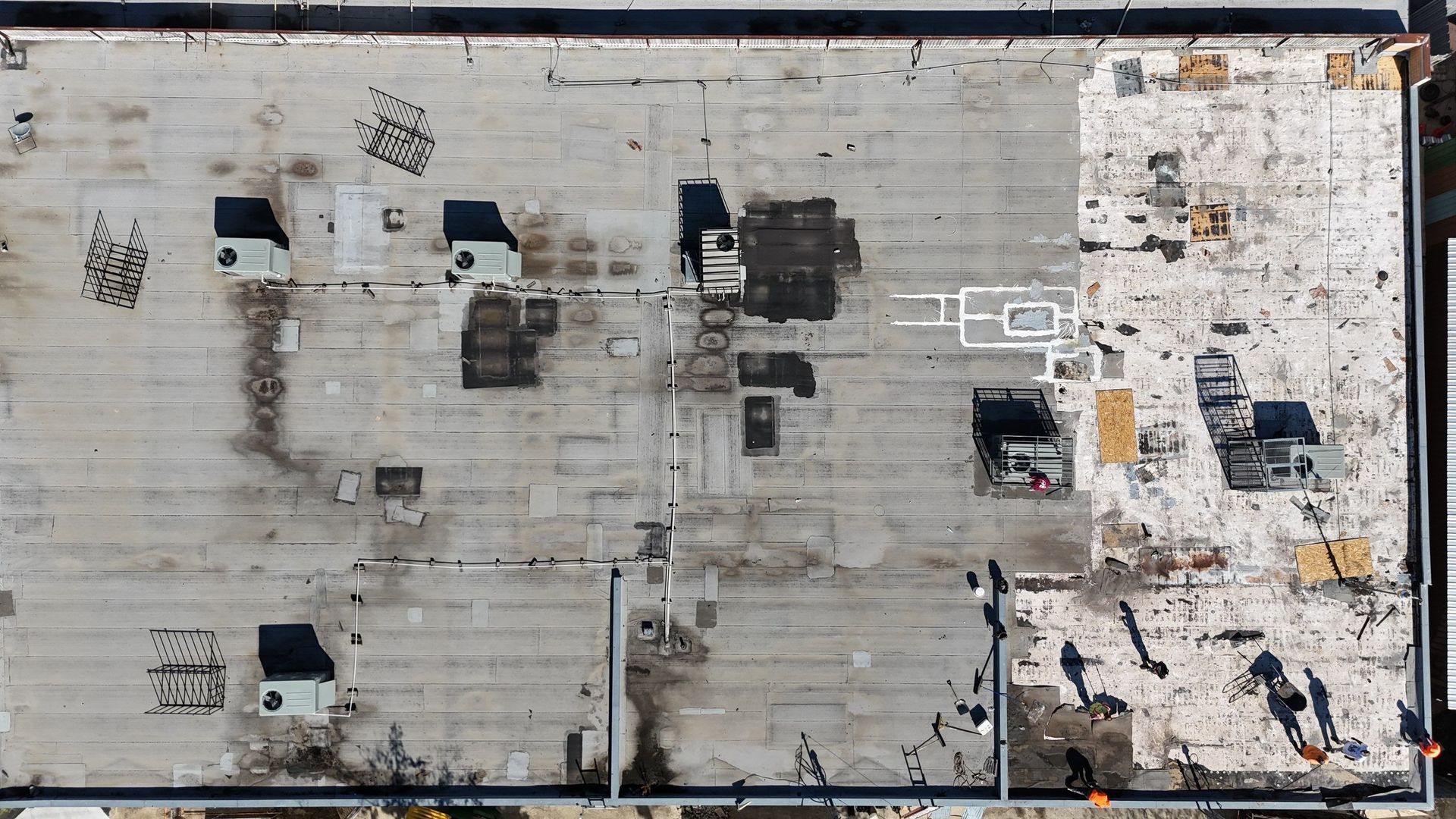
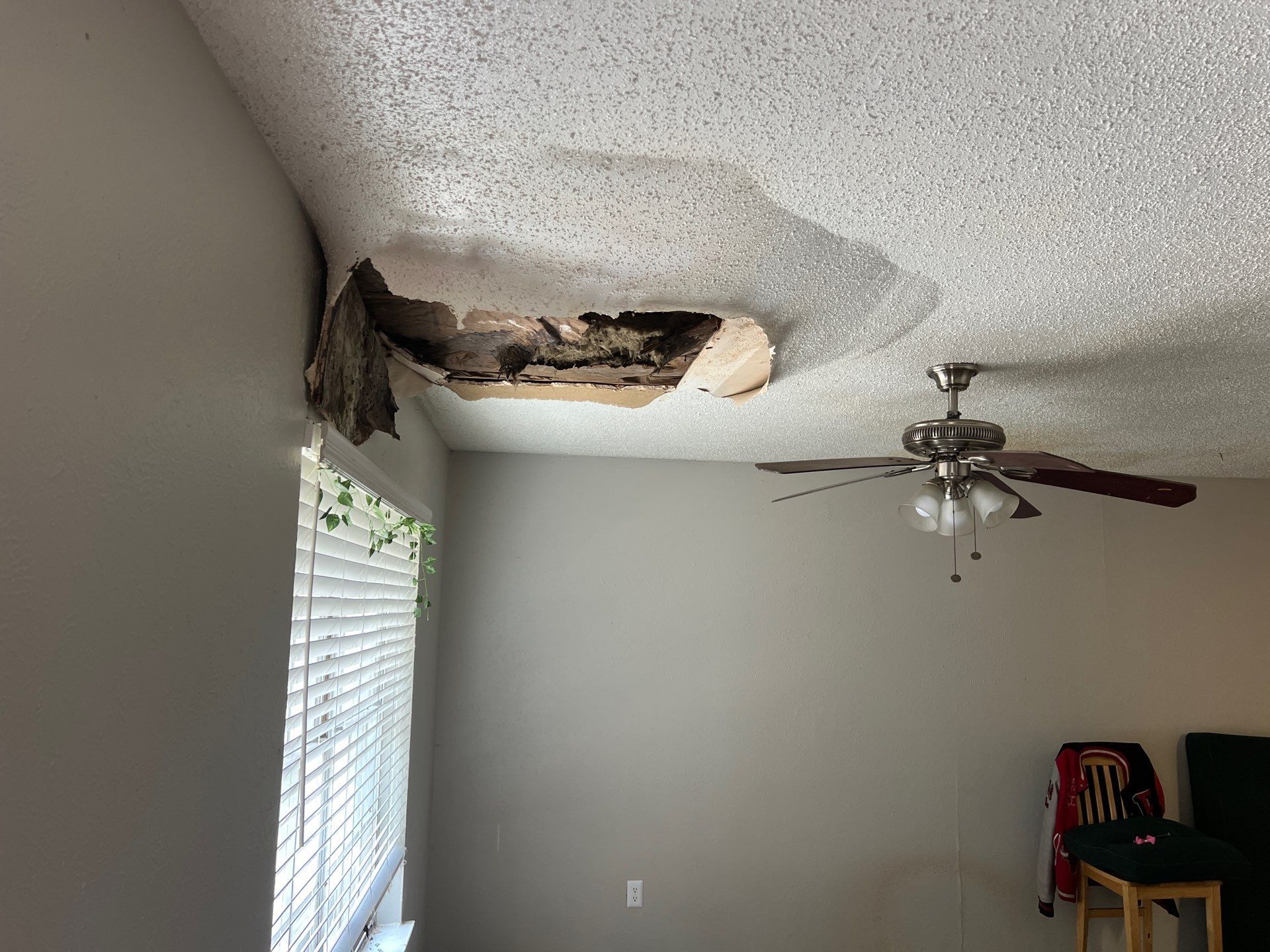
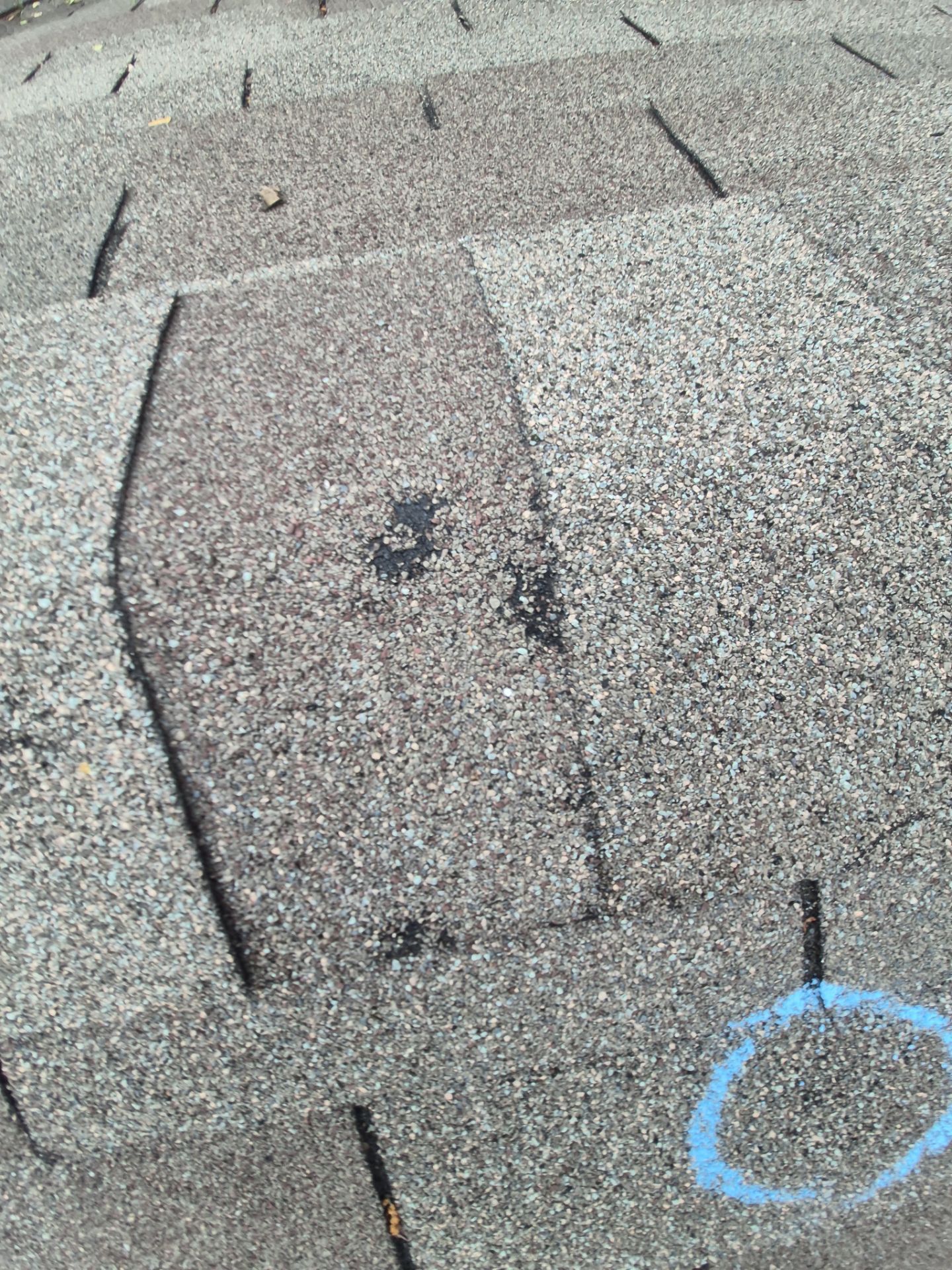
- Photographs of the roof damage
- Documentation of repairs or estimates from reputable roof repair contractors
- Expert opinions or reports on the extent of the damage
- Any relevant documentation from previous roof inspections or maintenance records
By collecting and organizing this evidence, you can present a comprehensive case to your insurance company during the dispute process. This evidence will help demonstrate the validity of your claim and the need for reimbursement or coverage.
Initiating the Appraisal Process for Your Denied Claim
If you are unable to come to a resolution with your insurance company after disputing a denied roofing claim, you may need to initiate the appraisal process. The appraisal process involves hiring an independent appraiser to evaluate the damage and determine the appropriate amount of reimbursement or coverage. The appraiser works alongside the insurance adjuster to reach a resolution. It's important to establish a resolution date with your insurance company, as this will ensure a timely resolution to the dispute.
What is the Appraisal Process and How Does it Work?
The appraisal process is a method of resolving disputes between an insured homeowner and their insurance company regarding the amount of reimbursement or coverage for a denied claim. In the appraisal process, each party selects an independent appraiser who evaluates the damage and determines the appropriate amount of reimbursement. The appraisers then work together to reach a mutually agreeable resolution. If the appraisers are unable to reach a resolution, they can bring in an umpire to make a final decision. It's important to note that the appraisal process is binding, meaning both the insured homeowner and the insurance company must abide by the decision reached.
How to Select a Qualified Appraiser for Storm Damage
When selecting a qualified appraiser for storm damage, it's important to choose someone who has experience and expertise in assessing roof damage. A qualified appraiser should have a thorough understanding of insurance policies and the appraisal process. They should also have knowledge of common storm damage issues and be able to accurately assess the extent of the damage. Additionally, consider working with a public adjuster who can provide guidance and support throughout the appraisal process. A public adjuster can help ensure that your rights as a policyholder are protected and that you receive a fair evaluation of the storm damage to your roof.
Legal Considerations in Disputing Roofing Claim Denials
Disputing a roofing claim denial may involve legal considerations, so it's important to understand your rights as a homeowner. In some cases, the dispute may escalate to litigation, where legal action is taken to resolve the claim. This can be a complex process, and it's advisable to consult with a lawyer who specializes in insurance claims and litigation. A lawyer can provide guidance on the legal aspects of disputing a denied claim and help protect your rights throughout the process.
Understanding Your Rights as a Policyholder
As a policyholder, you have certain rights when it comes to disputing a denied roofing claim. It's important to understand these rights and how they can protect you in the claims process. Some key rights as a policyholder include:
- The right to a timely and fair claims process
- The right to access your insurance policy and understand its terms and coverage
- The right to dispute a denied claim and seek a resolution
- The right to legal representation if the dispute escalates to litigation
By understanding your rights, you can navigate the claims process with confidence and ensure that your claim is handled fairly and in accordance with your insurance policy.
When to Consider Hiring a Lawyer for Your Roofing Claim
Hiring a lawyer for your roofing claim dispute is an important decision that should be made based on the complexity of the situation and your legal rights as a homeowner. If your claim has been denied and you believe that your rights have been violated, it may be beneficial to consult with a lawyer who specializes in insurance claims and litigation. A lawyer can provide guidance on your legal rights, assess the strength of your case, and represent your interests throughout the dispute process. They can also help negotiate with the insurance company and, if necessary, take legal action to pursue fair compensation for your roofing claim.
How to Find Professional Help for Disputing Denials
Finding professional help is crucial when disputing denials for roofing claims. Two key professionals who can assist you in the process are public adjusters and roofing contractors. Public adjusters are licensed professionals who can advocate for you in the insurance claim process, ensuring that your rights are protected and that you receive fair treatment from your insurance company. Roofing contractors, on the other hand, can provide expert assessments of the damage, documentation, and estimates for repairs. By working with these professionals, you can navigate the insurance claim process more effectively and increase your chances of a successful dispute.
The Role of Public Adjusters in Roofing Claims
Public adjusters play a crucial role in roofing claims by advocating for the policyholder throughout the claims process. These licensed professionals work independently from insurance companies and are dedicated to ensuring that policyholders receive fair treatment and proper compensation for their claims. Public adjusters can assess the extent of roof damage, document the damage thoroughly, and negotiate with the insurance company on behalf of the policyholder. Their expertise in insurance policies and claims can greatly improve the chances of a successful dispute and fair resolution for denied roofing claims.
Choosing the Right Contractor for Roof Repair or Replacement
When disputing a denied roofing claim, choosing the right contractor for roof repair or replacement is essential. A reputable roofing contractor can provide expert assessments of the damage, accurate estimates, and quality repairs or replacement. It's important to research and select a contractor with experience, proper licensing, and insurance coverage. Additionally, consider their reputation and customer reviews. By choosing the right contractor, you can ensure that the repairs or replacement are done correctly, and your roof is restored to its pre-damage condition.
Preparing for the Appeal Process
Preparing for the appeal process is crucial when disputing a denied roofing claim. This involves gathering and organizing the necessary documentation to support your case. You should have all relevant photographs, repair estimates, expert opinions, and any other evidence of roof damage. It's also important to communicate effectively with your insurance adjuster, providing them with the necessary information and presenting your case clearly. By preparing thoroughly for the appeal process, you can increase your chances of a successful dispute and resolution.
Documentation and Evidence Collection Best Practices
Proper documentation and evidence collection are essential when disputing a roofing claim denial. Here are some best practices to follow:
- Take detailed photographs of the roof damage from multiple angles
- Document any repairs or estimates from reputable contractors
- Keep records of any communication with your insurance company and adjuster
- Obtain expert opinions or reports on the extent of the damage
- Keep all relevant documents, such as policy information and previous inspection records
By following these best practices, you can ensure that you have the necessary documentation and evidence to support your dispute and increase your chances of a successful resolution.
Effective Communication with Your Insurance Company
Effective communication with your insurance company is vital when disputing a denied roofing claim. It's important to clearly and concisely communicate your case, providing all necessary evidence and documentation. Here are some tips for effective communication:
- Be polite and professional in all interactions
- Keep records of all communication, including dates, times, and names of individuals spoken to
- Provide clear and concise explanations of your position and the evidence supporting it
- Ask for clarification if you don't understand a decision or explanation
- Follow up regularly to ensure your case is progressing
By maintaining open and effective communication with your insurance company, you can present your case more effectively and increase your chances of a successful dispute.
Avoiding Future Roofing Claim Denials
Preventing future roofing claim denials is essential for homeowners. Here are some tips to avoid future denials:
- Regularly maintain your roof, including inspections, repairs, and cleaning
- Understand your homeowners insurance policy and its coverage
- Keep records of all maintenance and repairs
- Promptly address any issues or damage to your roof
- Review and update your insurance policy as needed
By taking these proactive measures, you can minimize the risk of roof damage and ensure that you have adequate coverage in the event of a claim.
Maintenance Tips to Keep Your Roof in Top Condition
Proper maintenance is key to keeping your roof in top condition and minimizing the risk of damage. Here are some maintenance tips to follow:
- Regularly inspect your roof for signs of damage or wear
- Clean your gutters and downspouts to ensure proper drainage
- Trim back overhanging branches that could damage the roof
- Promptly address any leaks or issues with your roof
- Consider scheduling regular professional inspections and maintenance
By following these maintenance tips, you can prolong the life of your roof, minimize the risk of damage, and reduce the likelihood of future claim denials.
Understanding Policy Changes and Ensuring Adequate Coverage
Understanding your insurance policy and ensuring adequate coverage is essential for homeowners. It's important to review your policy regularly and understand any changes or updates that may affect your coverage. Consider factors such as changes in property value, additions or renovations, and changes in local building codes. If necessary, consult with your insurance agent to ensure that your policy provides adequate coverage for your roof and property. By staying informed and proactive, you can minimize the risk of claim denials and ensure that you have the necessary coverage in the event of roof damage.
Conclusion
In conclusion, disputing roofing claim denials in Fort Worth requires thorough knowledge and strategic steps. Understanding your insurance policy, gathering strong evidence, and seeking professional help are crucial in the process. By initiating the appraisal process and considering legal options when necessary, you can navigate through claim denials effectively. Be proactive in documenting and maintaining your roof to avoid future claim rejections. Remember, timely action and informed decisions play a vital role in resolving roofing claim disputes successfully.
Frequently Asked Questions
How Long Do I Have to File a Roofing Claim in Fort Worth?
In Fort Worth, the specific time limit for filing a roofing claim may vary depending on your insurance policy and the circumstances of the damage. It's important to review your policy and consult with your insurance company to determine the deadline for filing a claim.
Can a Roofer Legally Cover My Deductible in Texas?
No, it is not legal for a roofer to cover your deductible in Texas. It is considered insurance fraud and can lead to legal consequences for both the homeowner and the roofer. It's important to work with reputable contractors who follow legal and ethical practices.
What if the Appraisal Process Does Not Resolve the Dispute?
If the appraisal process does not resolve the dispute, you may need to consider other options, such as mediation or litigation. Mediation involves a neutral third party helping both parties reach a resolution, while litigation involves taking legal action in court to resolve the dispute.
Are There Any Special Considerations for Storm Damage Claims?
Storm damage claims may have some special considerations, such as specific policy provisions for wind or hail damage. It's important to review your insurance policy and understand the coverage and deductibles for storm damage in Texas.