2025 Essential Fall Roof Cleaning Tips for Keller Homeowners
2025 Essential Fall Roof Cleaning Tips for Keller Texas Homeowners

Key Highlights
Here are the essential takeaways for your fall roof care:
- Regular roof maintenance is crucial for protecting your Keller home from seasonal weather.
- Prioritize fall roof cleaning to remove leaves and debris that can trap moisture.
- Schedule a professional roof inspection to identify and address issues before they worsen.
- Cleaning your gutters prevents clogs that can lead to significant water damage.
- With years of experience, professionals can help you avoid costly repairs and extend your roof’s life.
Introduction
As autumn arrives in Keller, TX, so does a new set of chores for homeowners. While you're enjoying the cooler weather, don't forget to look up! Your roof needs attention to stay in optimal condition and protect your home from the elements. Proactive fall maintenance can prevent serious issues down the road, saving you from the stress and expense of a premature roof replacement. With the right roofing services and a little preparation, you can ensure your home is secure all season long.
Why Fall Roof Cleaning Matters for Keller Homeowners
Fall is the perfect time for essential roof maintenance. Clearing away the season's accumulation of leaves, twigs, and other debris is more than just a cosmetic task. This simple step is one of the most effective ways to prevent water damage and avoid the need for an unexpected roof repair.
Regular roof inspection and cleaning in the fall can help you identify common causes of roof damage before they escalate. This proactive approach ensures customer satisfaction by keeping your home protected and giving you peace of mind as winter approaches.
Common seasonal roofing issues in Keller, TX
The unpredictable Texas weather can be tough on your roof, especially during the fall storm season. High winds and heavy rain can lead to a variety of roofing issues that require immediate attention. Understanding these common problems helps you know what to look for after a storm passes through Keller.
Storm damage often manifests in ways that aren't immediately obvious from the ground. That's why a closer look is so important. You might find issues that, if left unaddressed, could lead to bigger headaches and a potential insurance claim.
Here are some typical seasonal problems to watch out for:
- Missing shingles blown off by strong winds.
- Leaks and water intrusion from heavy rainfall.
- Dents in shingles or gutters caused by hail.
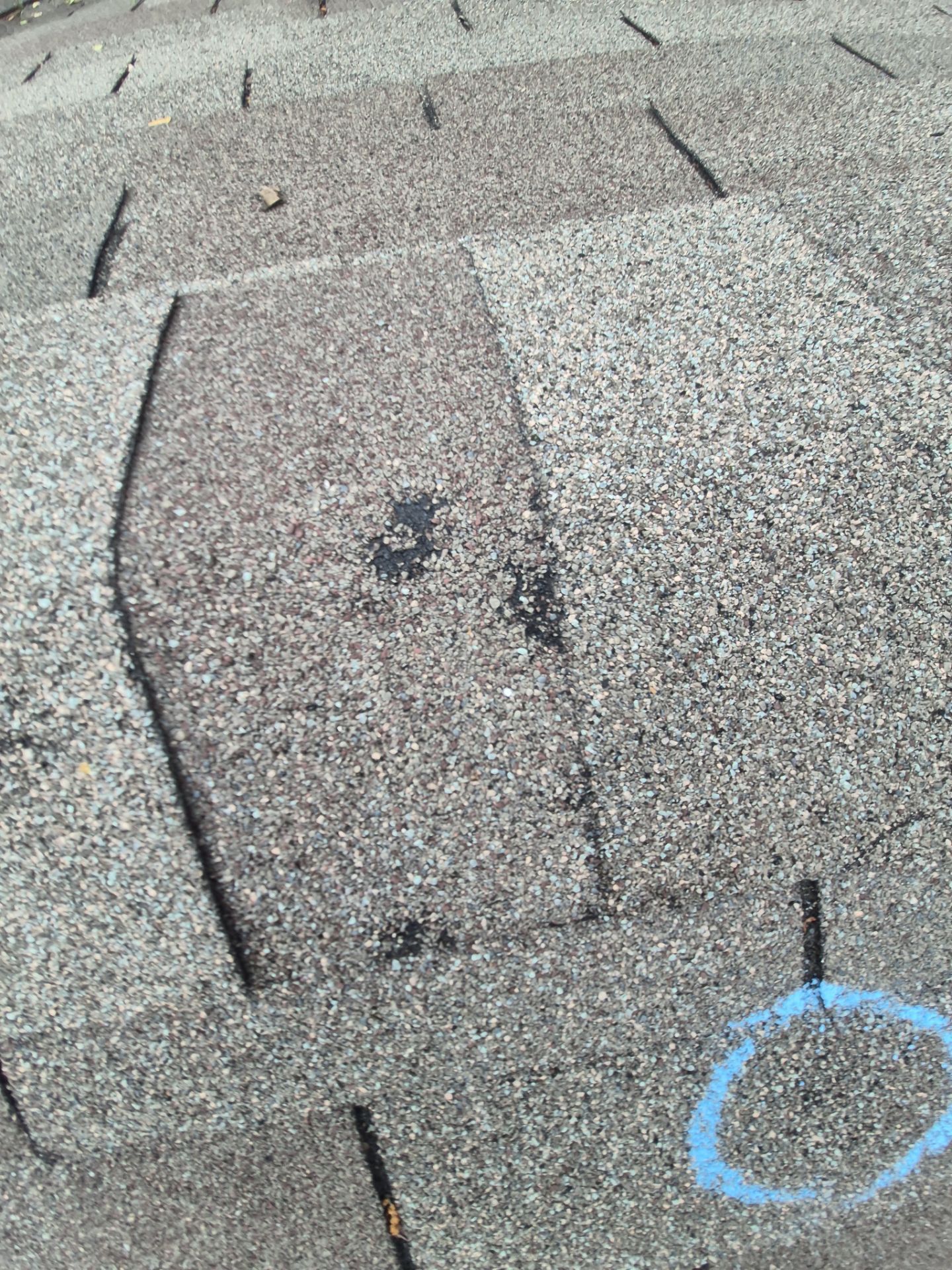
- Granule loss from asphalt shingles, which reduces their effectiveness.
How leaves and debris affect your roof’s lifespan
Piles of damp leaves and debris might seem harmless, but they are one of your roof’s worst enemies. When organic matter sits on your roof, it traps moisture against the surface. This constant dampness can accelerate the deterioration of your roofing materials, especially asphalt shingles, and lead to serious water damage.
This trapped moisture creates a perfect environment for mold, algae, and rot, which can compromise the structural integrity of your roof deck. Furthermore, debris can block proper ventilation, causing heat and moisture to build up in your attic. Identifying these potential problems early is key to protecting your roof.
Here’s how debris compromises your roof:
- It holds moisture, which can cause shingles to rot.
- It clogs gutters, leading to water overflow and potential foundation issues.
- It detracts from your home's curb appeal, making it look unkempt.
Key Signs Your Roof Needs Cleaning or Maintenance
Knowing what to look for can help you catch roofing issues before they spiral out of control. A simple visual roof inspection from the ground can often reveal telltale signs that your roof needs attention. Are there dark streaks, moss, or piles of leaves visible?
These are all indicators of potential problems that could shorten the lifespan of your roofing materials. Don't ignore these warning signs. Addressing them promptly with cleaning or maintenance can save you from more significant and costly repairs later.
Visible damage and warning signals to look for
It’s important to regularly scan your roof for visible signs of wear and tear. Catching a problem early, like a minor leak, can prevent it from turning into extensive damage that requires a major repair and a call to your insurance company. Pay close attention after any severe weather events.
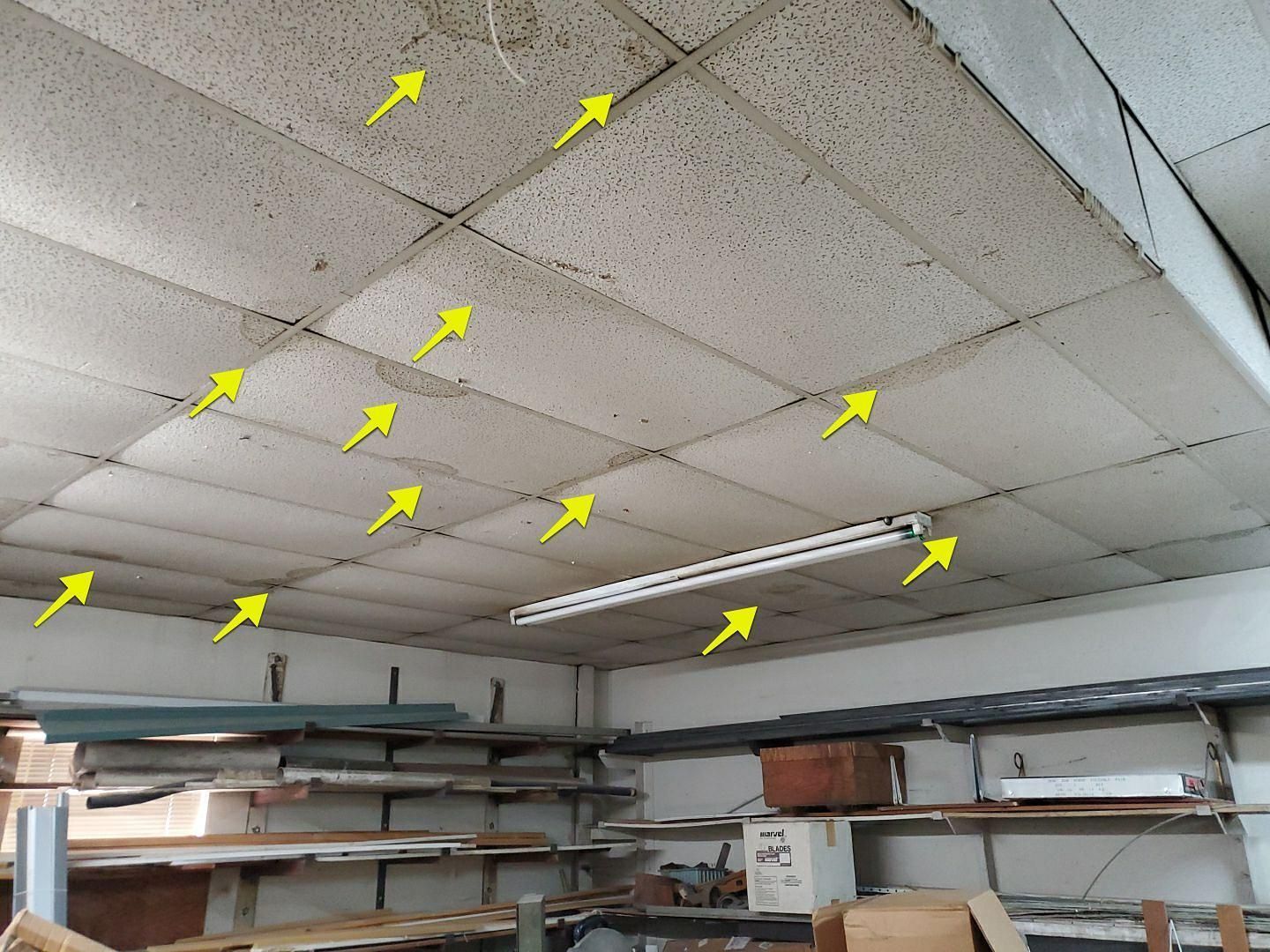
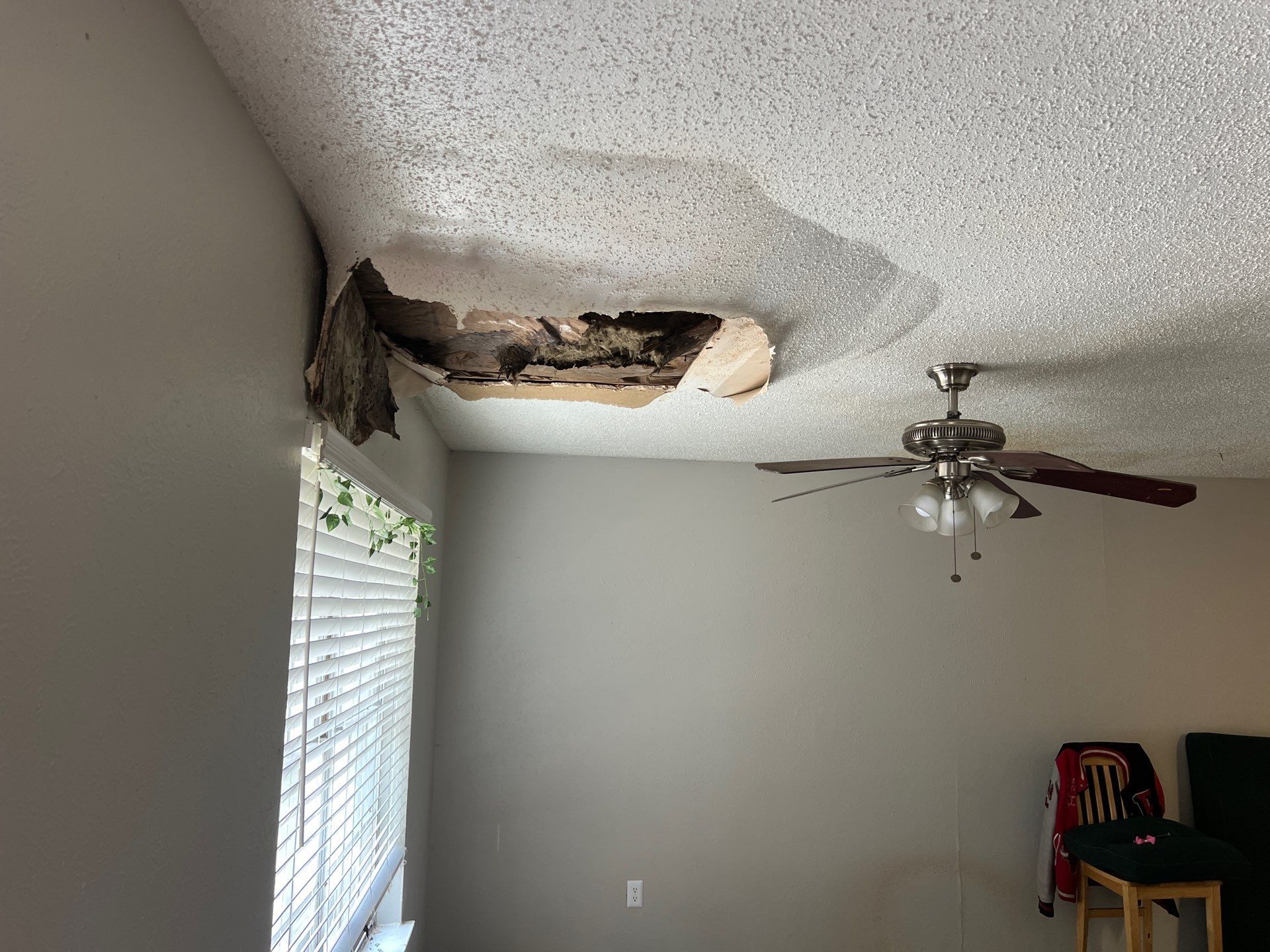
Inside your home, check your attic and ceilings for water stains or discoloration, which are clear indicators of a leak. Even a small stain can signify a larger issue on your roof that needs immediate attention. On the outside, look for anything that appears out of place.
Here are some key warning signals:
- Curled, cracked, or missing shingles.
- Dark streaks or signs of algae and moss growth.
- Piles of granules from asphalt shingles in your gutters.
- Visible sagging or drooping sections of the roof.
- Damaged or peeling flashing around chimneys and vents.
The impact of roof neglect on home safety
Postponing a simple roof repair might seem like a way to save money in the short term, but neglect can have serious consequences for your home's safety and your wallet. A small, unaddressed leak can quickly lead to widespread water damage, compromising your home's structural integrity. This can create unsafe living conditions and lead to costly repairs.
Moisture intrusion can also promote mold and mildew growth inside your walls and attic, which poses health risks to your family. The longer you wait, the more extensive the damage becomes, turning a minor fix into a major project. Ultimately, proactive maintenance is about more than just your house; it's about your peace of mind. Knowing your roof is in good condition ensures your family is safe and protected. Excellent customer service from a trusted roofer can help you stay on top of these tasks.
Preparing for a Safe Roof Cleaning This Fall
Embarking on a fall roof cleaning project is a great way to keep your residential roofing in optimal condition. However, safety should always be your number one priority. Working at heights comes with inherent risks, so proper preparation is essential to prevent accidents. Following a few key safety tips can make the difference between a successful cleaning and a trip to the emergency room. We take great pride in helping homeowners stay safe, whether they choose to DIY or hire a professional.
Safety tips for DIY roof cleaning
If you decide to handle your roof cleaning yourself, following strict safety tips is non-negotiable. Your well-being is paramount, and a clean roof isn't worth a serious injury. Before you even set up a ladder, assess the situation. If the roof is too steep or you feel uncomfortable for any reason, it's best to call for professional roofing services.
Always work with a spotter on the ground who can hold the ladder and assist if needed. Never work on a wet or windy day, as these conditions dramatically increase the risk of slipping. If you discover a serious issue, like a major leak, stop immediately and call for an emergency roof repair.
For a safer DIY experience, keep these points in mind:
- Use a sturdy, well-placed ladder that extends at least three feet above the roofline.
- Wear slip-resistant shoes with good traction.
- Use a safety harness, especially on steeper roofs.
- Avoid contact with power lines.
Essential tools and equipment for roof and gutter care
Having the right tools makes any job easier and safer, and roof and gutter cleaning is no exception. Before you start, gather everything you’ll need to avoid multiple trips up and down the ladder. The right equipment helps you clean effectively without damaging your roofing materials, like asphalt shingles.
For basic gutter cleaning, you'll need gloves, a trowel or scoop, and a bucket to collect debris. For the roof itself, a leaf blower or a soft-bristle broom can remove loose leaves without harming your shingles. These simple tools are often all you need to keep your roof in good shape.
Here is a list of essential equipment:
- A sturdy ladder and safety harness.
- Thick work gloves to protect your hands.
- A garden hose with a spray nozzle.
- A leaf blower or soft broom for debris removal.
Step-by-Step Fall Roof Cleaning Guide
Ready to tackle your fall roof cleaning? Following a clear, step-by-step process ensures you work safely and efficiently. This routine maintenance is key to keeping your roof in optimal condition and preventing the need for a new roof sooner than expected.
While many homeowners can handle basic cleaning, don't hesitate to call a professional roofing contractor if the job feels too big or unsafe. They have the experience and equipment to get the job done right. Now, let’s get into the best practices for a clean and healthy roof.
Best practices for removing leaves and debris
When cleaning your residential roofing, the goal is to remove debris without causing harm. Using harsh tools or high-pressure water can damage your shingles and lead to the very problems you're trying to prevent, such as water damage or the need for a roof repair. Always work from the top down, allowing gravity to help you.
Start by using a leaf blower or a soft broom to gently push leaves and twigs off the roof. Be careful around vents, flashing, and any areas with missing shingles. For stubborn debris stuck in valleys, you may need to remove it by hand. Follow these best practices for a safe and effective cleaning:
- Never use a pressure washer, as it can strip granules from shingles.
- Start at the peak and work your way down toward the eaves.
- Rinse the roof with a standard garden hose to wash away any remaining dirt.
Techniques for spot-cleaning stains and moss
During your roof cleaning, you might notice dark water stains, algae streaks, or patches of moss. These aren't just cosmetic issues; they can signal underlying potential problems that trap moisture and degrade your roofing materials. Addressing them properly is an important part of protecting your roof from future storm damage.
For algae stains, you can use a solution of equal parts water and oxygen bleach. Apply it with a low-pressure garden sprayer, let it sit for about 20 minutes, and then rinse thoroughly with a hose. Avoid using chlorine bleach, as it can be harmful to your landscaping and roofing. Here are some techniques for tackling stains and growth:
- Gently scrub stubborn spots with a soft-bristle brush.
- For moss, loosen it with a brush first before applying a cleaning solution.
- Apply zinc or copper strips along the roof ridge to prevent future growth.
- Always rinse thoroughly to remove all cleaning agents.
Importance of Professional Gutter Cleaning in Keller
Your gutters are a critical part of your roofing system, and professional gutter cleaning is one of the smartest investments you can make for your home. Clogged gutters can't do their job, leading to a cascade of problems, including serious water damage.
Hiring professional roofing services like Becker Roofing and Exteriors in Keller ensures the job is done safely and thoroughly. Our excellent customer service and expertise give you the peace of mind that your home is protected from the foundation to the roof.
How clogged gutters lead to water damage
It’s easy to underestimate the potential damage that can result from clogged gutters. When leaves, twigs, and other debris block the flow of water, it has nowhere to go but over the sides or back up under your roof. This overflow is a primary cause of water damage during periods of heavy rain or storm damage.
This water can seep into your roof deck, fascia boards, and even your home's foundation, leading to rot, mold, and costly structural repairs. Without proper gutter cleaning, your home is vulnerable. The weight of water-logged debris can also cause gutters to pull away from the house, creating even more entry points for water. Here’s a breakdown of the problems caused by clogged gutters:


When to call a professional vs. DIY
Knowing when to tackle a task yourself and when to call a professional roofer is crucial for any homeowner. Basic tasks like clearing a few leaves from a first-story gutter might be a manageable DIY project. However, many roofing jobs are best left to those with the right training and equipment.
If you have a multi-story home, a very steep roof, or discover signs of extensive damage, it’s time to call for help. Attempting a complex or dangerous repair can lead to injury or cause more harm to your roof. For issues requiring an insurance claim or an emergency roof repair, a pro is always the right choice. Companies like Becker Roofing and Exteriors offer a high level of service for Keller homeowners. Call a professional when:
- The roof is high or has a steep pitch.
- You see signs of major structural issues or widespread leaks.
- The job requires specialized tools or safety equipment you don't have.
Scheduling Fall Roof Inspections in Keller
A professional roof inspection is one of the most important preventative maintenance tasks for your home. Scheduling one in the fall allows a professional roofer to spot and fix any issues before winter weather sets in, potentially saving you from needing a complete roof replacement.
At Becker Roofing and Exteriors, our customer service team can help you schedule an inspection and provide a free quote for any recommended work. A trained eye can detect problems you might miss, ensuring your roof is ready for whatever the season brings.
How often you should inspect your roof
For most residential roofing systems, experts recommend a professional roof inspection at least once a year. Fall is an ideal time for this routine maintenance, as it allows you to address any damage from summer storms and prepare for the colder months ahead. In addition to an annual check-up, it’s wise to have your roof inspected after any severe weather event, like a major hailstorm or high winds.
Homeowners can and should perform their own visual inspections from the ground more frequently, perhaps once a season. This helps you spot obvious issues quickly. However, nothing replaces the thoroughness of an inspector with extensive experience who can safely get on the roof and check every detail. This proactive approach applies to commercial roofing as well, where the stakes are even higher. Regular inspections are simply the best way to protect your property and maximize the lifespan of your roof.
What professional inspectors look for during fall visits
When you hire a professional roofer for an inspection, they conduct a comprehensive check-up that goes far beyond a quick glance. Their trained eyes are looking for subtle signs of potential damage that could escalate if ignored. They examine every component of your roofing system to ensure it's in optimal condition.
The inspection often starts inside with a check for water stains in the attic, then moves to the exterior. An inspector will carefully walk the entire roof surface, paying close attention to vulnerable areas. This thoroughness is why a professional inspection provides so much value. Inspectors typically look for:
- Cracked, broken, or missing shingles.
- Damaged flashing around chimneys, vents, and skylights.
- Signs of moss, algae, or rot.
- Clogged gutters and downspouts.
Preventing Roof Leaks and Damage Before Winter
As winter approaches, taking steps to prevent roof leaks becomes even more critical. Cold weather conditions can worsen existing problems, turning a small issue into a major headache. A proactive roof repair now can save you from significant stress and costly repairs later. Our team is dedicated to customer satisfaction and goes the extra mile to ensure your home is prepared. Let's explore some simple maintenance tips to keep your roof watertight and secure through the winter.
Maintenance tips to avoid costly repairs
Consistent roof maintenance is the best defense against expensive, large-scale problems. By addressing minor repairs as soon as they appear, you can extend your roof's life and maintain its integrity. With years of experience serving both residential and commercial roof clients, we know that a little prevention goes a long way.
Start by keeping your roof and gutters free of debris. This is the single most effective task you can perform. Trim any overhanging tree branches that could drop leaves or break off and damage your roof during a storm.
Here are a few more tips for your maintenance checklist:
- Regularly inspect for and replace any damaged or missing shingles.
- Check the seals around vents, pipes, and chimneys and re-caulk if they are cracked or peeling.
- Ensure your attic has proper ventilation to prevent ice dams in the winter.
- Schedule an annual professional inspection to catch problems you might miss.
Simple ways to reinforce vulnerable roof areas
Certain areas of your roof are naturally more susceptible to leaks and damage due to their design. These include valleys, flashing around chimneys and vents, and the eaves. Giving these spots extra attention during your maintenance routine can significantly reduce the risk of problems, prolonging the time until you need a full roof replacement.
The flashing, which is the metal material used to seal joints, is a common failure point. Check it for rust, cracks, or gaps where it meets the roofing materials. If the sealant is old and brittle, carefully remove it and apply a fresh bead of roofing cement. This simple fix can prevent a major leak.
Consider these reinforcements for vulnerable spots:
- Install ice and water shields in valleys and along eaves during a new roof installation.
- Add gutter guards to prevent debris buildup and water overflow.
- Ensure attic insulation is sufficient to prevent ice dams from forming at the roof edge.
Eco-Friendly Roof Cleaning Solutions for Keller Homes
Are you looking for a greener way to handle your fall roof cleaning? Many Keller homeowners are embracing sustainable practices by choosing eco-friendly solutions. Using non-toxic products not only protects your landscaping and local waterways but also ensures a safer environment for your family and pets.
These gentler methods are just as effective at cleaning your residential roofing. They can even contribute to better energy efficiency by restoring your roof's reflective properties. Let’s look at some of these environmentally conscious options.
Non-toxic cleaning products and their benefits
Choosing non-toxic cleaning products for your roof cleaning is a responsible choice that offers numerous benefits. Unlike harsh chemicals like chlorine bleach, these solutions won't harm the plants, grass, or soil around your home. This gives you peace of mind knowing you aren't causing unintended environmental or potential damage.
Many eco-friendly cleaners are sodium percarbonate-based, often sold as oxygen bleach. When mixed with water, they break down into oxygen, water, and soda ash, which are all biodegradable and harmless. They effectively remove algae, moss, and stains without corroding your roofing materials or gutters.
The advantages of going non-toxic include:
- They are safe for your family, pets, and landscaping.
- They are biodegradable and won't pollute local water sources.
- They are gentle on roofing materials, preventing premature wear.
- They effectively clean stains and organic growth.
Sustainable practices for roof maintenance
Beyond using green cleaners, you can incorporate other sustainable practices into your routine maintenance to keep your roof in optimal condition. One of the simplest is water conservation. Use a hose with an automatic shut-off nozzle to avoid wasting water while you rinse your roof.
Another great practice is composting the leaves and organic debris you remove from your roof and gutters. Instead of bagging it for the landfill, you can turn it into nutrient-rich compost for your garden. This closes the loop and reduces waste, contributing to a healthier local environment.
Here are a few sustainable habits to adopt:
- Choose durable, long-lasting roofing materials to reduce replacement frequency.
- Install a rainwater collection system to capture runoff for watering plants.
- Consider light-colored, "cool roof" shingles to improve energy efficiency.
Conclusion
As the fall season approaches, taking care of your roof and gutters becomes essential for Keller homeowners. Regular maintenance not only prevents damage but also ensures the longevity of your roof. By cleaning debris, inspecting for visible damage, and scheduling professional inspections when necessary, you can protect your home from the harsh winter elements. Don't wait until it's too late; proactive steps today will save you costly repairs down the line. For a thorough inspection or to discuss your roof's maintenance needs, don't hesitate to reach out to Becker Roofing and Exteriors. Your home's safety and longevity are worth the investment!
Frequently Asked Questions
What are the most important roof maintenance tasks for Keller homes in fall?
The most critical fall roof maintenance tasks include cleaning all leaves and debris from your roof and gutters, conducting a visual roof inspection for damage, and addressing any minor repairs. This prepares your roofing materials for changing weather conditions and prevents water damage before it can start.
Is professional gutter cleaning necessary for fall maintenance?
Yes, professional gutter cleaning is highly recommended. Clogged gutters are a leading cause of water damage to your roof, siding, and foundation. A professional roofer or roofing contractor has the tools and expertise to do the job safely and thoroughly, ensuring your home is fully protected.
Are there environmentally friendly options for roof cleaning?
Absolutely. You can use eco-friendly, non-toxic cleaning products like oxygen bleach to remove stains and algae without harming your plants or the environment. Adopting sustainable practices like these helps keep your roof in optimal condition while ensuring customer satisfaction and protecting your property in a responsible way.