Insurance Adjuster Types Texas: Impact on Your Roof Claim
Discover the different insurance adjuster types Texas and how they impact your roof claim. Get the insights you need to navigate the claims process effectively.
Insurance Adjuster Types Texas: Impact on Your Roof Claim
Key Highlights
- Texas homeowners often face confusingly different estimates after hail storms due to four main types of insurance adjusters. In Texas, state laws require insurance carriers to follow certain guidelines and timelines, which influences the insurance claim process for supplements related to additional roofing repairs. The type of adjuster—staff, CAT, desk, or public—directly impacts your roofing insurance claim process and final payout, and Texas regulations ensure that insurance adjusters and carriers respond within specific timeframes to supplement requests, helping to protect texas homeowners’ rights throughout the process.
- The type of adjuster—staff, CAT, desk, or public—directly impacts your roofing insurance claim process and final payout.
- Insurance companies employ staff, CAT, and desk adjusters, while public adjusters work directly for you, the homeowner.
- Understanding who each adjuster works for reveals their incentives and helps you navigate the claims process more effectively.
- Partnering with a knowledgeable roofing contractor can help you challenge low estimates and ensure all damage is covered.
Introduction
If you're a Texas homeowner in areas like Keller or Fort Worth, recent hail storms may have left you with roof damage and a confusing insurance estimate. It's common to receive widely different assessments, leaving you to wonder why. The answer often lies with the type of insurance adjuster handling your case. This guide will walk you through the four main adjuster types in Texas, explaining how each one influences your insurance claim process and why their estimates can vary so dramatically.
Understanding Insurance Adjusters in Texas Roof Claims
An insurance adjuster is a professional who investigates claims to determine the extent of the insurance company's liability. They play a crucial role in the claims process, as their assessment directly impacts the amount you receive for repairs. These individuals are licensed by the Texas Department of Insurance and must follow the state's insurance code.
However, not all adjusters are the same. Their employer, experience level, and motivations can lead to different outcomes for your roof claim. We will explore why the adjuster type matters and what you should know about common scenarios after a storm.
Why Adjuster Type Matters for Homeowners
The type of adjuster assigned to your claim can significantly influence the outcome of your insurance claim process. Adjusters working directly for insurance companies are trained to be thorough but are also focused on managing the insurer's costs. Their goal is to close claims efficiently, which can sometimes result in overlooked damage or undervalued repairs, especially during a busy storm season.
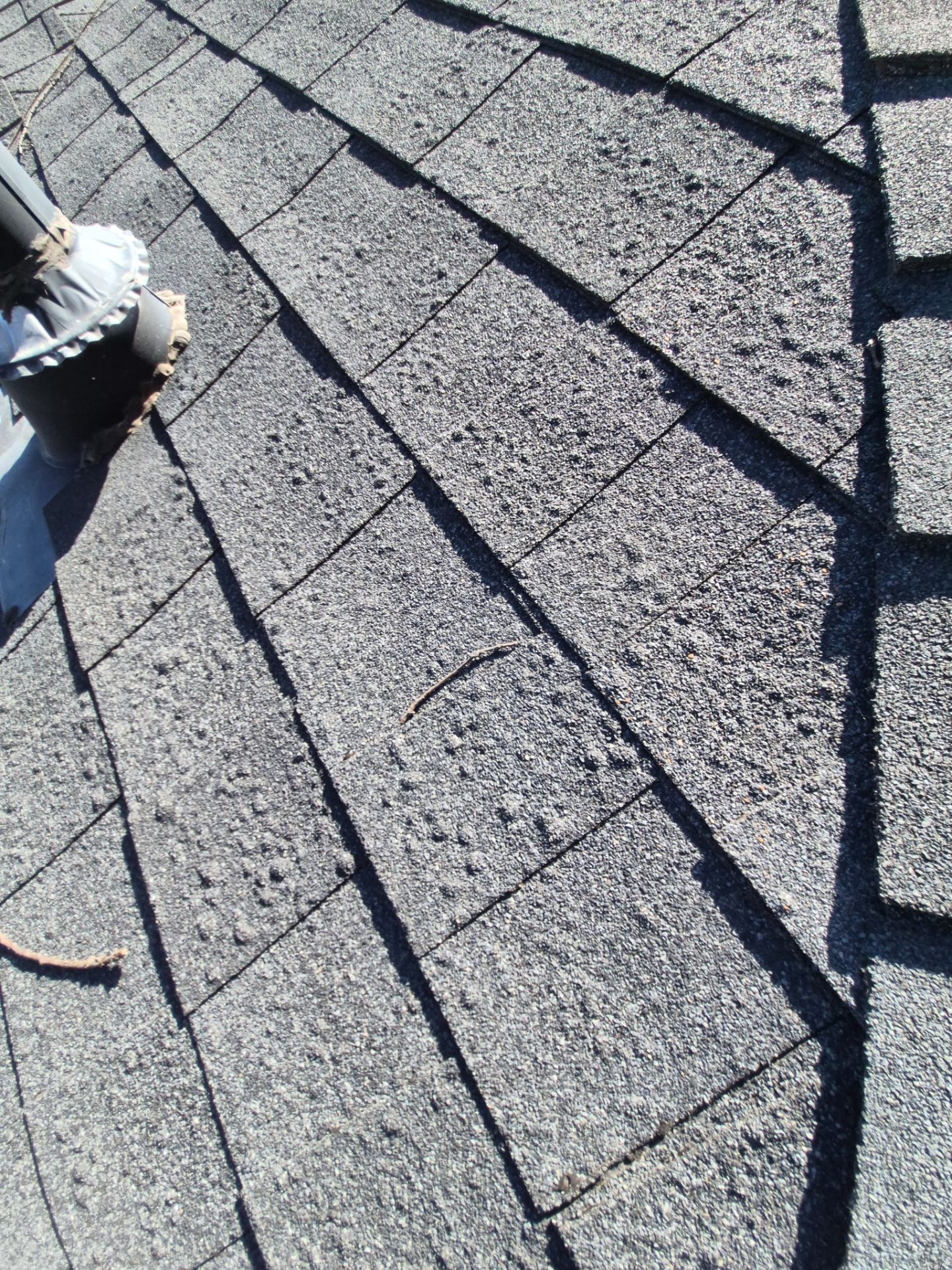
For Texas homeowners, this means the initial estimate you receive might not cover the full scope of necessary repairs. An adjuster may miss subtle hail bruising on shingles or fail to include code-required items like drip edge flashing. This is why a detailed, line-by-line review of the estimate is so important.
Understanding the adjuster's role helps you become a better advocate for yourself. Knowing who they work for and what their priorities are allows you to prepare for the inspection, ask the right questions, and know when to challenge an assessment that seems too low. Your insurance policy is a contract, and ensuring you receive the full benefits you're entitled to often starts with understanding the key players in the process.
Common Scenarios After DFW Hail Storm Claims
After severe weather events featuring high winds and hail damage hit the Dallas-Fort Worth area, homeowners often encounter similar frustrating scenarios. Your insurance provider sends an adjuster, but the resulting estimate feels incomplete or falls short of what your roofer quoted for the repairs.
This discrepancy is common. An adjuster might conduct a quick inspection and miss less obvious issues, leading to an initial offer that only covers partial repairs. The significant hail damage that is often present can be subtle, and without a trained eye, it can be missed, leading to lower supplement approvals or denials. This can leave you at risk for future problems like water damage.
You might find yourself dealing with:
- An estimate that omits necessary components like underlayment or proper ventilation.
- A valuation based on repairing damage when a full replacement is required.
- A denial of your claim because the adjuster argues the damage is from normal wear and tear, not the recent storm.
The Four Main Types of Insurance Adjusters in Texas
In Texas, the insurance claims process involves one of four main types of insurance adjusters, each with a distinct role. Most homeowners will interact with adjusters employed by their insurance companies, such as staff, catastrophe (CAT), or desk adjusters. These professionals are all licensed by the Texas Department of Insurance but serve the interests of their employer.
The fourth type is a public adjuster, who works directly for you, the policyholder. Knowing the differences between these roles is the first step toward successfully navigating your claim and ensuring you receive a fair settlement for your roof repairs. Let’s look at how each one operates.
Who Are Staff Adjusters and How Do They Work?
A staff adjuster is a full-time, salaried employee of an insurance company. They handle a wide variety of local claims, from fire and water damage to roof damage after a storm. Because they are on the company's payroll, their primary loyalty is to their employer. Their job is to assess the damage according to the terms of your insurance policy and the company’s guidelines.
During the claims process, a staff adjuster will visit your property, inspect the damage, and write an estimate for the repairs. While they are trained to be objective, they are also tasked with managing costs for the insurance company. This can sometimes lead to conservative estimates that may not account for every detail a roofing contractor would identify.
If you are starting a supplement claim, the first step is to have your roofing contractor provide a detailed report outlining any missed items or incorrect pricing in the staff adjuster's initial estimate. This documentation is crucial for justifying the need for additional funds to complete the necessary repairs properly.
The Role of CAT (Catastrophe) Adjusters During Hail Events
When widespread severe weather events like major hail storms occur, insurance companies deploy Catastrophe or CAT adjusters to handle the sudden surge in claims. These adjusters are independent contractors who travel to disaster areas across the country. They are paid by the insurance company on a per-claim basis, which incentivizes them to process a high volume of claims quickly.
Because they are moving fast and are often unfamiliar with local building codes or material costs, their assessments can sometimes be rushed or inaccurate. Significant hail damage can be hard to spot, and a CAT adjuster under pressure may overlook granular loss or subtle bruising that compromises your roof's integrity. This directly influences supplement approvals, as their initial report may not capture the full extent of the damage.
The fast-paced nature of their work means the claims process can feel impersonal. While they are licensed professionals, their priority is closing files so they can move on to the next property. This makes it especially important for you or your contractor to be present during their inspection to point out all areas of concern.
Desk Adjusters’ Influence on Texas Hail Claim Process
A desk adjuster is an employee of the insurance company who handles claims remotely from an office. They do not visit your property. Instead, they rely on photos, reports, and estimates provided by you, your contractor, or a field inspector to make a decision. Desk adjusters often handle smaller, less complex claims or review supplements submitted by contractors.
For Texas homeowners, this means the quality of the documentation you submit is critical. The desk adjuster’s entire understanding of your hail damage comes from the paperwork they receive. If your photos are unclear or your contractor’s report is not detailed enough, they may deny or undervalue your claim.
To start a roofing insurance supplement claim with a desk adjuster, you must provide clear evidence. Key steps include:
- Submitting high-resolution, well-lit photos of all damage.
- Providing a line-item estimate from your contractor explaining why additional funds are needed.
- Clearly labeling all documents with your name and claim number.
What Does a Public Adjuster Texas Do?
Unlike other adjusters, a public adjuster works exclusively for you, the policyholder, not for insurance companies. They are independent professionals licensed by the Texas Department of Insurance to represent your interests throughout the entire claim process. A public adjuster manages all communication with your insurer, documents the damage, and negotiates for the highest possible settlement.
Hiring a public adjuster can be particularly beneficial for large, complex, or disputed claims. If your initial claim was denied or the settlement offer is far too low, a public adjuster has the expertise to build a strong case on your behalf. They are paid a percentage of the final claim settlement, so their incentive is to maximize your payout.
You should consider hiring a public adjuster when you feel overwhelmed by the process, lack the time to manage the claim, or believe your insurance company is not treating you fairly. They can step in to handle negotiations, allowing your roofing contractor to focus on the repairs.
Comparing Adjuster Types: Approach and Biases
Each type of insurance adjuster approaches the claims process from a different perspective, driven by their employer and compensation structure. Adjusters working for insurance companies aim for efficiency and cost control, while public adjusters focus on maximizing the homeowner's settlement.
Understanding these inherent biases is key to managing your claim effectively. A reputable roofing contractor can help you navigate these differences, ensuring your insurance policy is honored and all damage is properly addressed. Here's a brief breakdown of who each adjuster works for and their primary incentives.
Adjuster Type
Works For
Primary Incentive
Staff Adjuster
Insurance Company
Close claims efficiently and control costs.
CAT Adjuster
Insurance Company
Process a high volume of claims quickly.
Desk Adjuster
Insurance Company
Review claims remotely based on provided documents.
Public Adjuster
You (The Homeowner)
Maximize your claim settlement amount.
Who Each Adjuster Works For and Their Incentives
The key to understanding an adjuster's assessment is knowing who they work for and what their incentive is. This knowledge helps you anticipate how they might handle your claims process. A staff adjuster, for instance, is a direct employee of the insurance company. Their incentive is to resolve your claim in a way that aligns with company protocols and financial targets, which often means keeping payouts controlled.
CAT adjusters and desk adjusters also work for insurance companies, but as contractors or remote employees. Their incentive is speed and volume. The faster they can close your file, the sooner they can move to the next one, which is how they earn their income. This can lead to rushed inspections and overlooked details.
In contrast, a public adjuster works for you. Their financial incentive is directly tied to the size of your settlement, as they earn a percentage of the total claim amount. This aligns their goals with yours: to get the largest possible payout to cover all damages. Your roofing contractor can work with any of these adjusters but knowing where loyalties lie is crucial.
How Their Assessments Affect Your Keller Hail Damage Claims
The type of insurance adjuster handling your claim in Keller can dramatically affect the outcome, especially with hail damage. A staff or CAT adjuster, focused on speed and cost, might only approve repairs for the most obvious damage. They may classify some impacts as cosmetic or attribute them to wear and tear, leaving you with an estimate that doesn't cover all necessary repairs.
This is a common issue in the insurance claim process. An adjuster's initial assessment often becomes the baseline for the entire claim. If they miss subtle damage to flashing, vents, or underlayment, getting those items approved later requires submitting a detailed supplement with strong evidence, which can be a challenging process.
To get your claim approved, thorough documentation is one of the most important factors. Providing clear, timestamped photos of the hail damage immediately after the storm, along with a detailed inspection report from a trusted roofing contractor, strengthens your position. This evidence makes it harder for any insurance adjuster to dispute the extent of the damage and the need for comprehensive repairs.
Why Estimates for Roof Repairs in Texas Vary So Much
It’s one of the most common frustrations for homeowners: the insurance company's estimate is thousands of dollars less than the quote from your roofing contractor. This happens for several reasons, ranging from different pricing software to overlooked items. Insurance companies often use standardized pricing, which may not reflect local labor and material costs.
Meanwhile, a reputable roofer’s estimate is based on the actual, full cost of completing all necessary repairs to meet local building codes and manufacturer specifications. We'll examine the specific factors that cause these discrepancies and how the adjuster type influences the final claim value.
Factors That Lead to Different Insurance vs. Roofer Estimates
The gap between an insurance estimate and a roofing contractor's quote arises from several key factors. Insurance companies often use pricing software that provides regional averages, which may not account for specific material costs or labor rates in your immediate area, especially after a storm when demand is high.
An adjuster might also calculate the roof’s value differently. For example, they might base their estimate on the actual cash value (the depreciated value of your old roof) instead of the full replacement cost. A contractor’s quote, on the other hand, reflects the real-world cost to purchase materials and perform the work today.
Common items that insurance companies leave out of initial estimates include:
- Code-required upgrades, like drip edge or specific underlayment.
- Costs for proper ventilation replacement.
- The removal and disposal of old roofing materials.
Impact of Adjuster Type on Claim Value and Supplements
The type of insurance adjuster you work with has a direct impact on your initial claim value and the ease of getting a supplement claim approved. Staff and CAT adjusters, working for the insurer, may produce lower initial estimates to control costs. Their assessments of hail damage might be conservative, leading to a smaller initial payout that doesn’t cover all damage.
When your contractor identifies items missing from the initial scope, they will submit a supplement claim. A desk adjuster will often review this request. Their approval depends entirely on the quality of the documentation. A detailed, well-supported supplement is more likely to be approved than a simple request for more money. Significant hail damage, when properly documented with photos and professional analysis, is a strong basis for a supplement approval.
Ultimately, the goal is to ensure the final payout, minus your deductible amount, is sufficient to restore your roof properly according to your insurance policy. Having a contractor who understands how to build and negotiate a supplement claim is essential.
Navigating the Texas Hail Claim Process With Adjusters
Successfully navigating the hail damage claims process in Texas requires preparation and proactive communication. Instead of passively accepting the insurance company’s initial assessment, you should partner with a trusted roofing contractor to ensure your claim is handled fairly from the start. Your contractor can be your advocate, meeting with the adjuster to point out all damage.
This collaborative approach helps prevent lowball offers and reduces the need for lengthy disputes. The following sections will guide you through the essential steps for starting a supplement claim and the documents you'll need to have ready.
Steps to Start a Roofing Insurance Supplement Claim
If your initial roofing insurance claim estimate from the insurance company is too low, you’ll need to start a supplement claim. A supplement is a formal request for additional funds to cover the true cost of the necessary repairs. The process begins with a detailed review of the insurer’s estimate.
Your roofing contractor should compare the adjuster's report line-by-line with their own inspection findings. They will identify any missing items, incorrect measurements, or undervalued materials. From there, they will compile the evidence needed to justify the increase.
To officially start the supplement claim, your contractor will typically:
- Create a new, detailed estimate that includes all missing scope and correct pricing.
- Gather photographic evidence of the additional damage.
- Submit the supplement package to the insurance company, referencing your original claim number.
Documents Needed for Roof Supplement Requests in Texas
A successful roof supplement claim depends on thorough and professional documentation. Simply telling the insurance company their estimate is too low isn't enough; you must provide clear proof. A roofing professional will assemble a package that justifies the need for more funds.
This package serves as a written explanation detailing every discrepancy between the insurer's estimate and the actual scope of work. It should be clear, concise, and supported by visual evidence. The goal is to make it easy for the desk adjuster to understand and approve the request. If you have a mortgage company listed on your policy, they may also need to endorse any checks, so keeping them informed is important.
Essential documents for a supplement claim include:
- A revised, line-item estimate from your contractor.
- High-resolution photos of all damage, especially items missed in the initial inspection.
- References to local building codes that require specific materials or installation methods.
- A cover letter explaining the reasons for the supplement request.
Dealing With Low Insurance Payouts and Disputed Claims
Receiving a low payout or having your claim disputed by insurance companies can be incredibly frustrating. However, the initial decision from an insurance adjuster is not the final word. You have the right to challenge their assessment and negotiate for a fair settlement. This process is known as a disputed claim.
In some cases, this may involve simply providing more evidence. In more complex situations, you might need to seek help from a public adjuster or even obtain legal advice. Let’s explore when and how you should challenge an adjuster’s decision and the roles different professionals play in the process.
When and How to Challenge an Insurance Adjuster’s Decision
You should challenge an insurance adjuster’s decision as soon as you believe the assessment is inaccurate or unfair. If the estimate from the insurance company won't cover the cost of proper repairs, it's time to act. The first step is to formally notify your insurer in writing that you are disputing the claim amount.
To challenge the decision effectively, you must provide a strong counter-argument backed by evidence. This involves submitting a detailed written explanation of why you disagree with the adjuster's findings. Vague complaints are easily dismissed, so be specific. Under Texas law, your insurer must act in good faith, which includes considering any new evidence you provide.
Here’s how to challenge a low payout:
- Get a detailed, line-item estimate from a reputable roofing contractor.
- Submit new photos and documentation supporting the need for additional repairs.
- Request a second inspection with a different adjuster or ask that your contractor meet with the original adjuster to review the discrepancies.
The Role of Contractors vs. Public Adjuster Texas in Disputes
In a claims dispute, both a roofing contractor and a public adjuster can be valuable allies, but they play different roles. A reputable contractor is an expert on the physical work required. They can provide detailed estimates, document damage, and submit supplements to insurance providers explaining what is needed to correctly repair your roof. They are your technical expert.
A public adjuster, however, is a claims expert. While a contractor can point out what needs to be fixed, a public adjuster can interpret your insurance policy, negotiate directly with the insurer on your behalf, and handle the entire dispute process. Texas law prohibits a roofing contractor from legally representing you in an insurance claim negotiation, which is where a public adjuster’s role becomes critical.
In most cases, your contractor can resolve discrepancies through the supplement process. But if your claim is complex, has been denied, or you've reached a standstill with your insurer, a public adjuster is the licensed professional who can advocate for you in negotiations.
Conclusion
In conclusion, understanding the various types of insurance adjusters in Texas is crucial for homeowners navigating the complexities of roof claims after hail storms. Each adjuster—whether staff, CAT, desk, or public—brings unique perspectives and incentives that can significantly impact your claim's outcome. By recognizing how their assessments differ and what factors contribute to varying estimates, you can better advocate for your needs and ensure you receive a fair settlement. As you approach the claims process, remember that having the right information and support makes all the difference. If you're feeling overwhelmed, don't hesitate to reach out and get a free consultation to discuss your specific situation and explore the best options available to you.
Frequently Asked Questions
When should I consider hiring a public adjuster in Texas?
Texas homeowners should consider hiring a public adjuster for a roofing insurance claim if the claim is large, complex, has been denied, or if the settlement offer is substantially too low. They are beneficial when you feel the insurance company isn't being fair and you need an expert to negotiate on your behalf.
Are there deadlines for submitting hail damage supplement claims in Texas?
Yes, there are deadlines. While your insurance policy will specify the exact time frame, Texas law generally gives you one year from the date of the hail damage to file a claim. A supplement claim is part of the original claim, so it must be handled within the deadlines set by your insurance provider.
What factors help my roofing claim get approved after a DFW hail storm?
To get your roofing insurance claim approved, provide immediate, clear photo documentation of the hail damage. Partner with a reputable roofing contractor who can create a detailed report of all necessary repairs and meet with the adjuster. Thorough evidence makes it difficult for insurance companies to deny or underpay your claim.