7 Signs Roof Needs Replacement Before It Leaks
Discover the key signs roof needs replacement, even if it isn’t leaking yet. Protect your home by learning when it’s time for a new roof.
7 Signs Your Roof Needs Replacement Even If It Isn’t Leaking Yet
Key Highlights
- A leaking roof isn't the only sign you might need a new roof; hidden damage can be just as serious.
- Watch for missing shingles, granules in your gutters, and visible bruising after a hail storm.
- Sagging spots or sunlight in your attic can signal major structural problems requiring urgent attention.
- Prompt storm damage repair after hail can prevent small issues from becoming a full roof replacement.
- Even without leaks, underlying issues can lead to costly roof repairs if not addressed by a professional.
Introduction
Your roof might look fine from the ground, but serious damage could be hiding in plain sight, especially after a storm. Many homeowners in Keller, Fort Worth, and North Richland Hills don't realize their roof is compromised until a leak appears, but by then, the damage is already done. Understanding the subtle warning signs can save you from expensive repairs down the road. A trusted roofing professional can help you identify these issues, whether for residential or commercial roofing, ensuring your property is protected with quality materials.
7 Signs Your Roof Needs Replacement Even If It Isn’t Leaking Yet
You don't have to see water dripping from your ceiling to have a serious roofing problem. Many signs of a failing roof system are subtle and can easily go unnoticed by the untrained eye. Ignoring these indicators can lead to significant water damage and compromise your home's structural integrity.
Addressing your roofing needs early not only protects your home but also maintains its curb appeal. A professional inspection can uncover these hidden issues before they escalate. Let's explore the seven key signs that suggest your roof might need a replacement, even without any active leaks.
1. Missing or Lifted Shingles After Hail or Storms
After a significant hail storm passes through North Texas, it's common to find missing shingles scattered in your yard. Even if you only see a few, this is a clear indicator of storm damage. Each missing shingle creates a vulnerable spot on your roof, exposing the underlayment to the elements.
Lifted or curling roof shingles are another urgent sign. When high winds get underneath the edge of a shingle, they can loosen the seal, allowing water to seep in over time. This might not cause an immediate leak, but it compromises your roof's ability to shed water effectively.
It's crucial to address these issues promptly. A few missing shingles can quickly turn into a much larger problem during the next downpour. Using quality materials for repairs ensures that your roof remains strong and protective against future weather events.
2. Granules in Gutters Indicating Hidden Roof Damage
Have you noticed a build-up of sand-like particles in your gutters? These are granules from your asphalt shingles, and their presence is a red flag. Granules protect the shingle from UV rays and weather, and when they start washing away, it means your roofing material is aging and becoming brittle.
This "balding" of shingles exposes the asphalt layer underneath to the sun, causing them to dry out, crack, and deteriorate much faster. While some granule loss is normal over a roof's lifespan, a sudden increase, especially after a storm, signals accelerated wear.
If you see granules in your gutters, it's a sign that you should hire a roofing contractor in Fort Worth for an inspection. Catching this issue early could be the difference between making minor roof repairs and needing a full, costly replacement.
3. Visible Bruising or Cracks on Shingles From Hail Impact
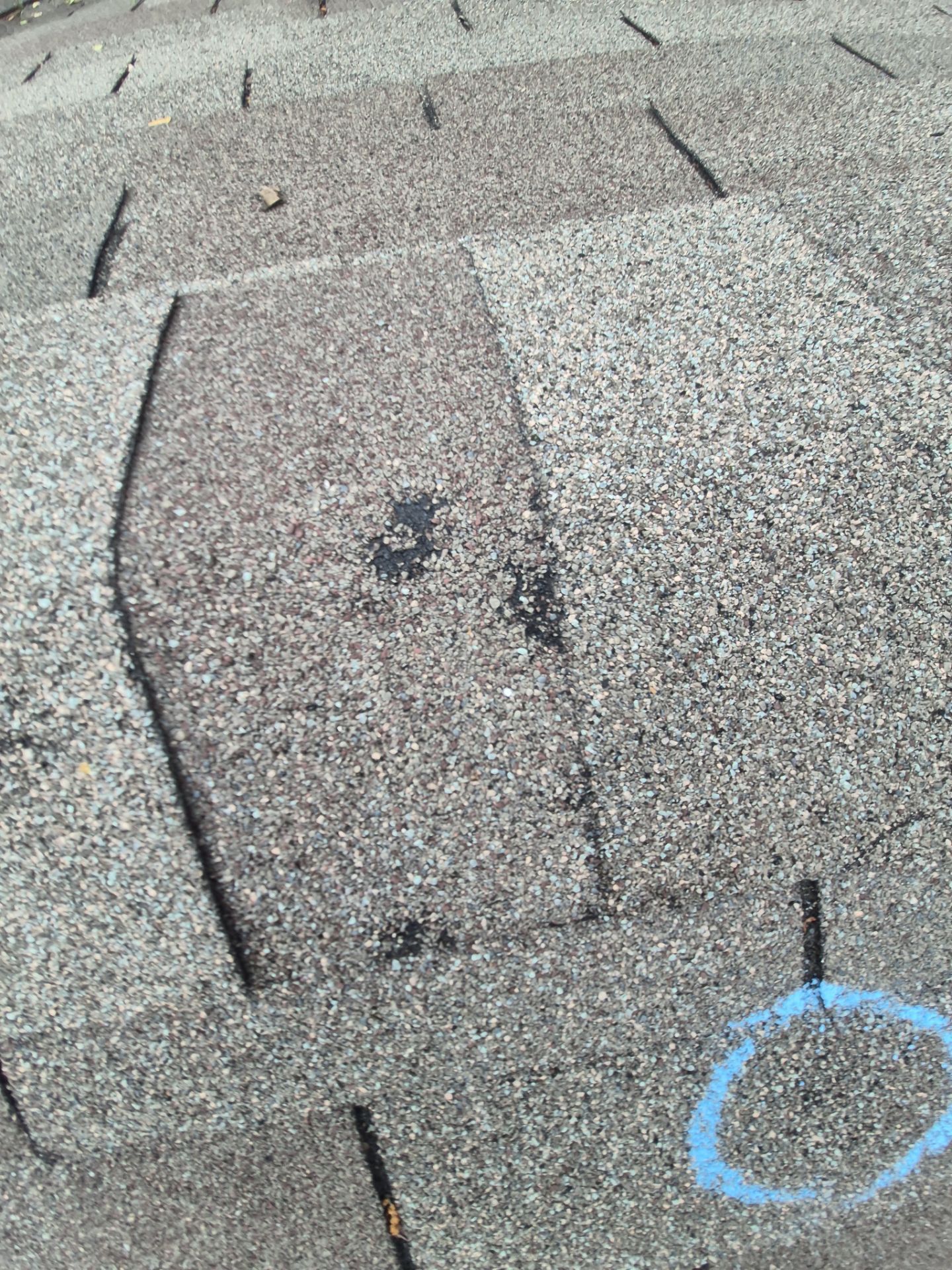
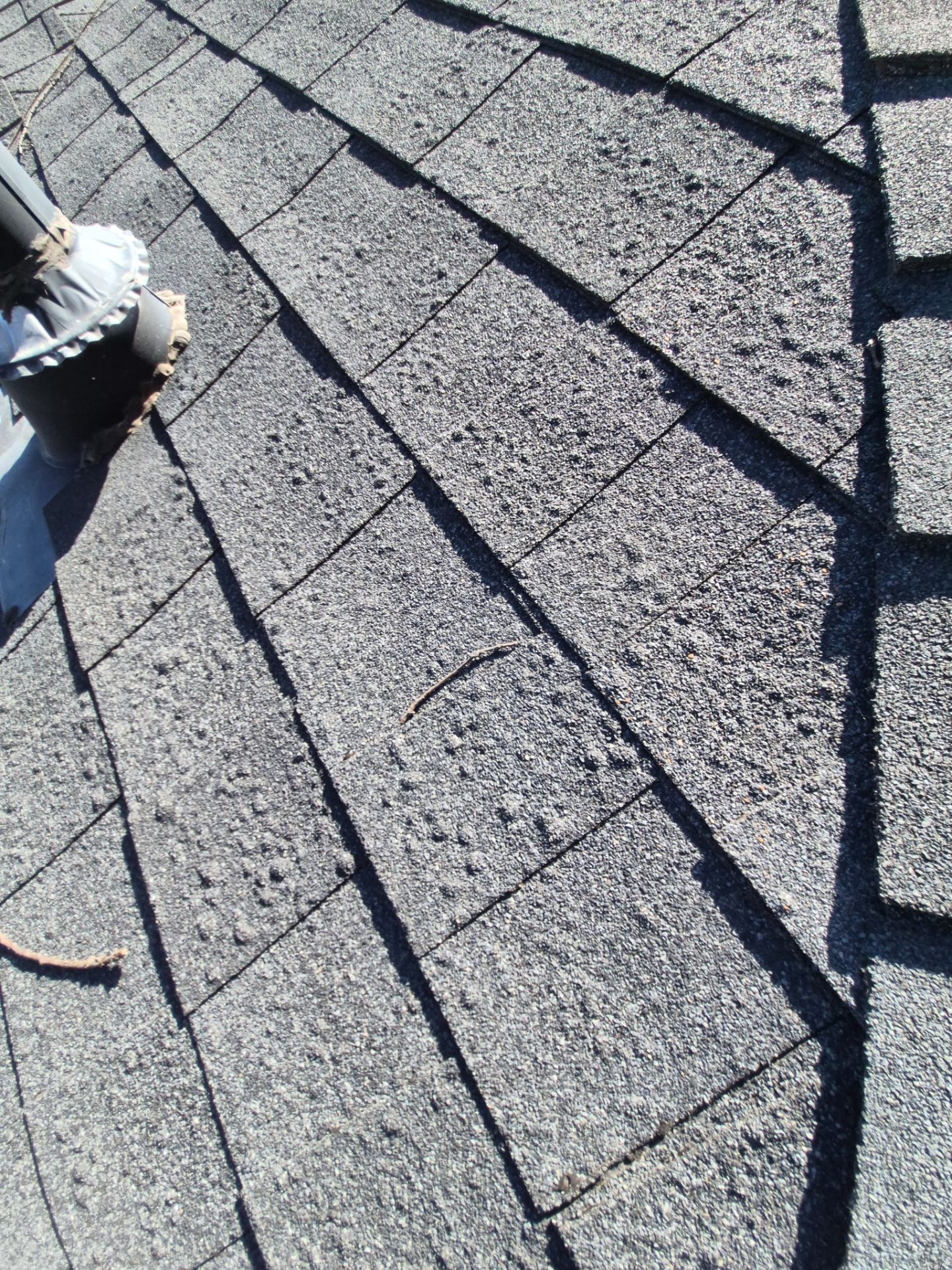
One of the most direct warning signs of hail damage is visible bruising on your shingles. From the ground, this might look like dark spots or areas where the roof color is inconsistent. Up close, these bruises feel soft to the touch, like an apple that has been bruised.
This visible damage indicates that the hail impact has fractured the shingle and compromised its integrity. Over time, these bruised spots will lose their protective granules, exposing the underlying mat and making the shingle susceptible to water absorption and cracking.
Even if the shingle isn't cracked all the way through, this type of damage weakens your entire roofing system. It's an urgent sign that your roof in Fort Worth needs a professional evaluation to assess the extent of the hail damage before it leads to leaks.
4. Sagging Areas or Uneven Rooflines Signaling Structural Issues
A sagging roof is a serious structural issue that demands immediate attention. If you notice a dip or curve in your roofline, it often means the underlying decking is weak or rotted, likely from prolonged water intrusion. You might see this from the street or notice it as an uneven appearance on the roof's surface.
This problem is rarely just cosmetic; it points to a deteriorating roof structure that can no longer support its own weight properly. The cause is often trapped moisture that has slowly rotted the wood supports and decking, compromising the entire roof system.
In many cases, if the damage is caused by a covered event like a storm, your homeowner's insurance may cover the necessary repairs. A qualified Fort Worth roofing contractor can help you document the structural issues for your insurance claim and restore the safety of your home.
5. Soft Spots Detected During Roof Inspection Keller TX
When you walk on your roof, does it feel spongy or soft underfoot in certain areas? These soft spots are a significant warning sign that the underlying wood decking has been weakened by moisture. This often happens long before a leak becomes visible inside your home.
A roofing professional will specifically check for this during a roof inspection in Keller, TX. They are trained to identify areas where the decking has lost its structural integrity. This issue is common in roofs with poor ventilation, as trapped moisture rots the wood from the inside out.
Ignoring soft spots can be dangerous and lead to more extensive damage. It's a clear indication that roof repairs are needed to ensure the safety and longevity of your roof. For quality work and peace of mind, scheduling regular inspections is key, especially after severe weather seasons. Experts recommend a roof inspection at least once a year or after any major storm.
6. Moss, Algae, or Moisture Build-Up Without Visible Leaks
Seeing moss, algae, or dark streaks on your roof might seem like a simple cosmetic issue, but it often points to a larger problem: trapped moisture. These organisms thrive in damp environments, so their presence indicates that your shingles are retaining water instead of shedding it. This is a common sign you need to hire a roofing contractor.
This moisture build-up is particularly common on north-facing roof slopes that receive less sunlight, allowing dampness to linger. Over time, this can cause the roofing materials to degrade and rot. While you might not see water stains inside, the damage is happening on the surface.
This is not just a residential issue; commercial roofing systems can also experience these problems. Addressing your roof needs by cleaning off the growth and having a professional assess the underlying condition can prevent premature aging and protect your investment.
7. Sunlight Penetrating Attic Spaces or Under-Roof Boards
One of the easiest ways to check your roof's condition is to visit your attic on a sunny day. Turn off the lights and look up. If you see any beams of sunlight penetrating the space, you have a problem. Every hole that lets light in will also let water in, making a leaky roof inevitable.
This sunlight penetration indicates direct holes or cracks in your roofing material or decking. These gaps might be small, but they are direct pathways for rain, pests, and moisture. During a roof replacement or repair, a contractor will identify and seal these vulnerabilities.
Don't dismiss small pinpricks of light. They are a clear sign that your roofing needs immediate attention. What starts as a tiny hole can quickly expand, leading to significant water damage and costly repairs.
Understanding Hidden Roof Damage and Its Risks
Hidden roof damage is a silent threat to your home. It’s the kind of damage that doesn't cause immediate, obvious leaks but slowly compromises your roofing system over time. This can include issues like hail bruises, cracked underlayment, or slow moisture intrusion that isn't visible from the ground.
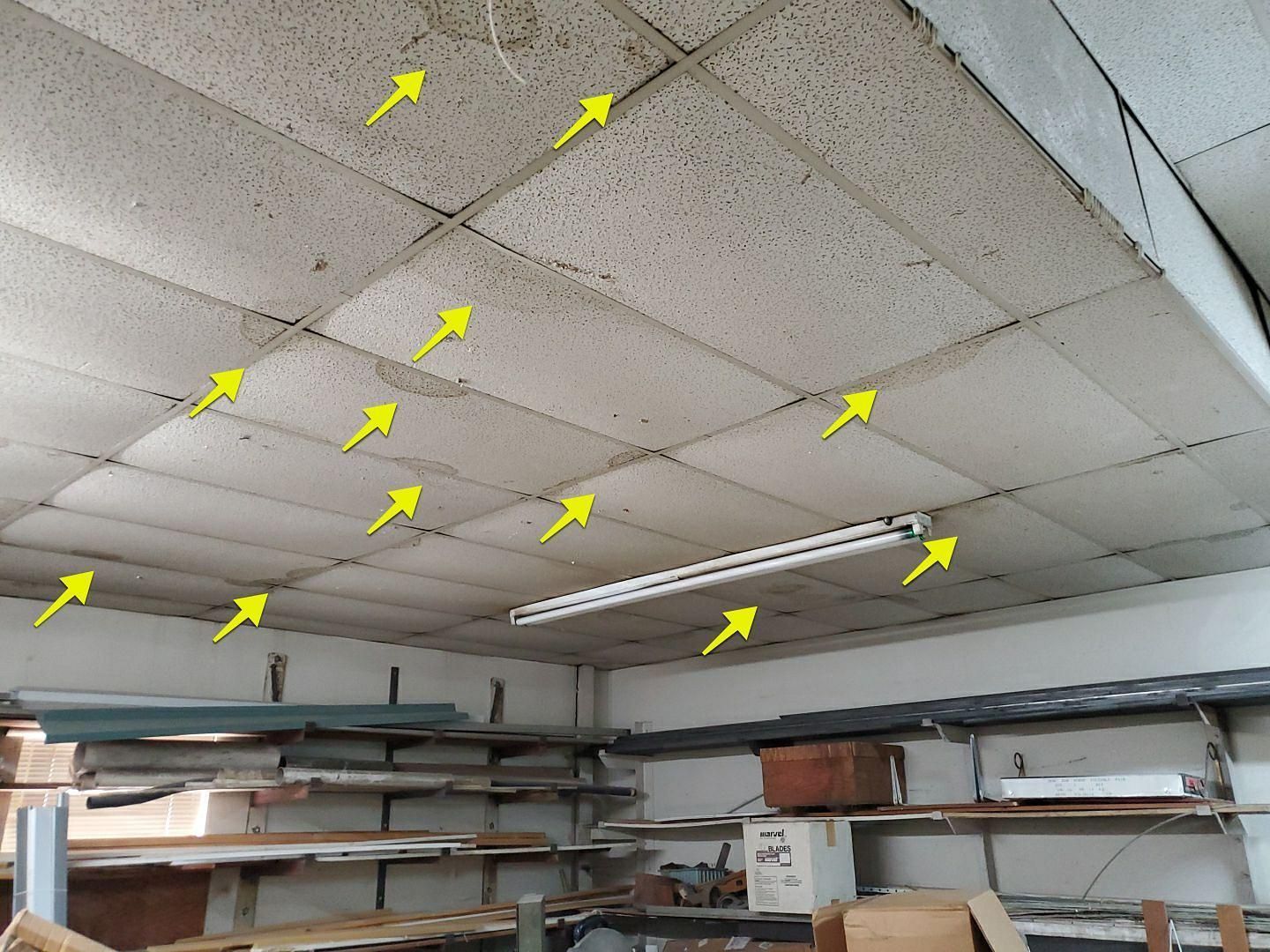
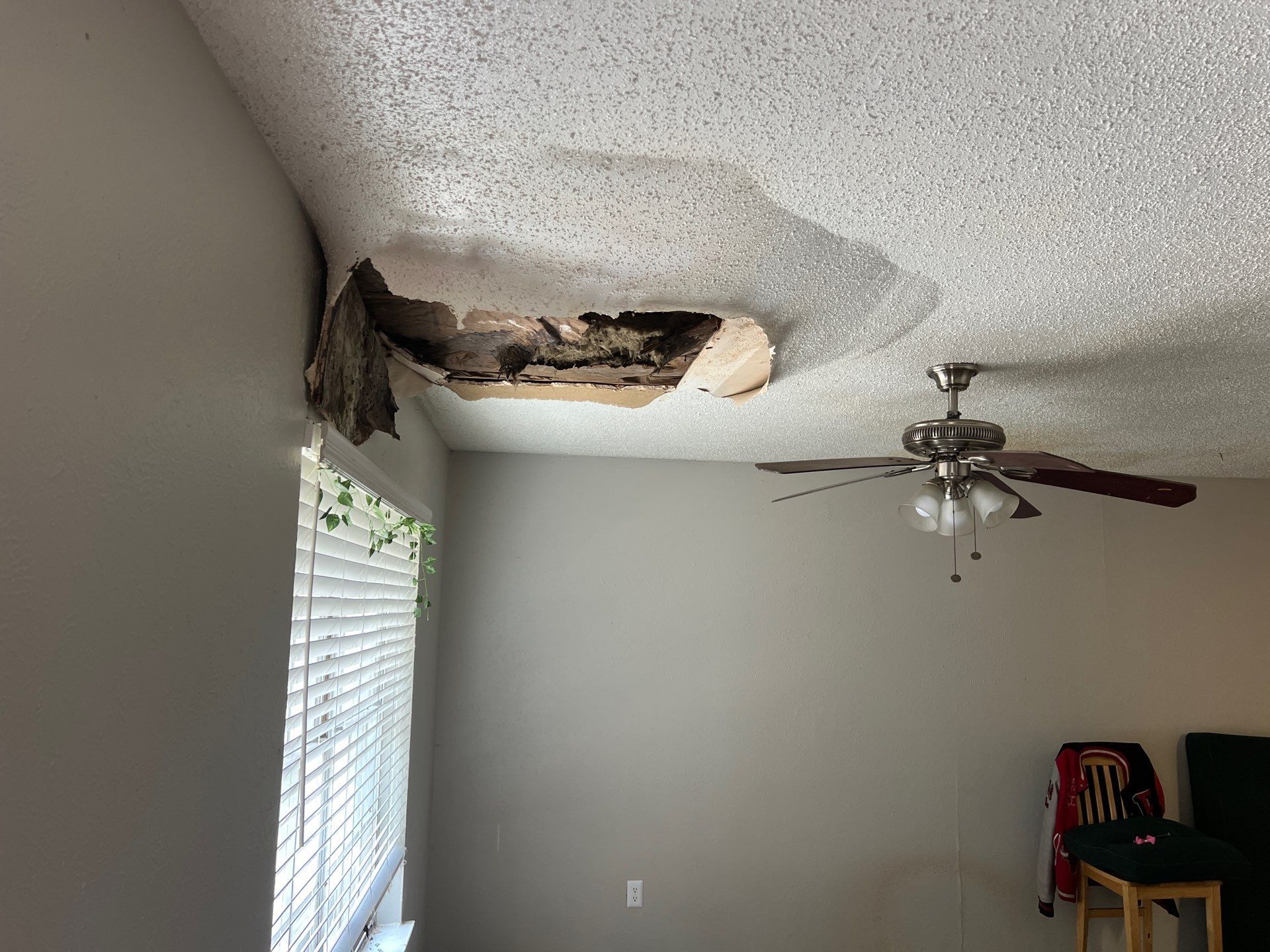
These unseen problems can lead to mold growth, rotted wood, and eventually, significant water damage. By the time you notice a stain on your ceiling, the cost of roof repairs has already multiplied. Understanding how to recognize these subtle signs is key to protecting your property.
Recognizing Roof Damage Without Leaks
Many homeowners believe that if there are no water stains on the ceiling, their roof is fine. However, some of the most severe damage occurs long before a leak appears. The key is to know what to look for on the exterior of your home and in your attic.
Visible damage from the ground, such as curled or missing shingles, is a clear sign. You should also check for an accumulation of shingle granules in your gutters. Inside, look for sagging decking or any daylight coming through the roof boards in your attic. These are all signs that your roof system is compromised.
A professional inspection is the best way to uncover hidden issues. An expert can identify subtle problems that an untrained eye would miss. Here are a few things to watch for:
- Dark spots or "bruises" on shingles from hail.
- Cracks or blistering on the shingle surface.
- Lifted shingles that have lost their adhesive seal.
- Spongy or soft spots when walking on the roof.
How Hidden Roof Damage Can Lead to Costly Repairs
The biggest danger of hidden roof damage is that it allows problems to fester. A small, unnoticed crack from a hailstone can allow moisture to seep into the underlayment. Over months, this moisture can rot the wooden decking, creating a much larger and more expensive problem. By the time a leak appears, you're not just dealing with shingles; you're looking at structural roof repairs.
Addressing your roofing needs proactively saves money and stress. Many homeowners' insurance policies cover damage from events like hail or wind, but waiting too long can complicate your insurance claim. Insurers often want to see that you've taken steps to mitigate further damage.
A reputable contractor can provide documentation for your claim and ensure the work is done right, leading to greater customer satisfaction. Investing in a timely inspection and repair can prevent a small issue from turning into a major financial headache.
Common Causes of Hidden Roof Damage in North Texas
In North Texas, our weather is the primary culprit behind hidden roof damage. The intense sun, high winds, and notorious hail storms all take a toll on roofing materials. Hail damage is particularly deceptive, as it can create small fractures and bruises that aren't visible from the ground but lead to slow water intrusion.
Fort Worth roofing contractors are experts at identifying these specific types of storm damage. They know that even a minor hail event can compromise the integrity of asphalt shingles, leading to granule loss and reduced lifespan. Poor ventilation is another common issue, trapping heat and moisture in the attic, which can rot the decking from the inside out.
Understanding these local threats is crucial for protecting your home. Regular inspections are the best defense against these common causes of hidden damage.
Cause of Damage
Description of Impact
Hail Damage
Creates bruises, cracks, and granule loss on shingles, weakening their integrity.
High Winds
Lifts shingle edges, breaking the seal and allowing for water intrusion.
UV Exposure
Degrades asphalt shingles over time, making them brittle and prone to cracking.
Poor Ventilation
Traps heat and moisture in the attic, leading to rot and mold on the decking.
Storm Damage and Hail Impact on Roofs in Keller, Fort Worth & North Richland Hills
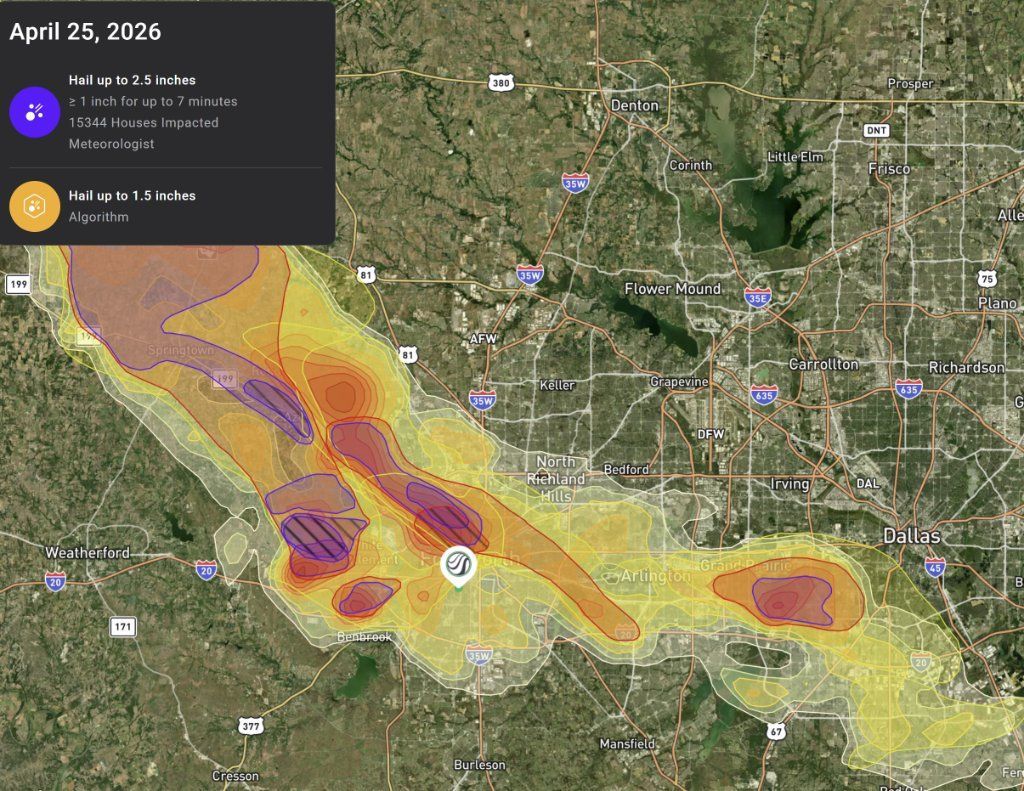
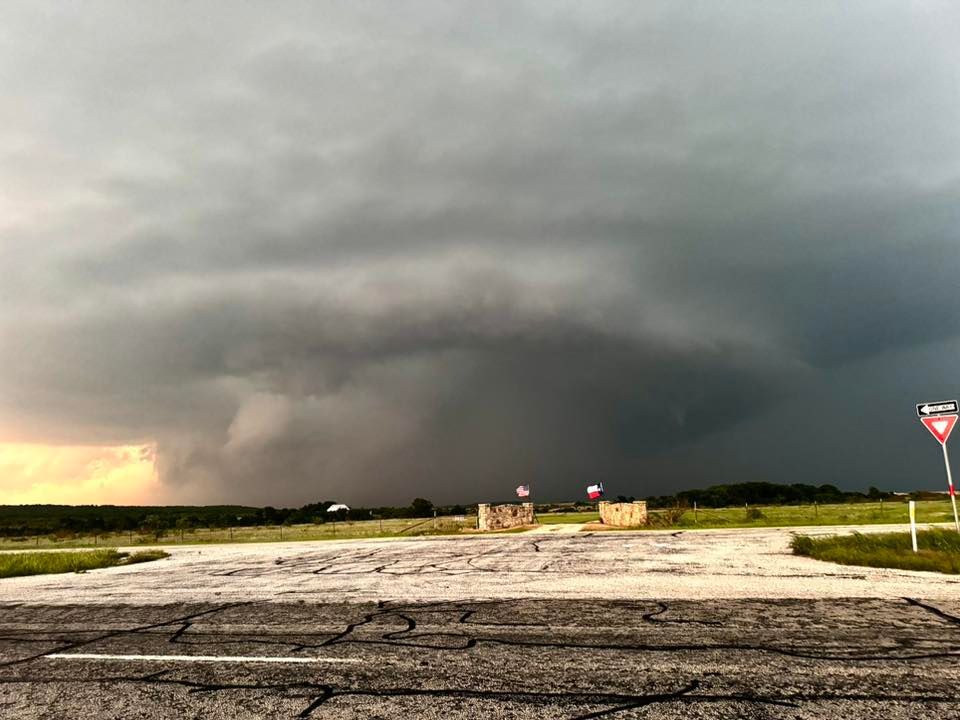
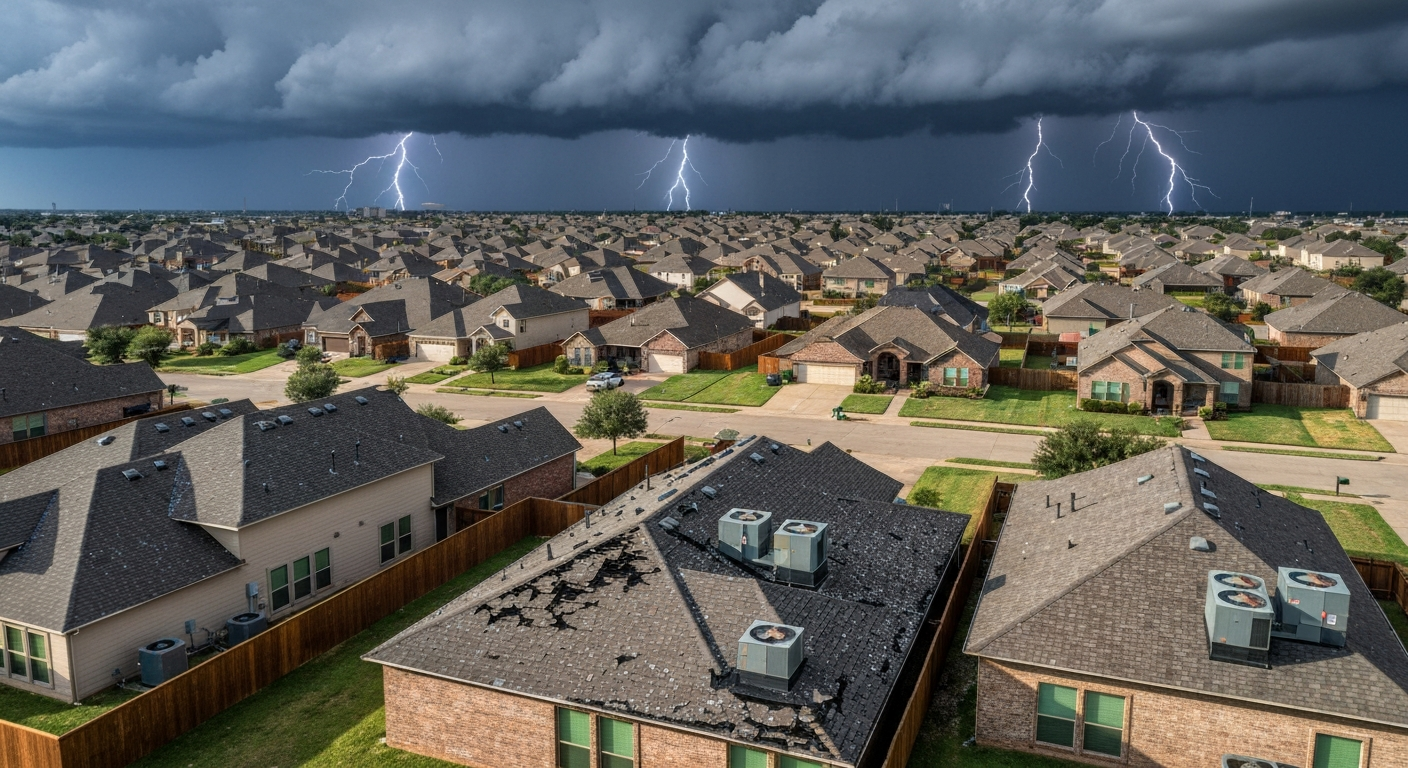
Living in Keller, Fort Worth, or North Richland Hills means you're no stranger to severe weather. Hail and high winds are a constant threat to your roof, causing storm damage that can range from minor to catastrophic. The impact of hail on asphalt shingles can be particularly destructive, creating hidden fractures that weaken the roofing material.
Understanding the specific signs of hail damage is crucial for every homeowner in this region. Prompt identification and quality work from a trusted contractor can prevent small impacts from turning into major leaks and structural issues, protecting your home and your investment.
Typical Storm Damaged Roof Signs Local Homeowners See
After a storm, the first thing most homeowners notice is visible damage. This can include shingles that are completely missing, cracked, or have corners that are torn off. You might find pieces of your roof shingles in your yard or driveway, which is an immediate red flag that your roof has been compromised.
Another common sign of storm damage is dented gutters, roof vents, or flashing. If hail was large enough to dent metal components on your roof, it was certainly powerful enough to damage the shingles themselves, even if the impact marks aren't obvious from the ground.
It's important to look for these warning signs, as they indicate your roof needs urgent attention. Here are a few key things to spot:
- Curled or lifted shingle edges from high winds.
- A significant amount of shingle granules washing out of your downspouts.
- Cracks and splits appearing on the surface of roof shingles.
Identifying Hail Damaged Shingles and Their Effects
Identifying hail damage on asphalt shingles requires a close look. Hailstones create impact marks that often look like dark spots or bruises. You might notice a change in the roof color in certain areas where granules have been knocked loose. These spots can feel soft or spongy to the touch.
When a Fort Worth roofing contractor inspects for hail damage, they look for a pattern of these impacts across the entire roof surface. This damage fractures the shingle's internal mat, compromising its ability to protect your home. Over time, these bruised spots will lose more granules and become entry points for water.
A deteriorating roof due to hail is a serious problem. The effects might not be immediate, but the accelerated aging process will significantly shorten your roof's lifespan and lead to leaks if not addressed by a professional.
Why Prompt Action Matters for Storm-Damaged Roofs
After a storm, taking prompt action is the most important step you can take to protect your home. Waiting to address storm damage allows minor issues, like a few cracked shingles, to develop into major problems like widespread leaks and wood rot. This can turn a simple storm damage repair into a full roof replacement.
Most homeowners insurance policies cover storm damage, but they also require you to take reasonable steps to prevent further damage. By calling a roofing professional for an inspection right away, you are documenting the damage and fulfilling your obligation to your insurer, which can make the insurance claim process much smoother.
Acting quickly gives you peace of mind and protects your investment.
- Prevents secondary damage: Stops water from seeping into your attic and walls, preventing mold and rot.
- Simplifies insurance claims: Provides clear evidence that the damage was from a specific storm event.
Professional Roof Inspections in Keller, Fort Worth & North Richland Hills
Scheduling a professional inspection is the best way to understand the true condition of your roof. A trained roofing professional has the expertise to spot subtle signs of damage that are easily missed. Many reputable companies offer a free inspection to help you assess your roof's health without any initial commitment.
This service is a crucial part of good customer service, giving homeowners in Keller, Fort Worth, and North Richland Hills the information they need to make smart decisions about their property. Let's look at the benefits and what to expect during one of these evaluations.
Benefits of Scheduling a Roof Inspection Keller TX
Scheduling a regular roof inspection in Keller, TX, offers numerous benefits that go far beyond just spotting leaks. It's a proactive measure that can save you thousands of dollars in the long run by identifying minor roofing needs before they escalate into major, costly emergencies. It also provides invaluable peace of mind.
A professional inspection serves as a comprehensive guide to your roof's health. Following the assessment, you will receive a detailed report and, if necessary, free estimates for any recommended repairs. This allows you to plan and budget for maintenance, rather than being caught off guard by a sudden failure.
Here are two key benefits:
- Early problem detection: A professional can identify hidden damage from hail, wind, or age that isn't visible from the ground, preventing long-term structural issues.
- Insurance documentation: An inspection report provides crucial documentation for insurance claims after a storm, proving the extent and cause of the damage.
Steps Taken During a Comprehensive Roof Inspection
When you schedule an inspection with a professional roofing contractor, they follow a systematic approach to evaluate your entire roof system. The process begins on the ground, with the inspector walking the perimeter of your home to check for fallen shingles, granule loss in downspouts, and any issues with the soffit and fascia.
Next, the inspector will safely access your roof to perform a hands-on examination. They will walk every section, checking for soft spots, lifted or cracked shingles, and the condition of flashing around chimneys, vents, and skylights. This is where their expertise in identifying subtle damage becomes critical to ensuring quality work.
The entire process is designed to be thorough. The contractor will also typically inspect your attic for signs of leaks, inadequate ventilation, or sunlight penetration. At the end, you should expect a detailed report with photos and a clear explanation of their findings.
What Inspectors Look For: Lifted Shingles, Granules in Gutters & More
During a roof inspection, a trained professional is looking for specific indicators of wear and damage. One of the first things they check for is missing shingles or shingles that have lifted, as these expose the roof to water intrusion. They also examine the gutters for an accumulation of shingle granules, which signals that your roofing material is aging.
The inspector will carefully examine the integrity of all roofing components. This includes checking the seals around vents and pipes, the condition of the flashing in roof valleys, and any signs of rust on metal parts. These are common failure points that can lead to leaks if not properly maintained.
Here are key things an inspector focuses on:
- Signs of hail impact, such as bruises or circular cracks on the shingle surface.
- Deterioration of the roofing material, including blistering, curling, or widespread cracking.
- Potential for future roof repairs by identifying weak spots before they fail.
Choosing a Trusted Roofing Contractor in Fort Worth Area
Once you've identified your roofing needs, the next step is finding a reputable contractor you can trust to deliver quality work. With so many options in the Fort Worth area, it can be challenging to know who to choose. A great contractor prioritizes customer satisfaction and is transparent throughout the entire process.
Selecting the right partner is essential for a successful project and long-term peace of mind. The following tips will guide you in finding a reliable professional who will protect your home and your investment.
Tips for Finding Reputable Roofing Companies
Finding a reputable roofing company in the Fort Worth area starts with doing your homework. Look for a local business with deep roots in the community. Companies that have been serving the area for years are more likely to stand behind their work and be there if you have issues down the road.
Check for years of experience, not just as a company, but within their team. An experienced crew understands the specific challenges of North Texas weather and has honed their skills across a variety of roofing services. Also, read online reviews on platforms like Google to get a sense of other homeowners' experiences.
Here are a few tips to guide your search:
- Ask for local references and drive by to see their past work.
- Verify they have a physical office address, not just a P.O. box.
- Look for contractors with certifications from major manufacturers like Owens Corning.
Key Questions to Ask Before Hiring a Roofing Contractor
Choosing the right contractor involves asking tough questions to ensure they are qualified and trustworthy. Before signing any contract, always ask for proof of general liability insurance and workers' compensation. This protects you from any liability in case of an accident on your property.
Inquire about their experience with your specific type of roofing project and their process for handling communication. Clear communication is vital, especially when coordinating with your insurance company. A good contractor will be able to explain the entire process and keep you informed every step of the way.
Make sure to ask these key questions:
- Are you licensed and insured in the state of Texas? Can I see proof?
- Do you provide a written estimate and a detailed contract?
- What is your workmanship warranty, and what does it cover?
Understanding Warranties, Insurance, and Licensing
Understanding the paperwork behind a roofing project is just as important as the physical work itself. Reputable contractors offer two types of warranties: a manufacturer's warranty on the materials and a workmanship warranty on their labor. Make sure you get both in writing and understand what they cover.
When it comes to insurance, never hire a contractor who cannot provide proof of general liability insurance. In Texas, where roofing licenses are not state-mandated, insurance is a key indicator of a professional's legitimacy. You can check a contractor's reputation by reading online reviews and checking their standing with the Better Business Bureau (BBB).
Here’s what to confirm before work begins:
- Insurance Coverage: Verify they have active general liability and workers' compensation policies.
- Warranties: Get detailed, written explanations of both material and workmanship warranties.
Conclusion
In summary, being proactive about your roof's condition can save you from expensive repairs down the line. Recognizing the signs that indicate a need for replacement—such as missing shingles, granules in gutters, and soft spots—allows you to address potential problems before they escalate. Understanding the impact of storms and hail on roofs in Keller, Fort Worth, and North Richland Hills is crucial for maintaining the longevity of your home. If you're unsure about the state of your roof, don't hesitate to reach out for a professional inspection. Ensure your home remains safe and secure by taking action today. Get a free consultation to discuss your roofing concerns and explore the best solutions for your needs!
Frequently Asked Questions
Does insurance cover roof damage repairs from hail or storms?
In most cases, yes. Standard homeowners insurance policies in Texas typically provide insurance coverage for hail damage and storm damage. However, policies vary. It's essential to document the damage promptly and work with your insurance company through the insurance claim process to understand your specific coverage limits and deductible.
How often should I schedule a roof inspection in Keller or Fort Worth?
It's recommended to schedule a professional inspection for your roof at least once a year and after any major storm. A local business may offer a free inspection, which is a great way to assess your roofing needs and catch potential issues early before they become expensive problems.
What are the signs that my roof needs urgent replacement even if it’s not leaking?
Urgent signs include a sagging roof deck, visible damage like widespread cracked or missing shingles, and sunlight showing through your attic boards. A deteriorating roof can compromise your entire roof system, so don't wait for a leaky roof to schedule roof repairs or a replacement.