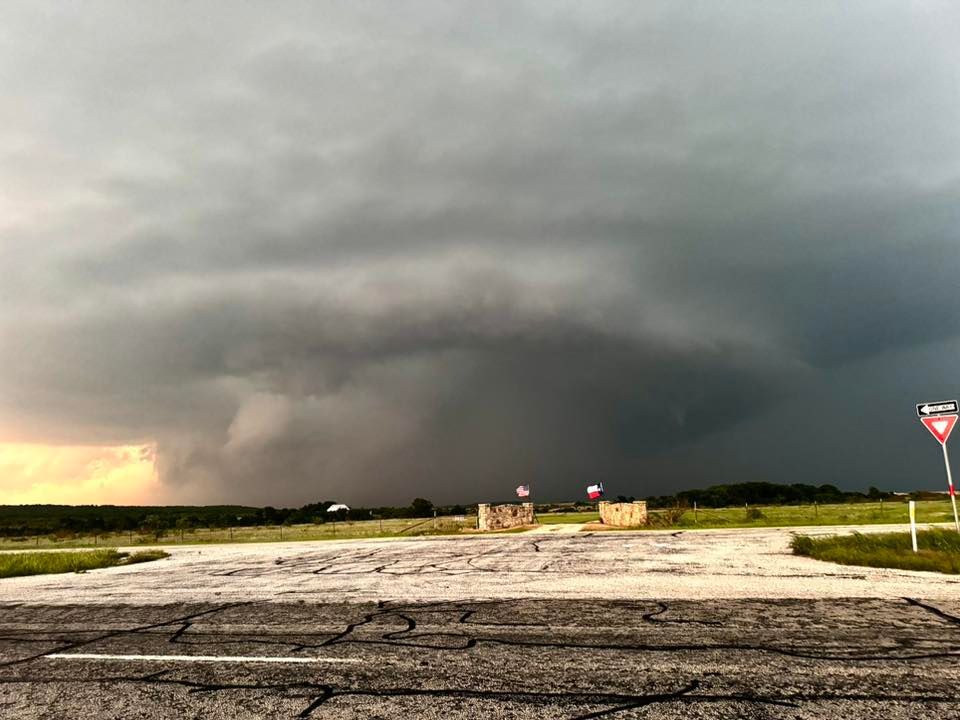
Insights on Springtown Tornado and Hail Storm in Ft Worth
This is a subtitle for your new post
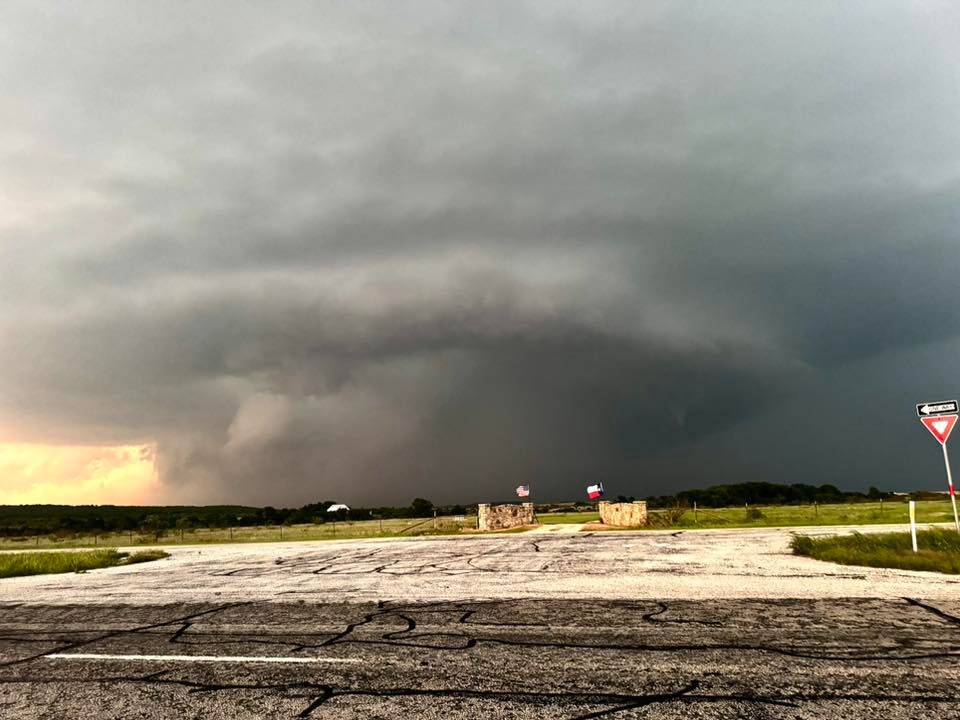
Springtown Tornado and Hail Storm in Ft Worth: Damage Insights
Key Highlights
- A powerful storm system brought a tornado and hail through the Fort Worth area, causing significant damage.
- The hail impact led to widespread property damage, especially to roofs.
- Homeowners need to look for hidden issues like granule loss and dented shingles.
- Understanding the storm's path helps identify areas with the most severe weather damage.
- This blog explains how to spot damage and when to call for roof repair services.
- A disaster declaration was issued for affected areas to help residents recover.
Introduction
On April 25, 2026, a massive storm system unleashed the Springtown Tornado and a severe hail storm across the Fort Worth area. This severe weather event left a trail of destruction, impacting homes and businesses from Springtown to Grand Prairie. If you live in one of the affected communities, you might be wondering about the condition of your roof. This guide will help you understand the storm's impact, identify potential roof damage, and know what steps to take next to protect your home.
Path and Impact of the Springtown Tornado and Hail Storm
The tornado first touched down in Springtown, bringing high wind speed and causing severe damage before tracking east. It moved across the city limits of several communities, leaving many property owners to deal with the aftermath. Downed power lines and debris were common sights, and the American Red Cross responded to provide aid. A disaster declaration was soon made to assist with recovery efforts.
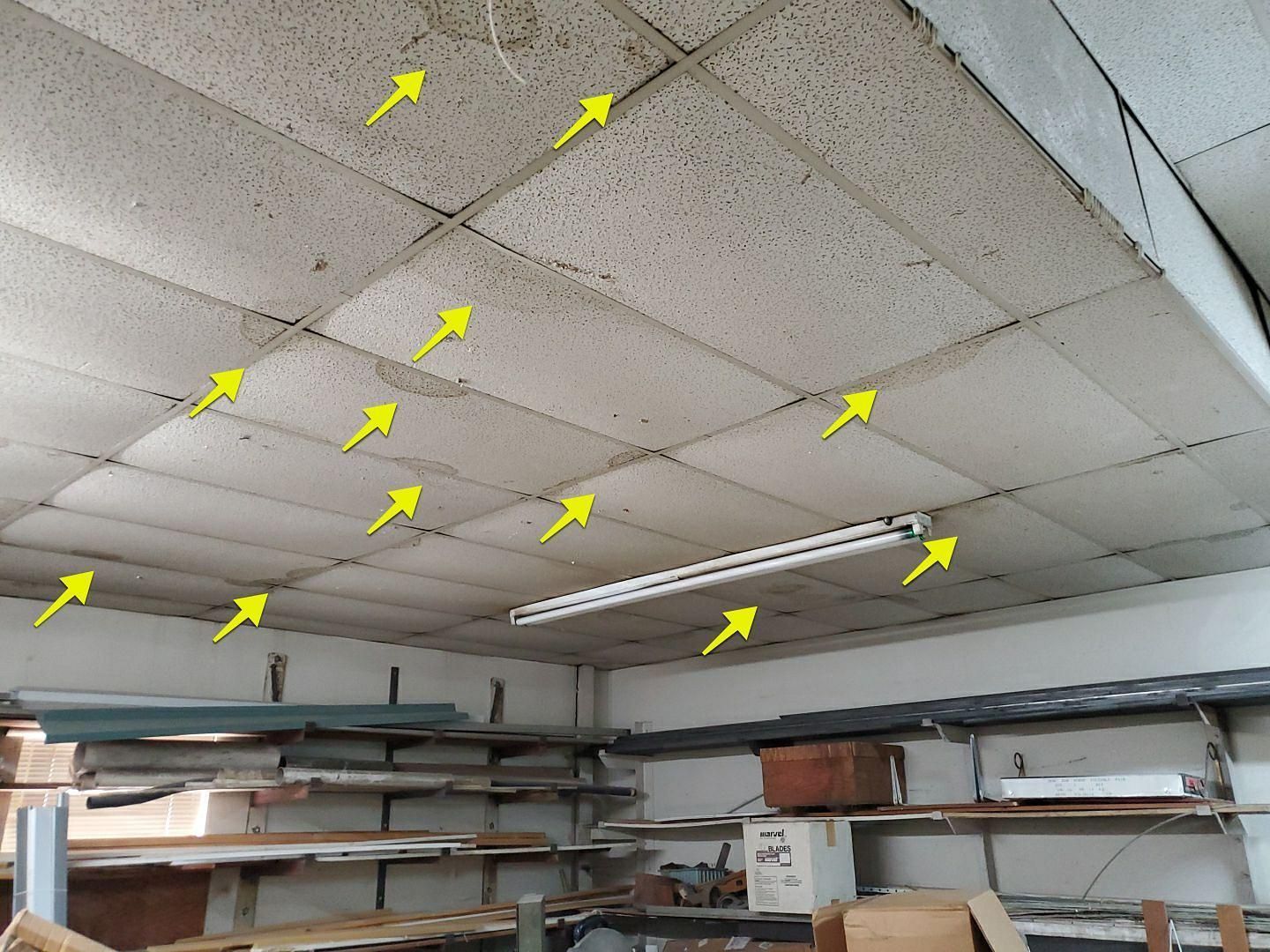
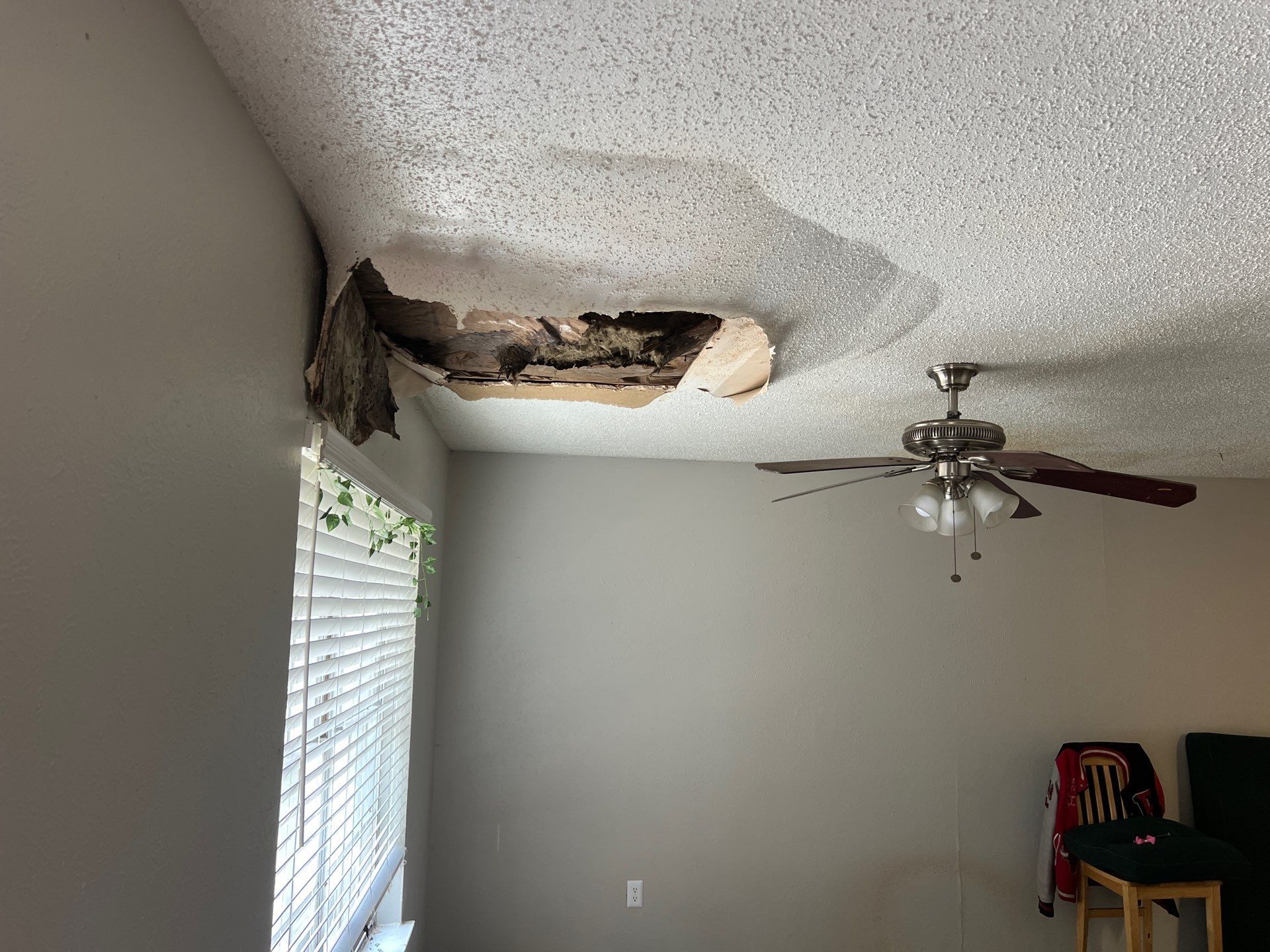
This powerful storm system did more than just bring high winds; it also dropped large, damaging hail. Yes, hail damage can cause leaks in your roof, often in ways that aren't immediately obvious. Checking your attic for water stains or feeling for soft spots on your ceiling after a storm are good first steps. Now, let's look at the specific areas affected and the storm's timeline.
Areas Affected: Springtown, Ft Worth, Arlington, Grand Prairie
The storm's path began in Parker County, with the tornado first making its presence known in Springtown. From there, it moved eastward, impacting communities across the Dallas-Fort Worth metroplex. The system's effects were felt beyond the immediate tornado path, with widespread hail causing property damage in areas like the Runaway Bay area and beyond the city limits of Fort Worth.
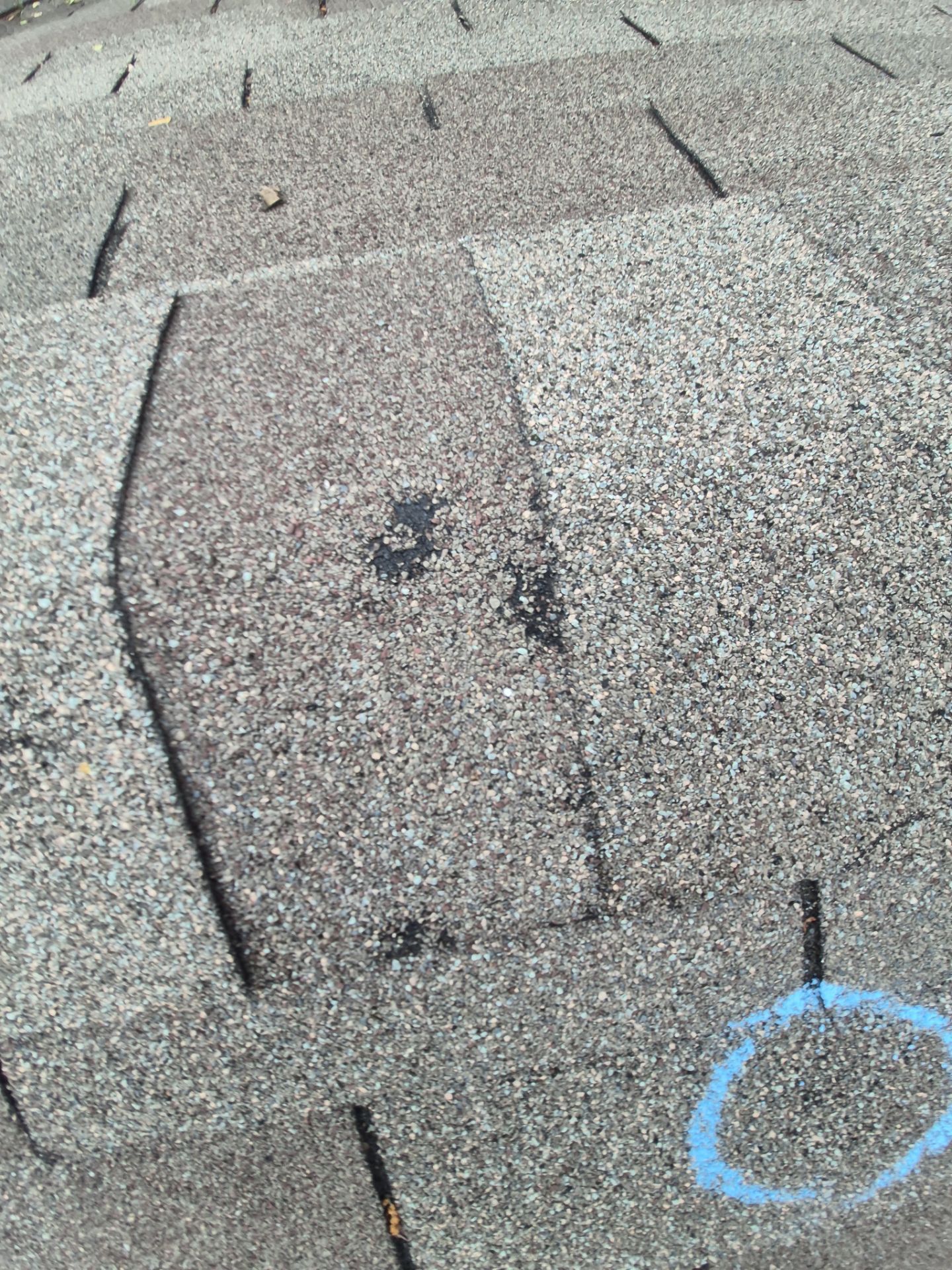
One of the most common signs of hail damage on a roof is missing or displaced granules on your shingles, which can look like dark or bare spots. You should also look for dents on gutters, downspouts, and roof vents, as these are clear indicators of hail impact. Other signs include cracked or split shingles and soft or "bruised" spots on the shingles themselves.
The damage varied depending on the location and the specific weather event experienced. Here is a general breakdown of the impact in key areas:
Area
Primary Impact
Common Damage Types
Springtown
Tornado & Large Hail
Structural damage, downed trees, severe roof damage
Fort Worth / Lake Worth
Tornado & Hail
Roof damage, broken windows, dented siding
Arlington
Hail & High Winds
Granule loss, dented shingles, fence damage
Grand Prairie
Widespread Hail
Significant roof and vehicle damage
Timeline and Intensity of the April 25, 2026 Storm
The severe weather events began unfolding late on Saturday night, April 25, 2026. The National Weather Service had issued warnings as a powerful system moved into the region, but the intensity caught many by surprise. The storm's combination of a destructive tornado and large hail created a complex and damaging scenario for North Texas.
The wind direction played a crucial role in how the hail struck homes, often causing more severe damage on one side of a roof than the other. The tornado carved its path first, followed by waves of hail that continued to pound properties long after the initial tornado threat had passed. This dual threat meant that even homes outside the direct tornado path sustained major damage from the hailstones.
You should inspect your roof for damage as soon as it is safe to do so after a hailstorm, ideally within the first day or two. Prompt inspection helps you identify issues before they lead to leaks or further damage. This quick action is also beneficial when starting an insurance claim.
Types of Roof Damage Caused by Tornadoes and Hail
Tornadoes and hail inflict different types of damage, but both can compromise your roof's integrity. High winds from a tornado can lift and tear off shingles, or even sections of the roof deck itself. The primary concern after such an event is structural damage and immediate water intrusion. Hail, on the other hand, causes damage through direct roof impact, which can be less obvious but just as serious.
This impact can lead to cracks, bruises, and granule loss on shingles. Over time, these seemingly minor issues can allow water to seep underneath, leading to leaks and potentially requiring a full roof replacement. Up close, hail damage on shingles often looks like dark, bruised spots where the protective granules have been knocked off, or small, round dents with sharp edges. Below, we'll examine these specific signs more closely.
Granule Loss, Dented Shingles, and Debris Patterns
When hail strikes your roof, one of the most common results is granule loss. These tiny, sand-like particles protect your shingles from UV rays and the elements. When they are knocked off, you may see bare spots or dark patches on your roof. You might also find a large amount of these granules in your gutters and downspouts, which is a clear sign of hail impact.
Dented shingles are another tell-tale sign. These impact marks might look like small, circular depressions on the shingle's surface. On asphalt shingles, these dents can feel soft or bruised to the touch. This "bruising" weakens the shingle and can lead to cracks and leaks over time, even if the surface isn't broken.
Debris patterns can also indicate the severity and direction of the storm. Look for consistent impact marks across your roof, vents, and gutters. These patterns help show how the hail hit your property. Key signs include:
- Bare spots: Dark patches on shingles where granules are missing.
- Bruising: Soft, dimpled areas that show the shingle was weakened.
- Cracks: Random cracks appearing in the shingle body.
- Dents: Obvious circular marks on metal flashing, vents, and gutters.
Signs of Hail Damage vs. Normal Roof Wear
Distinguishing between hail damage and normal wear can be tricky. Normal wear and tear happens gradually over years. You'll see a general, even loss of protective granules across the entire roof surface. In contrast, hail damage is random and appears as distinct spots or marks. Hail creates sharp, defined impact marks, whereas aging often causes blistering or cracking in more uniform patterns.
Another way to tell the difference is to look at the context of the damage. Hail will not only hit your shingles but also soft metal on your roof, like roof vents and flashing. If you see dents on your vents that correspond with marks on your shingles, you are likely looking at hail damage. Normal wear won't dent metal.
When trying to tell the difference between hail damage and normal roof wear, here are a few things to consider:
- Impact Marks vs. Blisters: Hail leaves dents or bruises, while aging can cause bubbles or blisters to form on shingles.
- Random vs. Uniform Damage: Hail damage appears in random patterns, while normal wear is typically more consistent.
- Metal Damage: Dents on roof vents, flashing, and gutters are strong indicators of hail.
- Granule Loss: Hail causes granule loss in localized, circular spots, while aging leads to more widespread thinning.
How to Identify Hidden Roof Issues After a Storm
After a storm, some roof damage is obvious, but other issues can be hidden. This hidden damage is often what leads to long-term problems like slow roof leaks and interior water damage. Granule loss and small cracks might not seem urgent, but they compromise your roof's ability to protect your home. Regular inspections are key to catching these problems early.
Some roofing materials show damage more easily than others. For example, asphalt shingles will show granule loss and bruising, while metal roofs will have very obvious dents. By knowing what to look for on your specific roof type, you can better identify these hidden issues before they escalate. Let’s explore how different materials are affected and how you can safely inspect them.
Inspecting Roof Materials: Asphalt, Metal, and Composition Shingles
Different types of shingles and roofing materials show hail damage in unique ways. On asphalt shingles, the most common type, you should look for missing granules, bruising, and cracking. These signs indicate that the shingle's protective layer has been compromised, leaving the underlying mat exposed to the elements.
If you have a metal roof, damage is often more visually apparent. Hail will leave clear dents and dings on the surface of the metal panels. While a metal roof is very durable, these impacts can chip the protective coating, which may lead to rust or corrosion over time if not addressed.
Composition shingles react similarly to asphalt, as they are a related material. No matter what kind of roof you have, a thorough inspection is necessary. Key things to check on different materials include:
- Asphalt/Composition Shingles: Look for granule loss, soft bruises, and random cracks.
- Metal Roofs: Check for dents, dings, and any chipping or cracking of the paint finish.
- Wood Shingles: Inspect for splits, cracks, or gouges in the wood.
- Concrete Tiles: Search for shattered or cracked tiles, which are signs of heavy impact.
Safe Homeowner Inspection Tips and Tools
Performing a safe inspection of your roof from the ground is the best first step for any homeowner. Walking on a potentially damaged roof can be dangerous, so it is often best to leave the up-close inspection to a professional. From the ground, you can spot most visible damage without putting yourself at risk.
You don't need many special tools to spot hail damage. A pair of binoculars is your best friend for getting a closer look at your shingles, flashing, and vents from a safe distance. You can also use a camera with a good zoom lens to take pictures, which are helpful for documentation. After your initial look, if you suspect damage, a professional inspection is the next logical step to confirm the extent of the issues.
For a safe and effective initial inspection, keep these tips in mind:
- Use Binoculars: Get a clear view of your roof without climbing a ladder.
- Walk Your Property: Inspect all sides of your home, including gutters, siding, and windows.
- Check Gutters: Look for an accumulation of shingle granules in your gutters and downspout areas.
- Document Everything: Take photos of anything that looks like damage.
Conclusion
In conclusion, the aftermath of the Springtown tornado and hail storm serves as a crucial reminder of the impact severe weather can have on our homes. Understanding the signs of roof damage, such as granule loss and dented shingles, is essential for homeowners in affected areas like Fort Worth and Arlington. By taking proactive measures, including timely inspections and being aware of hidden issues, you can safeguard your property against potential long-term damage. Whether you choose to conduct a thorough inspection yourself or seek professional help, addressing these issues promptly will ensure your home remains safe and sound. Stay vigilant and protect your investment! If you’re uncertain about the extent of the damage, don’t hesitate to schedule a professional inspection today.
Frequently Asked Questions
How soon should you inspect your roof after a hailstorm?
You should perform an inspection as soon as it is safe after the storm, ideally within 24-48 hours. This immediate attention helps you identify any significant damage that could lead to roof leaks. If you suspect any issues, follow up with a professional inspection to get a complete assessment.
Is it safe to inspect a roof for hail damage yourself or should you call a professional?
For a safe inspection, it’s best to examine your roof from the ground. Walking on a roof can be dangerous, especially after it has sustained a roof impact from severe damage. For your safety and for peace of mind, calling a professional for a thorough on-roof inspection is always recommended.
Will hail damage affect your homeowner’s insurance claim process?
Yes, hail damage directly impacts your insurance claim. Most insurance companies cover hail-related property damage, but you must document it thoroughly. Promptly filing a claim and working with experienced roof repair services can help ensure you receive fair compensation for the cost of repairs or a roof replacement.
https://www.history.com/this-day-in-history/hail-kills-english-troops
https://www.nssl.noaa.gov/education/svrwx101/hail/
https://www.spc.noaa.gov/products/outlook/archive/2026/day1otlk_20260425_1200.html