How to Spot Hail Damage on Your Roof: Key Indicators
How to Spot Hail Damage on Your Roof: Key Indicators

Key Highlights
- Visible Damage: Check for dents, cracks, and missing composition shingles on the roof surface.
- Granule Loss: Look for granules collected in gutters and bare spots on asphalt shingles.
- Metal Impacts: Inspect gutters, vents, and flashing for dents caused by hailstones.
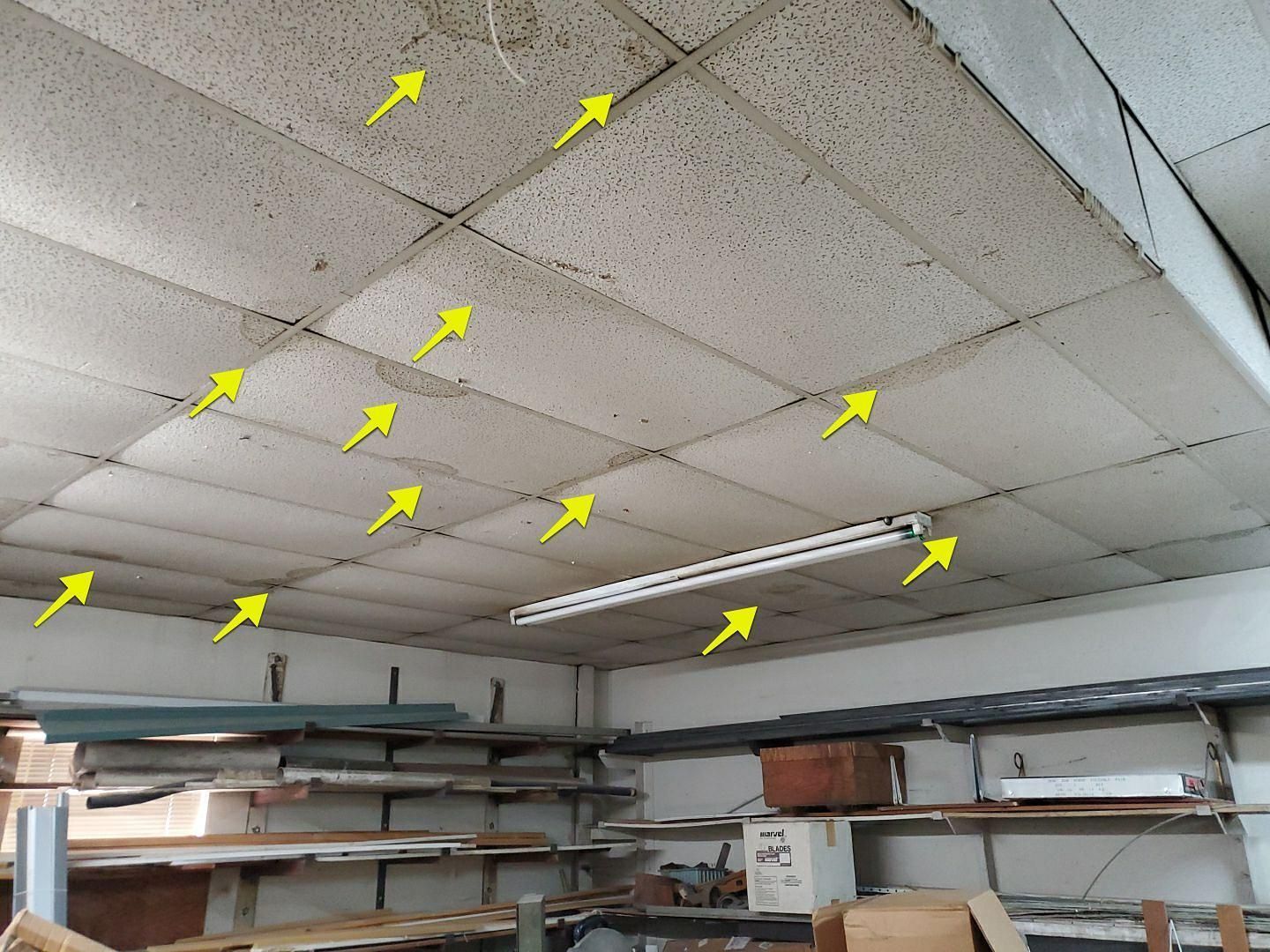
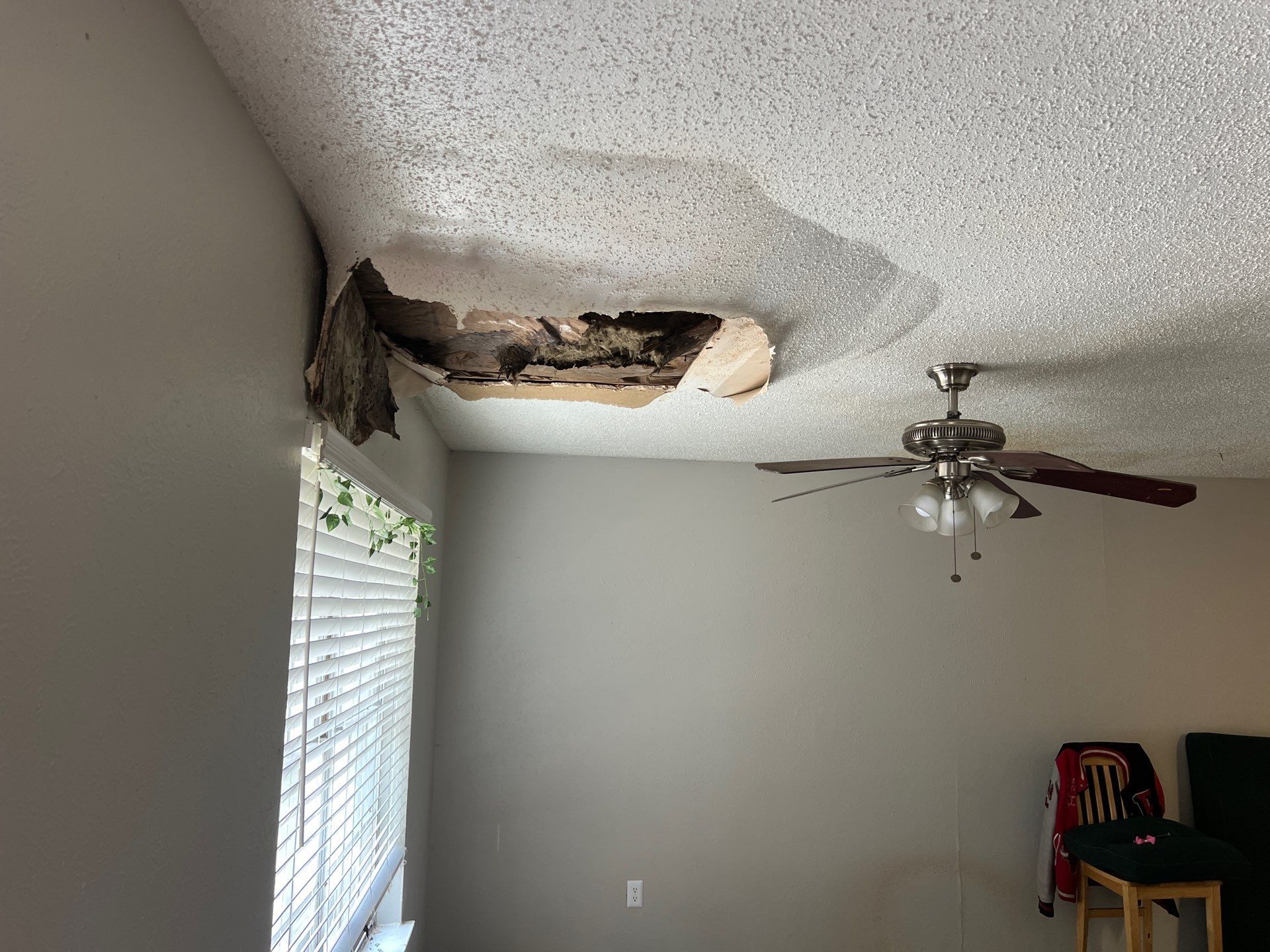
- Water Damage: Look for leaks, stains, or moisture buildup in your attic or ceilings.
- Professional Inspection: Hiring roofing experts ensures thorough identification of damage.
- Insurance Guidance: Promptly assess damage to start your insurance claims process.
Introduction
Hailstorms can cause serious problems for your property, including potential harm to solar panels. They can damage your roof in ways that you might not see right away. It is important to spot the signs of damage quickly. This helps you act fast to prevent more harm and makes it easier to file an insurance claim. You might find granule loss in asphalt shingles or dents in metal roofing after a hailstorm. Knowing how hail storms can affect roofs and solar panels is important for protecting your home and talking to your insurance company. In this guide, we will help you learn how to spot hail damage effectively.
How to Spot Hail Damage on Your Roof
The signs of hail damage to your home can show up in small instances at first. It's important to know what to look for. One early sign is dents on shingles or metal surfaces. These dents may only be seen when you look closely. Another good sign to check is for granules in gutters. If you see these, it could mean the top layer of your shingles has been affected.
You should also check your attic or ceilings for water stains or leaks. These usually come from hailstones that can hurt your roof, and this damage often needs professional repairs soon to prevent further problems.
Identifying Dents & Bruises on Shingles
One of the easiest signs of a hail damaged roof, is seeing dents and bruises on your shingles. High winds and hailstones can leave small dents on your roof, especially on asphalt shingles. These dents often look random since hail hits in an unpredictable way. You can check your roof from the ground or use binoculars to find uneven areas.
Hail can also create soft bruises on shingles, making them weaker over time. Even if the bruises do not break the shingle, they can make it more likely to get water damage. Lightly rub your hand across the shingle surface to feel for any dips or uneven spots. When shingles are damaged, they can't protect the parts beneath them. You should take immediate action if you see asphalt shingles losing their granules or cracking. These small dents can turn into larger issues as moisture builds up under your roof over time.
Spotting Granule Loss & Bare Spots
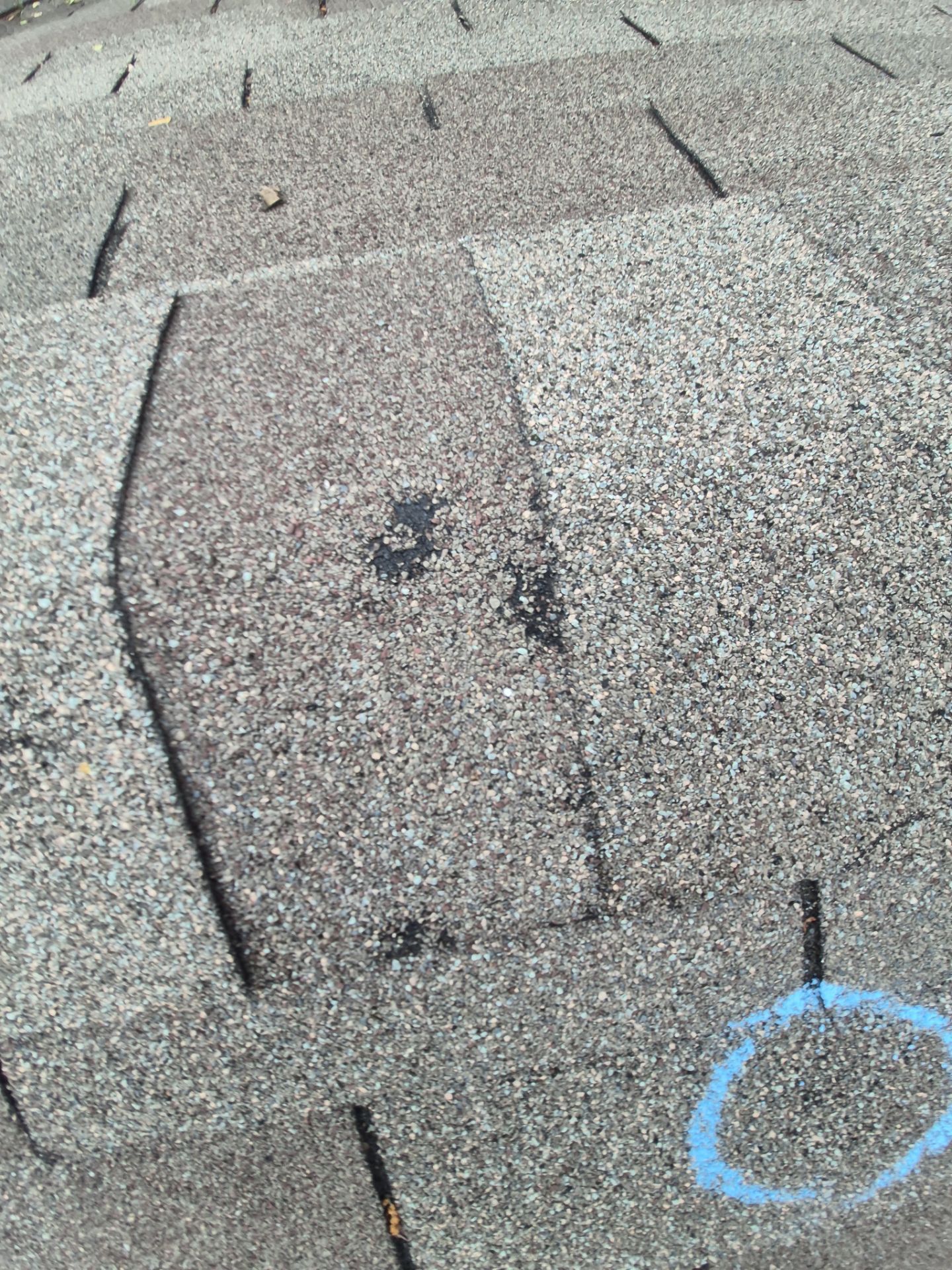
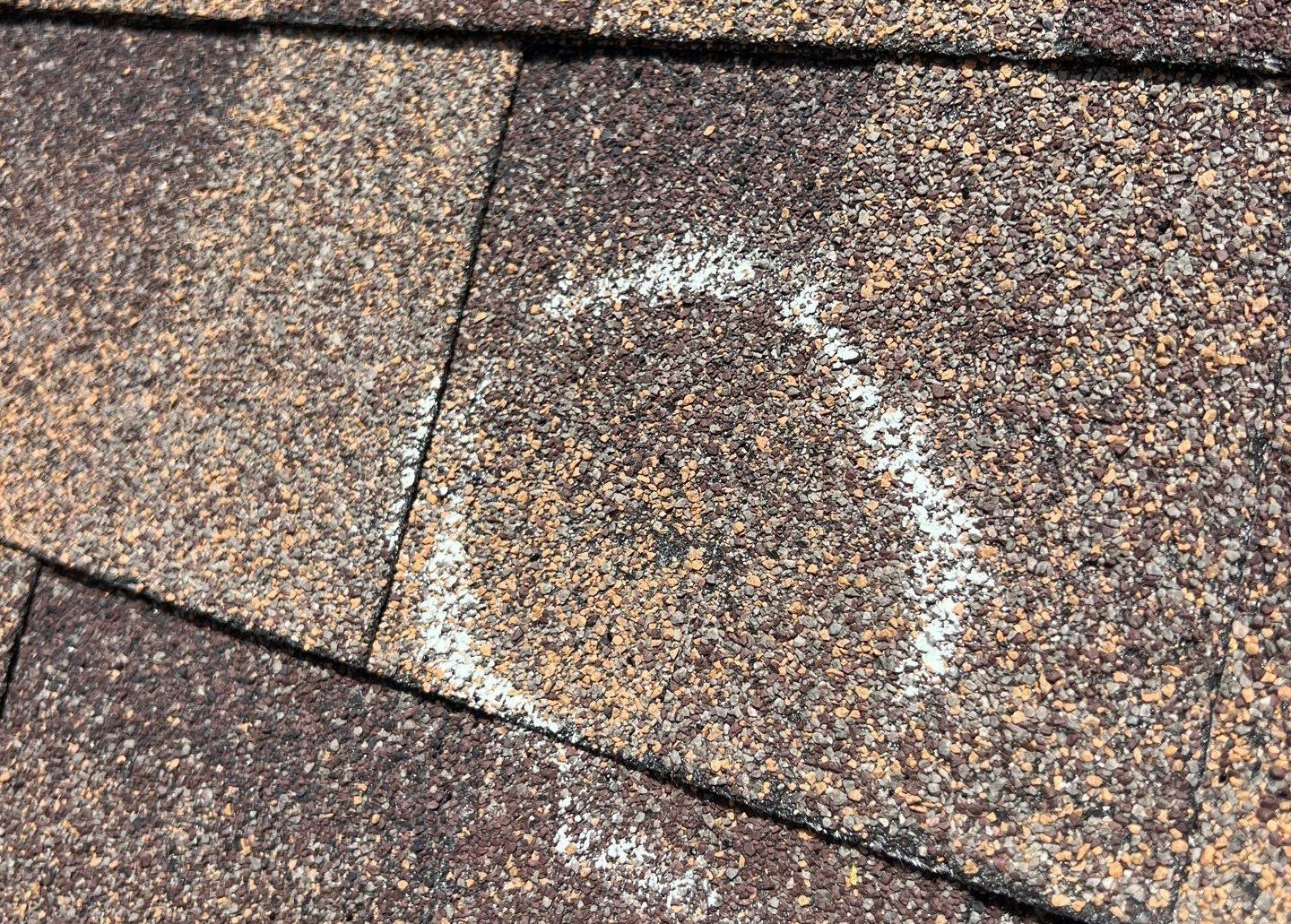
You can identify hail damage to asphalt shingles by looking for granule loss. Granules protect the shingles from UV rays and changing weather. Without these granules, shingles age more quickly. You might find these granules in your gutters or close to downspouts, exposing the roof decking underneath. This often happens when hail hits the roof hard.
If you see bare spots on the shingles where granules are missing, this is serious. These spots expose the asphalt underneath to weather. Over time, this can cause cracks, water leaks, and damage to the roofing material.
Check for places where granules are completely gone due to hail. Granule loss can happen in random spots, so look at different areas of the roof. If you see any shiny asphalt, it means your roof has been harmed. Losing granules from hail storms makes it harder for the roof to shed water, so you should get professional help quickly.
Evaluating Severity of Hail Impacts: Roof Replacement Advice
Understanding how bad hail damage is means looking at different things, like the size of hailstones and how they hit your roof. Bigger stones usually create deeper dents, splits, and holes. Smaller hail can result in granule loss and tiny cracks.
The severity can change based on your roof’s material and age. Older roofs and traditional roofing materials usually get more damage, while a new roof made from newer materials that resist impact may hold up better. Knowing the extent of the damage helps you choose between repairs and replacement.
Assessing the Size & Density of Hailstones
The size and density of hailstones are important in figuring out how much damage they can cause to your roof, especially considering the size of the hail. Small stones, about the size of a pea, might only create minor dents. However, hail the size of a quarter can cause serious granule loss and cracks. If hailstones are bigger than an inch, they can knock off shingles, pierce roofing materials, and cause water leaks.
Other factors, like heavy rain and high winds during the storm, can make hail's type of damage even worse. Hail driven by wind hits the roof at sharper angles and faster speeds, increasing the chances of erosion and making it important to inspect your roof closely afterward. Understanding these factors helps homeowners predict possible repairs or roof replacement costs. For accurate records, take pictures of the hail impacts. Also, talk to professional inspectors for a detailed check based on your roof’s materials and conditions.
Understanding Damage Patterns Relative to Hail Direction
Hail impacts along with wind create different damage patterns on roofs. These patterns are not the same everywhere. The wind can change the path of hailstones, which leads to different angles of impact. For example, the side of a roof facing the wind may have more impact, with grouped hail impacts on shingles and metal surfaces.
Hail hitting the roof can cause sharp dents in wood shingles or even break the seals that hold them together. When wind pushes hail, it can knock shingles loose, leaving smaller gaps. This can lead to water leaks when it rains.
Check metal flashes and vents for dents caused by the hail's direction. These areas can show you how hail hit the roof. Noticing where hail impacts are located based on wind conditions helps you understand the damage better. This way, you can figure out the right steps to fix the roof. Experts can see these patterns and suggest specific repairs.
Common Vulnerabilities of Different Roofing Materials
Different roofing materials can suffer from various types of damage when hit by hail. Asphalt shingles usually lose granules or develop holes, which can lead to serious weather damage. Metal roofs are tougher but can get noticeable dents that affect their look and performance.
Slate and tile roofs may crack if larger hailstones hit them, resulting in significant damage that needs quick repair. By knowing these weak points, homeowners can do better inspections. This understanding helps them make better choices about repairs or replacements over time.
Damage Indicators on Asphalt Shingles
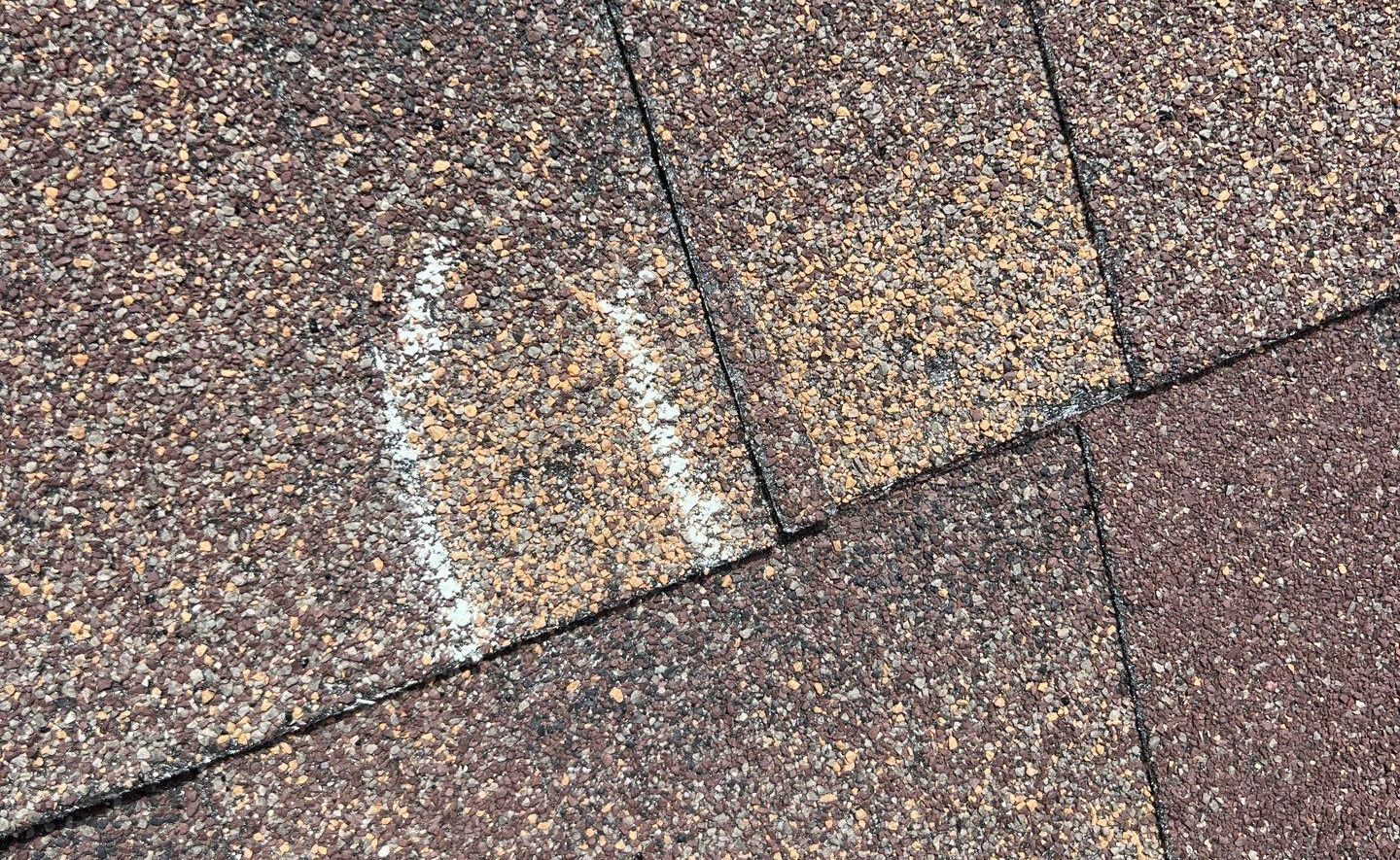
Asphalt shingles are very weak during hailstorms. Large hailstones can knock off the granules, leaving spots without protection against UV rays and moisture. This damage weakens the asphalt layer and lessens its ability to protect. "Black hail hits" look like dark circles where the granules are missing, showing new asphalt underneath. With time, these spots become shiny when sunlight hits them. This shows damage from recent hail.
Hail impacts create random damage that looks different from normal wear and tear. To spot hail hits on your home, look for bruises on the shingles. These bruises can break seals and cause more issues. It's important to find this damage and fix it quickly to keep your roof safe. If asphalt shingles are left unprotected, they can start to leak and wear out faster. Hiring a professional roofing service can help to fix these problems and prevent more issues.
Signs of Hail Impact on Metal Roofs
Metal roofs are usually strong, but hailstorms can cause some issues. The most common sign of hail damage is visible dents on the roof. While these dents may look like just a small problem, getting hit many times can weaken the roof’s ability to resist future impacts. On metal flashing and roof edges, hail damage often shows up as small dimples. Experts can find these less obvious dents by using a piece of chalk to rub over the surface.
Strong winds can change the direction of the hail hits, making the damage from smaller hailstones worse. Even though metal roofs are tough, it's important to check for any areas that might need extra support or easy repairs. After a hailstorm, careful inspections are key to keeping the roof in good shape and preventing water from getting in. Regular upkeep helps maintain the protective quality of metal roofing.
Effects on Slate & Tile Roofing
Slate and tile roofs are strong but can be harmed by large hailstones. If the hailstones are more than one inch wide, they can crack the tiles and increase the risk of leaks. Hard hits could even break slate pieces, causing gaps that may allow water damage. Damage to tile roofs usually happens in small spots, showing that the impact of hail was random.
Slanted roofs may get more damage on the side facing the wind, where hail strikes harder. Property owners should check ridge lines and corners, especially where tiles are glued. A single bad storm can seriously harm slate and tile roofs. A professional inspection can find weak spots early, which helps with repairs before leaks happen or tiles break more. When replacing tiles, it’s important to pick them carefully to match the rest of the roof well.
Checking Your Property for Ancillary Hail Damage
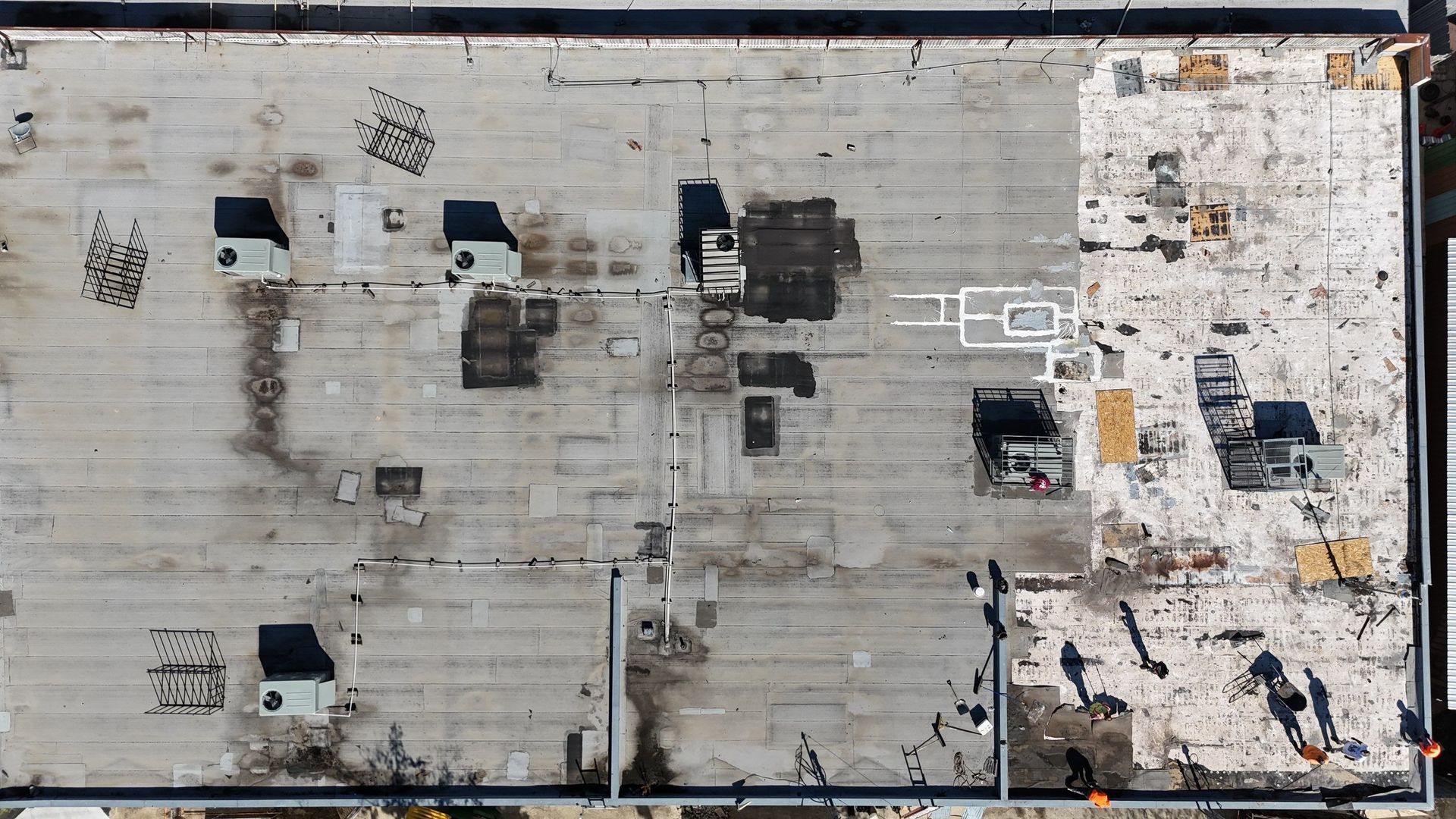
Hailstorms can cause damage in many areas, not just the roof. Metal gutters and sidings can get dents or bend, which can hurt how well they drain. Roof vents might get hit, cutting down how well they let out air. Other outdoor spots, like window sills or air conditioners, can also be damaged by hail. Checking these areas closely can help keep your property safe. Finding issues early can save you money on repairs and stop bigger damage later.
Inspecting Gutters, Vents, & Sidings for Recent Hail Evidence
Metal gutters show clear signs when hail hits them. You will see dents and bent areas. Dents can affect water flow, leading to pooling or leaks. Check roof vents for any cracks; they can affect air circulation. Sidings on homes can also suffer from hail. You might see lighter splatter marks on the siding than the dirt around it. If the hail is heavy, it can chip paint or cause cracks in aluminum and vinyl sidings.
The way damage appears can help figure out the direction of the hail and, in turn, reveal roof damage. Getting a professional inspection is important. It ensures all parts of your home are checked properly. If you spot dents or cracks early, you can stop small issues from turning into big problems that need major repairs later.
Examining Outdoor Units & Window Sills
Air conditioner units often get dents in their condenser coils during hailstorms. This damage can lower how well the system works, raising repair costs and making it less comfortable inside. You should check for damage on the outdoor unit and pipes. Window sills can crack when hit by hail. Caulking can also tear at the edges. Impact marks on window glass or small cracks show that hail has hit. Torn screens and chipped paint add to the overall damage.
After finding problems with your air conditioner or windows, it’s best to fix them as soon as you can. Taking care of repairs early stops hail-damaged items from causing bigger issues later. This can save homeowners time and money.
Conclusion
In conclusion, being quick to notice hail damage on your roof, including any minor roof damage, can save you a lot of time and money later on. By learning the early signs of damage and checking how bad the impacts are, you gain the knowledge to act fast. Don’t forget to look at your roof and other areas like gutters and outdoor units for any hidden damage. If you think there is damage, it’s a good idea to talk to a professional. This will help keep your home safe from the weather. Stay informed, stay ready, and protect your property from possible hail damage!
FAQ
How quickly should I inspect my roof after a hailstorm?
Inspect your roof right after a hailstorm. This is the first step to stop long-lasting damage. The size of hail and wind speed can affect how much damage happens. A quick roof inspection helps you take action faster and cuts future repair costs for next time.
Can small hailstones cause significant damage?
Smaller hailstones can still cause big damage. This depends on how hard they hit and what types of roofing materials are used. Soft materials, like asphalt shingles, can be more easily damaged. If you spot dents or loss of granules early, you can stop bigger problems from happening later.
What are long-term effects of unrepaired hail damage?
Unfixed hail damage can cause serious problems in the long run. This includes water leaks, mold growth, and a weakening of your building's structure. As time goes on, these problems can get worse. This will lead to extensive damage that needs costly repairs. It can also put the safety and strength of your property at risk.
Is it necessary to hire professionals for hail damage inspections?
Hiring professional help is important for a thorough inspection. Professionals provide peace of mind. They can check for extensive damage and record necessary repairs. This makes it easier to work with your insurance provider.