Ensure your home is safe with our essential roof inspection checklist. Discover key steps for a thorough roof inspection tailored for DFW homeowners!

May 26, 2026

Roof Inspection Checklist: Essential Tips for DFW Homes
Essential Roof Inspection Checklist for DFW Homeowners


Key Highlights

  • After a storm, safely inspect your home from the ground for visible storm damage before calling a professional. Documenting damage to your asphalt shingles, gutters, and AC units is crucial for your insurance claim. For guidance, there are helpful photo guides available online that show what roof hail damage looks like, especially on asphalt shingles. These resources can make it easier to accurately identify and record storm damage for your insurance claim.
  • Documenting damage to your asphalt shingles, gutters, and AC units is crucial for your insurance claim.
  • Understanding what adjusters look for, like widespread damage, helps you prepare your claim. Even minor issues with roofing material can lead to a full roof replacement if ignored. Good photos of your house roof are your best evidence when filing for repairs or a roof replacement. If you need high-quality stock images of roof damage, websites like Shutterstock, Adobe Stock, and Getty Images offer a wide selection of professional photos that can help illustrate common problems for claims or presentations.
  • Even minor issues with roofing material can lead to a full roof replacement if ignored.
  • Good photos of your house roof are your best evidence when filing for repairs or a roof replacement.
  • This checklist guides you through identifying damage and preparing for your claim.

Introduction

The wild weather in the Dallas-Fort Worth area can be tough on your home. After a storm with high winds and hail passes through, your first thought might be about your roof. Did the storm cause roof damage? Even small issues with your asphalt shingles can turn into big, expensive problems later. This guide provides a simple checklist to help you safely inspect your property, document any damage you find, and know when it’s time to call in the professionals. To help you identify potential problems, we also include examples of roof damage photos for different types of roofs, such as asphalt shingles, metal roofs, and tile roofing. These images can help you compare what you see on your own roof and better determine if repairs are needed.

Why Roof Inspections Matter After a DFW Storm


Checking your roof after a major storm is one of the most important things you can do as a homeowner. Hidden storm damage can lead to leaks, mold, and high roof repair costs down the line. Spotting the different types of roof damage early helps you protect your home's value and your family's safety.

A thorough inspection is also your first step toward a successful insurance claim. With clear evidence, you can prove the damage happened during a specific event. We'll explore how to protect your wallet and how good documentation can make your claim process much smoother.

Protecting Your Home from Storm Damage Roof Repair Costs

Severe weather in DFW can cause damage that isn't always obvious. You might not see a leak for months after a hailstorm. By then, what could have been a simple fix might turn into a major problem, leading to expensive repair costs or even a full roof replacement. Ignoring small signs of trouble is a gamble you don't want to take.

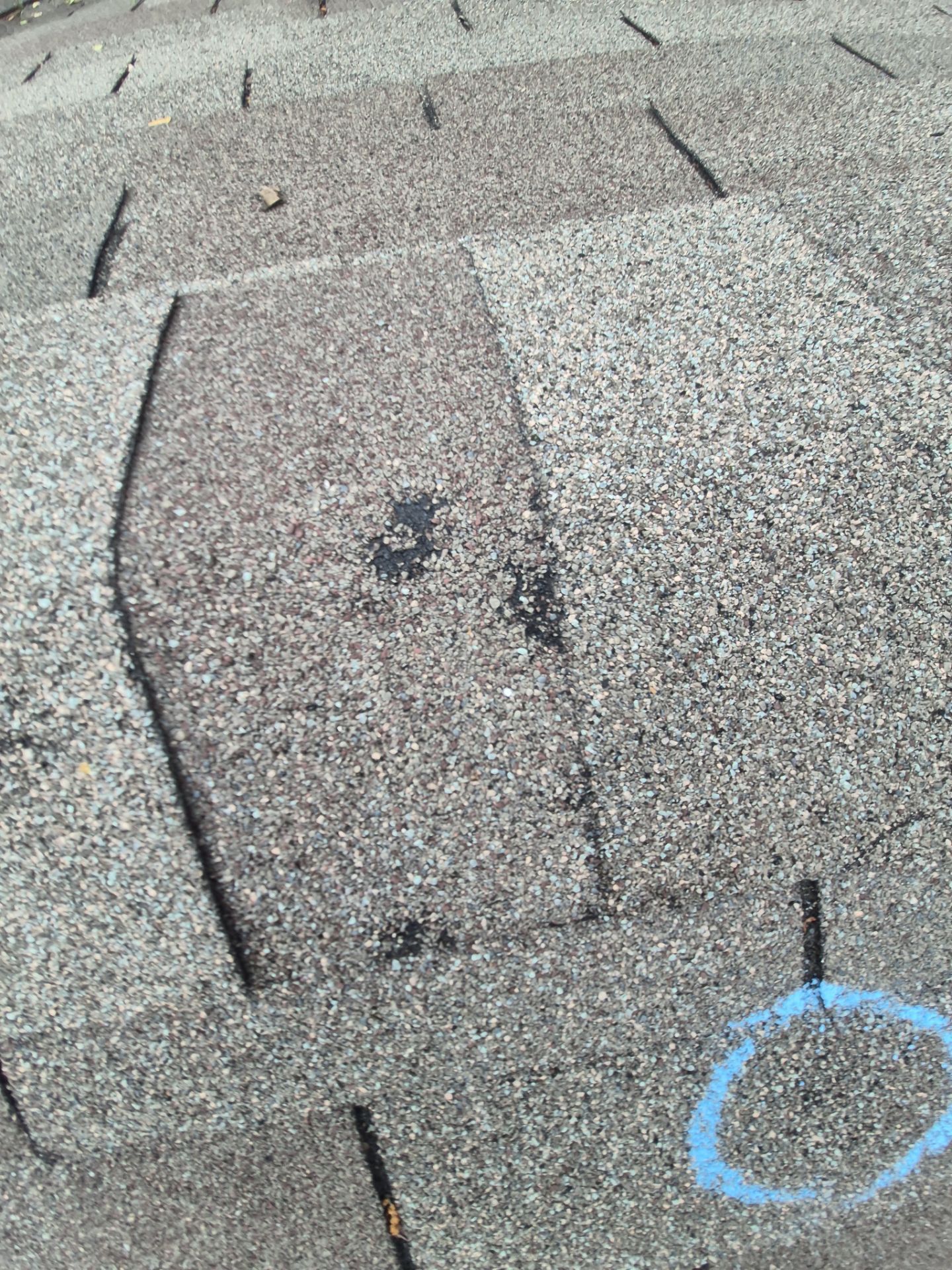
When you look at inspection photos, some common signs of roof damage include dark, bruised spots on shingles, visible cracks, or areas where the sandy granules have been knocked off. These issues weaken your roof’s ability to protect your home from the sun and rain, which speeds up aging and leads to leaks.

Acting quickly protects your investment. Getting a professional inspection helps you understand the full extent of the damage. This allows you to address problems before they escalate, saving you from much larger repair bills and the headache of a premature roof replacement. A timely insurance claim can cover these necessary repairs, protecting your finances.

Supporting Your Insurance Claim with Proper Documentation

Your insurance company needs proof to approve your claim. Clear documentation that connects the roof damage to a specific storm is your most powerful tool. Without it, you might face delays or even a denial. Insurance policies often have deadlines for filing, so gathering evidence quickly is key.

When taking photos for an insurance claim, make sure they are clear and show the damage in context. Take pictures from multiple angles and include a reference object, like a coin, to show the size of hail dents. Detailed, well-lit photos make it easy for the insurance adjuster to see the problem.

Strong documentation strengthens your position and helps ensure you get the compensation you deserve. It creates a clear record of the damage before any repairs begin. Maintain a file with:

  • Dated photos of all damaged areas
  • Notes on the date and time of the storm
  • A copy of a professional roofer's inspection report

Safety First: What DFW Homeowners Can Inspect from the Ground


Your safety is the top priority. Never climb on your roof, especially after a storm when the roof surface can be slippery and unstable. You can spot many types of roof damage safely from the ground. What may look like minor issues at first glance can often point to bigger problems.

This initial check helps you decide if you need to call a professional. Look for obvious signs of trouble from different points in your yard. We'll cover what visible roof damage looks like and how you can use a simple checklist to guide your inspection safely.

Identifying Visible Roof Damage After Storms

After a major storm, some damage is easy to spot from your yard. The most obvious sign of wind damage is missing shingles. Look for spots on your roof that are a different color, which could be the underlayment showing through. This is a clear signal that your roof's first line of defense is compromised.

You might also notice loose granules, which look like black sand, in your gutters or on the ground near your downspouts. While it may seem like minor damage, this loss of texture exposes the shingle to UV rays, causing it to break down faster. In pictures, hail damage on a roof often appears as dark, round spots or bruises where granules have been knocked off.

Even if the damage seems small, it can lead to serious issues. Here’s what to look for:

  • Shingles that are cracked, curled, or torn.
  • Dents or dings on your metal gutters and downspouts.
  • Pieces of shingles or roofing material in your yard.

Using the Roof Inspection Checklist Safely

A ground-level roof inspection is a smart first step, and using a checklist ensures you don’t miss anything. Your primary concern should always be safety. Stay on the ground and use binoculars to get a closer look at the roof surface and the edges of your roof. Never use a ladder in wet or windy conditions.

You can create a simple visual checklist for your inspection. Start by walking around the entire perimeter of your home. Look up at all sections of the roof, paying close attention to slopes, valleys, and areas around chimneys or vents. Take pictures of anything that looks out of place, like lifted shingles or dented flashing.

Documenting what you see provides valuable information for a professional roofer. Note any damaged areas in your yard, such as siding marks or broken fences, as this helps build a complete picture of the storm's impact. This methodical approach helps you gather evidence without putting yourself at risk.

Key Areas to Document for Your Roof Claim Photos


When preparing a roof claim, your photos are your proof. Focus on documenting all types of roof damage, no matter how small. Clear images of damaged roof shingles, gutters, and vents will be crucial for your insurance claim. These pictures help an adjuster understand the extent of the damage without having to guess.

Don't forget that damage isn't always on the roof itself. Signs of impact on other parts of your property can support your claim that a storm was severe enough to cause problems. We'll detail the specific areas you should photograph to build a strong case for water damage and other issues.

Roof Shingles and Granule Loss Indicators

Your asphalt shingles are designed to protect your home, but hail can compromise them easily. Hail damage often looks like dark, round bruises or "bald spots" on the shingles where the protective granules have been knocked off. These granules are essential for shielding the shingle from harmful UV rays.

Without this layer, the shingle material can become brittle and crack, leading to leaks. Finding loose granules in your gutters or on the ground is a clear sign of impact. Another indicator is missing shingles, which leave your roof's underlayment exposed to the elements.

When taking photos, focus on these key indicators:

  • Dark, circular spots or dents on the shingles.
  • Areas where the shingle surface feels soft or spongy to the touch (a professional can check this).
  • Cracks or splits in the shingles, which create a direct path for water.

Gutters and Downspouts: Signs of Impact or Dents

Your gutters and downspouts are often the easiest places to spot evidence of a hailstorm. Since they are made of thin metal, they show dents from hail impact very clearly. Take a walk around your house and carefully inspect all your gutters and downspouts for new dings or scratches.

These dents serve as powerful proof for your insurance claim. If your gutters are dented, it's highly likely your roof sustained damage as well, even if it's not visible from the ground. Be sure to take photos of any dents you find, as an adjuster will consider this "collateral damage."

Damaged gutters can also lead to drainage problems. If they are bent or knocked out of alignment, they can't direct water away from your home's foundation properly. This can cause a host of other issues, so it's important to document and repair this damage promptly. Examples of roof damage photos for different roof types often include shots of dented gutters to establish the presence of hail.

Vents, Flashing, and Roof Penetrations: Visual Damage Clues

Anything that sticks out from your roof is a target during a hailstorm. This includes vents, flashing, skylights, and chimneys. These roof penetrations are common spots for visual damage that can lead to leaks. Check the soft metal flashing around these areas for dents and tears.

Plastic vents can crack or shatter from hail impact, while metal vents will show dings. Pictures of damaged vents are excellent proof for an insurance claim because they are easy to see and photograph. A damaged seal around a pipe or vent is a subtle but serious issue that creates an entry point for water.

Even if you have a durable metal roof, the vents and flashing are often more vulnerable. Make sure to photograph any visual damage you find on these components. This evidence helps demonstrate the severity of the storm and supports the need for a thorough professional inspection to check for hidden leaks.

Extending Your Inspection: Additional Exterior Damage

A storm that damages your roof likely damaged other parts of your property, too. Documenting this additional exterior damage helps prove the storm's intensity to your insurance company. Widespread damage can strengthen your case that a full roof replacement, rather than a small repair, is necessary.

Look for signs of severe damage on everything from your air conditioner to your fence. This collateral damage tells a story and provides context for your roof claim. Below, we'll cover other key areas to check and photograph as part of your post-storm inspection.

AC Units and External Appliances: Surface Checks for Dents

Your outdoor AC unit is a great indicator of hail. The thin metal fins on the top and sides of the condenser are easily dented by hailstones. After a storm, perform a surface check of your unit. Any new dents or dings are strong evidence of hail.

While high-quality stock images of roof damage are available online, photos of your own property are what your insurance company needs. Photograph any dents on your AC unit, as this helps an adjuster verify the size and intensity of the hail that hit your home. This is especially helpful if your roof damage is less obvious, as with some types of metal roofing.

Damage to the fins can also restrict airflow, making your AC unit less efficient and increasing your energy bills. Documenting this damage is important not only for your roof claim but also for a potential claim on your AC unit itself. It’s another piece of the puzzle that confirms a significant weather event occurred.

Fences, Yard, and Landscaping: Evidence of Storm Impact

Your yard can tell you a lot about the storm's impact. High winds can break tree limbs, which may have fallen on your roof or around your property. Damage to fences, decks, and landscaping provides additional evidence of the storm's severity.

Look for paint chipped off your deck or fence, especially on darker colored surfaces where fresh marks are more visible. Dents in a metal mailbox or tears in window screens also serve as proof. These signs help show that the storm was powerful enough to cause the roof damage you're claiming.

Treat your yard like a crime scene and photograph everything that looks out of place. This helps build a comprehensive file for your insurance claim. Key things to look for include:

  • Broken or fallen tree limbs.
  • Dents or cracks in vinyl or wood siding.
  • Damage to patio furniture, sheds, or other yard structures.

Indoor Signs of Hail and Wind Damage

Sometimes, the first sign of hail damage or wind damage appears inside your home. After a storm, it’s a good idea to check your ceilings and attic for signs of water damage. Small leaks can travel a long way, and where you see a stain might not be directly under the source of the leak.

Dark ceiling stains, peeling paint, or new wall cracks are red flags that water is getting in. Documenting these indoor issues is just as important as photographing the exterior damage. We'll explain what to look for and when to take pictures of these critical warning signs.

Spotting Ceiling Stains and Leaks After a Storm

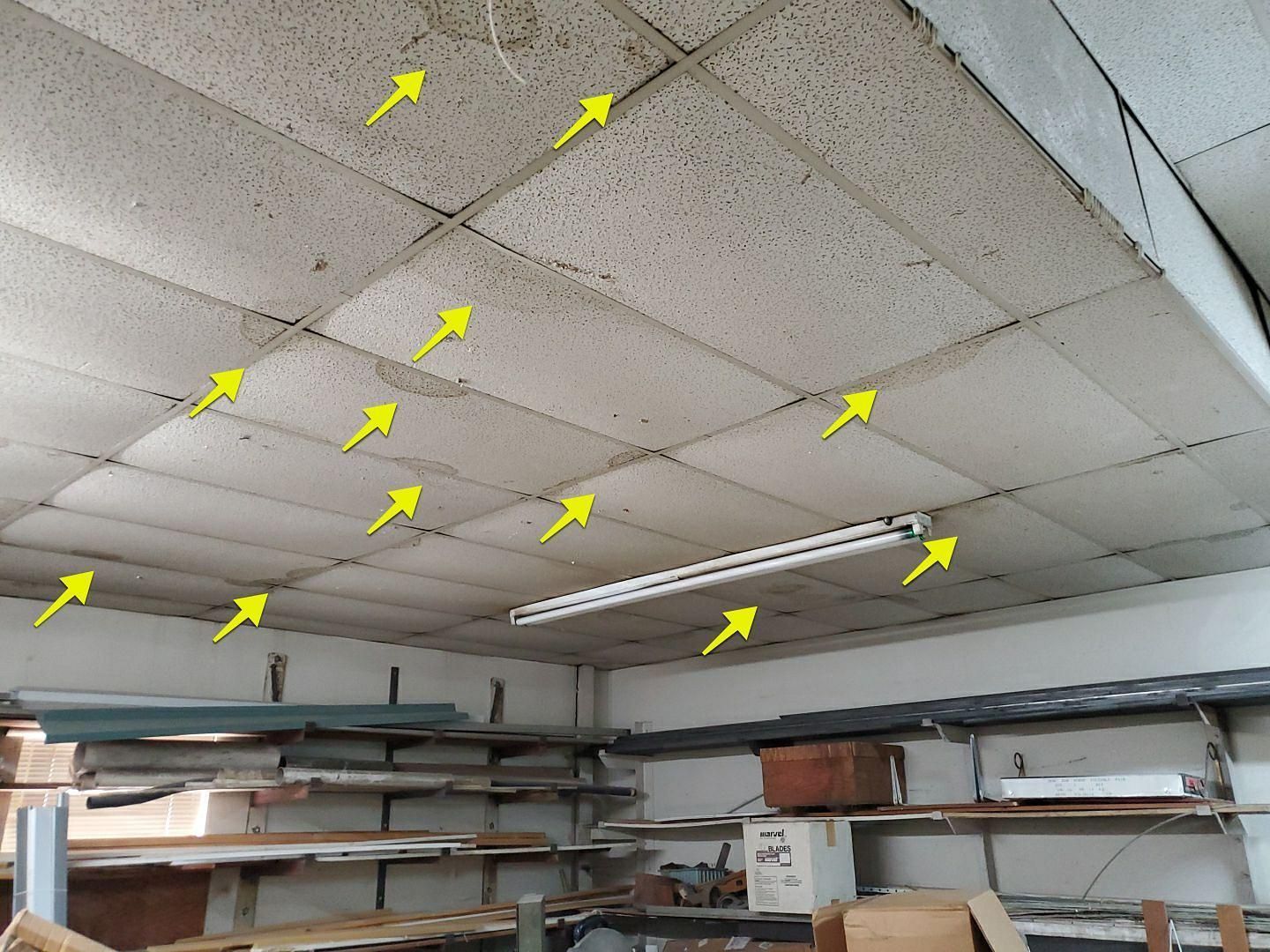
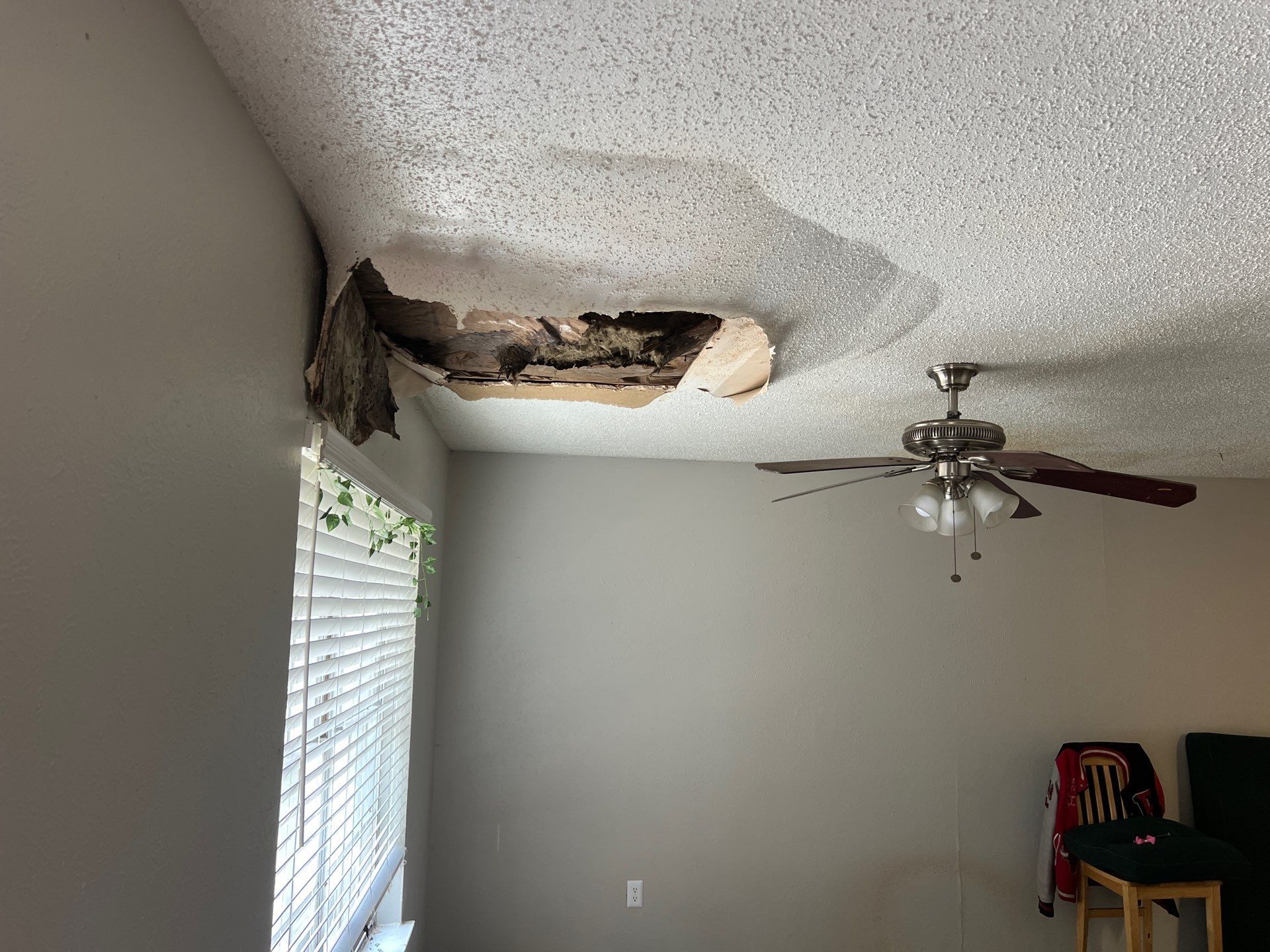
One of the most concerning signs of roof damage is a new stain on your ceiling. Water damage often appears as yellowish or brownish circles that grow over time. If you notice drips, especially during or after it rains, you have an active leak that needs immediate attention.

To take useful photos, capture the entire stain to show its size and location in the room. If possible, use a flashlight to check your attic space directly above the stain. Look for damp insulation, dark spots on the wood decking, or visible drips. Photos of wetness in the attic are powerful evidence for your claim.

Don’t ignore small ceiling stains or minor leaks. They are warnings of a bigger problem with your roof's integrity. Over time, this moisture can lead to mold growth and rot in your home’s structure, resulting in much more expensive repairs. Documenting these issues right away is essential for a successful claim.

Wall Cracks and Water Intrusion: When to Document

Water intrusion doesn't always show up as a clear drip. Sometimes, it can cause subtle wall cracks or make paint bubble and peel. During your indoor inspection after a storm, pay close attention to the areas where walls meet the ceiling, especially in rooms on the top floor.

Even minor impacts on your roof can allow water to seep in, which can cause drywall to swell and crack. If you see new cracks, no matter how small, it’s time to document them. These can be a sign of water getting into your wall framing. If you see this, you should call a roofer for a professional roof estimate to determine the source of the leak.

Photograph these signs of severe damage immediately. When documenting, remember to:

  • Take wide shots to show the crack's location on the wall.
  • Take close-up shots to show the width and length of the crack.
  • Note if the area around the crack feels damp or soft.

Taking Effective Roof Damage Photos for Claims

High-quality roof damage photos are the cornerstone of a strong insurance claim. Your pictures should tell a clear and convincing story of what happened to your home. The goal is to make it easy for an insurance adjuster to see the damage to your roof shingles and roof surface without any ambiguity.

When you take these photos, think like an investigator. Capture the damage from different angles and provide context whenever possible. We'll give you some practical tips and examples to help you take photos that your insurance company will accept and understand.

Practical Tips for Capturing Clear Roof Claim Photos

To capture clear claim photos, good lighting is essential. Overcast days are often better than bright, sunny days, as direct sunlight can create glare and shadows that hide damage. If taking pictures of hail dents, chalking the impacts can make them stand out, which is a technique professionals often use.

It's also a good idea to provide a sense of scale. Place a familiar object, like a coin or a ruler, next to the damage. This helps the adjuster understand the size of the hail or the severity of a crack. Take photos from multiple distances—a close-up of the damage, a medium shot showing the surrounding area, and a wide shot showing the section of the roof.

After events with high winds or hail, documenting everything is key to getting a full replacement approved. Here are a few tips:

  • Date-stamp your photos to create a clear timeline.
  • Take more photos than you think you need.
  • Label your photos by location (e.g., "front slope," "dented gutter by garage").

Accepted Angles and Photo Examples for Insurance Companies

Insurance companies prefer photos that are straightforward and clearly illustrate the problem. When photographing different types of roof damage, using accepted angles can make your claim easier to process. For example, photos of shingles should be taken looking straight down at the roof, not from a sharp angle, to show granule loss or cracks accurately.

For dents on metal surfaces like gutters or flashing, take photos from a slight angle to let the light catch the indentation. Your photo examples should be organized and labeled to tell a coherent story of the storm's impact on your entire property, not just the roof.

Here is a simple guide for what to capture:

Area of Damage

What to Photograph

Best Angle

Shingles

Missing shingles, cracks, bruises, "bald spots"

Straight down and from a low angle

Gutters/Vents

Dents, cracks, misalignments

Slight angle to show depth of dents

Siding/Fences

Chips, cracks, holes

Straight on with a scale object

Interior

Ceiling stains, wall cracks, water drips

Wide shot for location, close-up for detail

Conclusion

In conclusion, conducting a thorough roof inspection after a storm is essential for safeguarding your home and ensuring a successful insurance claim. By documenting key areas like roof shingles, gutters, and any visible damage from the ground, you can provide valuable evidence to support your claim. Don't overlook the interior signs of damage, such as ceiling stains or wall cracks, as these can also indicate storm impact. Taking well-angled photographs can make a significant difference in how your claim is perceived. Remember, being proactive and well-prepared can lead to smoother repair processes and peace of mind. If you're unsure about your home's condition or need help navigating the claims process, don't hesitate to reach out for assistance.

Frequently Asked Questions

What does hail damage look like on a roof?

Hail damage on asphalt shingles often appears as dark, round bruises or "bald spots" where the protective granules have been knocked off the roof surface. For a house roof, this is the most obvious sign. On a metal roof surface, it will look like dents of varying sizes.

How do I take roof damage photos for an insurance claim?

For your insurance claim, take clear, well-lit claim photos of the roof damage. Capture damaged roof shingles from multiple angles, use a coin for scale, and date-stamp your images. Documenting collateral damage to gutters, AC units, and fences will also strengthen your roof claim.

When should I call a roofer for a professional roof estimate?

You should call for a professional roof estimate immediately after a storm if you see any types of roof damage, even if it looks like minor damage. A roofer can assess for severe damage that isn’t visible from the ground and determine if repairs or a roof replacement is needed.
By 7064529413 May 22, 2026
Discover the pros and cons of metal roofing compared to asphalt shingles in our 2026 comparison guide. Make an informed choice for your home!
By 7064529413 May 15, 2026
Discover the different insurance adjuster types Texas and how they impact your roof claim. Get the insights you need to navigate the claims process effectively.
By 7064529413 May 11, 2026
Discover the key signs roof needs replacement, even if it isn’t leaking yet. Protect your home by learning when it’s time for a new roof.
By 7064529413 May 7, 2026
Discover why your roof insurance claim denied may be more common than you think. Our 2026 guide explores reasons and solutions for Texas homeowners.
By 7064529413 May 4, 2026
How to Choose Hail Resistant Shingles Texas for Your Roof Key Highlights Investing in hail-resistant shingles offers superior protection against Texas's frequent and severe weather. Class 4 shingles provide the highest level of impact resistance, tested to withstand significant hail impact. Upgrading your roof can lead to substantial insurance discounts, offsetting the initial investment. Popular options include durable asphalt shingles, metal roofing, and advanced composite materials. Choosing the right material and a certified contractor is crucial for long-term performance and peace of mind. New products, like TAMKO's Hail Guard shingles, come with warranties covering up to 3-inch hail. Introduction Living in Texas, you know that spring and summer can bring some intense weather. Hailstorms are a frequent concern for homeowners in areas like Fort Worth and Southlake, capable of causing significant damage to your property. Choosing the right roofing system is your first line of defense. This guide will help you understand the benefits of upgrading to shingles with high hail resistance, protecting your home from severe weather, and potentially saving you money on repairs and insurance in the long run. Understanding Hail Resistant Shingles in Texas When it comes to protecting your home from the elements, not all roofing products are created equal. Hail resistant shingles are specifically engineered to withstand the force of severe weather events. These shingles are designed with enhanced impact resistance to minimize damage from hailstones. For homeowners in hail-prone areas like North Richland Hills and Colleyville, upgrading to these advanced roofing products is a smart move. They provide an extra layer of security, reducing the likelihood of costly repairs and giving you confidence that your home is well-protected. Let's explore why hailstorms are such a big issue in Texas and the kind of damage they can cause. Why Hailstorms Are a Major Concern for Texas Homeowners Texas weather is known for its intensity, and hailstorms are a prime example. The state is located in what is often called "Hail Alley," an area that experiences frequent and severe storms capable of producing large hailstones. These storms can cause widespread storm damage, leading to a surge in repairs and insurance claim filings across communities. For homeowners, this means a new roof project might be an unexpected reality. The unpredictability of these storms makes it crucial to have a roof that can stand up to the challenge. How do Class 4 impact-resistant shingles perform during Texas hailstorms? They are specifically designed to endure these conditions. Tested to withstand impacts from 2-inch steel balls, they offer a level of protection that standard shingles simply can't match, significantly reducing the risk of damage from even intense hail events. This superior performance is why so many Texans are considering upgrades. A strong roof is more than just shelter; it's a critical defense against the financial and emotional stress that comes with storm damage. Common Types of Roof Damage Caused by Hail Hail can wreak havoc on a roof, and the damage isn't always immediately obvious. Standard shingles are particularly vulnerable to the blunt force of hailstones, which can compromise the entire roofing system. The most common issue is granule loss, where the protective top layer of the shingle is knocked away, exposing the asphalt beneath to the elements. This exposure accelerates wear and tear, but the damage can be more severe. A powerful hailstorm can cause: Cracks and fractures in the shingles Bruising or "dents" that weaken the material Damage to the underlying roof deck Compromised seals, leading to leaks and potential structural damage So, how can I tell if my current shingles are hail resistant or not? After a storm, look for these signs. If you see significant granule loss in your gutters or noticeable dents on the shingle surfaces, you likely have standard shingles. Hail-resistant shingles are designed to prevent this type of storm damage. Importance of Upgrading to Impact Resistant Shingles Upgrading to shingles with a high impact resistance rating is one of the smartest investments a Texas homeowner can make. These shingles provide extra protection that goes far beyond what standard materials offer, giving you invaluable peace of mind during storm season. The roofing industry has developed these products specifically for regions that face severe weather. Many insurance companies recognize the value of this upgrade. By installing shingles with the highest rating (Class 4), you significantly reduce the risk of filing a claim, which can lead to lower annual premiums. This financial incentive makes the initial investment in better materials much more palatable. Are there building codes in Texas that require impact-resistant shingles in hail-prone areas? While not universally mandated across the state, some municipalities or specific developments are beginning to adopt stricter codes that require or recommend them. It's always best to check local regulations, but regardless of code, the practical benefits make them a wise choice for any Texas home. What Makes a Shingle Hail Resistant The secret to a shingle's hail resistance lies in its construction. These specialized roofing products are engineered with advanced materials and manufacturing techniques to absorb and deflect the energy from hail impacts. This is what earns them a high impact rating, differentiating them from standard roofing. A shingle's ability to resist hail is a key part of a robust roofing system. It's not just about the surface material but also how it's reinforced and how flexible it is under stress. We'll look at the specific features, testing methods, and materials that contribute to this superior durability. Key Features of Impact Resistant Shingles What are the best hail resistant shingles available in Texas for protecting my roof? The answer lies in looking for shingles with specific, engineered features designed for durability. These advanced materials provide a level of performance that standard shingles can't match, giving you peace of mind during storm season. The key to their strength is a combination of flexibility and resilience. These shingles are made to bend and absorb impact rather than crack or shatter. This is achieved through several key components working together. Polymer-Modified Asphalt: A rubberizing polymer is blended into the asphalt, making it more flexible and able to absorb force. Reinforced Matting: A tough fiberglass or polyester mat acts as a strong backbone, preventing splitting and tearing. Superior Granule Adhesion: Advanced adhesives keep the protective granules in place, even after an impact. High Wind Resistance: These shingles often feature aggressive sealant strips to prevent wind uplift, providing a complete storm-proof system. Together, these features create a shingle that offers superior impact resistance and stands up to the severe weather common in Texas. How Class 4 Roofing Shingles Are Tested and Rated The term "Class 4" isn't just a marketing slogan; it's a specific certification earned through a rigorous testing process. The industry standard is the UL 2218 impact test, developed by Underwriters Laboratories. This rating system provides a clear, objective measure of a shingle's ability to withstand blunt force. The test is straightforward but brutal. How do Class 4 impact-resistant shingles perform during Texas hailstorms? The test mimics this by dropping steel balls of different sizes from specific heights onto the shingle. To earn a Class 4 rating, the highest impact rating possible, a shingle must withstand being hit by a 2-inch steel ball dropped from 20 feet, without cracking or fracturing. This steel ball test simulates the kinetic energy of very large hail, proving that Class 4 shingles can handle the worst-case scenarios that Texas weather can dish out. Shingle Class Steel Ball Size (Diameter) Level of Protection Class 1 1.25 inches Basic impact resistance Class 2 1.50 inches Moderate impact resistance Class 3 1.75 inches Good impact resistance, handles golf-ball-sized hail Class 4 2.00 inches Highest impact resistance, built for severe storms The Role of Material Composition in Hail Resistance The material a shingle is made from plays the most critical role in its ability to resist hail. Traditional asphalt shingles are susceptible to granule loss and cracking under impact. However, advanced materials have changed the game, offering far superior protection. Impact-resistant asphalt shingles are modified with a rubberizing polymer, like SBS (styrene-butadiene-styrene), which gives them flexibility. This allows the shingle to absorb the force of a hailstone and bounce back, rather than shattering. How do metal roofs compare to asphalt shingles for hail resistance in Texas? A metal roof offers excellent protection against penetration; while a large hailstone might leave a cosmetic dent, the roof's integrity will remain intact. Other composite options are also available, engineered from robust polymer resins. These advanced materials are designed to be extremely durable, often mimicking the look of natural slate or wood but with a built-in Class 4 rating. This variety of materials allows homeowners to choose the best balance of performance, aesthetics, and budget for their needs. Popular Hail Resistant Shingle Brands and Products With the growing demand for durable roofing products, many manufacturers in the roofing industry now offer excellent hail-resistant options. These shingles are designed to protect homes in storm-prone areas, giving you a range of choices in both style and performance. From advanced asphalt shingles to innovative composite materials, there are several leading brands to consider. These products not only provide superior protection but also offer great aesthetics to enhance your home's curb appeal. Let's look at a few popular choices, including a new standout from TAMKO and other trusted names. TAMKO Hail Guard Shingles and Their 3-Inch Hail Warranty When considering specific brands, TAMKO has recently introduced a game-changer with its Hail Guard shingles. These shingles are engineered to withstand significant hail impact, making them an excellent choice for homeowners concerned about severe weather. What sets them apart is their impressive warranty. Are there specific shingle brands recommended for hail resistance in Texas? TAMKO is certainly one to consider, especially with its new offering. The Hail Guard shingles come with a groundbreaking 3-inch hail warranty. This is a significant step up in protection, as most top-tier warranties cover hail up to two inches. This level of coverage provides an unmatched sense of security for homeowners in the most hail-prone regions of Texas. This robust warranty demonstrates TAMKO's confidence in their product's ability to perform under extreme conditions. For homeowners and insurance companies alike, this kind of guaranteed protection against such large hail makes these shingles a highly attractive option. Other Leading Class 4 Roofing Shingle Brands Beyond TAMKO, several other reputable brands offer high-quality Class 4 shingles that provide a significant upgrade over standard architectural shingles. These brands have a long-standing reputation for performance and are widely available in Texas. What are the best hail resistant shingles available in Texas for protecting my roof? It often comes down to brands that combine durability with aesthetics. Leading manufacturers like Owens Corning, GAF, and CertainTeed all have product lines specifically designed for impact resistance. These shingles not only meet the rigorous Class 4 standards but also come in a wide variety of colors and styles, ensuring you don't have to sacrifice curb appeal for protection. Some popular options to look for include: Owens Corning TruDefinition® DURATION FLEX®: Known for its patented SureNail Technology and flexible SBS polymer construction. GAF ArmourShield™ II: Offers excellent impact resistance and is designed for high performance. CertainTeed NorthGate®: A climate-flex shingle that remains flexible in cold weather and resists cracking. These brands provide reliable solutions for homeowners looking to fortify their homes against hail. Comparing Asphalt, Metal, and Composite Options When choosing a hail-resistant roof, you're not limited to just one material. Asphalt, metal, and composite shingles each offer a unique combination of impact resistance, cost, and longevity. Understanding these differences can help you make the best decision for your home. Impact-resistant asphalt shingles are a popular and cost-effective choice. Metal roofing provides exceptional durability and lifespan, though it comes with a higher upfront cost. Composite shingles offer the best of both worlds: elite performance and high-end aesthetics that mimic natural materials like slate or wood. How do metal roofs compare to asphalt shingles for hail resistance in Texas? Metal excels at preventing penetration, while impact-resistant asphalt uses flexibility to absorb force. Each material has its place, depending on your budget and priorities. This table breaks down the key characteristics to help you compare. Feature Impact-Resistant Asphalt Metal Roofing Composite Shingles Durability Good; flexible to absorb impact Excellent; resists penetration, may dent Superior; shatter-proof and highly durable Lifespan 25-30 years 50+ years 50+ years Upfront Cost Moderate High Very High Aesthetics Traditional shingle look Modern or rustic panel look Mimics slate or wood shake Pros and Cons of Installing Hail Resistant Shingles Deciding to upgrade your roofing system to one with high hail resistance is a big decision. There are significant advantages, especially in a state like Texas, but there are also factors to consider before you commit. In the long run, the benefits often outweigh the drawbacks. The primary pros include enhanced protection, longevity, and potential savings on insurance premiums. However, the higher initial cost is a notable con. Weighing these aspects will help you determine if installing hail-resistant shingles is the right move for your home and budget. Benefits for Texas Weather and Roof Longevity What are the pros and cons of installing hail resistant shingles on a Texas home? Let's start with the pros, which are particularly compelling given the local climate. The primary benefit is superior protection against severe weather. These shingles are engineered to withstand the high winds and hailstorms that are a regular part of life in Texas. This enhanced durability directly contributes to roof longevity. A roof that can successfully fend off hail damage will last much longer than a standard roof that needs frequent repairs or premature replacement. This means fewer headaches and expenses for you over the years. The key benefits include: Reduced Storm Damage: Significantly lowers the risk of cracks, granule loss, and leaks. Longer Lifespan: Extends the life of your roof, delaying costly replacements. Protection from High Winds: Many impact-resistant shingles also have high wind-resistance ratings. Peace of Mind: Knowing your home has extra protection provides invaluable comfort during storm season. Potential Drawbacks and Cost Considerations While the benefits are clear, it's important to consider the potential drawbacks. The most significant factor for most homeowners is the higher upfront cost. Impact-resistant shingles are more expensive than standard shingles due to the advanced materials and manufacturing processes involved. How much more do hail resistant shingles cost compared to regular shingles in Texas? Generally, you can expect to pay 10-25% more for Class 4 shingles compared to traditional asphalt shingles. This initial investment can be a hurdle for those on a tight budget. For a typical roofing project, this could mean an additional expense of several thousand dollars. It's essential to view this as a long-term investment. While the upfront cost is higher, the savings on repairs, deductibles, and potentially insurance can offset this difference over the life of the roof. However, for some, the immediate financial outlay may be the deciding factor. Impact on Home Value and Insurance Premiums An upgraded roof does more than just protect your home; it can also be a significant financial asset. Installing hail-resistant shingles can increase your home's resale value. In a storm-prone area like Texas, a durable, low-maintenance roof is a major selling point for potential buyers. It enhances curb appeal and signals that the home is well-maintained and prepared for the local climate. Will replacing my roof with hail resistant shingles reduce my homeowners insurance in Texas? Yes, it very likely will. Many insurance companies offer substantial premium discounts to homeowners who install Class 4 rated shingles. These insurance discounts can range from 5% to 35% annually. Insurers offer these incentives because a stronger roof means a lower risk of them having to pay out a costly claim. To secure these premium discounts, you'll need to provide your insurance company with documentation proving the installation of qualified materials by a certified contractor. Beginner’s Guide: How to Choose Hail Resistant Shingles for Your Texas Roof Choosing the right shingles for your Texas home can feel overwhelming, but a systematic approach makes it much easier. The goal is to select a roofing system that fits your budget, meets local building codes, and provides the best possible protection for your property. Before you start looking at shingle samples, it's important to do some homework. This involves getting a professional roof inspection, understanding your budget, and familiarizing yourself with any local requirements. This initial prep work will ensure you make an informed and confident decision. What You’ll Need to Get Started (Budget, Roof Inspection, Local Codes) Before diving into material choices, you need to lay the groundwork. The first step is to establish a clear budget. Knowing how much you can comfortably spend will help narrow down your options from the start. Remember to factor in not just materials but also labor costs. Next, schedule a professional roof inspection. A qualified contractor can assess the current condition of your roof's structural integrity, identify any existing damage, and determine if your home is a good candidate for certain heavier materials. What shingle materials hold up best to frequent hail in Texas? The best options are those with a Class 4 impact rating, such as SBS-modified asphalt, metal, or composite shingles. Finally, check your local building codes. Some municipalities in Texas have specific requirements for roofing materials, especially in new construction or areas with a history of severe storms. Establish a realistic budget. Get a professional roof inspection. Research local building codes and HOA rules. Think about your long-term goals for the property. Step-by-Step Guide/Process Once you have your initial information gathered, you can move forward with a clear plan. This step-by-step process will guide you from research to installation, ensuring you get the best possible roofing system for your needs. The goal is to choose a new roof that offers excellent impact resistance against severe weather. What are the best hail resistant shingles available in Texas for protecting my roof? The answer involves more than just picking a brand. It's about understanding ratings, comparing warranties, and hiring the right professionals to do the job. Class 4 shingles are the gold standard for protection, but they must be installed correctly to perform as intended. This guide will walk you through assessing your current roof, researching your options, comparing costs, and ultimately hiring a contractor you can trust. Following these steps will help you invest in a durable and reliable roof. Step 1: Assess Your Roof’s Current Condition The first practical step is to get a clear picture of your current roof's health. A professional roof inspection is essential here. A contractor can identify issues that aren't visible from the ground, such as subtle storm damage, hidden leaks, or problems with the underlying roof deck. How can I tell if my current shingles are hail resistant or not? An inspector can help determine this by examining the shingle type and looking for signs of wear. If your current roof has significant granule loss, cracking, or bruising after storms, it's likely made of standard materials. The inspector will check for any structural damage that needs to be addressed before a new roof can be installed. This assessment provides a crucial baseline. It tells you whether you need a simple re-roof or more extensive repairs to the roof deck, which will impact the overall cost and timeline of your project. Step 2: Research Shingle Materials and Ratings Now it's time to explore your options. Focus your research on materials known for their durability in Texas weather. What shingle materials hold up best to frequent hail in Texas? Look for Class 4 rated asphalt shingles, metal roofing, or composite shingles. These materials have proven their worth against severe storms. Pay close attention to the impact rating. As we've discussed, the Class 4 rating is the gold standard, indicating the shingle passed a test involving steel balls of different sizes. Also, consider the fire rating. A Class A fire rating offers the highest level of protection against fire, which is another important consideration for any home. Don't just look at durability. Compare the aesthetics, lifespan, and maintenance requirements of each material. This research will help you find a product that not only protects your home but also matches your style and long-term goals. Step 3: Compare Costs and Warranties With your research in hand, the next step is to look at the numbers. Gather quotes from several reputable contractors for the roofing products you're considering. These quotes should break down the cost per square foot for both materials and labor. Don't just focus on the upfront cost; consider the long-term value. A crucial part of this step is comparing the warranty offered with each product. Look for warranties that cover not just manufacturing defects but also specific perils like hail and high winds. A strong warranty is a sign of a manufacturer's confidence in their product. The new TAMKO 3-inch hail warranty is a great example of this. How much more do hail resistant shingles cost compared to regular shingles in Texas? While the initial price is higher, remember to factor in potential insurance discounts. Ask your insurance agent what kind of savings you can expect with different Class 4 roofing products to get a full financial picture. Step 4: Hire a Certified Roofing Contractor Even the best shingles will fail if they're not installed correctly. This makes hiring a qualified and certified roofing contractor arguably the most important step in the process. A certified installer has been trained by the manufacturer to install their specific roofing system according to precise specifications. Are there specific shingle brands recommended for hail resistance in Texas? Yes, and a certified contractor will be familiar with the best options for your area and how to install them properly. This expertise is critical for ensuring your warranty remains valid and your roof performs as expected during severe weather. They can also help you with the documentation needed for insurance companies. Look for a local, reputable roofing contractor with proof of insurance, good reviews, and manufacturer certifications. Investing in a quality installation is investing in the long-term performance of your roof and your own peace of mind. Conclusion In conclusion, choosing hail-resistant shingles is a crucial decision for homeowners in Texas, especially given the frequent hailstorms the region faces. By understanding the key features and benefits of impact-resistant shingles, you can make an informed choice that enhances your roof's durability and longevity. Brands like TAMKO Hail Guard offer impressive warranties, providing peace of mind as you invest in protection for your home. Remember to assess your current roof condition, research material options, and consult with certified roofing contractors to ensure you're making the best choice for your needs. If you're ready to take the next step in safeguarding your home, consider scheduling a free consultation to learn more about the best roofing solutions available for your property. Frequently Asked Questions How Can I Identify If My Current Shingles Are Hail Resistant? Check your roofing paperwork for any mention of an impact rating or Class 4 designation. If you don't have this, a professional roofer can often identify hail-resistant roof shingles by their thickness and flexibility compared to standard shingles. You can also contact your insurance company, as they may have records from a previous inspection. Will Class 4 Roofing Shingles Reduce My Homeowners Insurance in Texas? Yes, in most cases. Insurance companies in Texas often provide significant premium discounts for homes with certified Class 4 shingles because they greatly reduce the risk of hail damage claims. Contact your provider to inquire about their specific discounts and documentation requirements to enjoy lower insurance premiums and greater peace of mind. Are Building Codes in Texas Requiring Impact Resistant Shingles? While there is no statewide mandate, some municipalities in highly hail-prone areas of Texas are adopting stricter building codes that may require or strongly recommend impact resistant shingles, especially for new construction. It's always best to check with your local building department for the most current regulations in your specific area. How Much More Do Hail Resistant Shingles Cost Compared to Regular Shingles? The upfront cost for hail resistant shingles is typically 10-25% higher than for traditional asphalt shingles. This translates to about $1-$2 more per square foot for materials. While the initial investment is greater, the long-term savings on repairs and insurance often make it a cost-effective choice. https://ibhs.org/hail/shingle-performance-ratings/ https://www.tdi.texas.gov/company/roofing-discounts.html https://www.tamko.com/ https://www.malarkeyroofing.com/products/shingles-overview/ https://www.spc.noaa.gov/climo/online/monthly/2022_annual_summary.html https://www.owenscorning.com/roofing/shingles/
By 7064529413 May 1, 2026
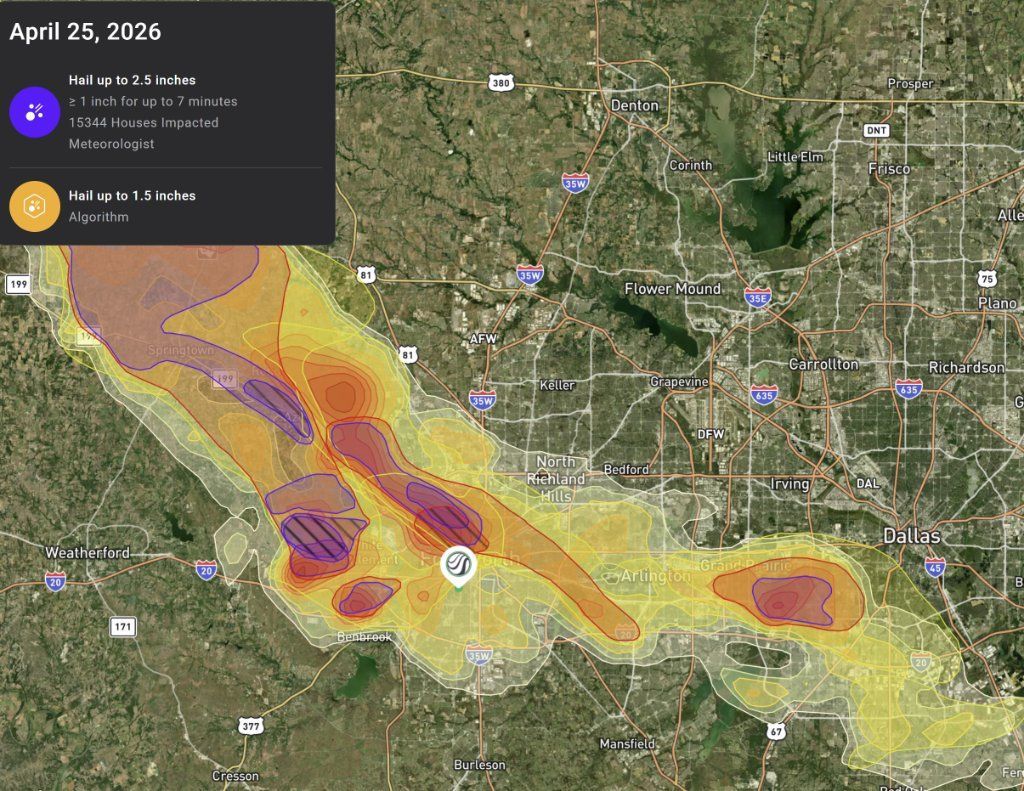
Springtown Tornado and Hail Storm in Ft Worth: Damage Insights Key Highlights A powerful storm system brought a tornado and hail through the Fort Worth area, causing significant damage. The hail impact led to widespread property damage, especially to roofs. Homeowners need to look for hidden issues like granule loss and dented shingles. Understanding the storm's path helps identify areas with the most severe weather damage. This blog explains how to spot damage and when to call for roof repair services. A disaster declaration was issued for affected areas to help residents recover. Introduction On April 25, 2026, a massive storm system unleashed the Springtown Tornado and a severe hail storm across the Fort Worth area. This severe weather event left a trail of destruction, impacting homes and businesses from Springtown to Grand Prairie. If you live in one of the affected communities, you might be wondering about the condition of your roof. This guide will help you understand the storm's impact, identify potential roof damage, and know what steps to take next to protect your home. Path and Impact of the Springtown Tornado and Hail Storm The tornado first touched down in Springtown, bringing high wind speed and causing severe damage before tracking east. It moved across the city limits of several communities, leaving many property owners to deal with the aftermath. Downed power lines and debris were common sights, and the American Red Cross responded to provide aid. A disaster declaration was soon made to assist with recovery efforts. This powerful storm system did more than just bring high winds; it also dropped large, damaging hail. Yes, hail damage can cause leaks in your roof, often in ways that aren't immediately obvious. Checking your attic for water stains or feeling for soft spots on your ceiling after a storm are good first steps. Now, let's look at the specific areas affected and the storm's timeline. Areas Affected: Springtown, Ft Worth, Arlington, Grand Prairie The storm's path began in Parker County, with the tornado first making its presence known in Springtown. From there, it moved eastward, impacting communities across the Dallas-Fort Worth metroplex. The system's effects were felt beyond the immediate tornado path, with widespread hail causing property damage in areas like the Runaway Bay area and beyond the city limits of Fort Worth. One of the most common signs of hail damage on a roof is missing or displaced granules on your shingles, which can look like dark or bare spots. You should also look for dents on gutters, downspouts, and roof vents, as these are clear indicators of hail impact. Other signs include cracked or split shingles and soft or "bruised" spots on the shingles themselves. The damage varied depending on the location and the specific weather event experienced. Here is a general breakdown of the impact in key areas: Area Primary Impact Common Damage Types Springtown Tornado & Large Hail Structural damage, downed trees, severe roof damage Fort Worth / Lake Worth Tornado & Hail Roof damage, broken windows, dented siding Arlington Hail & High Winds Granule loss, dented shingles, fence damage Grand Prairie Widespread Hail Significant roof and vehicle damage Timeline and Intensity of the April 25, 2026 Storm The severe weather events began unfolding late on Saturday night, April 25, 2026. The National Weather Service had issued warnings as a powerful system moved into the region, but the intensity caught many by surprise. The storm's combination of a destructive tornado and large hail created a complex and damaging scenario for North Texas. The wind direction played a crucial role in how the hail struck homes, often causing more severe damage on one side of a roof than the other. The tornado carved its path first, followed by waves of hail that continued to pound properties long after the initial tornado threat had passed. This dual threat meant that even homes outside the direct tornado path sustained major damage from the hailstones. You should inspect your roof for damage as soon as it is safe to do so after a hailstorm, ideally within the first day or two. Prompt inspection helps you identify issues before they lead to leaks or further damage. This quick action is also beneficial when starting an insurance claim. Types of Roof Damage Caused by Tornadoes and Hail Tornadoes and hail inflict different types of damage, but both can compromise your roof's integrity. High winds from a tornado can lift and tear off shingles, or even sections of the roof deck itself. The primary concern after such an event is structural damage and immediate water intrusion. Hail, on the other hand, causes damage through direct roof impact, which can be less obvious but just as serious. This impact can lead to cracks, bruises, and granule loss on shingles. Over time, these seemingly minor issues can allow water to seep underneath, leading to leaks and potentially requiring a full roof replacement. Up close, hail damage on shingles often looks like dark, bruised spots where the protective granules have been knocked off, or small, round dents with sharp edges. Below, we'll examine these specific signs more closely. Granule Loss, Dented Shingles, and Debris Patterns When hail strikes your roof, one of the most common results is granule loss. These tiny, sand-like particles protect your shingles from UV rays and the elements. When they are knocked off, you may see bare spots or dark patches on your roof. You might also find a large amount of these granules in your gutters and downspouts, which is a clear sign of hail impact. Dented shingles are another tell-tale sign. These impact marks might look like small, circular depressions on the shingle's surface. On asphalt shingles, these dents can feel soft or bruised to the touch. This "bruising" weakens the shingle and can lead to cracks and leaks over time, even if the surface isn't broken. Debris patterns can also indicate the severity and direction of the storm. Look for consistent impact marks across your roof, vents, and gutters. These patterns help show how the hail hit your property. Key signs include: Bare spots: Dark patches on shingles where granules are missing. Bruising: Soft, dimpled areas that show the shingle was weakened. Cracks: Random cracks appearing in the shingle body. Dents: Obvious circular marks on metal flashing, vents, and gutters. Signs of Hail Damage vs. Normal Roof Wear Distinguishing between hail damage and normal wear can be tricky. Normal wear and tear happens gradually over years. You'll see a general, even loss of protective granules across the entire roof surface. In contrast, hail damage is random and appears as distinct spots or marks. Hail creates sharp, defined impact marks, whereas aging often causes blistering or cracking in more uniform patterns. Another way to tell the difference is to look at the context of the damage. Hail will not only hit your shingles but also soft metal on your roof, like roof vents and flashing. If you see dents on your vents that correspond with marks on your shingles, you are likely looking at hail damage. Normal wear won't dent metal. When trying to tell the difference between hail damage and normal roof wear, here are a few things to consider: Impact Marks vs. Blisters: Hail leaves dents or bruises, while aging can cause bubbles or blisters to form on shingles. Random vs. Uniform Damage: Hail damage appears in random patterns, while normal wear is typically more consistent. Metal Damage: Dents on roof vents, flashing, and gutters are strong indicators of hail. Granule Loss: Hail causes granule loss in localized, circular spots, while aging leads to more widespread thinning. How to Identify Hidden Roof Issues After a Storm After a storm, some roof damage is obvious, but other issues can be hidden. This hidden damage is often what leads to long-term problems like slow roof leaks and interior water damage. Granule loss and small cracks might not seem urgent, but they compromise your roof's ability to protect your home. Regular inspections are key to catching these problems early. Some roofing materials show damage more easily than others. For example, asphalt shingles will show granule loss and bruising, while metal roofs will have very obvious dents. By knowing what to look for on your specific roof type, you can better identify these hidden issues before they escalate. Let’s explore how different materials are affected and how you can safely inspect them. Inspecting Roof Materials: Asphalt, Metal, and Composition Shingles Different types of shingles and roofing materials show hail damage in unique ways. On asphalt shingles, the most common type, you should look for missing granules, bruising, and cracking. These signs indicate that the shingle's protective layer has been compromised, leaving the underlying mat exposed to the elements. If you have a metal roof, damage is often more visually apparent. Hail will leave clear dents and dings on the surface of the metal panels. While a metal roof is very durable, these impacts can chip the protective coating, which may lead to rust or corrosion over time if not addressed. Composition shingles react similarly to asphalt, as they are a related material. No matter what kind of roof you have, a thorough inspection is necessary. Key things to check on different materials include: Asphalt/Composition Shingles: Look for granule loss, soft bruises, and random cracks. Metal Roofs: Check for dents, dings, and any chipping or cracking of the paint finish. Wood Shingles: Inspect for splits, cracks, or gouges in the wood. Concrete Tiles: Search for shattered or cracked tiles, which are signs of heavy impact. Safe Homeowner Inspection Tips and Tools Performing a safe inspection of your roof from the ground is the best first step for any homeowner. Walking on a potentially damaged roof can be dangerous, so it is often best to leave the up-close inspection to a professional. From the ground, you can spot most visible damage without putting yourself at risk. You don't need many special tools to spot hail damage. A pair of binoculars is your best friend for getting a closer look at your shingles, flashing, and vents from a safe distance. You can also use a camera with a good zoom lens to take pictures, which are helpful for documentation. After your initial look, if you suspect damage, a professional inspection is the next logical step to confirm the extent of the issues. For a safe and effective initial inspection, keep these tips in mind: Use Binoculars: Get a clear view of your roof without climbing a ladder. Walk Your Property: Inspect all sides of your home, including gutters, siding, and windows. Check Gutters: Look for an accumulation of shingle granules in your gutters and downspout areas. Document Everything: Take photos of anything that looks like damage. Conclusion In conclusion, the aftermath of the Springtown tornado and hail storm serves as a crucial reminder of the impact severe weather can have on our homes. Understanding the signs of roof damage, such as granule loss and dented shingles, is essential for homeowners in affected areas like Fort Worth and Arlington. By taking proactive measures, including timely inspections and being aware of hidden issues, you can safeguard your property against potential long-term damage. Whether you choose to conduct a thorough inspection yourself or seek professional help, addressing these issues promptly will ensure your home remains safe and sound. Stay vigilant and protect your investment! If you’re uncertain about the extent of the damage, don’t hesitate to schedule a professional inspection today. Frequently Asked Questions How soon should you inspect your roof after a hailstorm? You should perform an inspection as soon as it is safe after the storm, ideally within 24-48 hours. This immediate attention helps you identify any significant damage that could lead to roof leaks. If you suspect any issues, follow up with a professional inspection to get a complete assessment. Is it safe to inspect a roof for hail damage yourself or should you call a professional? For a safe inspection, it’s best to examine your roof from the ground. Walking on a roof can be dangerous, especially after it has sustained a roof impact from severe damage. For your safety and for peace of mind, calling a professional for a thorough on-roof inspection is always recommended. Will hail damage affect your homeowner’s insurance claim process? Yes, hail damage directly impacts your insurance claim. Most insurance companies cover hail-related property damage, but you must document it thoroughly. Promptly filing a claim and working with experienced roof repair services can help ensure you receive fair compensation for the cost of repairs or a roof replacement. https://www.history.com/this-day-in-history/hail-kills-english-troops https://www.nssl.noaa.gov/education/svrwx101/hail/ https://www.spc.noaa.gov/products/outlook/archive/2026/day1otlk_20260425_1200.html
By 7064529413 April 28, 2026
STORM REPORT | APRIL 2026