Drone Inspections Leading to Insurance Policy Cancellations
Learn how drone inspections impact insurance policies, potentially leading to cancellations. Explore more on our blog.
How Drone Inspections Lead to Insurance Policy Cancellations
Key Highlights
Key Highlights:
- Aerial photos captured by drones are being by insurance companies to assess property risk and make decisions insurance policies.
- The rise of drone technology has led to an increase in the use of aerial photography in the insurance industry.
- Insurance companies are turning to drone for its efficiency and cost-effectiveness in conducting inspections.
- The benefits of using drones for inspections include obtaining accurate aerial photos, reducing property risk, and improving the efficiency of the insurance process.
- However, the use of drones for inspections also presents challenges, such as privacy concerns and the need for regulatory compliance.
- Two case studies highlight the experiences of homeowners and insurance companies in using drone inspections for insurance purposes.
Introduction
In today's technological age, advancements in drone technology are revolutionizing various industries, including insurance. Drones, also known as unmanned aerial vehicles (UAVs), are being used for a wide range of purposes, including aerial photography and inspections. In the insurance industry, drones have become an invaluable tool for assessing property risk and making informed decisions regarding insurance policies.
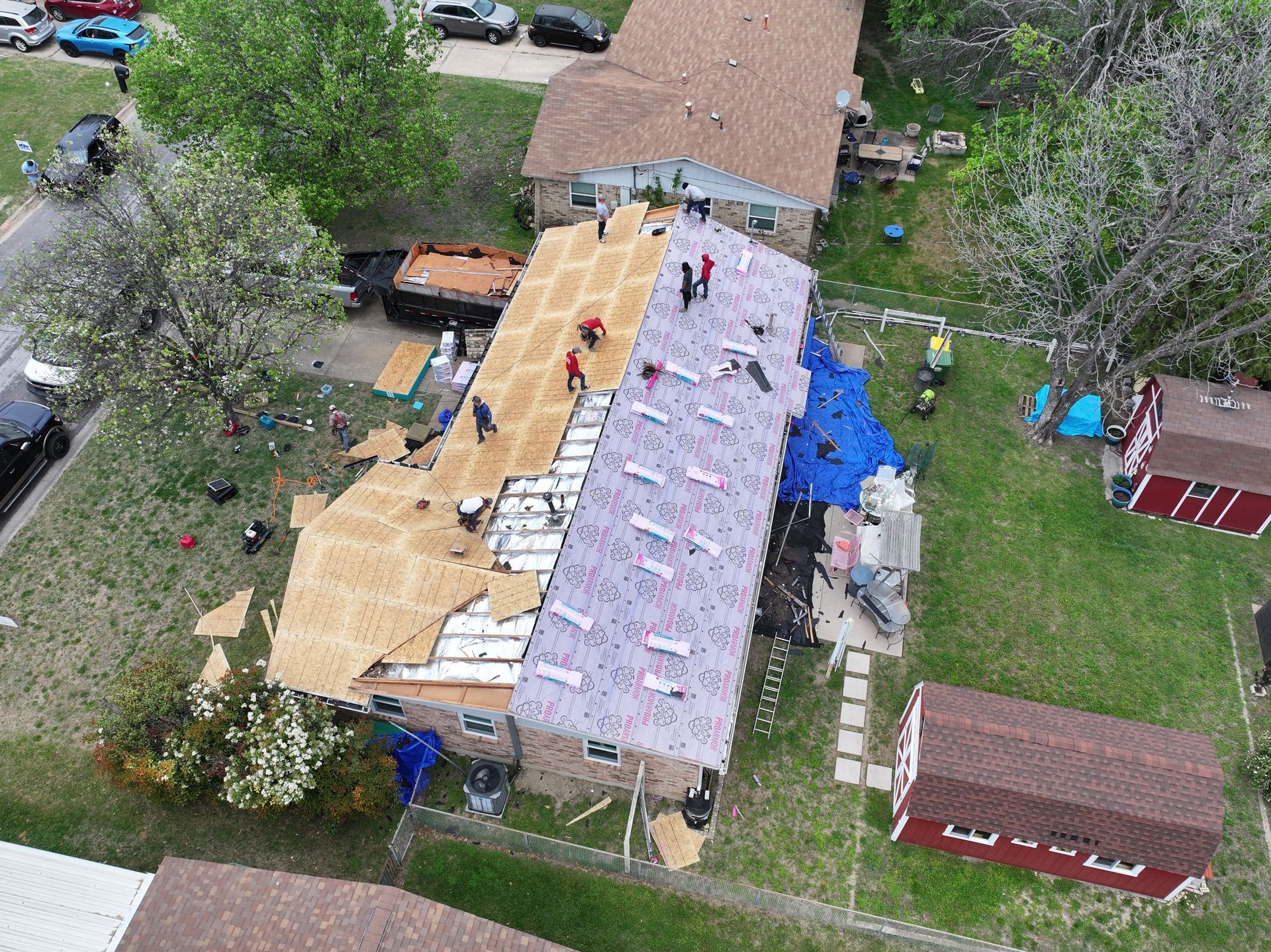
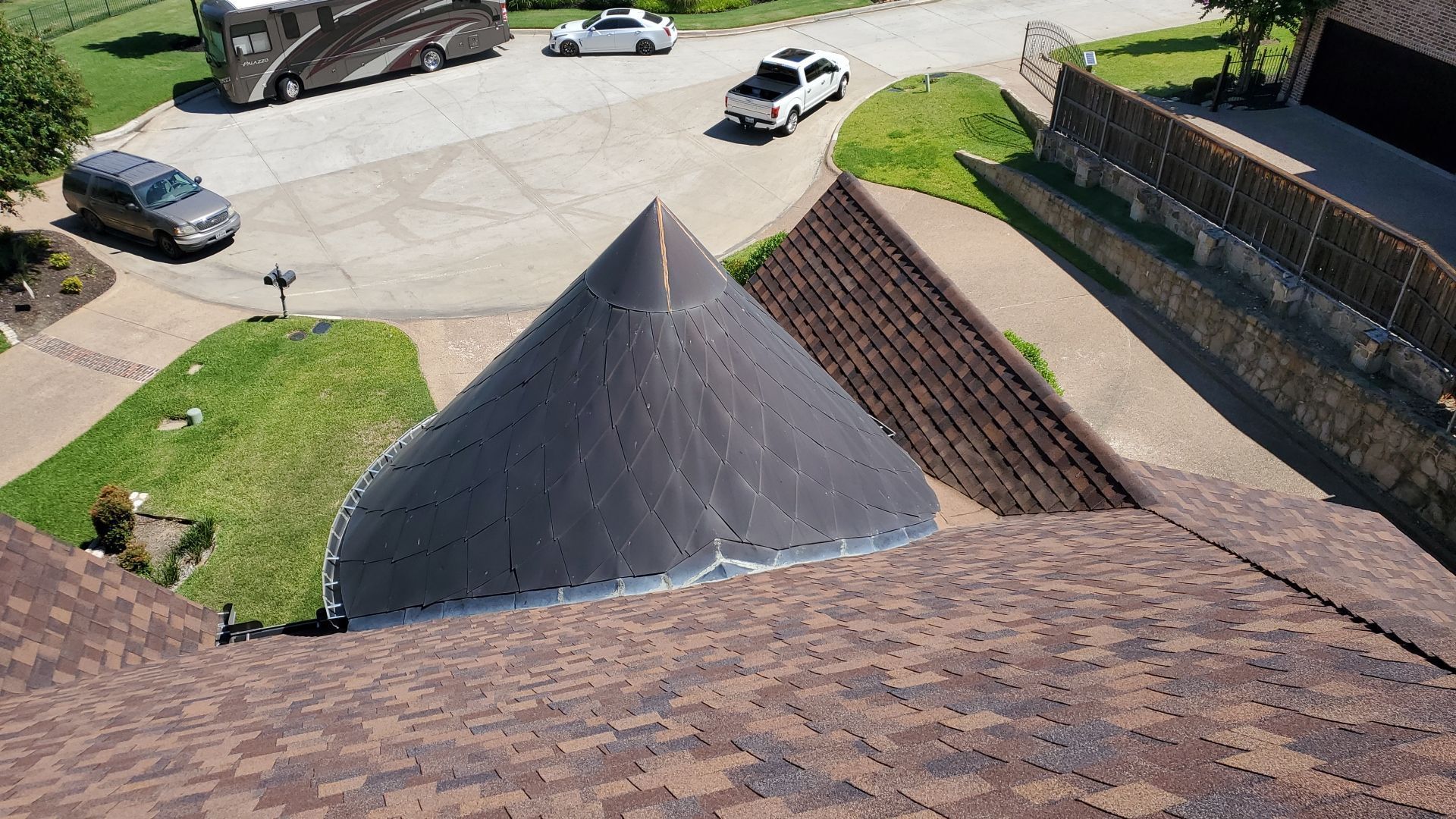
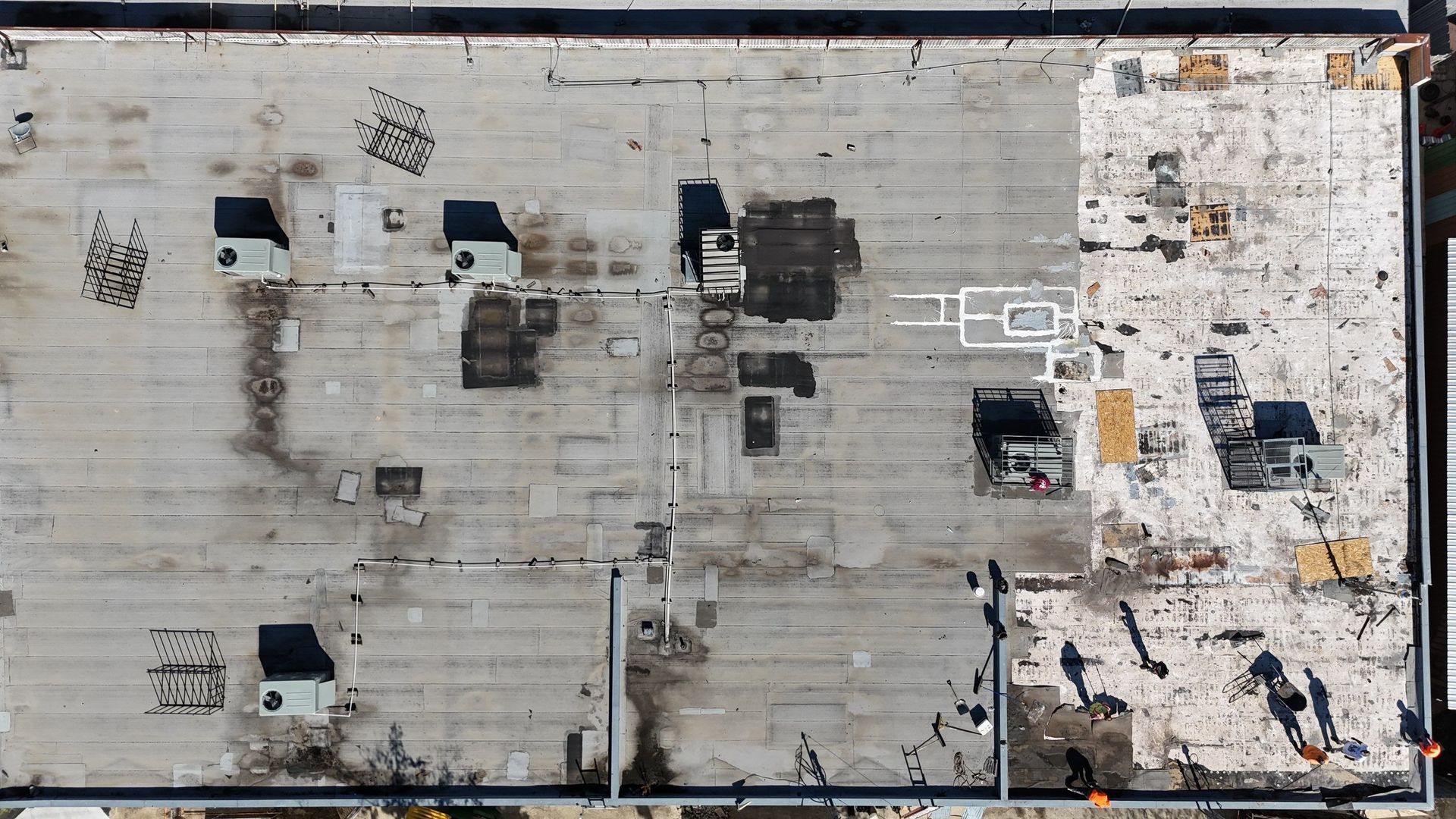
The use of aerial photos captured by drones allows insurance companies to obtain accurate and detailed information about properties. These photos provide a comprehensive view of the property, including its condition, potential hazards, and overall risk. By utilizing drone technology, insurance companies can efficiently assess properties without the need for manual inspections, giving them a good idea of what companies may be looking at when they assess the risk of insuring your home. This can lead to policy cancellations, as seen in the case of a CA insurance company dropping a customer after a drone captured images of their yard. With the increasing use of tools like aerial photography, it is important for homeowners to be aware of how their properties may be viewed by insurance companies, even through services like Google Earth 3-D. As reported by The Wall Street Journal, insurance companies are now using drones to gather information and potentially cancel policies, making it crucial for homeowners to stay informed about these practices.
However, the increasing reliance on drones for insurance inspections has resulted in some unexpected consequences. This blog will delve into the rise of drone inspections in the insurance industry, the benefits and challenges associated with their use, and specific case studies highlighting how drone inspections have led to insurance policy cancellations.
The Rise of Drone Inspections in the Insurance Industry
Drone inspections have gained popularity among insurance companies due to their ability to capture high-resolution aerial photos efficiently. These photos provide a comprehensive view of properties, allowing insurance companies to assess property risk accurately. With the advancements in drone technology and the availability of sophisticated imaging equipment, insurance companies can now obtain detailed aerial footage that was previously only possible with expensive manned aircraft or satellite imagery. This has led to an increase in the use of drone inspections for homeowners insurance, raising questions about the validity, accuracy, and security of these methods.
The use of drones for insurance inspections has revolutionized the way insurance companies assess properties. It has enabled them to make informed decisions regarding insurance policies based on accurate and up-to-date information. By leveraging drone technology and aerial photography, insurance companies such as Allstate can streamline their operations and enhance their risk assessment capabilities.
Why Insurance Companies Are Turning to Drone Technology
Insurance companies are increasingly turning to drone technology for several reasons. Firstly, drones provide a cost-effective and efficient alternative to manual inspections. Instead of sending an inspector to physically examine a property, drones with advanced sensors and imaging tech can quickly capture aerial photos that provide a comprehensive view of the property's condition, hazards, and overall risk.
Secondly, drone inspections allow insurance companies to minimize their exposure to potential risks. By obtaining accurate and detailed information about a property, insurers can make informed decisions regarding insurance policies. Drones enable insurance companies to assess properties more effectively, reducing the likelihood of issuing policies that may result in excessive claims or losses.
Lastly, the use of drone technology in insurance inspections aligns with the industry's overall digital transformation. By incorporating innovative technologies like drones, insurance companies can enhance their operational efficiency, improve customer experience, and stay competitive in a rapidly evolving market.
The Benefits and Challenges of Using Drones for Inspections
The use of drones for inspections in the insurance industry offers several benefits and challenges. These include:
- Accurate Aerial Photos: Drones capture high-resolution aerial photos that provide insurance companies with detailed information about properties, including potential hazards and condition.
- Reduced Property Risk: By using drones to assess properties, insurance companies can accurately determine the level of risk associated with insuring a property, leading to fairer premiums and coverage.
- Improved Efficiency: Drones enable insurance companies to conduct inspections more efficiently, saving time and resources compared to traditional manual inspections.
- Privacy Concerns: The use of drones for inspections raises privacy concerns as they can capture imagery of neighboring properties and potentially infringe on individuals' privacy rights.
- Regulatory Compliance: Insurance companies must navigate the legal and regulatory frameworks surrounding drone use, ensuring compliance with privacy laws and regulations.
While the benefits of using drones for inspections are significant, insurance companies must also address the challenges and concerns associated with their use to maintain customer trust and comply with legal requirements.
Case Studies: Becker Roofing and Exteriors' Experience
One example of how drone inspections can lead to insurance policy cancellations is the case of Becker Roofing and Exteriors. In this case, a homeowner, Mr. Becker, had his insurance policy canceled after drone photos revealed potential hazards on his property.
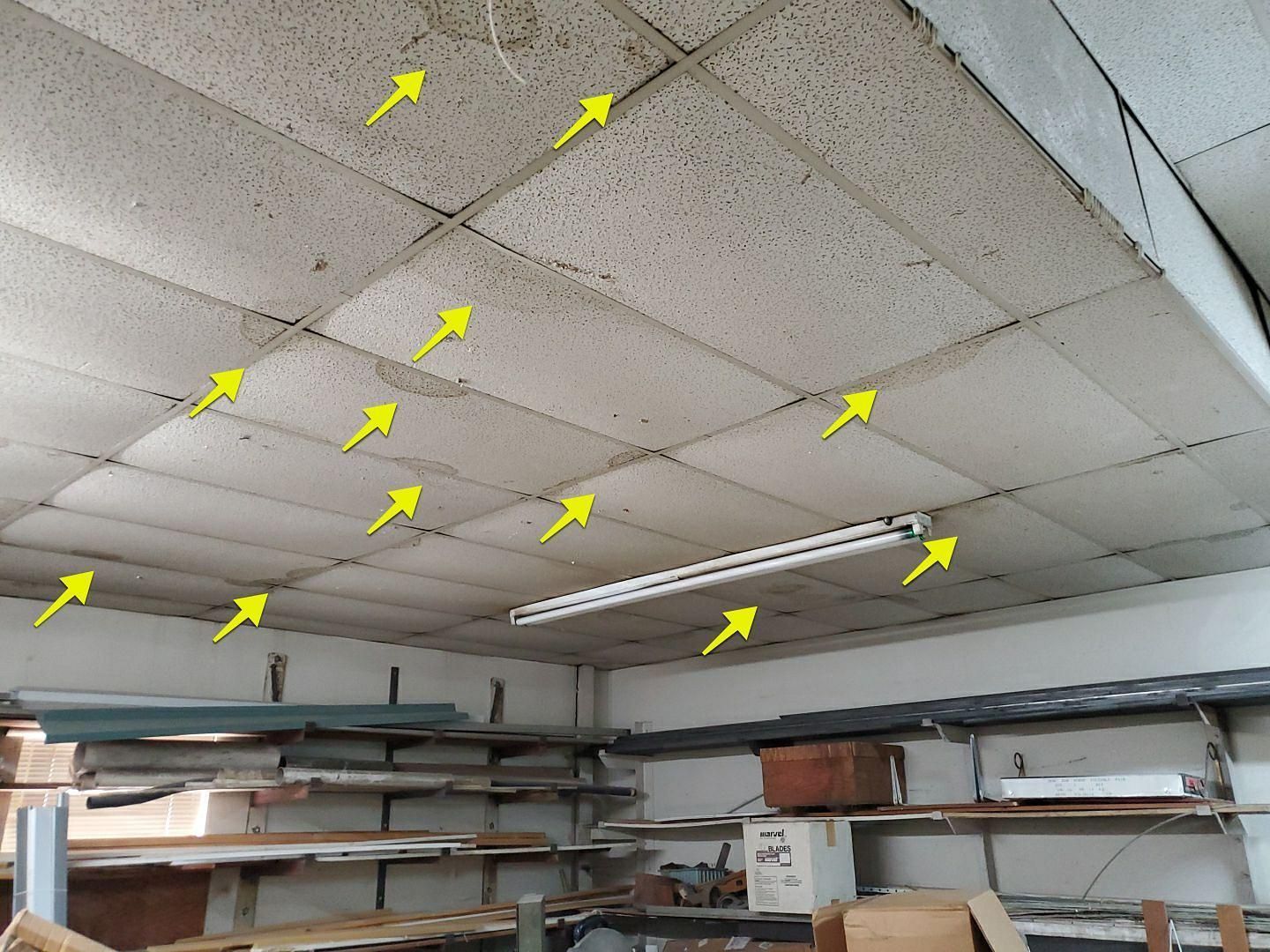
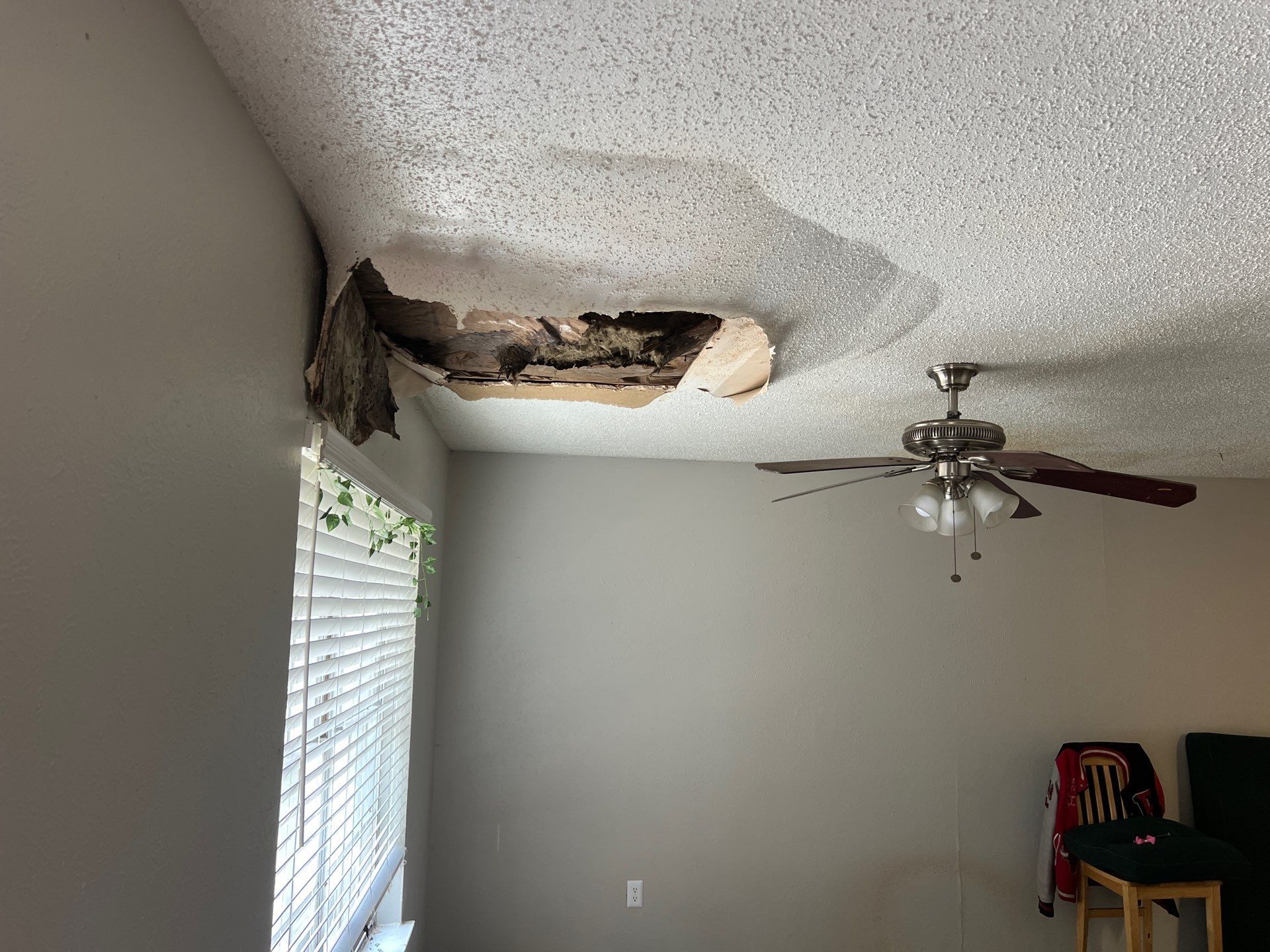
Upon receiving the drone photos, Mr. Becker's insurance agent determined that the condition of his property posed a significant risk, making it ineligible for coverage. The drone photos captured by the insurance company highlighted issues such as damaged roofing, loose shingles, and other structural concerns.
Despite Mr. Becker's attempts to rectify the issues and provide evidence of the property's improved condition, his insurance policy was ultimately canceled due to the high level of risk revealed by the drone footage inspection. This case study of Becker Roofing and Exteriors' experience with drone inspections underscores the impact that these inspections can have on insurance policies and the importance of maintaining property condition, as seen in the footage of debris and a grey truck on the property. This highlights the need for regular maintenance and upkeep to avoid policy cancellations.
Incident One: Identifying a Valid Hail Claim via Drone Inspection
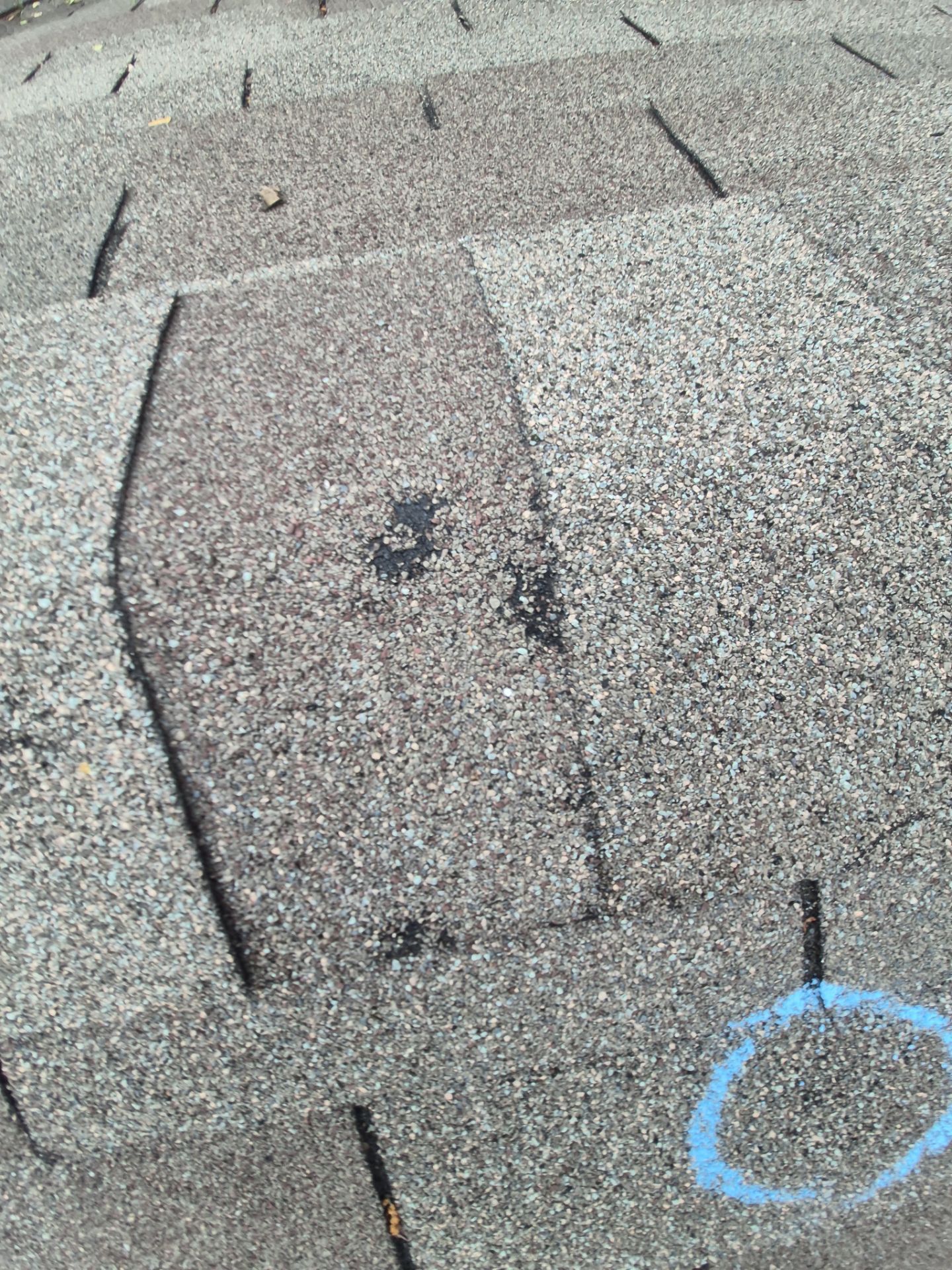
In another case, an insurance group utilized drone inspections to identify a valid hail claim made by a homeowner. The drone captured aerial footage of the property, revealing the extent of hail damage to the roof. This evidence provided the insurance group with the necessary information to process and approve the homeowner's claim efficiently. The homeowner was notified of the approval through an email from their insurance company, Nationwide.
By using drone inspections, the insurance group was able to accurately assess the damage caused by the hail and determine the appropriate compensation for the homeowner. This incident highlights the value of drone technology in identifying and validating insurance claims, streamlining the claims process, and ensuring fair compensation for policyholders.
Incident Two: How Drone Findings Prevented Unjust Policy Cancellation
In another case, a homeowner faced the potential cancellation of their insurance policy after an initial inspection revealed hazards on the property. However, the homeowner requested a follow-up inspection using drone technology to provide a more accurate assessment.
The drone pictures captured during the follow-up inspection showed that the hazards identified in the initial inspection were either minor or non-existent. This evidence helped prevent the unjust cancellation of the homeowner's insurance policy, as the drone findings demonstrated that the property did not pose a significant risk.
This incident illustrates how drone inspections can help protect homeowners from unjust policy cancellations by providing accurate and objective evidence of property conditions, preventing insurance companies from making decisions based on inaccurate or incomplete information.
The Legal and Ethical Implications of Drone Inspections
The use of drones for inspections in the insurance industry raises various legal and ethical implications. Privacy concerns arise from the potential invasion of individuals' privacy rights when drones capture aerial surveillance imagery. Insurance companies must navigate the legal frameworks surrounding drone use, ensuring compliance with privacy laws and regulations.
Additionally, insurance companies must consider the ethical implications of relying solely on drone inspections for policy decisions. While drones provide efficient and cost-effective methods of property assessment, insurance companies must ensure that their use of drones is fair and unbiased, taking into account the limitations and potential biases of the technology.
Privacy Concerns and Regulatory Compliance
The use of drones for aerial surveillance raises significant privacy concerns. Homeowners may feel their privacy is invaded when drones capture imagery of their properties, potentially capturing sensitive or private information. Insurance companies must adhere to privacy laws and regulations when using drones for inspections, ensuring that individuals' privacy rights are protected. However, the legality of using drones for insurance purposes may vary by state, with some states like California, specifically prohibiting the use of drones for voyeuristic purposes. This was the case for Sveen Insurance, a longtime home insurance carrier for California residents, who had their policy terminated by the California State Automobile Association (CSAA) Insurance Group, a AAA insurer. It is important for insurance companies, like Sveen Insurance, to stay informed and compliant with these regulations, such as those set by the California State Automobile Association, to avoid potential policy cancellations.
Regulatory compliance is essential in the use of drones for insurance inspections. Insurance companies must comply with laws and regulations surrounding drone usage, including obtaining necessary permits and licenses. By ensuring regulatory compliance, insurance companies can protect themselves from legal consequences and maintain the trust of their customers.
The Impact on Insurance Policies and Customer Trust
The increasing reliance on drone inspections in the insurance industry has a significant impact on insurance policies and customer trust. Insurance providers that utilize drone technology for inspections can make more informed decisions regarding policy issuance, coverage, and pricing. By accurately assessing property risk, insurance providers can provide fairer premiums and coverage options to their customers.
However, insurance providers must also be mindful of the potential impact on customer trust. Transparency and communication are crucial in ensuring that customers understand the process and purpose of drone inspections. Insurance providers must be proactive in addressing customer concerns and providing clear explanations of how drone inspections contribute to policy decisions.
Maintaining customer trust is essential for insurance providers, as it fosters strong customer relations and promotes long-term loyalty. By prioritizing customer satisfaction and addressing concerns related to drone inspections, insurance providers can uphold their reputation and ensure customer confidence in their policies.
How to Prepare Your Property for a Drone Inspection
Preparing your property for a drone inspection is crucial to ensure accurate assessment and minimize potential hazards. Here are some essential tips for homeowners:
- Clear any debris or clutter from your yard to provide a clear view of the property.
- Trim tree branches and remove any potential obstructions that may interfere with the drone's flight path.
- Ensure that any hazardous conditions, such as damaged roofing or structural concerns, are addressed before the inspection.
- Familiarize yourself with the process and purpose of drone inspections to better understand the assessment criteria used by insurance companies.
By taking these proactive steps, homeowners can help mitigate property risks and ensure a successful drone inspection that accurately reflects the condition of their property.
Essential Tips to Avoid Potential Hazards
When preparing your property for a drone inspection, it is crucial to address potential hazards that may affect the accuracy of the assessment. Here are some essential tips to avoid potential hazards:
- Repair any hazardous conditions, such as damaged roofing, loose shingles, or structural concerns, before the inspection.
- Ensure that solar panels are securely installed and free from any damage or potential safety risks.
- Trim tree branches that may obstruct the drone's flight path or obscure the view of the property.
- Remove any clutter, debris, or potential hazards from the yard to provide a clear and accurate assessment of the property's condition.
By following these tips, homeowners can help ensure a successful drone inspection and minimize potential hazards that may impact the accuracy of the assessment.
Mitigating Risks to Ensure Policy Renewal
To ensure policy renewal, homeowners should address potential hazards such as moss growth before a drone inspection. Clearing tree branches and clutter helps prevent property risk. Insurers favor proactive measures such as removing debris or maintaining safe conditions to ensure policy continuation. It's crucial to mitigate risks beforehand to maintain insurance coverage and prevent cancellations based on drone findings. Taking precautions like trimming tree limbs or securing loose objects can positively impact policy renewal and safeguard against unexpected cancellations.
The Future of Drone Inspections and Insurance Policies
The future of drone inspections in the insurance industry is promising, with ongoing advancements in drone technology and the potential for further innovations. Insurance companies are increasingly leveraging drone technology to improve their risk assessment capabilities and streamline the insurance process.
As drone technology continues to evolve, we can expect to see further enhancements in imaging capabilities, data analysis, and automation. These innovations will enable insurance companies to make more accurate and efficient decisions regarding insurance policies, leading to improved customer experiences and fairer coverage options.
The integration of drone inspections into the insurance industry is just the beginning of the transformative impact of drone technology. As technology continues to evolve, it will shape the future of the insurance industry, revolutionizing risk assessment and policy decision-making processes.
Innovations in Drone Technology and Their Potential Uses
Innovations in drone technology have the potential to revolutionize the insurance industry and its use of aerial imagery. Some of the key innovations include:
- Advanced Imaging Capabilities: Drones equipped with high-resolution cameras and sensors can capture detailed imagery, allowing insurance companies to assess properties with greater accuracy.
- Data Analysis and Artificial Intelligence: Advanced data analysis algorithms and artificial intelligence can analyze drone imagery to identify patterns, assess risks, and make informed decisions.
- Automation and Integration: Drones can be integrated with other technologies, such as Geographic Information Systems (GIS), to automate data collection and analysis, making the insurance process more efficient.
- Real-Time Monitoring: Drones equipped with real-time monitoring capabilities can provide insurance companies with up-to-date information on property conditions, allowing for proactive risk assessment and management.
These innovations have the potential to transform the insurance industry by enhancing the accuracy and efficiency of property risk assessments, ultimately benefiting both insurance companies and policyholders.
Predictions for Insurance Industry Adaptations and Customer Relations
The increasing use of drone inspections in the insurance industry is expected to lead to adaptations in insurance company practices and customer relations. Some predictions include:
- Enhanced Risk Assessment: Insurance companies will rely more heavily on drone inspections and the data they provide to accurately assess property risks, leading to fairer premiums and coverage options.
- Improved Customer Experience: By leveraging drone technology, insurance companies can streamline the insurance process, reducing the need for manual inspections and improving customer satisfaction.
- Transparency and Communication: Insurance companies will need to prioritize transparency and effective communication to address customer concerns regarding privacy, data security, and the use of drones in policy decisions.
- Increased Trust: By demonstrating the benefits and reliability of drone inspections, insurance companies can build trust with their customers, ensuring that drone inspections are conducted in a fair and unbiased manner.
These predictions highlight the evolving nature of the insurance industry and the potential for positive changes in customer relations and risk assessment practices through the use of drone inspections.
Conclusion
In conclusion, the integration of drone technology in the insurance industry has revolutionized inspections but also brought challenges like privacy concerns. The efficiency and accuracy drones offer are undeniable, as seen in real case studies. Yet, ethical and legal considerations must be prioritized to maintain customer trust and comply with regulations. Property owners should be proactive in preparing for drone inspections to ensure a smooth process. Looking ahead, advancements in drone technology will continue to shape insurance policies and customer interactions. Embracing these changes while addressing concerns will be pivotal for the future of insurance inspections.
Frequently Asked Questions
What Should I Do If My Insurance Policy Is Canceled After a Drone Inspection?
If your insurance policy is canceled after a drone inspection, it is essential to reach out to your insurer and insurance agent for clarification. Request a detailed explanation for the cancellation and inquire about the possibility of rectifying the issues identified during the inspection.
Can I Dispute the Findings of a Drone Inspection?
Yes, you can dispute the findings of a drone inspection. Provide your insurance provider with any evidence or documentation that contradicts the findings. Request a reassessment of your property to ensure fair and accurate decision-making.
Are There Any Privacy Laws Protecting Homeowners During Drone Inspections?
Yes, there are privacy laws in place to protect homeowners during drone inspections. It is essential for insurance providers to comply with these laws, ensuring that privacy rights are respected and homeowners' consent is obtained for any aerial surveillance activities.
How Often Do Insurance Companies Use Drones for Inspections?
The frequency of drone inspections varies among insurance companies. Some insurance companies may use drones for inspections as part of their regular risk assessment processes, while others may utilize them on a case-by-case basis for properties with higher levels of risk.