Insurance Engineer Meeting Tips: Property Claim Inspection
Tips for Meeting with Insurance Engineers: Prepare for your insurance engineer visit.

Insurance is sending out an engineer to inspect my property claim, is this bad?
Key Highlights
- Insurance engineers play a significant role in insurance claims, but they often represent best interests of the insurance company, not the policyholder.
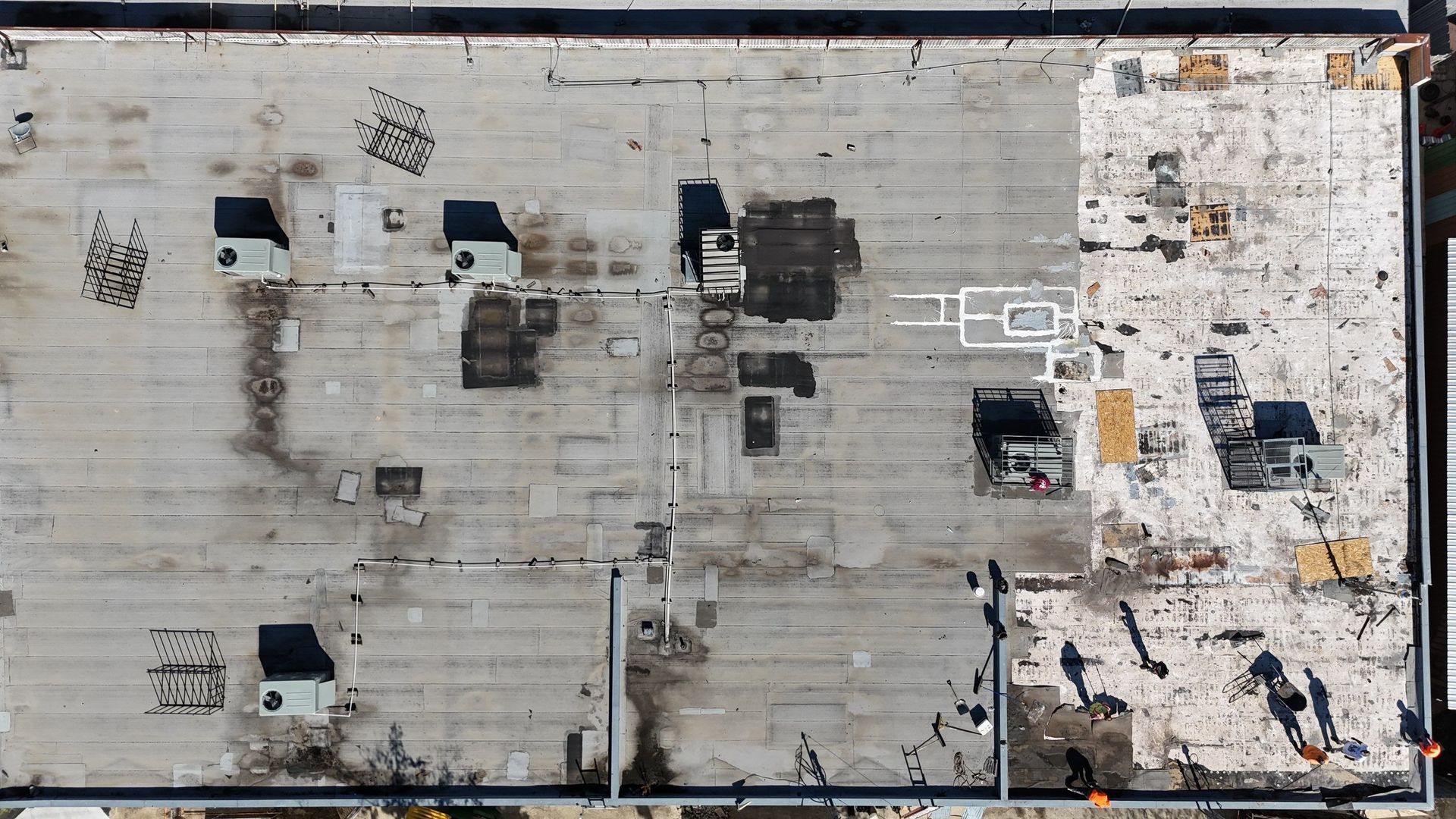
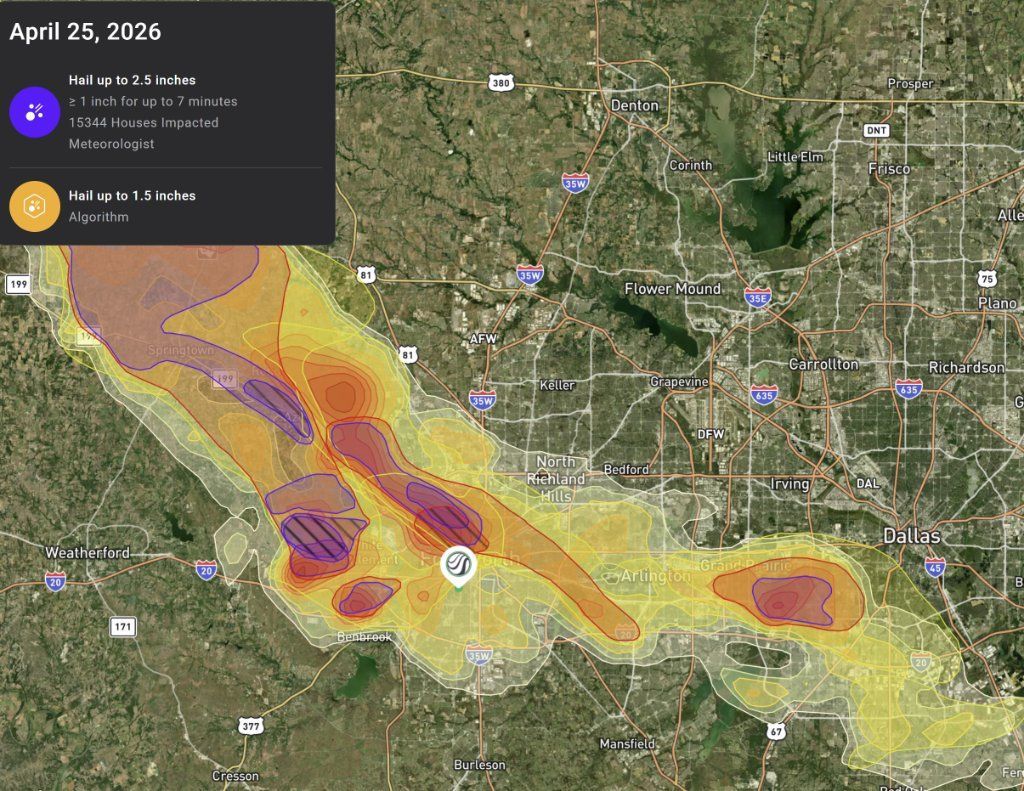
- The insurance company may send an engineer to assess damages and determine the cause of damage or the accurate way to repair or replace the damaged item.
- Insurance engineers differ from engineers in terms of qualifications, years of experience, and their focus on property damage assessment.
- When preparing for an engineer's visit, it's important to gather all necessary documentation and organize it properly.
- During the engineer's inspection, it's crucial to focus on key areas of damage and communicate effectively with the engineer.
- The aftermath of the engineer's report can have a significant impact on your insurance claim, and it's important to understand and interpret the findings correctly.
- If the engineer's report is not in your favor, you may need to take steps such as hiring your own expert or filing a claim for bad faith.
- In some cases, it may be necessary to hire your own forensic engineer to uncover any insurance fraud or inaccuracies in the engineer's report.
Introduction
When filing an insurance claim, you may find yourself meeting with insurance engineers to assess the damages and determine the cause of the damage. These engineers play a crucial role in the insurance claims process, as they are responsible for analyzing the damage to ensure that your claim is accurate and in line with your insurance policy. However, it's important to note that insurance engineers often represent the best interests of the insurance company, not the policyholder. In some cases, insurance companies and engineers have been accused of teaming up to commit insurance fraud, finding faults with your claim where there are none. This blog will provide you with valuable tips for meeting with insurance engineers and navigating the claims process more effectively.
Understanding the Role of Insurance Engineers in Claims
Before delving into the tips for meeting with insurance engineers, it's essential to understand their role in the claims process. Insurance engineers are professionals who assess the damages and determine the cause of the damage for insurance claims. They play a crucial role in verifying the accuracy of your claim and ensuring that it aligns with your insurance policy. These engineers are often referred to as forensic engineers, as their analysis is crucial in determining the outcome of your insurance claim.
The Significance of Insurance Engineers' Assessments
The assessments conducted by insurance engineers hold significant importance in the insurance industry. Their evaluations and findings are documented in an engineer's report, which plays a crucial role in determining the outcome of your insurance claim. Insurance companies rely on these reports to assess the validity of claims and determine the extent of property damage. The engineer's report serves as a vital piece of evidence that can influence the outcome of your claim. It is important to understand the significance of these assessments and their impact on the claims process. The more accurate and comprehensive the engineer's report, the better your chances of a successful claim.
How Insurance Engineers Differ from Regular Engineers
Insurance engineers differ from regular engineers in several ways. Firstly, they possess specific qualifications and training that enable them to assess and analyze property damage accurately. They have in-depth knowledge of insurance policies and the claims process. Secondly, insurance engineers typically have years of experience in the field, which allows them to provide expert opinions on the cause of damage and the extent of the damage. Lastly, the focus of insurance engineers is primarily on property damage assessment, including structural damage. Regular engineers, on the other hand, may specialize in other areas of engineering and may not possess the same level of expertise in insurance claims assessment.
Preparing for the Engineer's Visit
When preparing for an engineer's visit, it's essential to gather all necessary documentation related to your insurance claim. This includes your insurance policy, any correspondence with the insurance company, photographs of the damage, and any other relevant documents. Organize these documents in a systematic manner, making it easier for the engineer to review and assess the damages. By being well-prepared, you can ensure that the engineer has all the necessary information, including any temporary repairs made, to accurately assess your claim as a claims adjuster.
Documenting Damage: The Importance of Chalking and Photography
During the engineer's inspection, it is crucial to document the damage accurately. This can be done through various methods, such as chalking and photography. Here are a few reasons why documenting damage is important:
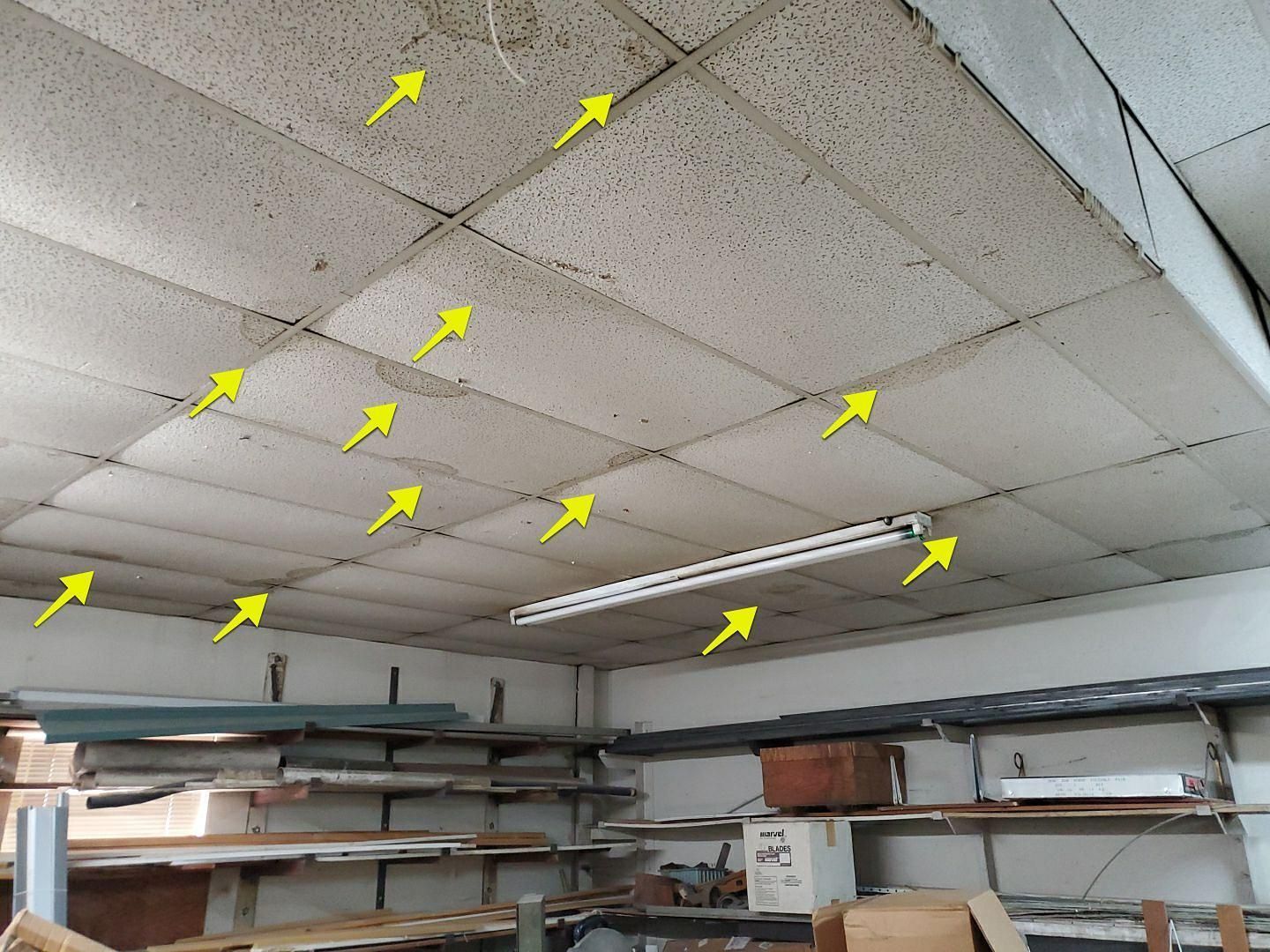
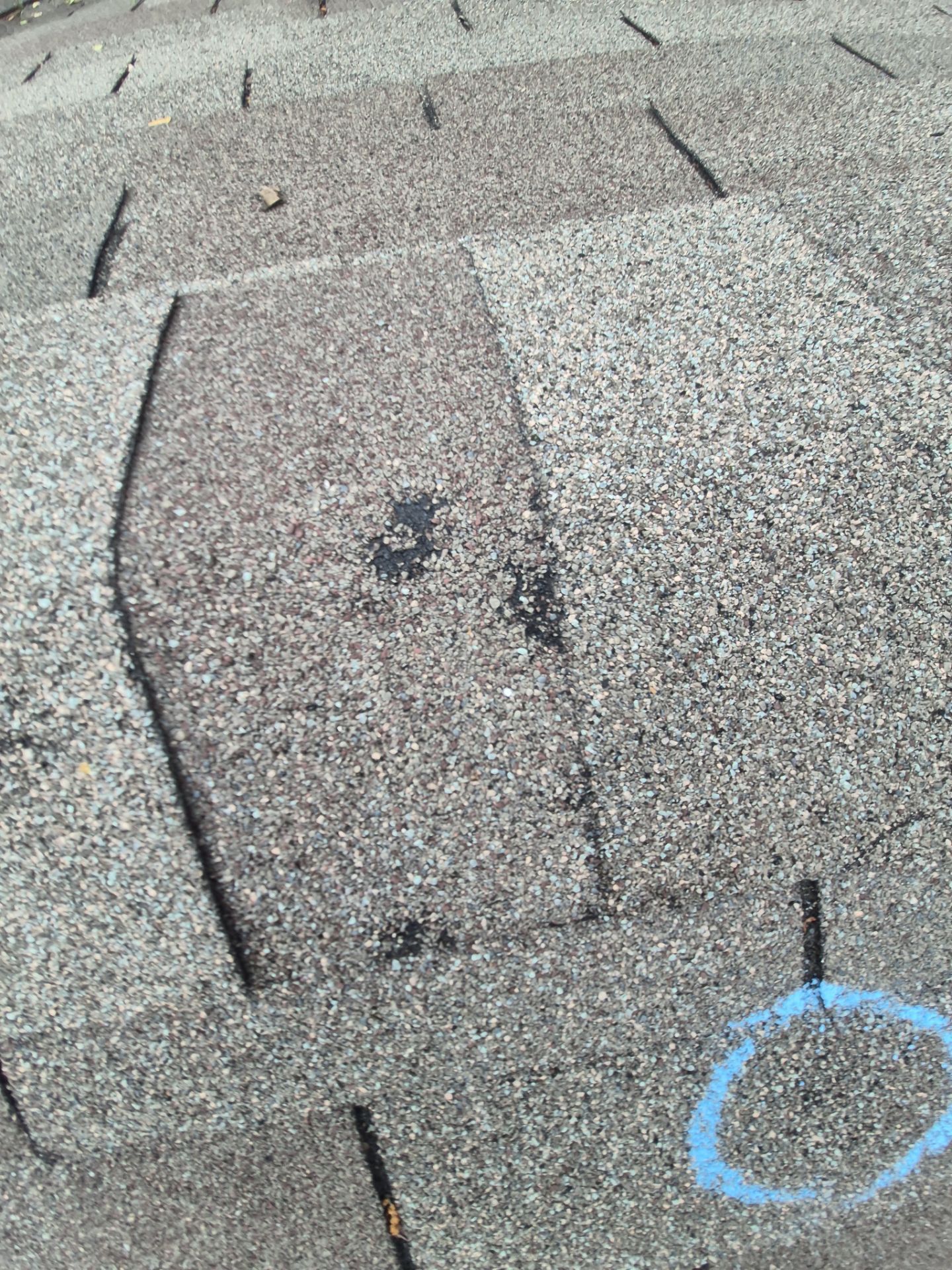
- Chalking: Chalking is the process of marking the extent and location of damage with chalk. This helps the engineer and insurance adjuster understand the scope of the damage more clearly.
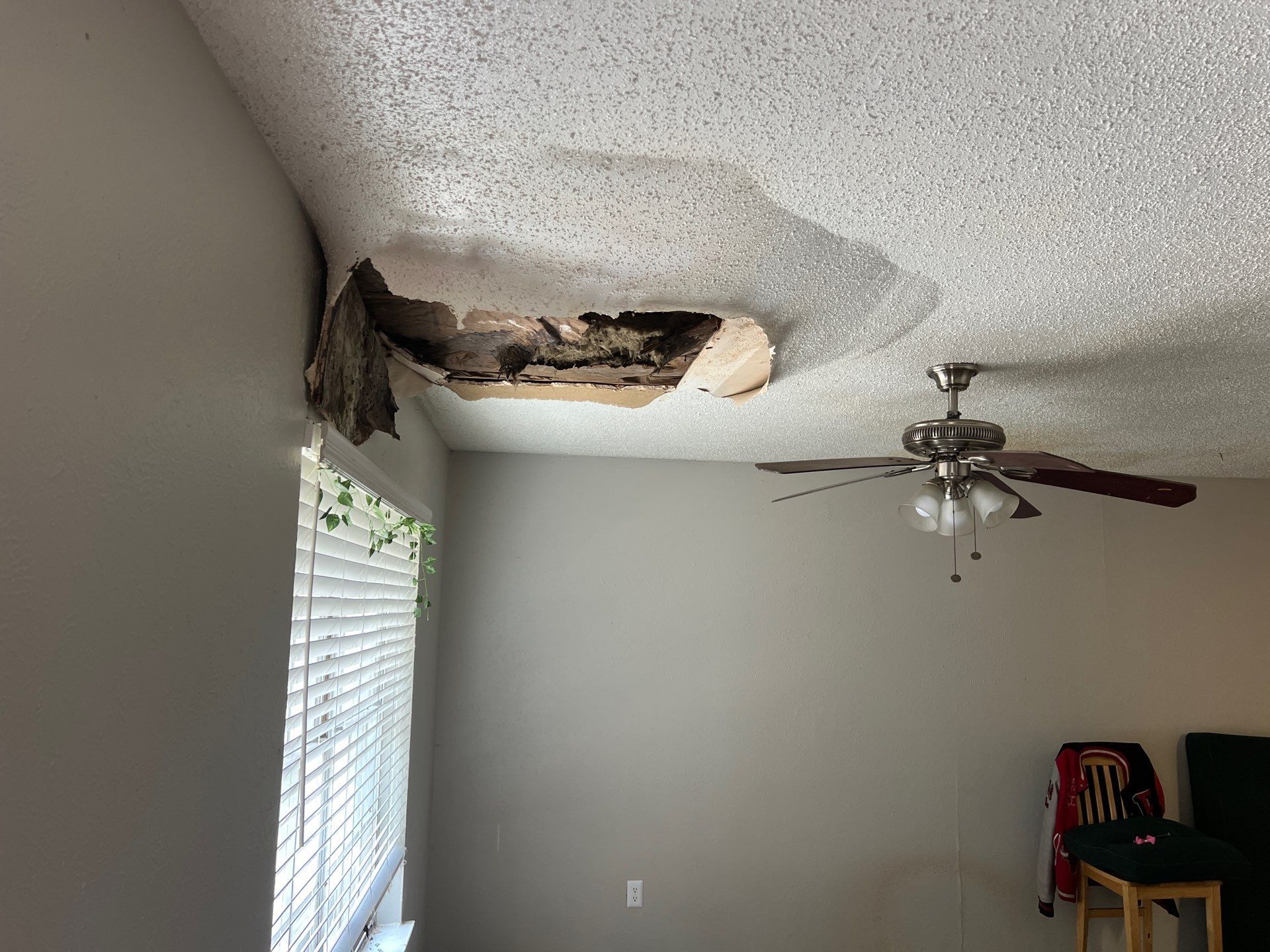
- Photography: Taking photographs of the damaged areas and items provides visual evidence of the damage. It can help support your claim and ensure that no details are overlooked.
By documenting the damage properly, you can provide the engineer with a comprehensive understanding of the extent and nature of the damage, improving the accuracy of their assessment.
Organizing Your Documents: What You Need Before the Visit
Before the engineer's visit, it's crucial to organize your documents to ensure a smooth and efficient inspection. Here are some essential documents you should have ready:
- Insurance policy: This document outlines the coverage and terms of your insurance policy. It helps the engineer understand the scope of the coverage and assess the damage accordingly.
- Correspondence: Any communication with your insurer, such as letters or emails, should be organized and easily accessible. This ensures that the engineer has a complete understanding of the discussions and agreements between you and your insurer.
- Photographs: Provide the engineer with any photographs you have taken of the damage. These visual records help support your claim and provide valuable evidence.
By organizing your documents beforehand, you can save time and ensure that the engineer has all the necessary information to assess your claim accurately.
During the Engineer's Inspection
During the engineer's inspection, it's important to be present and actively participate in the process. This allows you to communicate any concerns or questions you may have and ensure that the engineer understands the full extent of the damage. The engineer's opinion will play a crucial role in determining the outcome of your claim, so it's essential to provide them with all the necessary information and address any discrepancies or misunderstandings during the inspection.
Key Areas of Focus for the Insurance Engineer
The insurance engineer will typically focus on key areas during their inspection. These areas include:
- Structural damage: The engineer will assess the structural integrity of the property and identify any damage that may have occurred.
- Property damage: The engineer will evaluate the extent of the damage to the property, including any visible or hidden damage.
- Health insurance: If your claim involves health-related damages, such as injuries or illnesses, the engineer may assess the impact of these damages on your health insurance coverage.
By understanding the key areas of focus for the insurance engineer, you can ensure that these aspects are adequately addressed during the inspection.
Communicating Effectively with the Engineer
Effective communication with the insurance engineer is crucial to ensure a smooth and accurate assessment of your claim. Here are some tips for effective communication:
- Be prepared: Have all necessary documents and information ready to provide to the engineer.
- Ask questions: If you have any concerns or questions, don't hesitate to ask the engineer for clarification.
- Provide accurate information: Be honest and provide accurate information about the damages and the circumstances surrounding the claim.
- Consider hiring a public adjuster: A public adjuster can help facilitate communication between you and the engineer, ensuring that your interests are represented effectively.
By communicating effectively with the engineer, you can ensure that your claim is accurately assessed and increase the likelihood of a favorable outcome.
The Aftermath of the Engineer's Report
After the engineer's report is completed, it's important to understand the potential impact on your insurance claim. The engineer's report serves as a critical piece of evidence that can influence the outcome of your claim, as it contains the engineer's opinion on the damage. If the report supports your claim, it can strengthen your case. However, if the report is not in your favor, it's crucial to understand your options and take appropriate steps to protect your rights. In some cases, the engineer's report may be used in bad faith by the insurance company to deny or reduce your claim unfairly.
Interpreting the Engineer's Findings
Interpreting the engineer's findings requires a comprehensive understanding of your insurance policy and the details of the assessment. It's important to review the engineer's report carefully and compare it to the terms of your insurance policy. Look for any discrepancies or omissions that may affect the accuracy of the report. If you have any concerns or questions about the engineer's findings, consider consulting with a professional, such as a public adjuster or attorney, who can help interpret the report and provide guidance on your next steps. Additionally, it is important to keep in mind that the engineer may be working for the insurance company and therefore may have a bias towards the insurer. It is important to ensure that the engineer's findings are fair and accurate for both the insured and the insurer.
Steps to Take if the Report is Not in Your Favor
If the engineer's report is not in your favor and you believe it is unjust or inaccurate, there are steps you can take to protect your rights. Consider the following:
- Consult with a public adjuster: A public adjuster can review the engineer's report, assess its accuracy, and provide guidance on your options.
- File a claim for bad faith: If you believe the insurance company is acting in bad faith by using an inaccurate or biased engineer's report to deny or reduce your claim, you may have grounds to file a claim for bad faith.
- Hire your own expert: In some cases, it may be necessary to hire your own expert, such as a forensic engineer, to assess the damages independently and provide a second opinion.
By taking appropriate steps, you can challenge the engineer's report and protect your rights as a policyholder.
Hiring an Expert: When and Why You Need Your Own Engineer
In certain situations, it may be necessary to hire your own expert, such as a forensic engineer. This can be beneficial in cases where you suspect insurance fraud, inaccuracies in the insurance company's engineer's report, or a biased assessment. A forensic engineer can provide an independent evaluation of the damages and offer their expert opinion. Hiring your own expert can help ensure that your claim is accurately assessed and increase the likelihood of a fair and favorable outcome, potentially saving you thousands of dollars in the long run.
The Benefits of Having an Independent Assessment
Insurance engineers play a vital role in insurance claims by documenting the damages and determining the cause of damage for the insurance claim. They analyze the damage to ensure that the claim is accurate and fair. However, it is important to note that insurance engineers often represent the best interests of the insurance company, not the policyholder. They may team up with insurance companies to find faults with your claim where none exist, leading to insurance fraud allegations. This is why having an independent assessment of your insurance claim is crucial.
By having an independent assessment, you can ensure that your claim is thoroughly examined by an expert who is not biased towards the insurance company. An independent assessment provides an unbiased opinion on the damages and helps in establishing the true cause of the damage. It helps to level the playing field between the policyholder and the insurance company, ensuring a fair evaluation of the claim.
How to Find and Choose the Right Expert for Your Case
When it comes to finding and choosing the right expert for your insurance claim, there are a few key factors to consider. First and foremost, you need to look for qualifications and years of experience. An expert with a strong background in the insurance industry and extensive experience in handling insurance claims will be better equipped to assess and evaluate your case.
It is also essential to consider their familiarity with the specific type of insurance claim you are dealing with. Different claims require different expertise, so it is crucial to find an expert who specializes in the relevant area and has experience working with the specific payer involved. Additionally, look for an expert who is familiar with the insurance policies and procedures related to your claim.
When choosing an expert, consider their track record in handling insurance claims. Look for references or testimonials from past clients to gauge their reputation and reliability. It is also important to ensure that the expert is independent and not affiliated with any insurance company. This will help ensure that their assessment is unbiased and in your best interest.
Common Challenges and How to Overcome Them
Dealing with insurance engineers can present some common challenges. One of the main challenges is delays in the engineer assessment process. Insurance claims can sometimes take longer than expected, and this delay can be frustrating for policyholders who are waiting for a resolution. To overcome this challenge, it is important to maintain open and regular communication with both the insurance company and the engineer. Keep track of all correspondence and follow up on any delays or issues that arise.
Another challenge is disputes that may arise during the engineer assessment. If you disagree with the engineer's report or findings, it is important to address your concerns promptly. Provide any additional documentation or evidence that supports your claim and explain why you disagree with the report. It may be necessary to involve a public adjuster or another expert to challenge the engineer's report and provide a counter assessment.
Dealing with Delays and Disputes in Engineer Assessments
Delays in engineer assessments can be frustrating for policyholders who are waiting for a resolution to their insurance claim. To address this challenge, it is important to understand the notification process for the engineer assessment. When the insurance company sends a notice about an engineer inspecting your claim, it is often a sign that the claim is being reviewed. However, the timeline for the assessment may vary depending on the complexity of the claim and other factors.
If you experience delays in the engineer assessment process, it is important to notify the insurance company and request updates on the status of the assessment. Maintain regular communication with the insurance company and the engineer to ensure that the assessment is progressing. If necessary, involve a public adjuster or another expert to help expedite the process and address any issues that may arise.
Disputes can also occur during the engineer assessment. If you disagree with the engineer's report or findings, it is important to address your concerns promptly. Provide any additional documentation or evidence that supports your claim and explain why you disagree with the report. It may be necessary to involve a public adjuster or another expert to challenge the engineer's report and provide a counter assessment.
Navigating the Complex Relationship Between Insurers and Engineers
The relationship between insurance companies and engineers can be complex. Insurance companies hire engineers to assess and evaluate insurance claims, but it is important to remember that engineers often work in the best interests of the insurance company, not the policyholder. This can create a potential conflict of interest.
To navigate this complex relationship, it is important to understand the role of the engineer and their obligation to provide an unbiased assessment. As a policyholder, you have the right to challenge the engineer's report if you believe it is inaccurate or biased. You can involve a public adjuster or another expert to provide a counter assessment and challenge the engineer's findings.
Maintaining open and transparent communication with both the insurance company and the engineer is crucial. Keep track of all correspondence and document any discussions or disagreements that arise during the assessment process. By actively participating in the assessment process and advocating for your interests, you can help ensure a fair evaluation of your claim.
Conclusion
In conclusion, meeting with insurance engineers requires thorough preparation and effective communication. Understanding their role, documenting damages accurately, and interpreting their findings are crucial steps in the process. It's vital to be proactive during the engineer's inspection and seek independent assessments when needed. Overcoming challenges such as disputes and delays, as well as knowing your rights in case of an unfavorable report, can significantly impact the outcome of your insurance claim. Remember, staying informed and seeking expert advice when necessary can help you navigate the complexities of insurance engineering assessments successfully.
Frequently Asked Questions
What Should I Do to Prepare My Property Before the Engineer Arrives?
Before the engineer arrives to inspect your property, there are a few important steps you can take to prepare. First, gather any documentation related to your insurance claim, including the insurance policy, documentation of the property damage, and any previous communication with the insurance company. This will help provide a comprehensive picture of the claim and assist the engineer in their assessment.
Additionally, make sure to document the property damage thoroughly. Take photographs or videos of the damage and any visible evidence that supports your claim. This documentation will serve as evidence throughout the assessment process.
It is also a good idea to review your insurance policy and familiarize yourself with the coverage and exclusions. This will help you understand the scope of the assessment and ensure that the engineer's report accurately reflects the damage covered by your insurance policy.
How Do I Challenge an Engineer's Report I Disagree With?
If you disagree with an engineer's report, there are a few steps you can take to challenge it. First, gather any additional evidence or documentation that supports your claim. This could include independent assessments from other experts, photographs or videos of the damage, or any other relevant information.
Next, communicate your concerns in writing to the insurance company and provide a detailed explanation of why you disagree with the engineer's report. You may also consider involving a public adjuster or another expert to provide a counter assessment and challenge the engineer's findings.
If the insurance company does not address your concerns or reconsider the engineer's report, you have the option to file a complaint with the insurance department in your state. They can investigate the matter and help resolve the dispute.
Can I Hire My Own Engineer, and How Will That Affect My Claim?
As a policyholder, you have the right to hire your own engineer to assess and evaluate your insurance claim. Hiring your own engineer can provide an independent assessment that is not biased towards the insurance company. This can help level the playing field and ensure a fair evaluation of your claim.
When hiring your own engineer, it is important to communicate with the insurance company and provide them with the engineer's findings. This will help facilitate the claims process and ensure that all parties have access to the relevant information.
However, it is important to note that hiring your own engineer may not guarantee a different outcome or result in a different report. The insurance company may still rely on the report from their chosen engineer in their evaluation of the claim. It is essential to provide any additional evidence or documentation that supports your claim and explains why you disagree with the engineer's report.
How Long After the Engineer’s Visit Will I Receive the Report?
The timeline for receiving the engineer's report can vary depending on the complexity of the claim and other factors. In general, the report can take anywhere from 4 to 6 weeks to become available to you. During this time, the engineer will analyze the damage, review any additional documentation or evidence, and prepare a comprehensive report detailing their findings.
It is important to be patient during this process and maintain open communication with the insurance company and the engineer. If you have not received the report within the expected timeframe, it is advisable to contact the insurance company and request an update on the status of the report.
What Are My Options if the Insurance Claim is Denied Based on the Engineer’s Report?
If your insurance claim is denied based on the engineer's report, you have several options to pursue. First, review the denial letter and the engineer's report carefully to understand the reasons for the denial. If you believe that the denial is unjustified or unfair, you can challenge the decision.
Start by communicating your concerns to the insurance company and providing any additional evidence or documentation that supports your claim. Explain why you disagree with the engineer's report and provide a counter assessment if necessary. You may also consider involving a public adjuster or consulting with an attorney who specializes in insurance claims.
If the insurance company does not reconsider their decision, you can file a complaint with the insurance department in your state. They can investigate the matter and help resolve the dispute. It is important to follow the proper procedures and timelines for filing a complaint to ensure that your claim is thoroughly reviewed.