Maximize Roof Replacement Efficiency with Attic Exhaust Tips
Efficient Attic Exhaust Tips for Expert Roof Replacement in Fort Worth
Key Highlights
Having a good exhaust vent in your attic space is key to keeping the air moving like it should. This kind of ventilation stops too much moisture from building up, helps you spend less on energy bills, and makes sure your roof lasts longer. It's really important to get how balanced attic ventilation works for keeping your attic healthy. When you're getting a new roof put on, that's the perfect time to check out and maybe even make better your attic insulation and how the air moves around there. You've got to take a close look at what you currently have for letting air out of your attic so you can see where it might not be doing its job right and fix those spots.
There are various types of vents for letting air out of attics, each with their own good points and bad points. Making smart updates here can actually help make heating or cooling your house more efficient which means lower energy costs down the line.
Putting in soffit vents is one way to boost airflow which then ups the effectiveness of how well ventilated your whole system is.
Making sure these exhaust vents are placed just right matters big time if we want everything working smoothly without causing issues like negative pressure that could mess things up.
By focusing on proper placement for these systems within our attics, we ensure they do their job effectively without creating any additional problems along the way.
Introduction
Having good exhaust ventilation in your attic is super important if you want to keep it healthy and working right. It helps stop moisture from building up, can lower your energy bills, and even makes sure your roof lasts longer. In this blog post, we're going to share some expert advice on making the exhaust system in your Fort Worth attic work better. We'll talk about why having the right balance of air coming in and out of your attic matters a lot, how insulation plays into this when you're getting a new roof, checking if what you currently have is doing its job well enough, weighing the good against the bad for different types of vents up there, ways to not break the bank while improving airflow with upgrades like adding soffit vents for more fresh air movement through that space above our heads; figuring out where exactly those exhaust vent should go for maximum effectivity; wrapping everything up by revisiting all these crucial bits we've covered.
Understanding Attic Ventilation in Fort Worth
In Fort Worth, having good attic ventilation is really important because of the weather. When moist air gets trapped in your attic space, it can cause mold to grow and even damage the roof. By having an effective ventilation system in place, air can move freely, getting rid of any extra moisture and heat from the attic. This not only keeps your house more comfortable but also protects your roof and helps you save on energy costs by improving how efficiently everything works.
The Importance of Balanced Attic Ventilation
To keep your attic space healthy and working well, it's really important to have a balanced attic ventilation system. This means you need both intake ventilation, which lets fresh air come into the attic, and exhaust ventilation that gets rid of hot and moist air from there. With this balance, the air moves around properly so heat and moisture don't build up. If they do, you could end up with mold growing or ice dams forming on your roof which can damage it. Making sure there's just the right amount of intake versus exhaust helps everything run smoothly and keeps energy use in check too.
The Role of Attic Insulation and Ventilation During Roof Replacement
When you're thinking about getting a new roof, don't forget to look at your attic's insulation and how well it's ventilated. Making sure these are up to scratch when you replace your roof can really help make your house more energy-efficient and comfy. A good roofing contractor will check out what you've got in place for attic insulation and the ventilation system, then suggest any improvements needed. Having the right setup in your attic means keeping a nice balance of temperature inside, which is especially key given Fort Worth's weather conditions. It’s crucial to pick a trustworthy roofing contractor who gets why both attic insulation and proper ventilation matter so much.
Evaluating Your Current Attic Exhaust System
Before you decide to make any changes or betterments to your attic's exhaust setup, it's crucial to take a good look at what you've got now. Check out how well your ventilation system is doing by examining the kinds of vents you have, where they're located, and how effectively they work as a whole. Keep an eye out for things that might show it's not working right, like if your energy bills are through the roof, parts of your house feel hotter or colder than others, or there’s too much dampness in the attic. It might be a smart move to talk with an expert who can help figure out whether what you currently have is up to snuff or if making some upgrades could really help improve airflow in your attic.
Identifying Inefficiencies in Existing Ventilation
If you're noticing your energy bills going up, some rooms feeling too hot or too cold, or if there's moisture building up in your attic, these could be signs that the ventilation system in your attic isn't working right. When the air doesn't flow properly through your attic, it can make your heating and cooling system work overtime to keep things comfy. This not only bumps up what you pay for energy but can also lead to uneven temperatures around the house. On top of that, without good airflow in the attic, dampness can get trapped which might cause mold to grow and even damage parts of your roof over time. It's really important to check out any issues with how air moves through your attic so you can keep everything running smoothly and avoid these problems.
Pros and Cons of Different Attic Exhaust Types
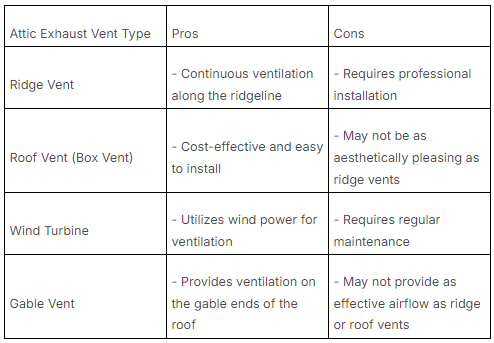
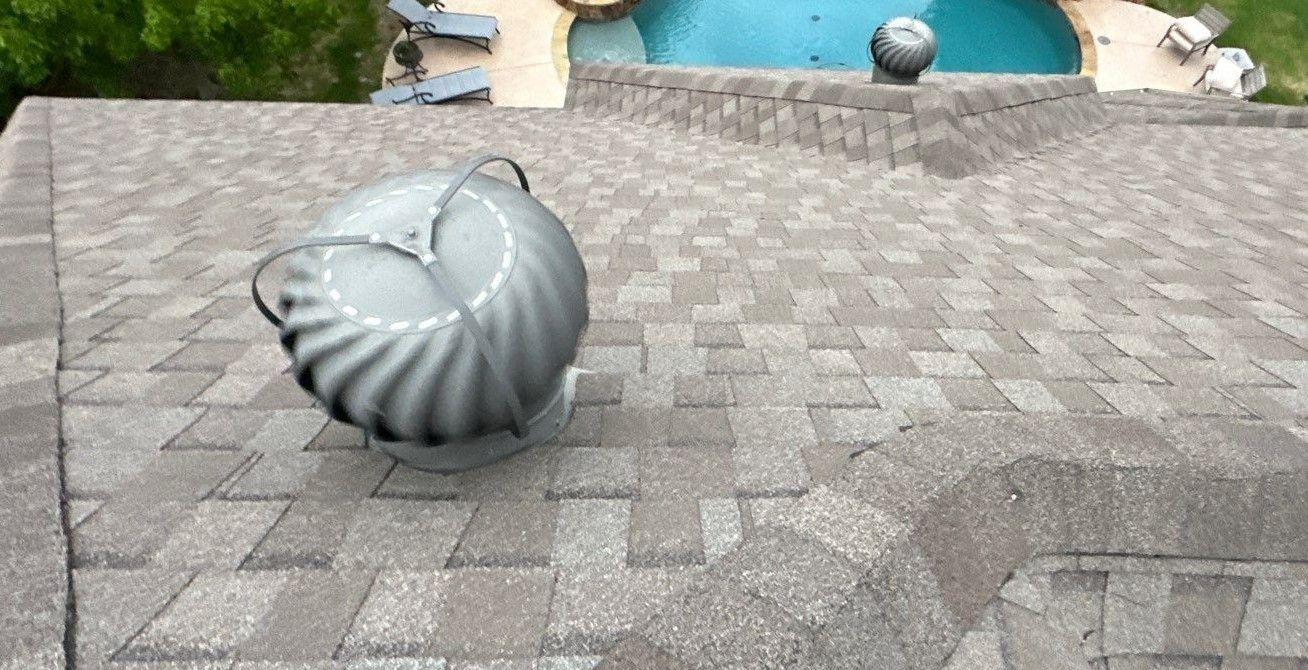
There are several different types of attic exhaust vents available, each with its own pros and cons. Ridge vents are installed along the ridgeline of the roof and provide continuous ventilation. They are aesthetically pleasing and offer effective exhaust ventilation. Roof vents, also known as box vents, are installed on the roof and provide individual ventilation points. They are cost-effective and easy to install. Other types of exhaust vents include wind turbines and gable vents. Each type has its advantages and disadvantages, and the best choice depends on factors such as roof design, climate, and personal preference. The table below summarizes the pros and cons of different attic exhaust types:
Cost-Effective Upgrades for Attic Ventilation
By making some smart changes to your attic's ventilation system, you can save on energy costs and make your home more efficient. For starters, adding extra intake vents like soffit vents helps air move better in the attic. Then, switching out old exhaust vents for newer ones such as ridge or roof vents can also boost efficiency. Don't forget that getting the insulation right and sealing any leaks is key to a top-notch ventilation system in your attic. If all this sounds a bit tricky, talking to an expert could help you figure out which upgrades will give you the biggest bang for your buck when it comes to improving your attic's ventilation and cutting down those energy bills.
Why Roof Replacement Is the Best Time for Ventilation Upgrades
When you're getting a new roof, it's the perfect time to check out your attic space and think about improving how air moves around up there. With everything opened up for the roof work, the person doing your roofing can easily get in there and make changes or add stuff to help with ventilation. Plus, if you're dealing with insurance for your roof job, it's a good chance to handle both things smoothly together. Making sure your attic breathes better not only helps your new roof do its best but also keeps your house safer over time. It’s really important to pick someone who knows their stuff about roofs and cares a lot about helping their customers, especially here in Fort Worth where how well our attics are ventilated makes such a big difference.
Selecting Materials for Ventilation Improvements
When you're thinking about making your attic ventilation better, it's really important to pick the right stuff. You want materials that can last a long time, stand up to the weather, and handle what Fort Worth throws at them. On top of that, these materials should make your house look even nicer from the street. It's a good idea to work with a roofing contractor who knows all about commercial roofing. They'll help you choose the best options for your home that follow local building rules in Fort Worth and make sure everything is set up just right so it works great.
Installing Soffit Vents for Enhanced Air Flow
Putting in soffit vents is a smart move to get better air flow going through your attic ventilation system. These vents go under the roof's edges and let fresh air into the attic space, making sure there's enough air coming in. By working together with other types of exhaust vents like ridge or roof ones, they help keep the right balance of air moving around. This stops too much heat or moisture from getting stuck up there. It’s really important to talk with an expert to figure out just how many and what size soffit vent you need for your specific setup.
The Functionality of Soffit Vents in Attic Ventilation
Soffit vents are super important for keeping your attic space fresh by bringing in outside air. They're put up under the roof's edges and help cool air get into the attic. These vents team up with other types like ridge vents or roof ones to make sure there's a good flow of air going through, which we call a ventilation system. This setup lets new air come in through soffit vents to push out all that warm and damp air, stopping heat and moisture from hanging around too much. Having soffit vents that work right is key for moving air well and keeping your attic healthy without getting blocked by stuff like insulation, making sure they do their job of intake ventilation properly.
Step-by-Step Guide to Installing Soffit Vents
To boost air flow in your attic ventilation system, adding soffit vents is a straightforward process. Here's how you can do it:
- Start by picking a soffit vent that looks good on your house and fits well.
- Then figure out how many vents you need for the best air movement.
- Before installing, clear away any stuff blocking where the vents will go.
- On the underside of your roof edges, mark where each vent should be placed.
- Use a saw to make room for each vent in those spots carefully.
- Securely attach each soffit
Optimizing Attic Exhaust Vent Placement
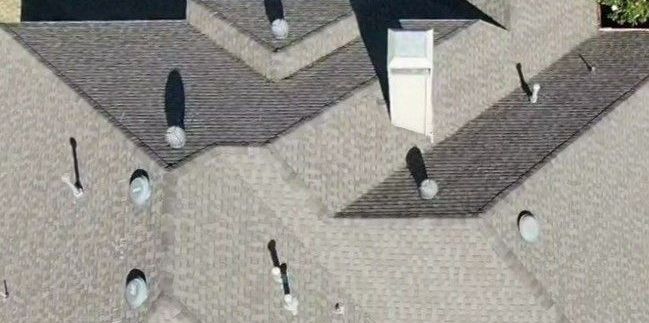
Putting exhaust vents in the right spot in your attic is key to keeping a good airflow going. You want these vents, like ridge vents or roof ones, up at or close to the top part of your attic space. This way, they can get rid of warm and damp air properly. If you put them too low or too high, it messes with how air moves around and makes things less efficient. So by making sure your exhaust vent placement is on point, you help keep the ventilation system balanced and make your attic's airflow better overall.
Strategies for Evenly Spaced Vent Installation
To make sure your attic's exhaust ventilation works well, it's important to place vents at equal distances apart. This way, the air moves smoothly through the whole attic space, keeping temperatures even and avoiding areas that are too hot. A good choice for this is the Master Flow vent system. These vents fit right into your roof deck and help air move evenly across all of the attic space. By sticking to what the maker says about where to put them and how far apart they should be, you'll have an exhaust system in your attic that does its job really well. This not only helps with saving energy but also keeps moisture problems at bay.
Ensuring Compliance with Building Codes
When you're putting in or updating your attic's exhaust ventilation in Fort Worth, it's really important to make sure everything is done according to the local building rules. These rules are there to make sure that your attic has enough air moving through it safely and correctly. If you don't follow these guidelines, not only could you end up having to pay fines, but it might also mess with your insurance. To avoid any trouble, talking with a roofing contractor who knows all about the local codes can be super helpful. They'll help ensure that your setup for proper ventilation meets all the necessary standards and works as efficiently as possible.
Balancing Intake and Exhaust for Optimal Performance
To get your attic exhaust system working its best, it's really important to make sure the air coming in and going out is even-steven. When everything's balanced right, the air moves through your attic space just how it should, keeping away too much heat or dampness. Air comes into the attic through vents that are usually under the edges of your roof or in those overhang parts called soffits. Then, this fresh air helps push out all the hot stuff through other vents on top of your roof or on its sides. With a balanced system like this, you keep a steady flow of air moving and help make sure your attic ventilation is doing its job well. This not only makes things more comfy but also can help cut down on what you spend for energy bills because everything’s running more efficiently.
Calculating Your Attic's NFA Requirements
Figuring out the Net Free Area (NFA) needed for your attic is key to knowing how much ventilation it should have. The NFA tells us about the total size of vent openings compared to the attic space's square footage. Usually, building rules say you need a minimum ventilation ratio of 1:150. This means for every 150 square feet of attic or roof area, there needs to be one square foot of free vent area. But remember, it's always good to check with local building codes since they might ask for something different. Making sure your attic meets these NFA guidelines helps keep your attic well-ventilated and can also help save on energy costs by promoting better attic ventilation and efficiency.
Adjusting Soffit and Exhaust Vents for Balance
To get a balanced system in your attic space, it's key to tweak both the soffit and exhaust vents right. Soffit vents sit under the edges of your roof and let cool air come into the attic. On the other hand, exhaust vents like those on ridges or gables help hot air leave the attic. By making sure these soffit and exhaust spots are set up correctly, you're creating an airflow that works well together throughout your attic area. This setup stops too much heat or dampness from gathering up there, which means better energy use and a nicer place for your attic to be.
Eliminating Inefficient Ventilation Practices
Getting rid of bad ventilation habits in your attic is key to using less energy and cutting down on your energy bills. When ventilation isn't done right, it can get too hot and moist up there, which might harm the roof and make the attic not work as well as it should. To fix this issue, you need to check that the ventilation system is set up correctly from the start. This means clearing away anything that could block air from moving freely and looking into any problems with how the ventilation system works. By tackling these inefficient ways head-on, you'll boost both how well your attic ventilation does its job and save some money on those pesky energy bills, ensuring a smoother flow of air throughout.
Identifying and Removing Redundant Vents
Figuring out which vents in your attic space aren't needed and taking them away is a key move to make your ventilation system work better. When you have too many exhaust vents or intake vents that aren't in the right spots, it messes up how air moves around in the attic. This makes your whole ventilation setup less effective. By checking out your attic and spotting these extra vents, you can make sure everything's working as smoothly as possible. Getting rid of these unnecessary vents does more than just fix airflow; it also keeps the temperature more steady up there, cuts down on moisture problems, and helps save energy.
Choosing a Single Type of Attic Exhaust for Efficiency
When it comes to making your attic's ventilation system work better, sticking with just one kind of exhaust vent is the way to go. If you mix up different types like ridge vents, wind turbines, and gable vents together, it messes up how air moves around and makes the whole system less effective. By choosing an exhaust vent that fits well with your attic space and roof design, you can get a steady flow of air going through. This approach not only keeps things simple but also helps avoid any problems where air doesn't move as it should or gets blocked somewhere along the way. With just one type of exhaust vent working for you, your attic will have better airflow which means cooler temperatures in summer and lower energy bills too.
Conclusion
To wrap things up, making sure your attic breathes right is super important if you want to keep your home in Fort Worth feeling good and not wasting energy. Getting the hang of why it's key to have a balanced system for letting air in and out of your attic, checking what you've got now, and thinking about ways to make it better without spending too much can really help with keeping the air moving smoothly and cutting down on those energy bills. Putting in vents at the lower part of your roof (soffit vents) and placing other vents just right are big moves towards getting more fresh air flowing through. By ditching stuff that doesn't work well and sticking to what building rules say, you're setting up for a comfier place to live. And don't forget - taking time every so often to check how things are going or making updates when fixing up your roof can do wonders for how well your attic ventilation works.
Frequently Asked Questions
How do I know if my attic ventilation is adequate?
To figure out whether your attic ventilation is up to par, look for moisture clues like water droplets on windows or walls, a musty smell, or mold. On top of that, if you're seeing high energy bills and the air doesn't seem to move well in your home, these could be signs that your attic isn't ventilating properly. Good attic ventilation should let fresh air come in and moist air go out, keeping your house both healthy and good on saving energy.
Can I install additional vents myself during a roof replacement?
When you're thinking about adding more vents while getting a new roof, it's really smart to talk to an expert roofing contractor first. They know exactly where and what kind of vents your attic space needs. If things aren't done right, you could end up with bad airflow, too much moisture, or even damage your roof's ability to do its job. So, for the best results, let a pro handle putting in those extra vents.
What is the most cost-effective attic exhaust system for Fort Worth homes?
For homes in Fort Worth, finding the most budget-friendly attic exhaust system isn't a one-size-fits-all situation. It really depends on things like how big and what shape your attic space is, what the weather's usually like around there, and what you personally need from it. By talking to an expert roofing contractor, you can figure out which attic exhaust option will give you proper ventilation without breaking the bank. This way, not only does your home stay cooler or warmer as needed but also helps cut down those energy bills by making sure everything's running efficiently.
How does balanced attic ventilation impact my energy bills?
Having a balanced attic ventilation system means you've got the same amount of air coming in and going out. This setup keeps the flow of air steady in your attic, stopping heat and dampness from piling up. With this balance, your heating, ventilation, and air conditioning (HVAC) system doesn't have to work as hard, which makes it use less energy. As a result of using less energy, you might notice your energy bills go down and find that your home feels more comfortable overall.
What are the building code requirements for attic ventilation in Fort Worth?
In Fort Worth, the rules for how your attic needs to be ventilated can change, so talking to a roofing contractor who knows what's up with local codes is key. These building codes usually tell you the least amount of ventilation needed and where and what kind of vents should go in to make sure your attic breathes right. Making sure everything follows these guidelines is super important for keeping your attic ventilation system safe and working well.
How often should I inspect my attic ventilation system?
To keep your attic ventilation system in top shape, it's a good idea to check it out at least once every year. Doing this before the weather gets really bad is best. By taking a look regularly, you can spot any problems early on and get them fixed right away. Talking with a roofing contractor who knows their stuff can help make sure your attic's ventilation is checked properly and kept working well for longer.