Stay Home or Leave? Roofing Install Decision Guide
Should I stay home for the roofing install? Discover whether it's best to be present during the roofing process on our blog.

Should I Stay Home for the Roofing Install? Decision Guide
Key Highlights
- Understanding the pros and cons of staying home during a roof replacement.
- The advantages of staying home include immediate access to the roofing contractor, oversight on the quality of work, and convenience for final inspections.
- The challenges of staying home include noise, safety concerns, and privacy issues.
- Exploring alternatives like local attractions and social opportunities during the roof replacement.
- Essential tips for homeowners considering staying home during their roof replacement.
- Conclusion: Consider the advantages and disadvantages before making a decision, and consult with a roofing contractor for guidance.
Introduction
Replacing a roof is a significant investment for homeowners, and one of the decisions that they often grapple with is whether to stay home or leave during the roof replacement process. This dilemma becomes even more challenging when there are factors such as working from home, having school-age children, or pets to consider. While some homeowners choose to remain at home, others opt to go to a friend's house or enjoy local attractions. The key is to make the process as stress-free as possible. In this blog, we will explore the advantages and considerations of staying home during a roof replacement, as well as the challenges and solutions that homeowners may encounter. We will also discuss how to prepare your home for the roofing installation and explore alternatives for those who choose not to stay home. By understanding these factors, homeowners can make an informed decision that suits their individual circumstances and ensures a successful roof replacement process.
Understanding the Roofing Installation Process
Before delving into the decision of whether to stay home or leave during a roof replacement, it is important to have a basic understanding of the process itself. A roofing contractor is typically hired to perform the roof replacement, which involves replacing the existing roof with a new one. The contractor will assess the condition of the current roof and determine what needs to be done to complete the replacement. This includes inspecting the roof materials, checking the angle and style of the roof, and addressing any ventilation or insulation concerns. Once the assessment is complete, the contractor will provide an estimate for the cost of the job, including materials and labor.
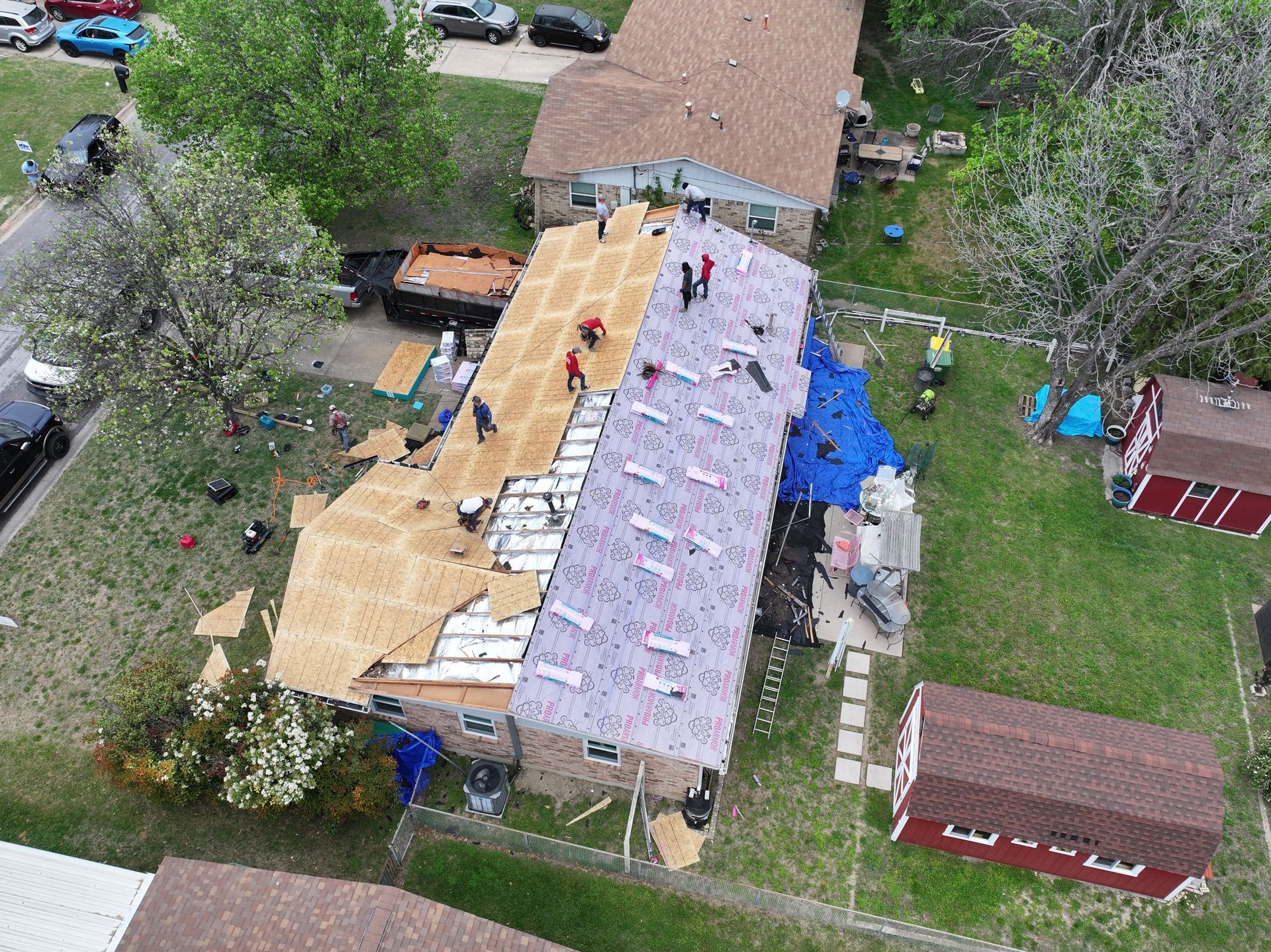
Once the homeowner accepts the estimate, a contract is drafted and signed. The actual roof replacement process begins with the contractor confirming measurements and preparing the work area. This involves removing the old roofing material and ensuring that the area is clear of debris. The contractor will then install the new roof, following industry standards and local building codes. Finally, the homeowner will have the opportunity to inspect the completed roofing job and ensure that it meets their expectations and all necessary requirements. Understanding this process is essential for homeowners as they consider whether to stay home or leave during the roof replacement.
What to Expect: Noise, Mess, and Movement
During a roof replacement, homeowners can expect some noise, mess, and movement. It's important to consider these factors when deciding whether to stay home or leave. Here are a few things to expect:
- Constant banging and noise from the construction crew as they remove the old roof and install the new one.
- Roofing debris, such as shingles and nails, may fall during the replacement process, causing a mess.
- Increased noise levels inside the house due to the construction work happening outside.
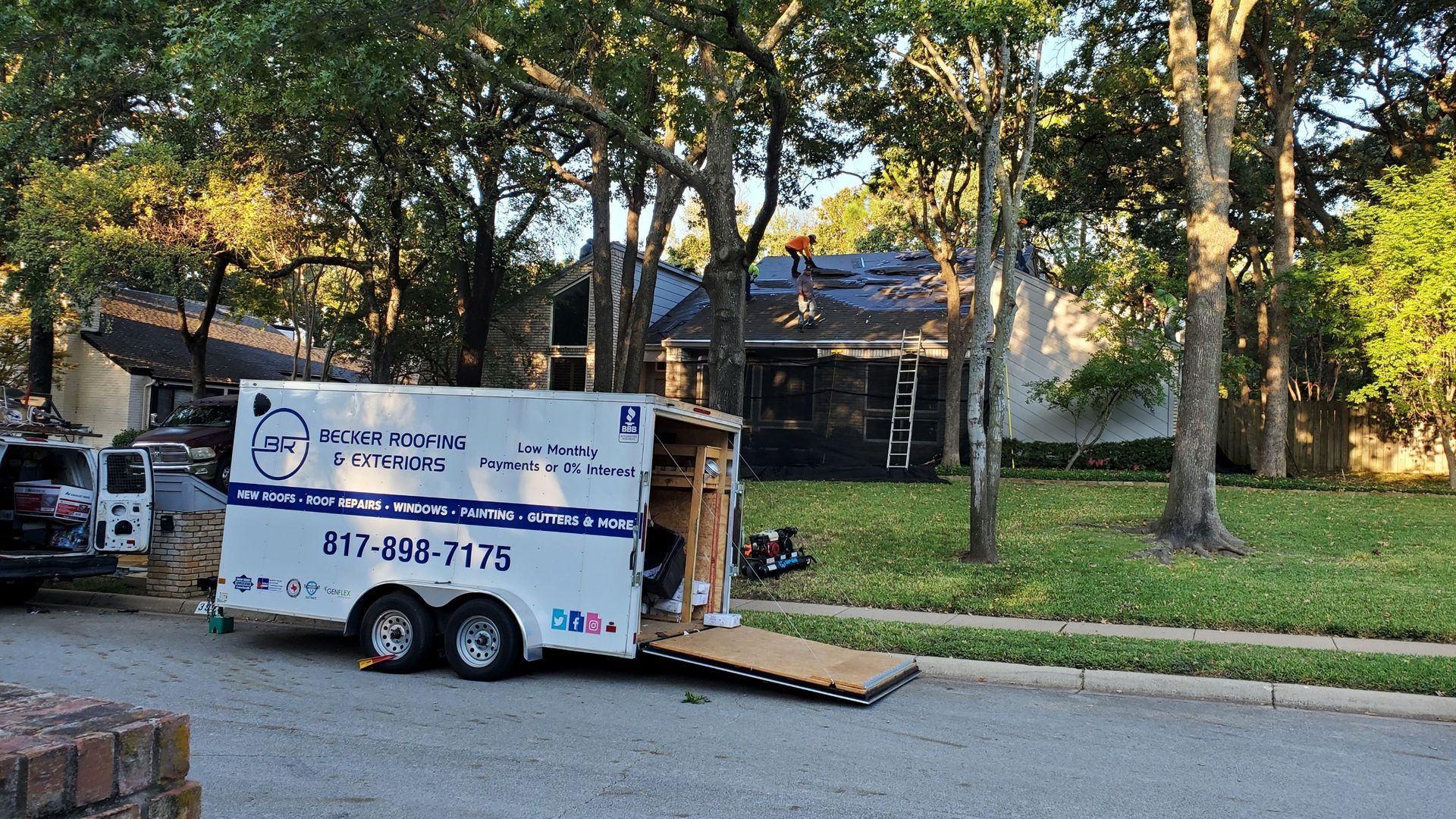
- Movement of workers and equipment around the property, including the use of ladders, scaffolding, and trucks.
While these factors can be disruptive, many homeowners choose to stay home and find ways to manage the noise and mess. Others prefer to leave and return once the roof replacement is complete. The decision ultimately depends on individual preferences and the ability to tolerate the temporary inconveniences.
The Role of Technology in Modern Roofing Projects
Modern roofing projects often incorporate technology to enhance the overall efficiency and energy performance of the roof. This can be an important consideration for homeowners when deciding whether to stay home or leave during the roof replacement. Some ways technology can benefit roof replacements include:
- Energy-efficient roofing materials that help reduce heating and cooling costs.
- Smart technology, such as solar panels and integrated sensors, that optimize energy usage and provide real-time data for monitoring and maintenance.
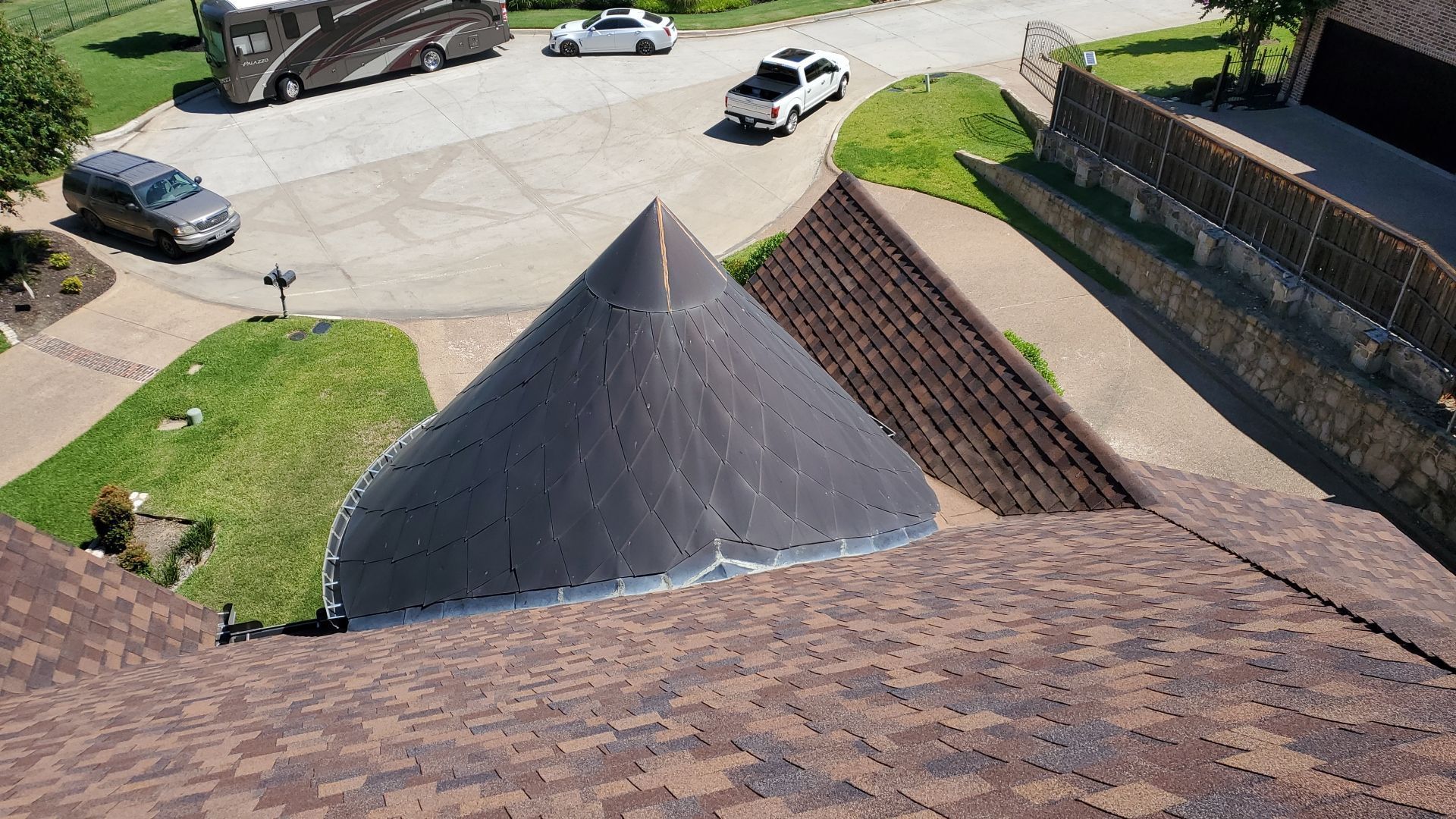
- Innovative roofing systems that improve insulation and ventilation, creating a more comfortable living environment.
By staying home during the roof replacement, homeowners have the opportunity to learn about and take advantage of these technological advancements. They can also communicate with the roofing contractor to ensure that energy-efficient options are incorporated into their new roof. However, it is important to note that the role of technology may vary depending on individual roofing projects and preferences.
Pros of Staying Home During the Install
Staying home during a roof replacement offers several advantages for homeowners. By remaining on-site, homeowners have immediate access to their roofing contractor, allowing them to address any questions or concerns in real-time. They also have the opportunity to oversee the quality of work and ensure that it meets their expectations. Additionally, staying home provides convenience for final inspections, as homeowners can be actively involved in the process and ensure that all state and local code requirements are met. Overall, staying home allows for increased involvement and peace of mind throughout the roof replacement.
Immediate Access for Queries and Concerns
One of the advantages of staying home during a roof replacement is the immediate access homeowners have to their roofing contractor. This allows them to address any queries or concerns that may arise throughout the process. By having a project manager on-site, homeowners can have direct communication with the contractor and receive timely answers to their questions. This immediate access ensures that homeowners can make informed decisions and stay well-informed about the progress of the roof replacement. It also allows for clear and efficient communication, reducing the chances of misunderstandings or delays. Overall, staying home provides homeowners with peace of mind and the ability to actively participate in the roof replacement project.
Oversight on the Quality of Work
Another advantage of staying home during a roof replacement is the ability to oversee the quality of work. By being present during the installation process, homeowners can monitor the progress and ensure that the work is being done to their satisfaction. This hands-on approach allows for immediate identification and resolution of any issues or discrepancies that may arise. By seeing the work with their own eyes, homeowners can have greater confidence in the quality of the roof replacement and make any necessary adjustments or corrections in real-time. This level of oversight empowers homeowners to take an active role in maintaining the integrity of their new roof.
Cons of Being Home During Roofing
While there are advantages to staying home during a roof replacement, there are also some challenges to consider. Homeowners should be aware of the potential drawbacks before making a decision. Some of the cons of being home during a roof replacement include navigating noise and disruptions, safety risks for family and pets, and privacy issues with workers on-site. These factors can affect daily routines, peace of mind, and overall comfort during the roof replacement process. It's important to weigh these cons against the pros and consider personal preferences and circumstances when deciding whether to stay home or leave.
Navigating Noise and Disruptions
Staying home during a roof replacement can be challenging due to the noise and disruptions caused by the construction work. Here are some tips for navigating these challenges:
- Adjust your daily routine to accommodate the noise and disruptions caused by the roof replacement.
- Use noise-canceling headphones or spend time in quieter areas of the house to minimize the impact of the noise.
- Communicate with the roofing contractor to establish a schedule that minimizes disruptions and allows for periods of relative quiet.
- Plan activities outside the home during particularly noisy or disruptive phases of the roof replacement.
By being proactive and finding ways to manage the noise and disruptions, homeowners can make the stay-at-home experience more tolerable during the roof replacement process.
Safety Risks for Family and Pets
One of the important considerations when deciding whether to stay home during a roof replacement is the safety of family members and pets. Construction sites can pose potential hazards, and it's crucial to take necessary precautions. Here are some safety tips:
- Keep small children and pets away from the construction zone to minimize the risk of accidents or injury.
- Educate children about the potential hazards and instruct them to stay away from the roofing materials and equipment.
- Ensure that safety regulations, such as proper protective gear and caution signs, are followed by the roofing crew.
- Communicate any specific safety concerns or requirements to the roofing contractor to ensure a safe working environment.
By prioritizing safety and taking appropriate measures, homeowners can mitigate the risks associated with staying home during a roof replacement.
Privacy Issues with Workers On-Site
When staying home during a roof replacement, homeowners may experience privacy concerns due to the presence of workers on-site. Here are some considerations to address these issues:
- Close curtains or draw blinds to maintain privacy within the home.
- Consider using temporary partitions to create separate work and living areas.
- Communicate any specific privacy concerns to the roofing contractor, such as accessing the inside of the house.
- Maintain open lines of communication with the roofing crew to address any privacy issues that may arise.
By being proactive and addressing privacy concerns, homeowners can maintain a sense of privacy and peace of mind during the roof replacement process.
Preparing Your Home for Roofing Installation
Before the roof replacement begins, it's important to prepare your home to ensure a smooth installation process. Here are some key steps to consider:
- Clear the work area around the house to provide ample space for the roofing crew and equipment.
- Move outdoor furniture and other belongings away from the working construction area to protect them from potential damage.
- Secure any loose items, such as decorations or planters, to prevent them from becoming hazards during the roof replacement.
- Communicate any specific safety considerations or requirements to the roofing contractor to ensure a safe working environment.
- Cover sensitive areas, such as windows or fragile surfaces, to protect them from falling debris or damage during the roof replacement.
By taking these preparation steps, homeowners can help create a safe and efficient work environment for the roofing crew and protect their belongings during the roof replacement process.
Securing Indoor and Outdoor Belongings
During a roof replacement, there is a possibility of falling debris or other hazards that could potentially damage indoor and outdoor belongings. To safeguard your belongings, consider the following:
- Move valuable or delicate items away from areas where the roofing crew will be working.
- Cover furniture, electronics, and other items with tarps or protective materials to prevent them from getting damaged.
- Secure outdoor items, such as patio furniture or garden ornaments, to prevent them from becoming safety hazards.
- Communicate any concerns about specific belongings to the roofing contractor to ensure extra care is taken during the roof replacement.
By taking these precautions, homeowners can minimize the risk of potential damage to their belongings during the roof replacement process.
Planning for Pets and Children
When staying home during a roof replacement, it's important to plan for the safety and well-being of pets and children. Here are some tips to consider:
- Create a designated safe area away from the construction zone for pets and children to stay during the roof replacement.
- Inform children about the potential hazards and instruct them to stay away from the working area.
- Keep pets inside the house or in a secure outdoor area away from the construction zone to prevent them from getting injured or causing disruptions.
- Communicate any specific concerns or requirements regarding pets and children to the roofing contractor to ensure their safety during the roof replacement.
By planning ahead and taking appropriate measures, homeowners can ensure the safety of their pets and children during the roof replacement process.
Leaving Home During Installation: What to Consider
Leaving home during a roof installation is an option that many homeowners consider. Before making this decision, it is important to consider a few factors. These include the duration of the installation, the safety concerns during the process, and the availability of suitable short-term accommodation options. Additionally, homeowners should consider their own comfort levels with the noise and disruption that comes with a roof replacement. Ultimately, the decision to leave home during installation depends on individual circumstances and preferences.
Short-Term Accommodation Options
If homeowners decide to leave home during a roof installation, there are several short-term accommodation options to consider. Staying with friends or family members is a popular choice, as it provides a familiar and comfortable environment. Homeowners can also explore local hotels or vacation rentals for a temporary place to stay. When choosing short-term accommodation, it is important to consider proximity to the home and the duration of the installation. It is also a good idea to inform the roofing contractor of the plans to ensure smooth communication and coordination throughout the project.
Keeping in Touch with Contractors Remotely
Staying in touch with contractors remotely is essential for homeowners who decide to leave during a roof installation. This can be done through regular communication with the project manager or roofing team. Homeowners should establish a communication plan before leaving, ensuring they have contact information for the project manager and any other key personnel involved in the project. Regular updates and photos can be shared to keep homeowners informed of the progress. Remote communication allows homeowners to make informed decisions and address any concerns or questions that may arise during the installation process.
Ensuring Safety Around the Worksite
Ensuring safety around the worksite is a crucial consideration during a roof installation. Homeowners should take proactive steps to establish safety zones and communicate effectively with the roofing crew. This includes designating a work area and ensuring that safety considerations such as fall protection and proper equipment usage are in place. Homeowners should also communicate with the project manager to establish clear expectations for safety protocols during the installation. It is important to be aware of potential safety hazards and take appropriate precautions to protect both the homeowners and the roofing crew.
Establishing Safe Zones
Establishing safe zones is an important step in ensuring safety during a roof installation. Homeowners should work with the roofing contractor to designate a specific work area where the crew can safely carry out their tasks. This area should be clearly marked and communicated to everyone involved. It is important to keep this work area free from any obstacles or hazards that could pose a risk to the crew or the homeowners. By establishing safe zones, homeowners can help create a safer working environment and minimize the potential for accidents or injuries during the installation process.
Communicating with Your Roofing Team
Communication with the roofing team is crucial during a roof installation. Homeowners should establish a clear line of communication with the project manager or designated contact person to address any concerns or questions that may arise. Regular updates and progress reports can be shared, allowing homeowners to stay informed and make informed decisions throughout the installation process. Effective communication ensures that any issues or discrepancies can be addressed in a timely manner, leading to a smoother and more successful roof installation.
Final Inspection and Post-Installation Care
The final inspection and post-installation care are important steps in the roof replacement process. Homeowners should be actively involved in the final inspection to ensure that the completed roofing job meets their expectations and all state and local code requirements. This includes checking the integrity of the attic and roof, looking for any signs of water damage or other issues. It is also important to inspect the gutter line and ensure that it is properly installed and functioning. Additionally, homeowners should discuss post-installation cleanup expectations with the roofing contractor to ensure that any debris or materials left behind are properly cleaned up. Taking these steps will help ensure the long-term integrity and performance of the new roof.
Checking Attic and Roof Integrity
Checking the attic and roof integrity is an important step in the final inspection process. Homeowners should carefully inspect the attic for any signs of water damage or leaks. This includes checking for dampness, mold, or discoloration on the ceiling or walls. It is also important to inspect the roof from the outside, looking for any loose or missing shingles, damaged flashing, or other signs of potential issues. By checking the attic and roof integrity, homeowners can identify and address any issues before they become major problems.
Post-Install Cleanup Expectations
Discussing post-install cleanup expectations with the roofing contractor is essential to ensure a clean and debris-free environment after the installation is complete. Homeowners should clarify what cleanup measures will be taken, including the removal of any roofing debris, nails, or other materials. It is important to establish expectations for the disposal of materials and the overall cleanliness of the worksite. By communicating these expectations ahead of time, homeowners can ensure that the post-install cleanup meets their standards and leaves their property in a clean and tidy condition.
Conclusion
In conclusion, deciding whether to stay home or leave during roofing installation depends on various factors. While being present allows immediate oversight and communication with the contractors, it can also lead to noise disturbances and safety concerns. Conversely, leaving home provides privacy but requires planning for temporary accommodation and remote communication. Whichever option you choose, ensuring safety around the worksite and conducting a thorough post-installation inspection are crucial for a successful roofing project. Consider these aspects carefully to make the best decision for your specific situation.
Frequently Asked Questions
How Long Does Roof Installation Typically Take?
A typical roof installation can take anywhere from one to five days, depending on factors such as the size and complexity of the roof and the weather conditions. It is best to consult with the roofing contractor to get a more accurate estimate based on the specifics of the project.
Can I Stay in My House with My Pets During the Install?
The decision to stay in the house with pets during the roof installation depends on individual circumstances. It is important to consider the safety concerns and potential hazards that may arise from having pets present during the construction process. It is best to consult with the roofing contractor and make an informed decision based on the specific situation.
What Should I Do If It Rains During the Installation?
If it rains during the roof installation, the roofing contractor will usually have a plan in place to protect the work in progress. They may cover the exposed areas with tarps or take other measures to prevent water damage. It is best to communicate with the roofing contractor and follow their instructions in such situations.