What Is the Appraisal Process in Insurance Claims?
Learn about what is the appraisal process in insurance claims and how it can impact your coverage. Explore more on our blog!
Understanding the Insurance Appraisal Process
Key Highlights
- The insurance appraisal process is a method used to resolve disputes between the insurance company and the insured regarding the amount of a covered loss.
- It involves the selection of impartial appraisers by both parties, who then work together to determine the amount of the loss.
- The appraisal process is an alternative to going to court and can be a more-effective and expedient way to reach a settlement.
- It is particularly useful in cases where there is disagreement over the extent of property damage and the value of the insurance claim.
- The appraisal clause in an insurance policy provides the framework for the appraisal process and outlines the rights and responsibilities of both parties.
- The involvement of an impartial umpire is a key component of the appraisal process and ensures a fair resolution.
Introduction
The insurance appraisal process can be a complex and confusing aspect of filing an insurance claim. When property damage occurs and you're looking to get compensated by your insurance company, it's important to understand how the appraisal process works. This blog will provide you with a comprehensive understanding of the insurance appraisal process, including its key highlights, the basics, when to consider it for your claim, how to select an appraiser, the steps involved, and more.
The Basics of the Insurance Appraisal Process
The insurance appraisal process is a method used to resolve disputes between the insurance company and the insured regarding the amount of a covered loss. It is an alternative to going to court and can be a more cost-effective and expedient way to reach a settlement. The process involves the selection of impartial appraisers by both parties, who then work together to determine the amount of the loss. If the appraisers cannot agree on the amount, an impartial umpire is brought in to make a final ruling.
Defining the Insurance Appraisal Process
The insurance appraisal process is a method used to resolve disputes between the insurance company and the insured regarding the amount of a covered loss. It is a contractual provision that is typically included in insurance policies. When there is a disagreement between the parties about the amount of the loss, either party can make a written demand for an appraisal. Each party selects a competent, non-biased, and impartial appraiser who will assess the damage and determine the value of the loss. If the appraisers cannot agree on the amount, an impartial umpire is brought in to make a final ruling. The goal of the appraisal process is to provide an efficient and fair way to resolve disputes and determine the appropriate amount of compensation for the insured.
Key Components of the Appraisal Process in Insurance Claims
The appraisal process in insurance claims involves several key components:
- Insurance Carrier: The insurance company involved in the claim assigns an impartial appraiser to assess the damage and determine the value of the loss.
- Impartial Appraiser: The appraiser selected by the insured is responsible for assessing the damage and determining the amount of the loss.
- Appraisal Process: The process involves the appraisers from both parties working together to assess the damage and determine the value of the loss.
- Amount of Loss: The final determination of the amount of the loss is made by either an agreement between the appraisers or by the impartial umpire if the appraisers cannot agree.
When to Consider the Appraisal Process for Your Claim
It is important to consider the appraisal process for your insurance claim when you and your insurance company disagree on the amount of the covered loss. If you feel that the compensation offered by the insurance company is not sufficient to cover the damage to your property, you have the right to demand an appraisal. The appraisal process provides a fair and efficient way to resolve disputes and ensure that you receive the appropriate amount of compensation for your loss.
Scenarios Requiring an Appraisal
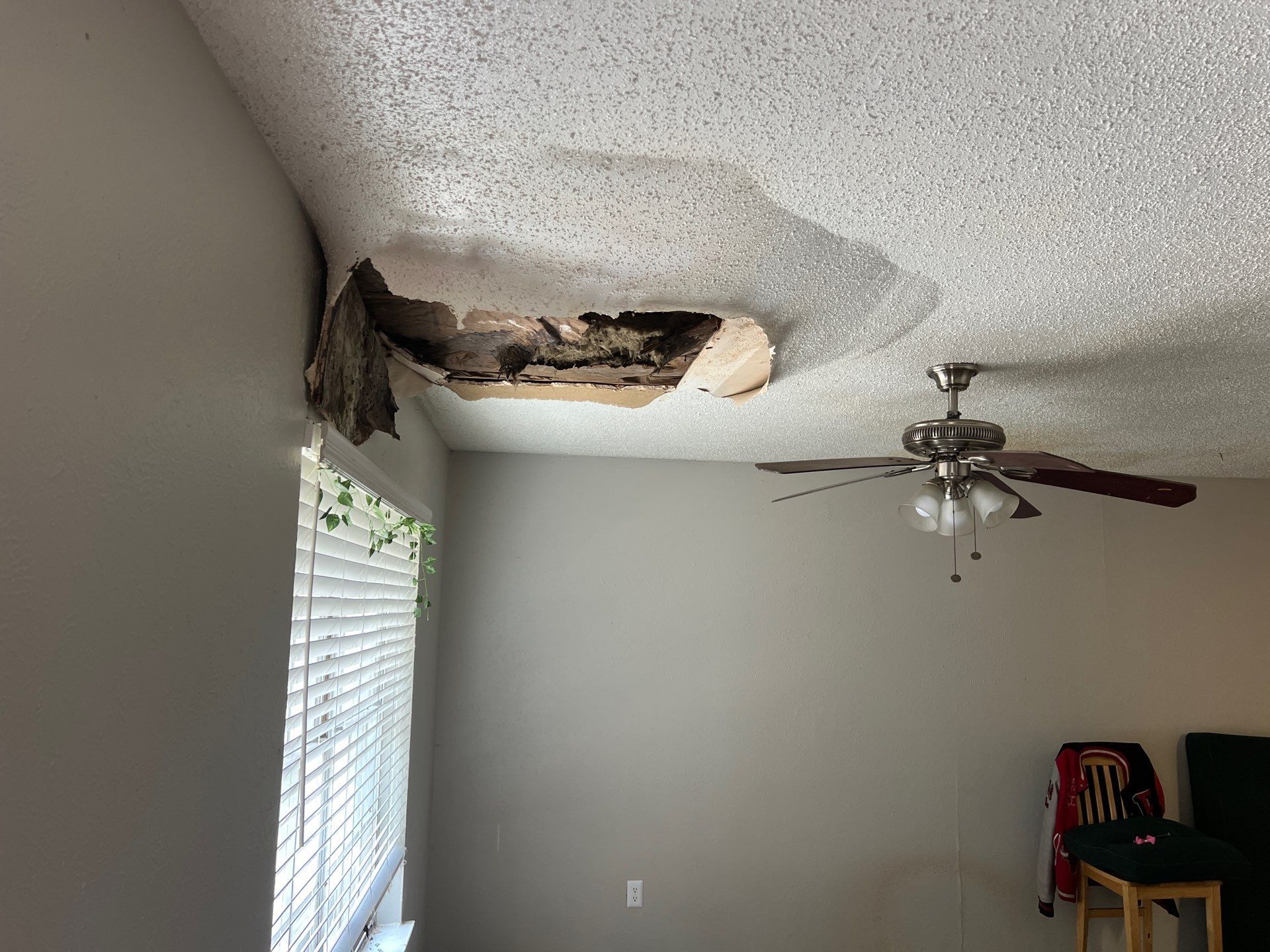
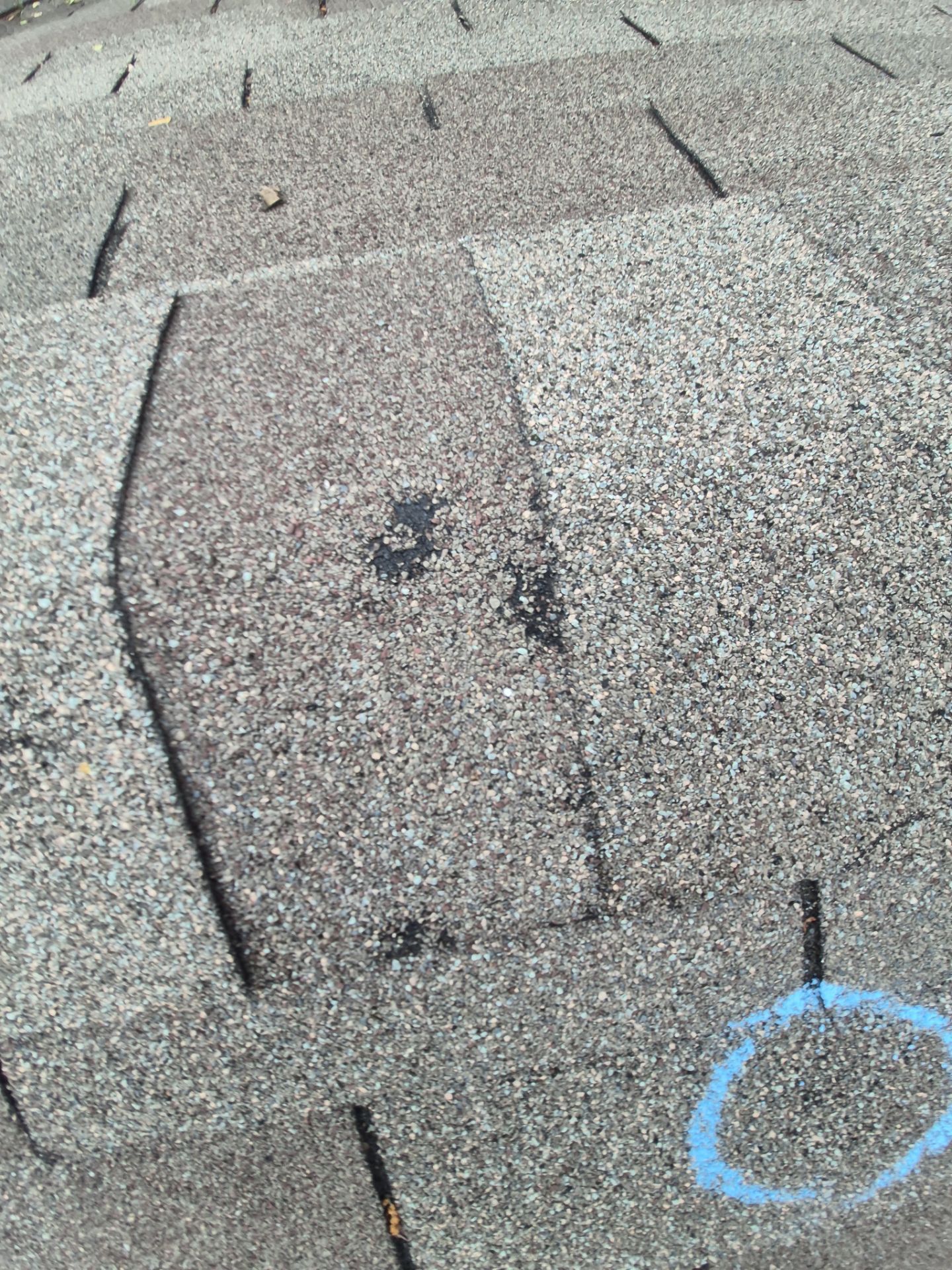
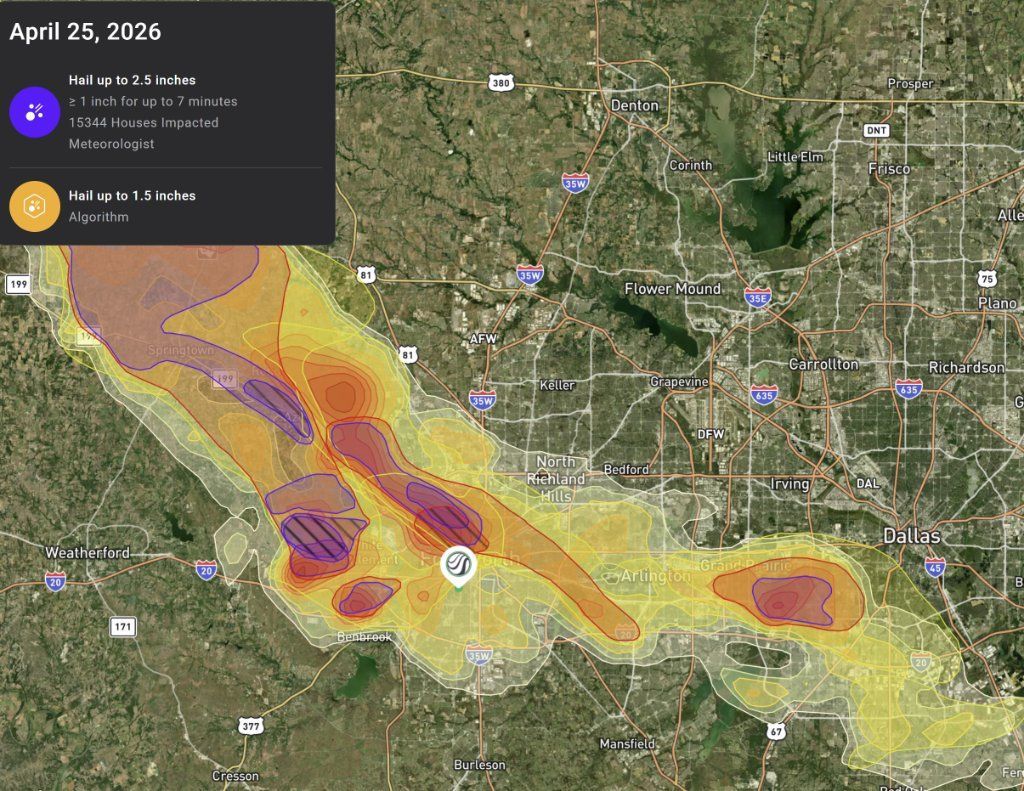
There are several scenarios in which it may be necessary to consider the appraisal process for your insurance claim. One common scenario is when your property has been damaged by a storm, such as hail or wind. In these cases, the extent of the damage and the value of the claim can be disputed between you and your insurance company. Another scenario is when you have a commercial roofing project and there is disagreement about the scope of the damage and the cost of repairs. Similarly, in residential roofing cases, the appraisal process can help resolve disputes over the amount of the insurance claim.
Benefits of Opting for an Appraisal
Opting for an appraisal in the insurance claim process offers several benefits. Firstly, many appraisers offer a free inspection of your property, allowing them to assess the extent of the damage and provide an accurate estimate of the repair costs. This can be particularly helpful if you are unsure about the extent of the damage or the value of your claim. Additionally, the appraisal process can help ensure that you receive competitive prices for the repairs needed, as the appraisers work to determine a fair and accurate value for the loss. By choosing the appraisal process, you can have confidence that your insurance claim will be handled fairly and professionally.
Selecting an Appraiser in Fort Worth, Texas
Selecting the right appraiser for your insurance claim is crucial to ensuring a fair and accurate appraisal. If you are in the Fort Worth, Texas area, it is important to choose an appraiser who is experienced, knowledgeable, and reputable. Look for an appraiser who has years of experience in the industry and positive customer reviews. Additionally, consider appraisers who are familiar with the Fort Worth area and have a reputation for professionalism and integrity. By selecting the right appraiser, you can have confidence in the appraisal process and ensure that your insurance claim is handled properly.
Qualities of a Reliable Appraiser
A reliable appraiser should possess several key qualities. Firstly, it is important to choose an appraiser who has years of experience in the insurance appraisal process. This experience ensures that the appraiser is familiar with the complexities of the process and can accurately assess the damage to your property. Secondly, consider appraisers who have positive customer reviews. These reviews can provide insight into the appraiser's professionalism, expertise, and customer service skills. Lastly, it is beneficial to select an appraiser who is familiar with the Fort Worth area. This familiarity ensures that the appraiser understands the local market and can accurately assess the value of the loss.
Finding the Right Appraiser for Your Needs
Finding the right appraiser for your needs is important to ensure a smooth and successful insurance appraisal process. When searching for an appraiser in the Fort Worth area, consider appraisers who specialize in roofing claims and have experience with insurance appraisals. These appraisers will have in-depth knowledge of the roofing industry and can accurately assess the damage to your property. Additionally, look for appraisers who prioritize customer service and offer free consultations. This allows you to discuss your claim with the appraiser and determine if they are the right fit for your needs. By finding the right appraiser, you can have confidence in the appraisal process and ensure that your claim is handled professionally.
Steps Involved in the Insurance Appraisal Process
The insurance appraisal process consists of several steps that must be followed to ensure a fair and accurate assessment of the loss. The first step involves initiating the process by making a written demand for an appraisal. This is followed by an initial inspection of the damage by both the policyholder and the insurance company. Once the appraisers are selected, they will begin the investigative process to determine the amount of the loss. If the appraisers cannot agree on the amount, an impartial umpire is brought in to make a final ruling. The involvement of the umpire ensures a fair and unbiased outcome.
Initiating the Process
The insurance appraisal process is initiated by making a written demand for an appraisal. This demand is typically made when there is a disagreement between the policyholder and the insurance company regarding the amount of the covered loss. Once the demand is made, an initial inspection of the damage is conducted by both the policyholder and the insurance company. This inspection allows both parties to assess the extent of the damage and determine the value of the claim. Following the inspection, the appraisers are selected, and they begin the investigative process to determine the amount of the loss. The involvement of the appraisers ensures a fair and accurate assessment of the damage.
What Happens During an Appraisal?
During an appraisal, the selected appraisers from both parties work together to assess the damage and determine the value of the loss. They conduct a thorough investigation of the property to determine the extent of the damage and the necessary repairs. This may involve consulting with roofing contractors and project managers to ensure an accurate assessment of the damage. The appraisers consider various factors such as the age and condition of the roof, the materials required for repairs, and the cost of labor. Once the appraisers have gathered all the necessary information, they work together to reach an agreement on the amount of the loss. If they cannot agree, an impartial umpire is brought in to make a final ruling.
Comparative Analysis of Appraisal and Traditional Claim Processes
When it comes to resolving insurance claims, the appraisal process offers several advantages compared to the traditional claim process. The appraisal process is typically faster and more efficient, as it does not require the involvement of lawyers or lengthy court proceedings. It also allows for a fair and impartial assessment of the damage, as both parties have the opportunity to select their own appraiser. Additionally, the appraisal process can be more cost-effective for both the insurance company and the insured, as it eliminates the need for extensive legal fees.
Speed and Efficiency
The appraisal process is known for its speed and efficiency compared to the traditional claim process. As it does not involve lengthy court proceedings or the involvement of lawyers, the appraisal process can be completed in a shorter timeframe. This allows for a faster resolution to the insurance claim and enables the insured to begin the necessary repairs sooner. Additionally, the appraisal process eliminates the need for extensive documentation and paperwork, further speeding up the process. Overall, the appraisal process is designed to be efficient and ensure a timely resolution to the roofing project.
Cost Implications
The appraisal process can have cost implications for both the insurance company and the insured. While there may be expenses associated with the appraisal process, such as the fees of the appraisers and the impartial umpire, it is generally more cost-effective compared to the traditional claim process. The appraisal process allows for a fair and accurate assessment of the loss, ensuring that the insured receives the appropriate compensation. This can help prevent disputes over the value of the claim and the cash value of the loss. Additionally, the appraisal process can lead to more competitive prices for the necessary repairs, as the appraisers work to determine a fair and accurate value for the loss.
Legal and Regulatory Considerations in the Appraisal Process
It is important to be aware of the legal and regulatory considerations in the insurance appraisal process. Each state may have its own regulations regarding the appraisal process, and it is important to understand these regulations to ensure compliance. Additionally, the insurance policy itself may contain specific clauses related to the appraisal process, including the rights and responsibilities of both the insured and the insurance company. By understanding the legal and regulatory considerations, you can ensure that the appraisal process is conducted in accordance with the applicable laws and regulations.
Understanding State Regulations
State regulations play a crucial role in governing the insurance appraisal process. Each state may have its own specific regulations and requirements regarding the appraisal process. These regulations may include guidelines for the selection of appraisers, the process for resolving disputes, and the rights and responsibilities of both the insured and the insurance company. It is important to familiarize yourself with the specific state regulations that apply to your insurance policy and the appraisal process. If you are in the Fort Worth area, it is particularly important to understand the regulations specific to Texas and ensure compliance with these regulations.
Your Rights During the Appraisal
As a policyholder, you have certain rights during the insurance appraisal process. These rights include the right to select your own appraiser, who will represent your interests in assessing the damage and determining the value of the loss. You also have the right to participate in the appraisal process and provide any necessary documentation or evidence to support your claim. Additionally, if the appraisers cannot agree on the amount of the loss, you have the right to bring in an impartial umpire to make a final ruling. These rights ensure that the appraisal process remains fair and impartial throughout.
Common Challenges and How to Overcome Them
The insurance appraisal process is not without its challenges, and it is important to be aware of these challenges and how to overcome them. One common challenge is disputes about the scope of the damage, where the insured and the insurance company may have differing opinions on the extent of the damage. To overcome this challenge, it is important to provide clear and detailed documentation of the damage and consult with experts, such as roofing contractors, to assess the damage accurately. Another challenge is handling delays in the appraisal process, which can be overcome by maintaining open communication with all parties involved and following up regularly to ensure progress is being made.
Disputes About Scope of Damage
Disputes about the scope of the damage can arise during the insurance appraisal process. The insured and the insurance company may have differing opinions on the extent of the damage and the necessary repairs. To overcome this challenge, it is important to provide clear and detailed documentation of the damage, including photographs and written descriptions. You can also consult with experts, such as roofing contractors, who can assess the damage and provide professional opinions. In cases where the appraisers cannot agree on the scope of the damage, an impartial umpire can be brought in to make a final ruling. By providing thorough documentation and seeking expert opinions, you can ensure a fair and accurate assessment of the damage.
Handling Delays in the Appraisal Process
Delays can occur during the insurance appraisal process, which can prolong the resolution of the insurance claim. To handle delays, it is important to maintain open communication with all parties involved, including the insurance company, appraisers, roofing contractors, and project managers. Regularly follow up with each party to ensure progress is being made and any necessary documentation or evidence is being provided in a timely manner. If there are any issues or concerns, address them promptly and work with all parties to find a resolution. By actively managing the appraisal process and maintaining open communication, you can help minimize delays and ensure a timely resolution to your insurance claim.
Success Stories: Appraisal Process Outcomes
The appraisal process has proven to be successful in resolving insurance claims and ensuring fair outcomes. Here are two case studies that demonstrate the positive outcomes of the appraisal process:
Case Study 1: Residential Claim Resolution
In this case study, a homeowner filed an insurance claim for damage to their residential roofing. The insurance company initially offered a lower amount of compensation than the homeowner believed was necessary to cover the repairs. The homeowner demanded an appraisal, and the appraisers were able to assess the damage and determine the appropriate amount of compensation. The homeowner was awarded a higher amount, which allowed them to get a new roof and fully cover the cost of the repairs. The appraisal process provided a fair and accurate resolution to the homeowner's insurance claim.
Case Study 2: Business Claim Settlement
In this case study, a business owner filed an insurance claim for damage to their commercial roofing. The insurance company and the business owner disagreed on the scope of the damage and the necessary repairs. The business owner demanded an appraisal, and the appraisers were able to assess the damage and determine the value of the loss. Through the appraisal process, the business owner was awarded compensation that allowed them to proceed with a commercial roof replacement. The appraisal process provided a fair and equitable settlement for the business owner's insurance claim.
Conclusion
In conclusion, understanding the insurance appraisal process is crucial for a fair and efficient resolution of insurance claims. By opting for an appraisal, you can expedite the assessment of damages and reach a satisfactory settlement. Knowing when to consider this process, selecting the right appraiser, and navigating any challenges that may arise are key steps towards a successful outcome. Whether it's a residential or business claim, the appraisal process offers a transparent and effective method of resolving disputes. Familiarizing yourself with the legal aspects and your rights during the process ensures a smooth experience and favorable results.
Frequently Asked Questions
What is the difference between an appraisal and an adjustment?
An appraisal and an adjustment are two different processes in the insurance industry. An appraisal is a method used to resolve disputes over the amount of a covered loss, while an adjustment refers to the process of investigating and settling an insurance claim. Appraisers are responsible for determining the value of the loss, while adjusters are responsible for processing and settling the claim.
Can both parties disagree with the appraisal outcome?
Yes, both the policyholder and the insurer can disagree with the outcome of the appraisal. If either party feels that the appraisal outcome is unfair or inaccurate, they can seek legal recourse or challenge the outcome through legal means. An impartial umpire may also be brought in to make a final ruling if the appraisers cannot agree on the amount of the loss.
How long does the appraisal process typically take?
The timeframe for the appraisal process can vary depending on the complexity of the insurance claim and the availability of the appraisers. On average, the appraisal process can take anywhere from a few weeks to a few months to complete. It is important to keep in mind that the appraisal process may take longer if there are any disputes or delays during the process.