Consumer's Guide: Roof Claims Not Paying What They Used To
Discover why roof claims not paying what they used to. Get insights on navigating this issue in our consumer's guide.
Roof Claims Not Paying What They Used To: A Consumer's Guide
Key Highlights
- Understanding your insurance coverage is crucial when it comes to roof claims
- Actual Cash Value policies may have a significant impact on your claim payout
- Deductibles and exclusions can affect the amount of money you receive from your insurance company
- The age your roof can play a role in how much you are reimbursed for roof damage
- Higher deductibles due to home value inflation can result in increased out-of-pocket expenses for roof claims
Introduction
Roof replacement is a major home repair that should not be taken lightly. When it comes to insurance claims for roof damage, it's important for homeowners to understand their coverage and the factors that can affect their claim payout. In this consumer's guide, we will delve into the key aspects of roof insurance claims to help you navigate the process, including understanding the exterior of your home and how it relates to your claim, and ensure you receive fair compensation.
Understanding Your Roof Insurance Coverage
Before filing a roof insurance claim, it is essential to review your insurance policy and understand the type of coverage you have. Different insurance policies may offer varying levels of coverage for property damage, including roof damage. Some policies may cover the full replacement cost of your roof, while others may only provide reimbursement based on the actual cash value (ACV) of your roof. In order for insurance to approve a claim for a full roof replacement, the Insurance Adjuster needs to determine that enough damage has occurred to the roofing system that a partial repair cannot restore the roof to its previous condition.
The Transition to Actual Cash Value Policies
In recent years, there has been a transition in the insurance industry towards actual cash value policies for roof claims. ACV policies take into account the age and condition of the roof when determining the claim payout, rather than providing full reimbursement for the replacement cost. This shift has resulted in homeowners receiving less money for roof damage, as the value of older roofs decreases over time. It is important to be aware of this change when filing a claim and to understand how it may affect the amount of compensation you receive from your insurance company.
Deciphering the Fine Print: Deductibles and Exclusions
When reviewing your insurance policy, it is crucial to pay attention to the fine print regarding deductibles and exclusions. Deductibles are the amount of money you are responsible for paying out-of-pocket before your insurance coverage kicks in. Exclusions are specific situations or types of damage that are not covered by your policy. Understanding the details of your policy can help you avoid any surprises when it comes time to file a claim and can ensure you are prepared for any deductible expenses.
The Impact of Roof Age on Insurance Claims
The age of your roof can have a significant impact on your insurance claim. Insurance companies take into consideration the age and condition of your roof when determining the claim payout. Older roofs are more susceptible to damage and may result in a lower claim payout. It is important to be aware of the age and type of roof you have, as well as its overall condition, when filing a claim, as this can affect the amount of compensation you receive.
How Roof Age Influences Claim Payouts
Insurance companies may reduce the claim payout for older roofs due to the increased likelihood of damage. As a roof ages, it becomes more vulnerable to wear and tear, leading to potential leaks and other issues. Insurance companies take this into consideration when determining the value of a roof claim. It is important to regularly maintain and inspect your roof to identify any potential issues before they escalate. This proactive approach can help minimize the impact of roof age on your insurance claim and ensure you receive fair compensation for the entire roof.
Strategies for Managing Older Roof Claims
If you have an older roof and are concerned about the impact it may have on your insurance claim, there are strategies you can employ to manage the situation. First, consider investing in regular roof maintenance and repairs to ensure your roof is in the best possible condition. This can help reduce the risk of damage and increase the likelihood of a higher claim payout. Additionally, you may want to explore the possibility of upgrading your insurance policy to provide better coverage for older roofs and potentially avoid paying a higher premium. By taking these proactive steps, you can better navigate the insurance claim process and potentially receive a higher claim payout.
Navigating Deductibles in the Dallas-Fort Worth Area
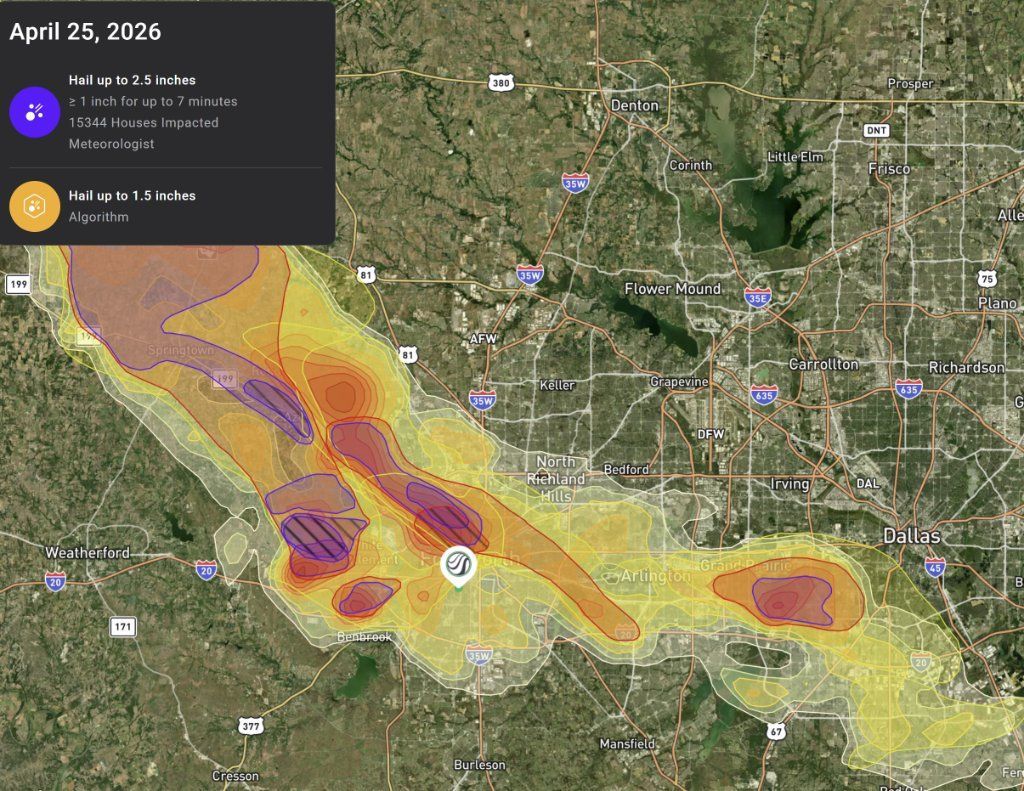
In the Dallas-Fort Worth area, homeowners need to navigate deductibles when filing insurance claims for roof damage, specifically hail damage. Deductibles are the amount of money that homeowners are responsible for paying out-of-pocket before their insurance coverage kicks in. It is important for homeowners in the Lone Star State to understand the deductibles associated with their insurance policies and how they can impact the overall cost of their roof claim, especially when it comes to hail damage.
The Rise of 2% Deductibles Explained
One notable trend in the Dallas-Fort Worth area is the rise of 2% deductibles for roof claims. This means that homeowners are responsible for paying 2% of their property's insured value as a deductible. While this may result in a higher out-of-pocket expense, it can also lead to a lower insurance premium. It is important for homeowners to carefully consider the pros and cons of a 2% deductible and to budget accordingly to ensure they are prepared for any potential roof damage and the associated costs.
Tips for Budgeting Your Roof Deductible
Budgeting for your roof deductible is a good idea to ensure you are prepared for any unexpected expenses. Start by reviewing your insurance policy to determine the amount of your deductible. Once you have this information, set aside funds specifically for your deductible in a separate savings account. Consider setting up automatic transfers to this account each month to gradually build up your deductible fund. By budgeting for your roof deductible, you can avoid any financial strain when it comes time to file an insurance claim for roof damage.
Exclusions That Could Affect Your Roof Claim
Understanding the exclusions in your insurance policy is essential when it comes to filing a roof claim. Exclusions are specific situations or types of damage that are not covered by your policy. Common exclusions for roof claims may include cosmetic damage, pre-existing conditions, and inadequate maintenance. It is important to carefully review your insurance policy and be aware of any exclusions that could affect your roof claim. This knowledge will help you navigate the claims process and ensure you are prepared for any potential limitations in coverage.
Cosmetic Waiver and Metal Roofing Materials
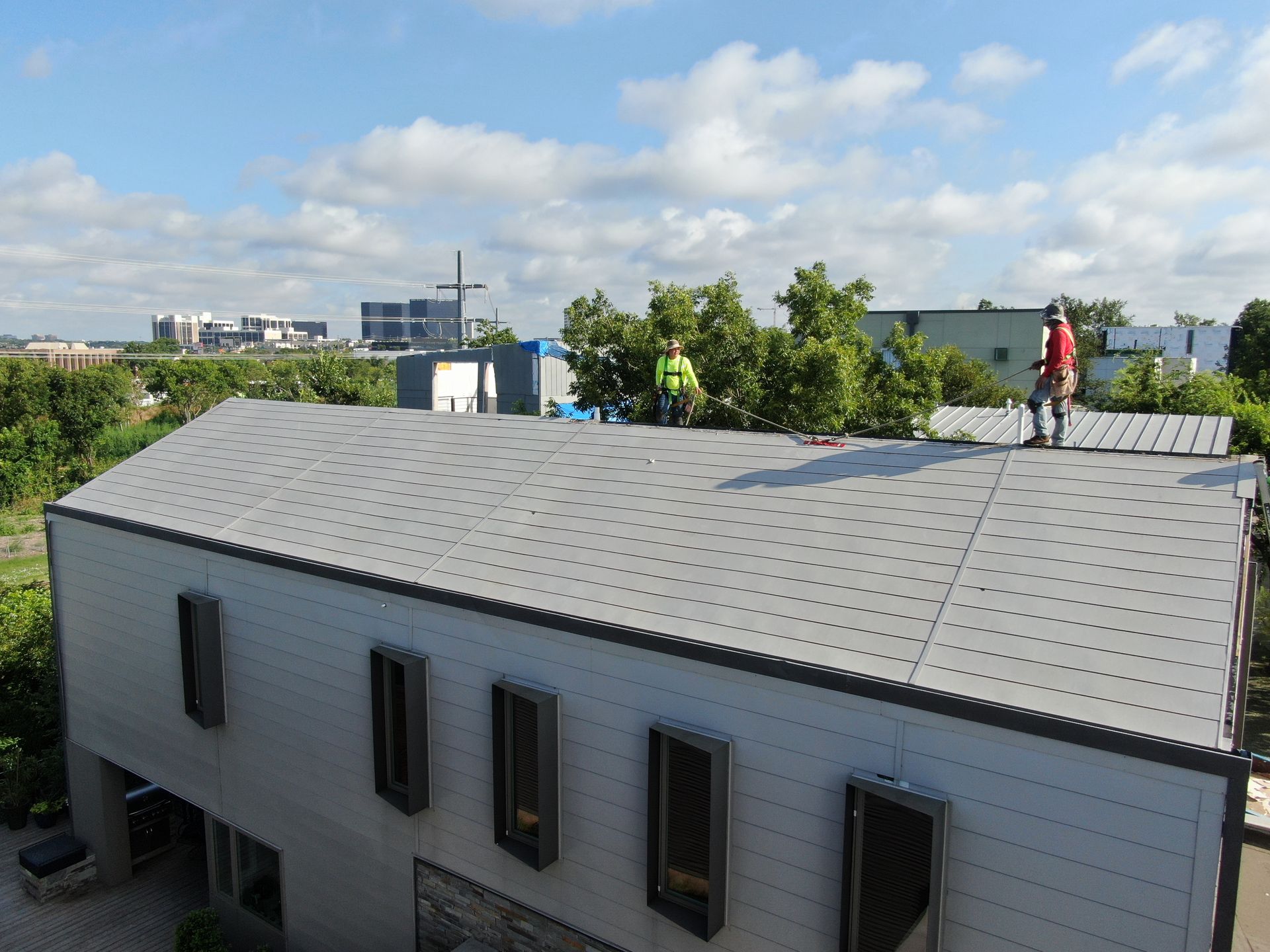
One common exclusion in insurance policies is a cosmetic waiver for roof claims. This means that any cosmetic damage to your roof, such as dents or scratches, may not be covered by your policy. This exclusion can be particularly relevant for homeowners with metal roofing materials, as these roofs are more susceptible to cosmetic damage. It is important to understand the terms of your policy and whether or not cosmetic damage is covered. If it is not covered, you may want to explore the possibility of adding additional coverage for cosmetic damage or consider alternative roofing materials that are less prone to cosmetic issues. Additionally, it is important to carefully review the terms of your policy and ensure that your insurer assumes the total cost of repairs, including any necessary repairs to your metal roof.
Understanding Cosmetic Marring Exclusions on Shingles
Another common exclusion to be aware of is cosmetic marring on shingles. Cosmetic marring refers to surface damage on shingles that does not impact their functionality or waterproofing capabilities. This type of damage may include discoloration, algae growth, or minor scratches, as well as flashing. Insurance policies may exclude coverage for cosmetic marring and flashing, as they are considered cosmetic issues rather than structural ones. It is important to review your policy and understand any exclusions related to cosmetic marring and flashing. By being aware of these exclusions, you can make informed decisions when it comes to maintaining and repairing your roof.
The Real Cost of Higher Deductibles Due to Home Value Inflation
Home value inflation can have a significant impact on the cost of higher deductibles for roof claims. As property values increase, insurance companies may adjust deductibles to reflect the higher value of homes. This means that homeowners may be responsible for higher out-of-pocket expenses when filing insurance claims. It is important to consider the potential impact of higher deductibles due to home value inflation and to budget accordingly. By understanding the real cost of higher deductibles, homeowners can be better prepared for any potential roof damage and the associated expenses.
How Home Sale Price Inflation Affects Your Roof Claim
Home sale price inflation can have a significant impact on your roof claim. As home prices increase, so does the replacement cost of your roof. Insurance policies typically cover the replacement cost, which is the cost to replace the damaged roof with a similar one. However, insurance companies often factor in the deductible when determining the payout for a claim. Additionally, investing in a high-quality metal roof can also impact the cost of roof replacement, as it may be more expensive upfront but can save homeowners money on their energy bills and avoid costly repairs or replacements in the long run.
The deductible is the amount you are responsible for paying out of pocket before your insurance coverage kicks in. With home sale price inflation, the deductible may also increase, making it more challenging for homeowners to receive full compensation for their roof claim. It is important to review your insurance policy and understand how home sale price inflation can affect your deductible and overall claim payout.
Calculating Your Deductible: Land Value Consideration
Calculating your deductible for a roof claim should take into consideration the value of your land. The deductible is the amount you need to pay out of pocket before your insurance coverage applies. However, insurance companies may factor in the value of your land when determining the deductible for your roof claim.
Land value consideration is important because it can impact the amount you receive from your insurance claim. If the value of your land is high, the deductible may be higher as well, resulting in a lower payout for your roof claim. is essential to review your insurance policy and understand how the value of your land can affect your deductible and ultimately your claim reimbursement.
How to Ensure Your Claim Gets Approved
When it comes to filing a roof claim, there are steps you can take to increase the chances of your claim getting approved. First and foremost, document the damage thoroughly. Take pictures or videos of the roof damage and any related property damage. Keep records of any maintenance or repairs done to your roof in the past.
Working with an insurance adjuster is crucial for a successful claim. The adjuster will assess the damage and determine the amount of coverage you are eligible for. Be sure to provide all necessary documentation and be honest about the extent of the damage.
In some cases, it may be beneficial to seek professional help from a public adjuster or a professional roofer. They can assist in documenting the damage, negotiating with the insurance company, and ensuring a fair claim reimbursement. It is important to note that hiring a professional may come with additional costs, but it can greatly improve your chances of a successful claim, especially in cases where the roof is deemed a total loss.
Documentation and Maintenance Records
Documentation is crucial when filing a roof claim. Take pictures or videos of the damage to your roof and any related property damage. Document the date and time of the incident, as well as any relevant weather conditions. Keep copies of any repair receipts or maintenance records for your roof.
Maintenance records can play a significant role in your insurance claim. Regularly maintaining and repairing your roof shows that you have taken steps to prevent damage and prolong its lifespan. It can also help establish the cause of the damage, such as a maintenance issue or a specific incident.
Having thorough documentation and maintenance records can strengthen your claim and increase the chances of a successful reimbursement from your insurance company. It is important to keep these records organized and easily accessible in case you need to provide them during the claims process.
Working with an Insurance Adjuster: Do's and Don'ts
Working with an insurance adjuster is an essential part of the roof claim process. Here are some do's and don'ts to keep in mind:
Do's: Be cooperative and provide all necessary documentation and information requested by the adjuster. Be honest about the extent of the damage and any pre-existing conditions. Keep records of all communications with the adjuster, including emails and phone calls. Consider seeking professional assistance from a public adjuster or professional roofer to ensure a fair claim approval within the designated time limit.
Don'ts: Don't exaggerate or fabricate the extent of the damage. This can lead to claim denial or complications down the line. Don't settle for an unfair claim approval. If you believe the adjuster's assessment is inaccurate or inadequate, consider seeking a second opinion or professional assistance.
Working collaboratively with the insurance adjuster and following these do's and don'ts can increase the chances of a successful claim approval and a fair reimbursement for your roof damage.
The Role of a Roofing Contractor in Your Insurance Claim
A roofing contractor plays a vital role in the insurance claim process for roof damage. When filing a claim, it is important to have a professional roofer inspect the damage and provide an estimate for repairs or replacement. The roofer's assessment and estimate can serve as valuable documentation for your claim, as well as providing a more accurate and thorough roof inspection than an insurance adjuster.
A professional roofer can also assist in communicating with the insurance adjuster and providing additional information or evidence to support your claim. They can ensure that the damage is accurately documented and that the insurance company has all the necessary information to process your claim.
In some cases, the insurance company may require multiple estimates for the repairs or replacement. A reputable roofing contractor can provide these estimates and work with the insurance adjuster to ensure that the claim is handled efficiently and fairly.
Choosing the right roofing contractor is essential for a successful insurance claim. Look for a licensed and insured contractor with experience in handling insurance claims. They should be knowledgeable about the claims process and familiar with the requirements of your insurance company.
Choosing the Right Contractor for Your Insurance Needs
Choosing the right contractor for your insurance needs is crucial when filing a roof claim. Here are some factors to consider:
- Experience: Look for a roofing contractor with experience in handling insurance claims. They should be familiar with the claims process and have a track record of successfully negotiating with insurance companies.
- Reputation: Research the contractor's reputation and read reviews from previous customers. A reputable contractor will have positive feedback and a good standing in the community.
- Licensing and Insurance: Ensure that the contractor is properly licensed and insured. This protects you from liability in case of any accidents or damage during the repair or replacement process.
- Written Estimates: Obtain written estimates from multiple contractors and compare them. Make sure the estimates detail the scope of work, materials, and labor costs.
- Communication: Choose a contractor who communicates effectively and keeps you informed throughout the claims process. They should be responsive to your questions and provide updates on the status of your claim.
By considering these factors and choosing the right contractor, you can ensure that your insurance needs are met and that your roof damage is properly repaired or replaced.
The Contractor's Estimate vs. Insurance Adjuster's Report
When filing a roof claim, there may be a difference between the contractor's estimate and the insurance adjuster's report. This can be due to variations in the assessment of the damage, the materials and labor costs, or other factors. It is important to compare these estimates and reports to ensure a fair appraisal and claim approval.
Here is a breakdown of the differences between the contractor's estimate and the insurance adjuster's report:
Column Name A
Column Name B
Contractor's estimate
Insurance Adjuster's Report
Assessment of damage
Assessment of damage
Materials and labor costs
Materials and labor costs
Additional repairs or replacements
Exclusions or limitations
Timeframe for completion
Additional inspections or requirements
Warranty or guarantees
Coverage limits or restrictions
By comparing the contractor's estimate and the insurance adjuster's report, you can identify any discrepancies and work towards a fair resolution for your roof claim. It may be necessary to provide additional documentation or negotiate with the insurance company to ensure that your claim is properly reimbursed.
Conclusion
In conclusion, navigating roof insurance claims can be complex, especially with evolving policies and coverage details. Understanding your policy, deductibles, and exclusions is crucial to ensure fair claim payouts. Factors like roof age and home value inflation can impact your claim's approval and deductible calculations. Proper documentation, maintenance records, and working closely with insurance adjusters and roofing contractors can help streamline the claim process. Stay informed about policy changes and seek professional guidance to maximize your roof insurance benefits. Remember, being proactive and well-informed can make a significant difference in how your roof claim is handled.
Frequently Asked Questions
What to Do If Your Roof Claim Is Denied?
If your roof claim is denied, you have options. First, review the denial letter and reasons provided by the insurance company. Consider seeking professional help from a public adjuster or an attorney who specializes in insurance claims. They can assist in appealing the denial and help you fight for fair compensation.
How Can You Avoid Common Pitfalls in Roof Insurance Claims?
To avoid common pitfalls in roof insurance claims, follow these tips: hire a professional roofer for inspections and estimates, file your claim in a timely manner, and keep accurate documentation of the damage and repair process. These steps can help ensure a smoother claims process and increase your chances of fair compensation.