Pros and Cons of Spray Foam Attic Insulation Fort Worth

June 26, 2024

Becker Roofing: Spray Foam Attic Insulation Pros and Cons

Get insights on this effective insulation solution in the DFW area.
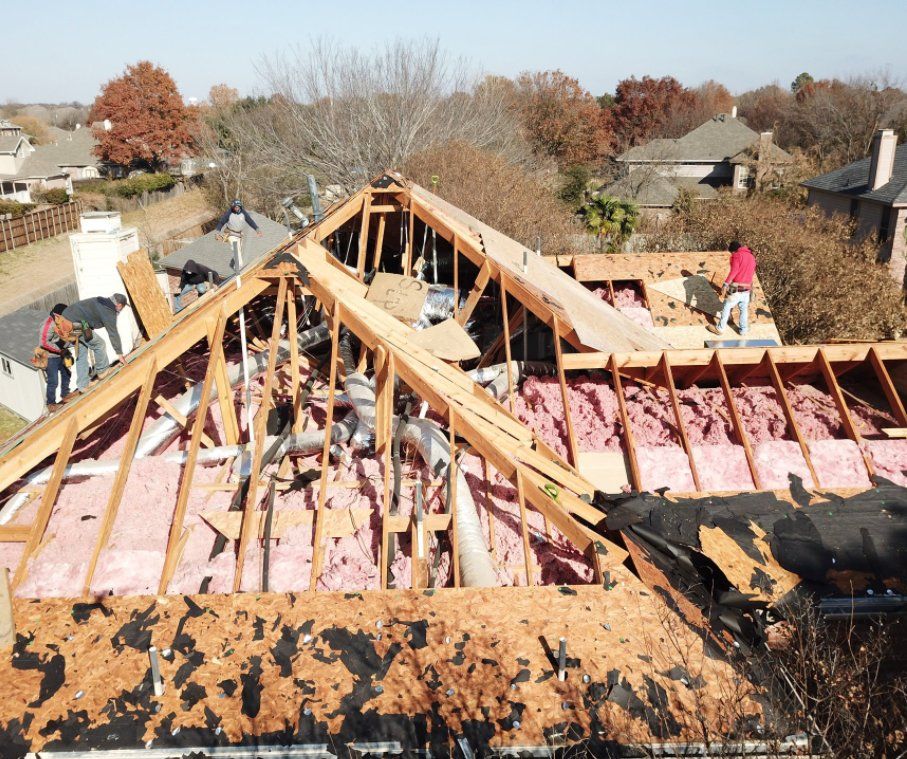
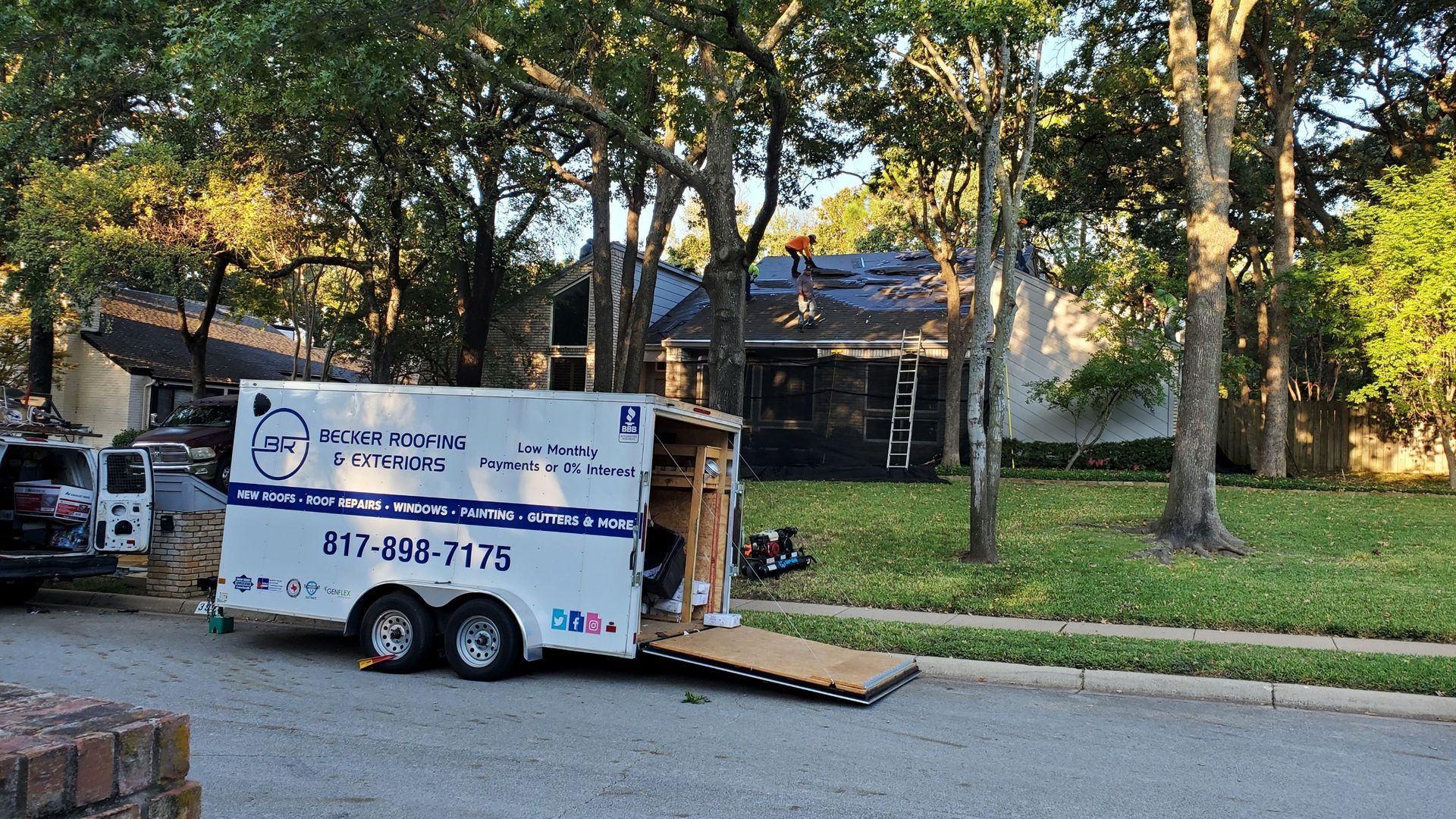
Redeck roof replacement in North Richland Hills Texas

Spray Foam Attic Insulation Fort Worth: Pros and Cons

Key Highlights

  • In Fort Worth, a lot of homeowners go for spray foam insulation because it's good at saving energy and lasts a long time.
  • With its help in keeping houses cooler in hot climates, folks find their energy bills going down and comfort levels going up.
  • On the downside, putting this type of foam insulation in your home might cost you more at first than other kinds of insulation would.
  • If someone doesn't do the job right, there's a chance that the spray foam could expand too much and cause some damage.
  • Some people are also worried about how safe it is to breathe around this kind of material due to concerns about toxicity affecting indoor air quality.

Introduction

In Fort Worth, spray foam insulation is becoming a favorite among homeowners for its many perks. It's sprayed on as a liquid and then expands into foam, sealing up spaces tightly. This way of insulating stands out from older methods because it offers several benefits that make people want to choose it.

Through this blog post, we're going to look at the good and bad sides of using spray foam insulation in Fort Worth homes. We'll highlight what makes this method special, how it works well in attics, and the advantages you can expect from it. On top of that, we'll talk about some downsides like how much you have to pay upfront and issues with moisture and mold.

We won't forget to explain some technical stuff too - like what R-value means for spray foam insulation or how well it keeps heat inside your house. By the time you finish reading this blog post, you’ll know all there is about spray foam insulation so you can decide if it’s right for your place in Fort Worth.

Understanding Spray Foam Insulation

Spray foam insulation is a kind of insulation that starts off as a liquid and then puffs up into foam to seal everything tightly. It's really good for attic insulation because it stops radiant heat from getting through. This isn't like the usual stuff you see, such as fiberglass or cellulose, because spray foam creates a tight barrier that fills in all the little spaces and cracks to keep your home's temperature just right. Since it sticks well to various surfaces, it's perfect for keeping attics cozy by blocking out unwanted heat or cold from creeping in.

What Is Spray Foam Insulation?

Spray foam insulation, often just called spray foam or foam insulation, is a special kind of material that gets sprayed on as a liquid and then puffs up into a foam to make an area completely sealed off from air. It's really popular for use in attics because it keeps the heat out (or in) by providing great thermal protection and stopping radiant heat from passing through.

This type of insulation comes together when two ingredients - polyol resin and isocyanate - are mixed. As soon as they combine, they puff up to fill any cracks or holes, making sure there are no gaps left. This means it can stick to uneven surfaces pretty well and makes sure no outside air sneaks in, which helps keep your energy bills down.

One big plus with using spray foam is how it does two jobs at once: insulating your space while also sealing any leaks with just one application. This not only stops drafts but also cuts down on wasted energy, making your house more comfortable while saving you money since its R-value (a way to measure how good something is at insulating) is so high.

How Is It Applied in Attics?

Spray foam insulation is a popular choice for keeping attics cozy by stopping radiant heat from coming in or going out. Before anything else, the attic needs to be tidy and clear of any mess or dust.

With that done, spray foam gets put on either under the roof's top layer or on the attic floor, depending where it's needed most. It's crucial this foam covers everything evenly - including those big beams in your roof called rafters - so there aren't any tiny cracks or spaces left open.

After being sprayed, this insulation grows bigger and sets solid, making sure no air sneaks through. This tight seal keeps your attic from losing warm or cool air you're trying to keep inside. So basically, with this kind of protection up there, your house stays more comfortable without having to crank up the heating when it’s cold outside.

Benefits of Spray Foam Insulation in Fort Worth

Spray foam insulation is a great choice for folks living in Fort Worth, especially because of how well it keeps energy use down. By creating an airtight barrier, this type of insulation stops air from sneaking out and cuts back on the need to crank up the heat or AC. This means you can save some money on your heating and cooling bills.

In places with hot weather, spray foam really shines by keeping indoor spaces cool and comfy without having to rely too much on air conditioning. On top of that, spray foam works like a shield against radiant heat from the sun, bouncing it back instead of letting it warm up your home. This feature adds another layer to its ability to help you save energy.

Energy Efficiency and Cost Savings

Spray foam insulation is really good at keeping your house warm or cool, so you don't have to spend a lot of money on your energy bills. The Department of Energy says that using spray foam can help cut down how much energy you use by 20% or even more when compared to the usual ways we keep our homes insulated.

Here's why spray foam insulation is great for saving energy and money:

  • It seals up any gaps tightly, stopping air from sneaking in or out. This means your home stays at a nice temperature without having to crank up the heating or cooling too much.
  • With this tight seal, there's less strain on HVAC systems (the stuff that heats and cools your place), which means they use less power and save you some cash.
  • Spray foam has something called a high R-value. That just means it’s really good at stopping heat from passing through it, helping keep your house cooler during those hot months.

Improved Home Comfort and Air Quality

Besides saving money and being good for energy use, spray foam insulation makes your home more comfy and the air better to breathe. With spray foam, you won't feel drafts or have air sneaking in because it seals up those gaps really well. This means your house stays at a nice even temperature everywhere, without some rooms feeling like an oven while others are like a fridge.

On top of that, this kind of insulation keeps out stuff from outside that you don't want to breathe in - like dust and other tiny particles. Because it's so snugly sealed with spray foam, only the cleanest air is hanging around inside.

But remember, even with all this great sealing going on, having fresh air move through your house is still key. That's why making sure things like fans and AC systems (that’s what HVAC stands for) are working right matters a lot too. They help keep the air moving so it doesn’t get all damp or stale inside because of too much moisture sticking around.

Durability and Longevity of Insulation

Spray foam insulation stands out because it's really tough and lasts a long time. It doesn't get squished or drop down like other kinds of stuff we might put in our walls, such as fiberglass or cellulose. This means it keeps your house warm or cool just as well from the day you install it until, well, forever.

With spray foam insulation, the material used is super strong and great at keeping heat where you want it - either inside or outside your home. So no matter if it's freezing cold in winter or boiling hot in summer, this type of insulation helps keep things comfy indoors all year round.

On top of that, spray foam is pretty awesome at keeping moisture and mold away. Because when they apply this kind of foam to insulate a place like Fort Worth homes; what happens is that an air-tight barrier forms which stops any wetness from getting through – meaning there’s nowhere for mold to start growing.

Drawbacks of Spray Foam Insulation

Spray foam insulation comes with its ups and downs, especially for folks living in Fort Worth who are thinking about using it in their homes. It's good to know what you're getting into before making a choice.

For starters, putting spray foam insulation in your home can be pricier at the beginning than other types of insulation. But looking at how much energy you could save over time and how long this type of insulation lasts might make it worth the cost.

On top of that, there's a chance moisture could get trapped or mold could start growing if the spray foam isn't put in right or if water gets inside somehow. To avoid problems like these, having someone do a great job installing it and checking on it now and then is really important.

Initial Installation Costs

When people think about putting spray foam insulation in their homes, they often worry about how much it will cost at the start. It's true that this kind of insulation usually costs more than older types like fiberglass or cellulose. But, looking at the big picture shows us that spray foam can actually save money over time.

With its top-notch ability to keep heat in or out, using less energy for heating and cooling your house is a huge plus of choosing spray foam. Even though you might spend more money upfront, these savings on your energy bills mean you'll eventually make back what you spent and then some.

Before making any decisions, it's a good idea to talk with several companies that put in insulation so you can compare prices and what they offer. A skilled contractor can take a look at your home and tell you exactly how much installing spray form would cost.

Potential for Overexpansion and Damage

One downside to using spray foam insulation is that it can grow too much and cause harm if not put in right. When you apply this kind of foam, it gets bigger and might push too hard against things if there's not enough room or the application isn't smooth.

This overgrowth could mess up walls, ceilings, or other parts of a house. To avoid any trouble, it's key to pick an insulation expert who knows how to work with spray foam properly.

Moreover, controlling how the spray foam expands is crucial. The person doing the job needs proper training and tools for good results without making the foam expand too much and damage anything.

Concerns About Toxicity and Health

People have been worried about how safe spray foam insulation is and the health problems it might cause. Some kinds of this foam insulation have chemicals that could be dangerous if they're not handled right.

When you're getting your home insulated, it's really important to pick a contractor who knows their stuff and uses spray foam products that are safer and don't mess up the air inside your house too much. These better-quality foams are checked out to make sure they meet safety rules.

For keeping any bad chemical smells or gases away, having good airflow in the place where you're putting in the insulation helps a lot. During installation and for some time after, making sure there's plenty of fresh air can help get rid of any nasty fumes.

If you've got worries about how this type of insulation might affect your health, talking over these concerns with an expert insulator is a smart move. They can offer advice on how to do things safely while sticking to all the necessary safety guidelines.

The Technical Side of Spray Foam Insulation

Spray foam insulation is all about keeping your home in Fort Worth warm or cool, and it's packed with some technical stuff that really makes a difference. At the heart of it, there's something called R-value. This tells you how good a material is at stopping heat from passing through - and spray foam is top-notch at this.

With spray foam insulation, we're tackling two big ways heat likes to move around: conduction and convection. Conduction happens when heat travels through solid things like walls. Convection? That’s when heat moves through air or liquids. By taking on both these methods head-on, spray foam provides excellent protection against unwanted temperature changes in your house.

R-Value Explained

The R-value tells us how well a material or combination of materials can stop heat from passing through. It's like a score for how good something is at keeping warmth in or out, showing off its insulating skills. When we talk about spray foam insulation, its high R-value shines light on just how great it is at this job.

With an impressive R-value, spray foam insulation stands out by offering top-notch resistance against the escape of heat and excels in keeping spaces warm or cool as needed. This means that buildings with spray foam are better at staying cozy without letting too much heat slip through.

Thanks to its strong performance in blocking unwanted temperature changes, using spray energy efficiency gets a big boost from the use of efficienty also plays into saving money and resources since it cuts down on the need to crank up air conditioning or heating systems so often. For folks living in places with hot climates like Fort Worth, choosing helps them keep their homes comfortable while dialing back on energy costs.

Open Cell vs. Closed Cell Foam

There are two main types of spray foam insulation: open cell foam and closed cell foam. Each type has its own advantages and considerations.

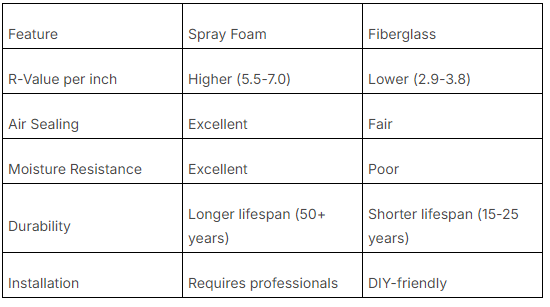
Open cell foam is a softer and more flexible material that expands when applied, creating a spongy texture. It has a lower density and is less expensive compared to closed cell foam. Open cell foam is an excellent sound insulator and provides good thermal insulation. However, it has a lower R-value than closed cell foam, which means it may not provide as much insulation in extreme climates.

Closed cell foam, on the other hand, is a denser and more rigid material. It provides a higher R-value and better thermal insulation than open cell foam. Closed cell foam also acts as a moisture barrier, making it ideal for areas prone to moisture-related issues. However, closed cell foam is more expensive and requires professional installation due to its higher density.

Here is a comparison between open cell foam and closed cell foam:
HVAC Considerations for Encapsulated Attics

When thinking about adding spray foam insulation to your home in Fort Worth, it's key to think about how it will affect your heating and cooling system and the air moving around in your house. If you decide to seal up and insulate your attic with this kind of foam, you need to pay extra attention to making sure there's enough fresh air coming in and out.

This type of insulation seals off the attic tightly, which can stop air from flowing freely like it normally does. This might make the temperature go up too much in that space. When that happens, your heating and cooling system has to work overtime trying to keep everything nice and comfy inside.

To deal with these sealed-up attics right, you should have a heating and cooling setup that works well with how tight everything is because of the spray foam. That means having ducts that are just the right size along with plenty of airflow so everywhere gets cooled down properly. Also think about putting in systems designed for pulling fresh air into your house while keeping old indoor stuffy air out; things like big fans for the whole house or gadgets that save energy by recycling heat could really help keep good quality indoor atmosphere.

Why HVAC Compatibility Matters

When picking an HVAC system, it's really important to make sure it works well with your spray foam insulation for a few big reasons. For starters, when your HVAC matches up right with the insulation in your attic that's been sealed off with spray foam, you're looking at saving some serious cash on energy bills because everything runs smoother and uses less power.

Then there’s comfort to think about. With spray foam keeping things tight and cozy by sealing up the attic, air moves around your house differently. You need an HVAC setup that gets this and can keep every room feeling just right without any weird hot or cold patches messing things up.

And don't forget about how long stuff lasts. Spray foam takes some of the pressure off your heating and cooling systems since they don’t have to work as hard to keep temperatures steady. This means not only could you be spending less money fixing or replacing them down the line but also enjoying a comfy home for longer without hassle.

Recommended HVAC Upgrades

Besides picking an HVAC system that works well with spray foam insulation, you might want to think about a few upgrades to make your Fort Worth house even more energy-efficient and better ventilated.

Starting with a programmable thermostat could be a smart move. It lets you set different temperatures for various times of the day, helping you use less energy and save money. A smart thermostat goes one step further by learning what temperatures you like and adjusting itself accordingly.

Then there's adding either an ERV (energy recovery ventilation) or HRV (heat recovery ventilation) system. By bringing in fresh air and capturing energy from the air going out, these systems lighten the load on your HVAC unit while making sure your indoor air is cleaner.

Making sure your ducts are properly sealed and insulated is crucial too. If ductwork leaks or isn't well-insulated, it can lead to wasted energy and make your system work harder than it needs to. Sealing up those leaks and wrapping the ducts right keeps airflow steady and maintains even temperature all over your place.

By considering these enhancements along with spray foam insulation for your home in Fort Worth, not only will you boost its energy efficiency but also improve how comfortable it feels inside.

The Impact on Roofing and Shingles

When you're thinking about adding spray foam insulation to your home in Fort Worth, it's really important to think about how it might affect your roof and the shingles on top. This type of insulation can change the way heat moves through your roof, which could end up affecting how well your roofing materials do their job and how long they last.

A big worry is that this kind of insulation could make your attic a lot hotter. Since spray foam creates a tight seal that stops heat from getting through, it can lead to higher temperatures up there. When the attic gets too hot, it can cause damage to the shingles above and make them wear out faster.

To help avoid problems with your roof and shingles because of this extra heat, making sure there's good airflow in the attic is key. Having enough ventilation lets hot air escape and keeps cooler air moving in so that things don't get too warm under those roofing materials. Also picking out roofing stuff that doesn't get as affected by radiant heat will mean they'll probably last longer if you've got an attic sealed off with spray foam insulation.

Risk of Voiding Shingle Warranties

When you're thinking about putting spray foam insulation in your attic, especially if you live in Fort Worth, it's crucial to know that this could mess with the warranties on your roof shingles. Roofing companies usually have a set of rules and tips for what kind of insulation and how to put it in so that their warranty stays good.

A lot of times, these warranties need your attic to be well-ventilated. This helps keep the roofing materials lasting longer. But here's the thing - spray foam can seal up spaces really tight, stopping air from moving around like it should. And when that happens, there goes your warranty.

Before jumping into adding spray foam insulation, talking to an expert roofer is a smart move. They'll tell you all about which insulating methods won't cause trouble with your shingle warranty. On top of that, they can make sure there’s enough airflow in the attic through proper ventilation techniques; this way heat doesn’t build up and harm those roofing materials.

Transposing Through Shingles: Causes and Prevention

In Fort Worth, when we talk about spray foam insulation for homes, there's a worry that the heat might move through the shingles. This happens because radiant heat from your attic goes through the shingles and makes your roof hotter. When this occurs, it can cause your shingles to wear out faster than they should.

To stop this from happening, you could put in a radiant barrier right under those shingles. A radiant barrier is just a shiny material that throws back the sun’s warmth instead of letting it cook your roof. By doing so, it keeps less heat from getting to your shingles which means cooler roofs and longer-lasting shingles.

On top of that, making sure you have good attic insulation and airflow helps fight against this problem too. The right amount of insulation stops much of the warmth from passing through your roof in the first place while having enough air movement gets rid of any warm air that does get into your attic space anyway. Using these methods together - adding both proper ventilation along with spray foam or other types insulations plus installing a reflective radiant barrier – really works well at keeping away unwanted rooftop heating and saving those precious singles.

Alternatives to Spray Foam Insulation

While spray foam insulation has its perks, it might not be the best fit for every house in Fort Worth. Luckily, other types of insulation can do a pretty good job too. Blown-in insulation and solar-powered attic vents are two popular choices.

With blown-in insulation, tiny bits of materials like fiberglass or cellulose are used to fill up spaces tightly, making sure heat stays where it's supposed to. This method is not only affordable but also simple to put into place and great at keeping your home warm.

On the other hand, if you're looking into cutting down on heat buildup in your attic without adding more foam or bulk, solar-powered attic vents could be what you need. These gadgets sit on your roof and use sunlight to pull hot air out from under it. They're good for the planet, easy on your wallet over time since they run off free energy from the sun and keep things cool upstairs without extra work.

So even if spray foam isn't right for everyone in Fort Worth seeking better insulation, these alternatives offer effective ways to insulate homes while improving ventilation using materials like fiberglass or innovative solutions such as solar-powered vents.

Blown-In Insulation: Pros and Cons

In Fort Worth homes, many people choose blown-in insulation over spray foam insulation because it has its own benefits and things to think about. Here's a look at the good and bad sides of using blown-in insulation:

Pros:

  • It saves money: When you compare it to spray foam, blown-in insulation usually costs less, which is great for homeowners looking to save.
  • Putting it in is simple: By blowing tiny bits of insulating material into place, installing blown-in insulation can be done quickly and efficiently.
  • Keeps heat out well: Blown-in insulation does a fantastic job filling up cracks and covering uneven spots. This makes a continuous barrier that stops heat from passing through.

Cons:

  • It might settle: As time goes by, there's a chance that this type of insulation could settle down lower than where it was originally put. To keep its ability to stop heat loss at its best, you might need regular check-ups or even add more later on.
  • -With moisture comes problems: If not installed right or if used in places where leaks happen often,blown-insulation can hold onto water. This wetness can cause mold to grow or ruin the insulation, making big issues for homeowners.

Solar Powered Attic Vents: An Overview

In Fort Worth homes, using solar powered attic vents is a great alternative to spray foam insulation for keeping attics cool and well-ventilated. These vents are set up on your roof and work off the sun's power. They have either a fan or a system that gets rid of the hot air in your attic, letting cooler air come in instead. By doing this, they cut down on how much heat builds up upstairs which makes it easier for your heating, ventilation, and air conditioning (HVAC) system to keep your house cool. This not only helps with energy efficiency but also means you're using less electricity.

On top of all that, solar powered attic vents are good for the planet since they use renewable energy from the sun. They don't need much looking after once installed and run quietly without causing any disturbance. So if you're thinking about ways to improve insulation or make cooling more efficient at home without relying too heavily on things like spray foam or other types of foam insulation methods while still caring about environmental impact—solar-powered attic fans could be just what you need.
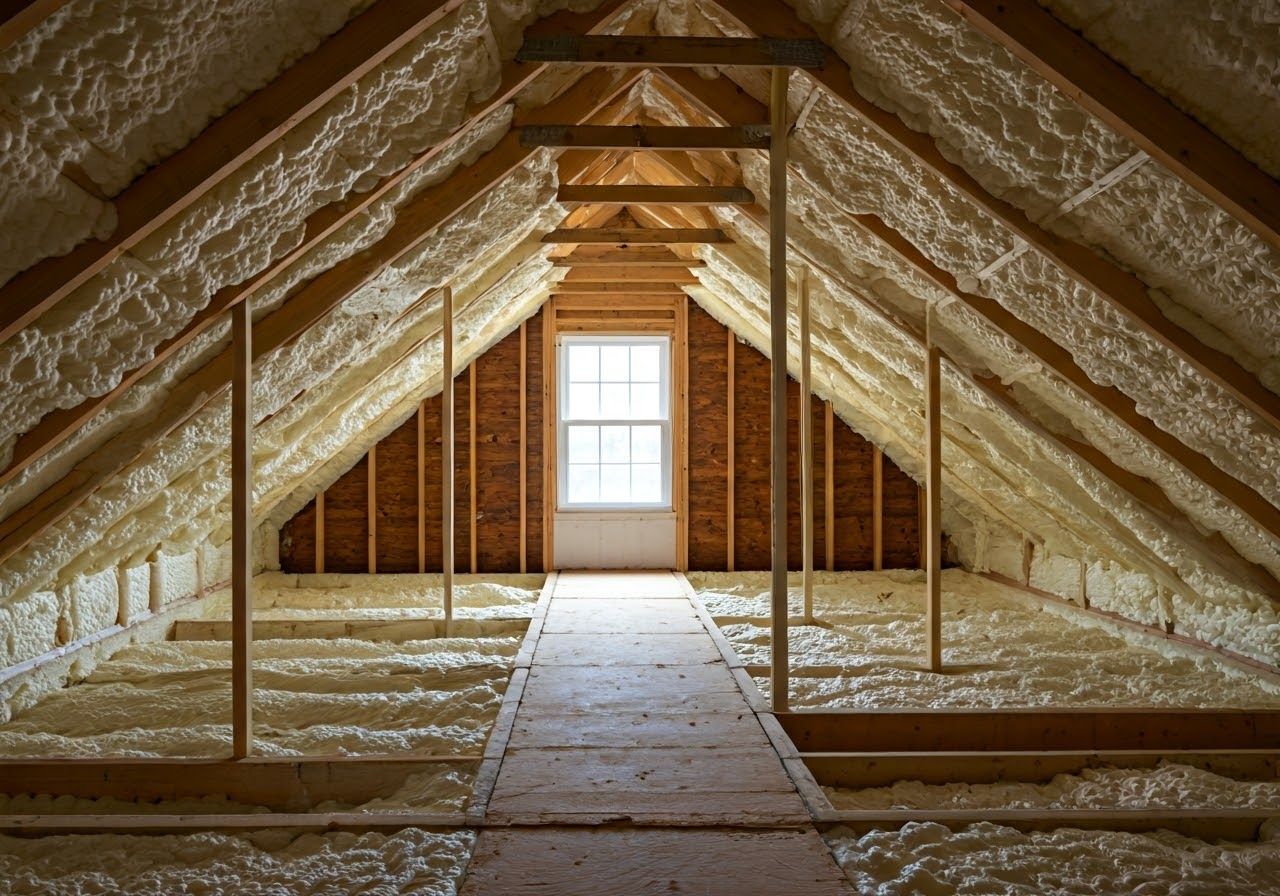
Spray foam in a Fort Worth attic, added by north Fort Worth Roofer.

Making the Decision for Your Fort Worth Home

When picking the best way to insulate your Fort Worth house, it's a big choice that really matters for keeping energy use down, making sure you're comfortable, and improving your home. Here are some things to think about before choosing:

  • With Fort Worth having hot summers and mild winters, think about how the weather affects what kind of insulation you need. You'll want something that keeps indoor temperatures steady all year.
  • Figure out how much money you can spend on insulation and compare costs between different types. Think about which ones will save you more money in the long run because they make your home more energy-efficient.
  • Look at how your house is built including stuff like attic space, any insulation already there, and the ventilation system. These details help decide which type of insulation works best.
  • Think about what goals you have for saving energy and see how various kinds of insulation could meet those needs by offering high R-values for better thermal resistance.

By thinking over these points and talking with experts in insulating homes, finding the right option for your place in Fort Worth becomes easier.

Factors to Consider Before Insulation

When you're thinking about adding insulation to your Fort Worth house, there are a few things you should keep in mind to make sure it works the best it can. Here's what you need to think about:

  • With attic stairs, they're important because they can let a lot of heat out or bring unwanted heat in. You might want to put an insulated cover over them or add some weatherstripping around them so less air gets through.
  • For warm areas, look for places that seem hotter than the rest of your house like rooms with big windows or walls that face south. These spots might need more insulation so everyone feels more comfortable and temperatures stay even.
  • On cool areas, pay attention to parts of your home like basements or any room that seems chilly due to not having enough insulation. Adding more here could help keep warmth from escaping and make those spaces cozier.

Taking care of these points helps ensure every part of your place is properly insulated which boosts energy efficiency and makes living there nicer by keeping temps just right.

How to Choose the Right Insulation Method

Picking the best way to keep your Fort Worth house warm or cool can seem tough. Here's what you should think about to make a smart choice:

  • Energy efficiency: Search for ways to insulate that have high R-values and are really good at stopping heat from passing through. The better the R-value, the more it stops heat.
  • Cost: Think about how much money you have and compare prices of different ways to insulate. Remember, some options might save you more money in the long run because they're better at keeping energy costs down.
  • Installation requirements: Decide if you want to put it in yourself or get someone who knows what they're doing. For example, putting in spray foam insulation is usually something professionals should do so it works right.
  • Compatibility with existing insulation: If your house already has some insulation, make sure whatever new type you add will work well with it and not cause problems.

Talking things over with experts on how houses stay warm or cool can help pick out just what fits your needs around saving energy, sticking within budget limits while getting everything set up properly for your home in Fort Worth.

Conclusion

To wrap things up, it's really important to get the full picture of what spray foam insulation can do for your home in Fort Worth before you decide. This type of insulation is great because it helps save energy and makes your house more comfortable. However, there are some things you need to think about first, like how much it'll cost at the start and if there might be issues with it expanding too much. The technical side matters a lot too - stuff like R-Value and different kinds of foam affect how well it works. On top of that, you've got to consider if this insulation will work okay with your HVAC system, what effect it could have on your roof, and whether other types of insulation might actually be better for you. By looking into all these points and checking out FAQs on spray foam insulation in Fort Worth homes specifically ,you can figure out if choosing this kind of foam is smart move or not.


Frequently Asked Questions

Is spray foam insulation right for every home?

Spray foam insulation might not fit every house perfectly. When thinking about it, you should look at your budget, what your home is like, and what you want to achieve with the insulation. By talking to experts in insulation, you can figure out which type of foam or other method will work best for keeping your Fort Worth home cozy and energy-efficient.

How long does spray foam insulation last?

Spray foam insulation stands out because of how long it lasts and its toughness. If put in the right way, it can stick around for as long as the building does, without ever needing to be swapped out. For folks living in Fort Worth, this means putting your money into spray foam insulation is a smart move since it pays off over time.

Can spray foam insulation be removed or replaced?

Spray foam insulation is meant to last forever, but if you really need to take it out or swap it for something else, you can. With that said, getting rid of spray foam isn't easy at all and usually takes a lot of time. You'll probably need someone who knows what they're doing with this kind of work - like a professional insulation contractor - to handle the job properly.

What are the signs of improper spray foam installation?

When spray foam insulation isn't put in right, a bunch of problems can pop up. You might notice things like gaps or cracks where you can see through the insulation, spots that got missed and don’t have enough coverage, or places where the foam didn’t stick well to what’s underneath. To avoid these issues, it's really important to pick a trustworthy contractor who knows how to do the job correctly.

How does weather in Fort Worth affect spray foam insulation performance?

In Fort Worth, the weather gets really hot in summer and pretty mild during winter. This kind of weather can affect how well spray foam insulation works. Things like changes in temperature, how moist or dry the air is, and sunlight hitting it directly might make a difference. But if the spray foam insulation is put in correctly, it should be able to handle these conditions without losing its ability to keep your place insulated.

Do I need to vacate my home during installation?

When you're getting spray foam insulation put in, it's usually a good idea to leave your house for a bit. The reason is that the chemicals involved can let off fumes which might bother your breathing. For advice on what exactly to do and when, talking with the person doing the installation is your best bet.

How can I ensure my HVAC system is compatible with spray foam insulation?

To make sure your spray foam insulation works well with your HVAC system, it's really important to think about having good airflow and ventilation. The person putting in the insulation needs to check out your current HVAC setup and might have to tweak or improve it a bit. This is all about making everything run smoothly and efficiently.

Are there environmentally friendly spray foam options?

Indeed, you can find spray foam insulation that's kind to the environment. These kinds use stuff from nature and don't hurt our planet as much. Instead of the usual spray foam, there are eco-friendly choices like foams made from soy or other natural materials. With these options, you still get great insulation but in a way that's better for Earth.
By 7064529413 May 22, 2026
Discover the pros and cons of metal roofing compared to asphalt shingles in our 2026 comparison guide. Make an informed choice for your home!
By 7064529413 May 15, 2026
Discover the different insurance adjuster types Texas and how they impact your roof claim. Get the insights you need to navigate the claims process effectively.
By 7064529413 May 11, 2026
Discover the key signs roof needs replacement, even if it isn’t leaking yet. Protect your home by learning when it’s time for a new roof.
By 7064529413 May 7, 2026
Discover why your roof insurance claim denied may be more common than you think. Our 2026 guide explores reasons and solutions for Texas homeowners.
By 7064529413 May 4, 2026
How to Choose Hail Resistant Shingles Texas for Your Roof Key Highlights Investing in hail-resistant shingles offers superior protection against Texas's frequent and severe weather. Class 4 shingles provide the highest level of impact resistance, tested to withstand significant hail impact. Upgrading your roof can lead to substantial insurance discounts, offsetting the initial investment. Popular options include durable asphalt shingles, metal roofing, and advanced composite materials. Choosing the right material and a certified contractor is crucial for long-term performance and peace of mind. New products, like TAMKO's Hail Guard shingles, come with warranties covering up to 3-inch hail. Introduction Living in Texas, you know that spring and summer can bring some intense weather. Hailstorms are a frequent concern for homeowners in areas like Fort Worth and Southlake, capable of causing significant damage to your property. Choosing the right roofing system is your first line of defense. This guide will help you understand the benefits of upgrading to shingles with high hail resistance, protecting your home from severe weather, and potentially saving you money on repairs and insurance in the long run. Understanding Hail Resistant Shingles in Texas When it comes to protecting your home from the elements, not all roofing products are created equal. Hail resistant shingles are specifically engineered to withstand the force of severe weather events. These shingles are designed with enhanced impact resistance to minimize damage from hailstones. For homeowners in hail-prone areas like North Richland Hills and Colleyville, upgrading to these advanced roofing products is a smart move. They provide an extra layer of security, reducing the likelihood of costly repairs and giving you confidence that your home is well-protected. Let's explore why hailstorms are such a big issue in Texas and the kind of damage they can cause. Why Hailstorms Are a Major Concern for Texas Homeowners Texas weather is known for its intensity, and hailstorms are a prime example. The state is located in what is often called "Hail Alley," an area that experiences frequent and severe storms capable of producing large hailstones. These storms can cause widespread storm damage, leading to a surge in repairs and insurance claim filings across communities. For homeowners, this means a new roof project might be an unexpected reality. The unpredictability of these storms makes it crucial to have a roof that can stand up to the challenge. How do Class 4 impact-resistant shingles perform during Texas hailstorms? They are specifically designed to endure these conditions. Tested to withstand impacts from 2-inch steel balls, they offer a level of protection that standard shingles simply can't match, significantly reducing the risk of damage from even intense hail events. This superior performance is why so many Texans are considering upgrades. A strong roof is more than just shelter; it's a critical defense against the financial and emotional stress that comes with storm damage. Common Types of Roof Damage Caused by Hail Hail can wreak havoc on a roof, and the damage isn't always immediately obvious. Standard shingles are particularly vulnerable to the blunt force of hailstones, which can compromise the entire roofing system. The most common issue is granule loss, where the protective top layer of the shingle is knocked away, exposing the asphalt beneath to the elements. This exposure accelerates wear and tear, but the damage can be more severe. A powerful hailstorm can cause: Cracks and fractures in the shingles Bruising or "dents" that weaken the material Damage to the underlying roof deck Compromised seals, leading to leaks and potential structural damage So, how can I tell if my current shingles are hail resistant or not? After a storm, look for these signs. If you see significant granule loss in your gutters or noticeable dents on the shingle surfaces, you likely have standard shingles. Hail-resistant shingles are designed to prevent this type of storm damage. Importance of Upgrading to Impact Resistant Shingles Upgrading to shingles with a high impact resistance rating is one of the smartest investments a Texas homeowner can make. These shingles provide extra protection that goes far beyond what standard materials offer, giving you invaluable peace of mind during storm season. The roofing industry has developed these products specifically for regions that face severe weather. Many insurance companies recognize the value of this upgrade. By installing shingles with the highest rating (Class 4), you significantly reduce the risk of filing a claim, which can lead to lower annual premiums. This financial incentive makes the initial investment in better materials much more palatable. Are there building codes in Texas that require impact-resistant shingles in hail-prone areas? While not universally mandated across the state, some municipalities or specific developments are beginning to adopt stricter codes that require or recommend them. It's always best to check local regulations, but regardless of code, the practical benefits make them a wise choice for any Texas home. What Makes a Shingle Hail Resistant The secret to a shingle's hail resistance lies in its construction. These specialized roofing products are engineered with advanced materials and manufacturing techniques to absorb and deflect the energy from hail impacts. This is what earns them a high impact rating, differentiating them from standard roofing. A shingle's ability to resist hail is a key part of a robust roofing system. It's not just about the surface material but also how it's reinforced and how flexible it is under stress. We'll look at the specific features, testing methods, and materials that contribute to this superior durability. Key Features of Impact Resistant Shingles What are the best hail resistant shingles available in Texas for protecting my roof? The answer lies in looking for shingles with specific, engineered features designed for durability. These advanced materials provide a level of performance that standard shingles can't match, giving you peace of mind during storm season. The key to their strength is a combination of flexibility and resilience. These shingles are made to bend and absorb impact rather than crack or shatter. This is achieved through several key components working together. Polymer-Modified Asphalt: A rubberizing polymer is blended into the asphalt, making it more flexible and able to absorb force. Reinforced Matting: A tough fiberglass or polyester mat acts as a strong backbone, preventing splitting and tearing. Superior Granule Adhesion: Advanced adhesives keep the protective granules in place, even after an impact. High Wind Resistance: These shingles often feature aggressive sealant strips to prevent wind uplift, providing a complete storm-proof system. Together, these features create a shingle that offers superior impact resistance and stands up to the severe weather common in Texas. How Class 4 Roofing Shingles Are Tested and Rated The term "Class 4" isn't just a marketing slogan; it's a specific certification earned through a rigorous testing process. The industry standard is the UL 2218 impact test, developed by Underwriters Laboratories. This rating system provides a clear, objective measure of a shingle's ability to withstand blunt force. The test is straightforward but brutal. How do Class 4 impact-resistant shingles perform during Texas hailstorms? The test mimics this by dropping steel balls of different sizes from specific heights onto the shingle. To earn a Class 4 rating, the highest impact rating possible, a shingle must withstand being hit by a 2-inch steel ball dropped from 20 feet, without cracking or fracturing. This steel ball test simulates the kinetic energy of very large hail, proving that Class 4 shingles can handle the worst-case scenarios that Texas weather can dish out. Shingle Class Steel Ball Size (Diameter) Level of Protection Class 1 1.25 inches Basic impact resistance Class 2 1.50 inches Moderate impact resistance Class 3 1.75 inches Good impact resistance, handles golf-ball-sized hail Class 4 2.00 inches Highest impact resistance, built for severe storms The Role of Material Composition in Hail Resistance The material a shingle is made from plays the most critical role in its ability to resist hail. Traditional asphalt shingles are susceptible to granule loss and cracking under impact. However, advanced materials have changed the game, offering far superior protection. Impact-resistant asphalt shingles are modified with a rubberizing polymer, like SBS (styrene-butadiene-styrene), which gives them flexibility. This allows the shingle to absorb the force of a hailstone and bounce back, rather than shattering. How do metal roofs compare to asphalt shingles for hail resistance in Texas? A metal roof offers excellent protection against penetration; while a large hailstone might leave a cosmetic dent, the roof's integrity will remain intact. Other composite options are also available, engineered from robust polymer resins. These advanced materials are designed to be extremely durable, often mimicking the look of natural slate or wood but with a built-in Class 4 rating. This variety of materials allows homeowners to choose the best balance of performance, aesthetics, and budget for their needs. Popular Hail Resistant Shingle Brands and Products With the growing demand for durable roofing products, many manufacturers in the roofing industry now offer excellent hail-resistant options. These shingles are designed to protect homes in storm-prone areas, giving you a range of choices in both style and performance. From advanced asphalt shingles to innovative composite materials, there are several leading brands to consider. These products not only provide superior protection but also offer great aesthetics to enhance your home's curb appeal. Let's look at a few popular choices, including a new standout from TAMKO and other trusted names. TAMKO Hail Guard Shingles and Their 3-Inch Hail Warranty When considering specific brands, TAMKO has recently introduced a game-changer with its Hail Guard shingles. These shingles are engineered to withstand significant hail impact, making them an excellent choice for homeowners concerned about severe weather. What sets them apart is their impressive warranty. Are there specific shingle brands recommended for hail resistance in Texas? TAMKO is certainly one to consider, especially with its new offering. The Hail Guard shingles come with a groundbreaking 3-inch hail warranty. This is a significant step up in protection, as most top-tier warranties cover hail up to two inches. This level of coverage provides an unmatched sense of security for homeowners in the most hail-prone regions of Texas. This robust warranty demonstrates TAMKO's confidence in their product's ability to perform under extreme conditions. For homeowners and insurance companies alike, this kind of guaranteed protection against such large hail makes these shingles a highly attractive option. Other Leading Class 4 Roofing Shingle Brands Beyond TAMKO, several other reputable brands offer high-quality Class 4 shingles that provide a significant upgrade over standard architectural shingles. These brands have a long-standing reputation for performance and are widely available in Texas. What are the best hail resistant shingles available in Texas for protecting my roof? It often comes down to brands that combine durability with aesthetics. Leading manufacturers like Owens Corning, GAF, and CertainTeed all have product lines specifically designed for impact resistance. These shingles not only meet the rigorous Class 4 standards but also come in a wide variety of colors and styles, ensuring you don't have to sacrifice curb appeal for protection. Some popular options to look for include: Owens Corning TruDefinition® DURATION FLEX®: Known for its patented SureNail Technology and flexible SBS polymer construction. GAF ArmourShield™ II: Offers excellent impact resistance and is designed for high performance. CertainTeed NorthGate®: A climate-flex shingle that remains flexible in cold weather and resists cracking. These brands provide reliable solutions for homeowners looking to fortify their homes against hail. Comparing Asphalt, Metal, and Composite Options When choosing a hail-resistant roof, you're not limited to just one material. Asphalt, metal, and composite shingles each offer a unique combination of impact resistance, cost, and longevity. Understanding these differences can help you make the best decision for your home. Impact-resistant asphalt shingles are a popular and cost-effective choice. Metal roofing provides exceptional durability and lifespan, though it comes with a higher upfront cost. Composite shingles offer the best of both worlds: elite performance and high-end aesthetics that mimic natural materials like slate or wood. How do metal roofs compare to asphalt shingles for hail resistance in Texas? Metal excels at preventing penetration, while impact-resistant asphalt uses flexibility to absorb force. Each material has its place, depending on your budget and priorities. This table breaks down the key characteristics to help you compare. Feature Impact-Resistant Asphalt Metal Roofing Composite Shingles Durability Good; flexible to absorb impact Excellent; resists penetration, may dent Superior; shatter-proof and highly durable Lifespan 25-30 years 50+ years 50+ years Upfront Cost Moderate High Very High Aesthetics Traditional shingle look Modern or rustic panel look Mimics slate or wood shake Pros and Cons of Installing Hail Resistant Shingles Deciding to upgrade your roofing system to one with high hail resistance is a big decision. There are significant advantages, especially in a state like Texas, but there are also factors to consider before you commit. In the long run, the benefits often outweigh the drawbacks. The primary pros include enhanced protection, longevity, and potential savings on insurance premiums. However, the higher initial cost is a notable con. Weighing these aspects will help you determine if installing hail-resistant shingles is the right move for your home and budget. Benefits for Texas Weather and Roof Longevity What are the pros and cons of installing hail resistant shingles on a Texas home? Let's start with the pros, which are particularly compelling given the local climate. The primary benefit is superior protection against severe weather. These shingles are engineered to withstand the high winds and hailstorms that are a regular part of life in Texas. This enhanced durability directly contributes to roof longevity. A roof that can successfully fend off hail damage will last much longer than a standard roof that needs frequent repairs or premature replacement. This means fewer headaches and expenses for you over the years. The key benefits include: Reduced Storm Damage: Significantly lowers the risk of cracks, granule loss, and leaks. Longer Lifespan: Extends the life of your roof, delaying costly replacements. Protection from High Winds: Many impact-resistant shingles also have high wind-resistance ratings. Peace of Mind: Knowing your home has extra protection provides invaluable comfort during storm season. Potential Drawbacks and Cost Considerations While the benefits are clear, it's important to consider the potential drawbacks. The most significant factor for most homeowners is the higher upfront cost. Impact-resistant shingles are more expensive than standard shingles due to the advanced materials and manufacturing processes involved. How much more do hail resistant shingles cost compared to regular shingles in Texas? Generally, you can expect to pay 10-25% more for Class 4 shingles compared to traditional asphalt shingles. This initial investment can be a hurdle for those on a tight budget. For a typical roofing project, this could mean an additional expense of several thousand dollars. It's essential to view this as a long-term investment. While the upfront cost is higher, the savings on repairs, deductibles, and potentially insurance can offset this difference over the life of the roof. However, for some, the immediate financial outlay may be the deciding factor. Impact on Home Value and Insurance Premiums An upgraded roof does more than just protect your home; it can also be a significant financial asset. Installing hail-resistant shingles can increase your home's resale value. In a storm-prone area like Texas, a durable, low-maintenance roof is a major selling point for potential buyers. It enhances curb appeal and signals that the home is well-maintained and prepared for the local climate. Will replacing my roof with hail resistant shingles reduce my homeowners insurance in Texas? Yes, it very likely will. Many insurance companies offer substantial premium discounts to homeowners who install Class 4 rated shingles. These insurance discounts can range from 5% to 35% annually. Insurers offer these incentives because a stronger roof means a lower risk of them having to pay out a costly claim. To secure these premium discounts, you'll need to provide your insurance company with documentation proving the installation of qualified materials by a certified contractor. Beginner’s Guide: How to Choose Hail Resistant Shingles for Your Texas Roof Choosing the right shingles for your Texas home can feel overwhelming, but a systematic approach makes it much easier. The goal is to select a roofing system that fits your budget, meets local building codes, and provides the best possible protection for your property. Before you start looking at shingle samples, it's important to do some homework. This involves getting a professional roof inspection, understanding your budget, and familiarizing yourself with any local requirements. This initial prep work will ensure you make an informed and confident decision. What You’ll Need to Get Started (Budget, Roof Inspection, Local Codes) Before diving into material choices, you need to lay the groundwork. The first step is to establish a clear budget. Knowing how much you can comfortably spend will help narrow down your options from the start. Remember to factor in not just materials but also labor costs. Next, schedule a professional roof inspection. A qualified contractor can assess the current condition of your roof's structural integrity, identify any existing damage, and determine if your home is a good candidate for certain heavier materials. What shingle materials hold up best to frequent hail in Texas? The best options are those with a Class 4 impact rating, such as SBS-modified asphalt, metal, or composite shingles. Finally, check your local building codes. Some municipalities in Texas have specific requirements for roofing materials, especially in new construction or areas with a history of severe storms. Establish a realistic budget. Get a professional roof inspection. Research local building codes and HOA rules. Think about your long-term goals for the property. Step-by-Step Guide/Process Once you have your initial information gathered, you can move forward with a clear plan. This step-by-step process will guide you from research to installation, ensuring you get the best possible roofing system for your needs. The goal is to choose a new roof that offers excellent impact resistance against severe weather. What are the best hail resistant shingles available in Texas for protecting my roof? The answer involves more than just picking a brand. It's about understanding ratings, comparing warranties, and hiring the right professionals to do the job. Class 4 shingles are the gold standard for protection, but they must be installed correctly to perform as intended. This guide will walk you through assessing your current roof, researching your options, comparing costs, and ultimately hiring a contractor you can trust. Following these steps will help you invest in a durable and reliable roof. Step 1: Assess Your Roof’s Current Condition The first practical step is to get a clear picture of your current roof's health. A professional roof inspection is essential here. A contractor can identify issues that aren't visible from the ground, such as subtle storm damage, hidden leaks, or problems with the underlying roof deck. How can I tell if my current shingles are hail resistant or not? An inspector can help determine this by examining the shingle type and looking for signs of wear. If your current roof has significant granule loss, cracking, or bruising after storms, it's likely made of standard materials. The inspector will check for any structural damage that needs to be addressed before a new roof can be installed. This assessment provides a crucial baseline. It tells you whether you need a simple re-roof or more extensive repairs to the roof deck, which will impact the overall cost and timeline of your project. Step 2: Research Shingle Materials and Ratings Now it's time to explore your options. Focus your research on materials known for their durability in Texas weather. What shingle materials hold up best to frequent hail in Texas? Look for Class 4 rated asphalt shingles, metal roofing, or composite shingles. These materials have proven their worth against severe storms. Pay close attention to the impact rating. As we've discussed, the Class 4 rating is the gold standard, indicating the shingle passed a test involving steel balls of different sizes. Also, consider the fire rating. A Class A fire rating offers the highest level of protection against fire, which is another important consideration for any home. Don't just look at durability. Compare the aesthetics, lifespan, and maintenance requirements of each material. This research will help you find a product that not only protects your home but also matches your style and long-term goals. Step 3: Compare Costs and Warranties With your research in hand, the next step is to look at the numbers. Gather quotes from several reputable contractors for the roofing products you're considering. These quotes should break down the cost per square foot for both materials and labor. Don't just focus on the upfront cost; consider the long-term value. A crucial part of this step is comparing the warranty offered with each product. Look for warranties that cover not just manufacturing defects but also specific perils like hail and high winds. A strong warranty is a sign of a manufacturer's confidence in their product. The new TAMKO 3-inch hail warranty is a great example of this. How much more do hail resistant shingles cost compared to regular shingles in Texas? While the initial price is higher, remember to factor in potential insurance discounts. Ask your insurance agent what kind of savings you can expect with different Class 4 roofing products to get a full financial picture. Step 4: Hire a Certified Roofing Contractor Even the best shingles will fail if they're not installed correctly. This makes hiring a qualified and certified roofing contractor arguably the most important step in the process. A certified installer has been trained by the manufacturer to install their specific roofing system according to precise specifications. Are there specific shingle brands recommended for hail resistance in Texas? Yes, and a certified contractor will be familiar with the best options for your area and how to install them properly. This expertise is critical for ensuring your warranty remains valid and your roof performs as expected during severe weather. They can also help you with the documentation needed for insurance companies. Look for a local, reputable roofing contractor with proof of insurance, good reviews, and manufacturer certifications. Investing in a quality installation is investing in the long-term performance of your roof and your own peace of mind. Conclusion In conclusion, choosing hail-resistant shingles is a crucial decision for homeowners in Texas, especially given the frequent hailstorms the region faces. By understanding the key features and benefits of impact-resistant shingles, you can make an informed choice that enhances your roof's durability and longevity. Brands like TAMKO Hail Guard offer impressive warranties, providing peace of mind as you invest in protection for your home. Remember to assess your current roof condition, research material options, and consult with certified roofing contractors to ensure you're making the best choice for your needs. If you're ready to take the next step in safeguarding your home, consider scheduling a free consultation to learn more about the best roofing solutions available for your property. Frequently Asked Questions How Can I Identify If My Current Shingles Are Hail Resistant? Check your roofing paperwork for any mention of an impact rating or Class 4 designation. If you don't have this, a professional roofer can often identify hail-resistant roof shingles by their thickness and flexibility compared to standard shingles. You can also contact your insurance company, as they may have records from a previous inspection. Will Class 4 Roofing Shingles Reduce My Homeowners Insurance in Texas? Yes, in most cases. Insurance companies in Texas often provide significant premium discounts for homes with certified Class 4 shingles because they greatly reduce the risk of hail damage claims. Contact your provider to inquire about their specific discounts and documentation requirements to enjoy lower insurance premiums and greater peace of mind. Are Building Codes in Texas Requiring Impact Resistant Shingles? While there is no statewide mandate, some municipalities in highly hail-prone areas of Texas are adopting stricter building codes that may require or strongly recommend impact resistant shingles, especially for new construction. It's always best to check with your local building department for the most current regulations in your specific area. How Much More Do Hail Resistant Shingles Cost Compared to Regular Shingles? The upfront cost for hail resistant shingles is typically 10-25% higher than for traditional asphalt shingles. This translates to about $1-$2 more per square foot for materials. While the initial investment is greater, the long-term savings on repairs and insurance often make it a cost-effective choice. https://ibhs.org/hail/shingle-performance-ratings/ https://www.tdi.texas.gov/company/roofing-discounts.html https://www.tamko.com/ https://www.malarkeyroofing.com/products/shingles-overview/ https://www.spc.noaa.gov/climo/online/monthly/2022_annual_summary.html https://www.owenscorning.com/roofing/shingles/
By 7064529413 May 1, 2026
Springtown Tornado and Hail Storm in Ft Worth: Damage Insights Key Highlights A powerful storm system brought a tornado and hail through the Fort Worth area, causing significant damage. The hail impact led to widespread property damage, especially to roofs. Homeowners need to look for hidden issues like granule loss and dented shingles. Understanding the storm's path helps identify areas with the most severe weather damage. This blog explains how to spot damage and when to call for roof repair services. A disaster declaration was issued for affected areas to help residents recover. Introduction On April 25, 2026, a massive storm system unleashed the Springtown Tornado and a severe hail storm across the Fort Worth area. This severe weather event left a trail of destruction, impacting homes and businesses from Springtown to Grand Prairie. If you live in one of the affected communities, you might be wondering about the condition of your roof. This guide will help you understand the storm's impact, identify potential roof damage, and know what steps to take next to protect your home. Path and Impact of the Springtown Tornado and Hail Storm The tornado first touched down in Springtown, bringing high wind speed and causing severe damage before tracking east. It moved across the city limits of several communities, leaving many property owners to deal with the aftermath. Downed power lines and debris were common sights, and the American Red Cross responded to provide aid. A disaster declaration was soon made to assist with recovery efforts. This powerful storm system did more than just bring high winds; it also dropped large, damaging hail. Yes, hail damage can cause leaks in your roof, often in ways that aren't immediately obvious. Checking your attic for water stains or feeling for soft spots on your ceiling after a storm are good first steps. Now, let's look at the specific areas affected and the storm's timeline. Areas Affected: Springtown, Ft Worth, Arlington, Grand Prairie The storm's path began in Parker County, with the tornado first making its presence known in Springtown. From there, it moved eastward, impacting communities across the Dallas-Fort Worth metroplex. The system's effects were felt beyond the immediate tornado path, with widespread hail causing property damage in areas like the Runaway Bay area and beyond the city limits of Fort Worth. One of the most common signs of hail damage on a roof is missing or displaced granules on your shingles, which can look like dark or bare spots. You should also look for dents on gutters, downspouts, and roof vents, as these are clear indicators of hail impact. Other signs include cracked or split shingles and soft or "bruised" spots on the shingles themselves. The damage varied depending on the location and the specific weather event experienced. Here is a general breakdown of the impact in key areas: Area Primary Impact Common Damage Types Springtown Tornado & Large Hail Structural damage, downed trees, severe roof damage Fort Worth / Lake Worth Tornado & Hail Roof damage, broken windows, dented siding Arlington Hail & High Winds Granule loss, dented shingles, fence damage Grand Prairie Widespread Hail Significant roof and vehicle damage Timeline and Intensity of the April 25, 2026 Storm The severe weather events began unfolding late on Saturday night, April 25, 2026. The National Weather Service had issued warnings as a powerful system moved into the region, but the intensity caught many by surprise. The storm's combination of a destructive tornado and large hail created a complex and damaging scenario for North Texas. The wind direction played a crucial role in how the hail struck homes, often causing more severe damage on one side of a roof than the other. The tornado carved its path first, followed by waves of hail that continued to pound properties long after the initial tornado threat had passed. This dual threat meant that even homes outside the direct tornado path sustained major damage from the hailstones. You should inspect your roof for damage as soon as it is safe to do so after a hailstorm, ideally within the first day or two. Prompt inspection helps you identify issues before they lead to leaks or further damage. This quick action is also beneficial when starting an insurance claim. Types of Roof Damage Caused by Tornadoes and Hail Tornadoes and hail inflict different types of damage, but both can compromise your roof's integrity. High winds from a tornado can lift and tear off shingles, or even sections of the roof deck itself. The primary concern after such an event is structural damage and immediate water intrusion. Hail, on the other hand, causes damage through direct roof impact, which can be less obvious but just as serious. This impact can lead to cracks, bruises, and granule loss on shingles. Over time, these seemingly minor issues can allow water to seep underneath, leading to leaks and potentially requiring a full roof replacement. Up close, hail damage on shingles often looks like dark, bruised spots where the protective granules have been knocked off, or small, round dents with sharp edges. Below, we'll examine these specific signs more closely. Granule Loss, Dented Shingles, and Debris Patterns When hail strikes your roof, one of the most common results is granule loss. These tiny, sand-like particles protect your shingles from UV rays and the elements. When they are knocked off, you may see bare spots or dark patches on your roof. You might also find a large amount of these granules in your gutters and downspouts, which is a clear sign of hail impact. Dented shingles are another tell-tale sign. These impact marks might look like small, circular depressions on the shingle's surface. On asphalt shingles, these dents can feel soft or bruised to the touch. This "bruising" weakens the shingle and can lead to cracks and leaks over time, even if the surface isn't broken. Debris patterns can also indicate the severity and direction of the storm. Look for consistent impact marks across your roof, vents, and gutters. These patterns help show how the hail hit your property. Key signs include: Bare spots: Dark patches on shingles where granules are missing. Bruising: Soft, dimpled areas that show the shingle was weakened. Cracks: Random cracks appearing in the shingle body. Dents: Obvious circular marks on metal flashing, vents, and gutters. Signs of Hail Damage vs. Normal Roof Wear Distinguishing between hail damage and normal wear can be tricky. Normal wear and tear happens gradually over years. You'll see a general, even loss of protective granules across the entire roof surface. In contrast, hail damage is random and appears as distinct spots or marks. Hail creates sharp, defined impact marks, whereas aging often causes blistering or cracking in more uniform patterns. Another way to tell the difference is to look at the context of the damage. Hail will not only hit your shingles but also soft metal on your roof, like roof vents and flashing. If you see dents on your vents that correspond with marks on your shingles, you are likely looking at hail damage. Normal wear won't dent metal. When trying to tell the difference between hail damage and normal roof wear, here are a few things to consider: Impact Marks vs. Blisters: Hail leaves dents or bruises, while aging can cause bubbles or blisters to form on shingles. Random vs. Uniform Damage: Hail damage appears in random patterns, while normal wear is typically more consistent. Metal Damage: Dents on roof vents, flashing, and gutters are strong indicators of hail. Granule Loss: Hail causes granule loss in localized, circular spots, while aging leads to more widespread thinning. How to Identify Hidden Roof Issues After a Storm After a storm, some roof damage is obvious, but other issues can be hidden. This hidden damage is often what leads to long-term problems like slow roof leaks and interior water damage. Granule loss and small cracks might not seem urgent, but they compromise your roof's ability to protect your home. Regular inspections are key to catching these problems early. Some roofing materials show damage more easily than others. For example, asphalt shingles will show granule loss and bruising, while metal roofs will have very obvious dents. By knowing what to look for on your specific roof type, you can better identify these hidden issues before they escalate. Let’s explore how different materials are affected and how you can safely inspect them. Inspecting Roof Materials: Asphalt, Metal, and Composition Shingles Different types of shingles and roofing materials show hail damage in unique ways. On asphalt shingles, the most common type, you should look for missing granules, bruising, and cracking. These signs indicate that the shingle's protective layer has been compromised, leaving the underlying mat exposed to the elements. If you have a metal roof, damage is often more visually apparent. Hail will leave clear dents and dings on the surface of the metal panels. While a metal roof is very durable, these impacts can chip the protective coating, which may lead to rust or corrosion over time if not addressed. Composition shingles react similarly to asphalt, as they are a related material. No matter what kind of roof you have, a thorough inspection is necessary. Key things to check on different materials include: Asphalt/Composition Shingles: Look for granule loss, soft bruises, and random cracks. Metal Roofs: Check for dents, dings, and any chipping or cracking of the paint finish. Wood Shingles: Inspect for splits, cracks, or gouges in the wood. Concrete Tiles: Search for shattered or cracked tiles, which are signs of heavy impact. Safe Homeowner Inspection Tips and Tools Performing a safe inspection of your roof from the ground is the best first step for any homeowner. Walking on a potentially damaged roof can be dangerous, so it is often best to leave the up-close inspection to a professional. From the ground, you can spot most visible damage without putting yourself at risk. You don't need many special tools to spot hail damage. A pair of binoculars is your best friend for getting a closer look at your shingles, flashing, and vents from a safe distance. You can also use a camera with a good zoom lens to take pictures, which are helpful for documentation. After your initial look, if you suspect damage, a professional inspection is the next logical step to confirm the extent of the issues. For a safe and effective initial inspection, keep these tips in mind: Use Binoculars: Get a clear view of your roof without climbing a ladder. Walk Your Property: Inspect all sides of your home, including gutters, siding, and windows. Check Gutters: Look for an accumulation of shingle granules in your gutters and downspout areas. Document Everything: Take photos of anything that looks like damage. Conclusion In conclusion, the aftermath of the Springtown tornado and hail storm serves as a crucial reminder of the impact severe weather can have on our homes. Understanding the signs of roof damage, such as granule loss and dented shingles, is essential for homeowners in affected areas like Fort Worth and Arlington. By taking proactive measures, including timely inspections and being aware of hidden issues, you can safeguard your property against potential long-term damage. Whether you choose to conduct a thorough inspection yourself or seek professional help, addressing these issues promptly will ensure your home remains safe and sound. Stay vigilant and protect your investment! If you’re uncertain about the extent of the damage, don’t hesitate to schedule a professional inspection today. Frequently Asked Questions How soon should you inspect your roof after a hailstorm? You should perform an inspection as soon as it is safe after the storm, ideally within 24-48 hours. This immediate attention helps you identify any significant damage that could lead to roof leaks. If you suspect any issues, follow up with a professional inspection to get a complete assessment. Is it safe to inspect a roof for hail damage yourself or should you call a professional? For a safe inspection, it’s best to examine your roof from the ground. Walking on a roof can be dangerous, especially after it has sustained a roof impact from severe damage. For your safety and for peace of mind, calling a professional for a thorough on-roof inspection is always recommended. Will hail damage affect your homeowner’s insurance claim process? Yes, hail damage directly impacts your insurance claim. Most insurance companies cover hail-related property damage, but you must document it thoroughly. Promptly filing a claim and working with experienced roof repair services can help ensure you receive fair compensation for the cost of repairs or a roof replacement. https://www.history.com/this-day-in-history/hail-kills-english-troops https://www.nssl.noaa.gov/education/svrwx101/hail/ https://www.spc.noaa.gov/products/outlook/archive/2026/day1otlk_20260425_1200.html