How Debris on Roofs Cause Leaks: Repair Guide
How Debris on Roofs Cause Leaks: Repair Guide
Key Highlights
- Debris accumulation on your roof can lead to various problems, including leaks, water damage, and premature roof failure.
- Different types of debris, like leaves, twigs, and construction materials, can accumulate on roofs and in your gutters.
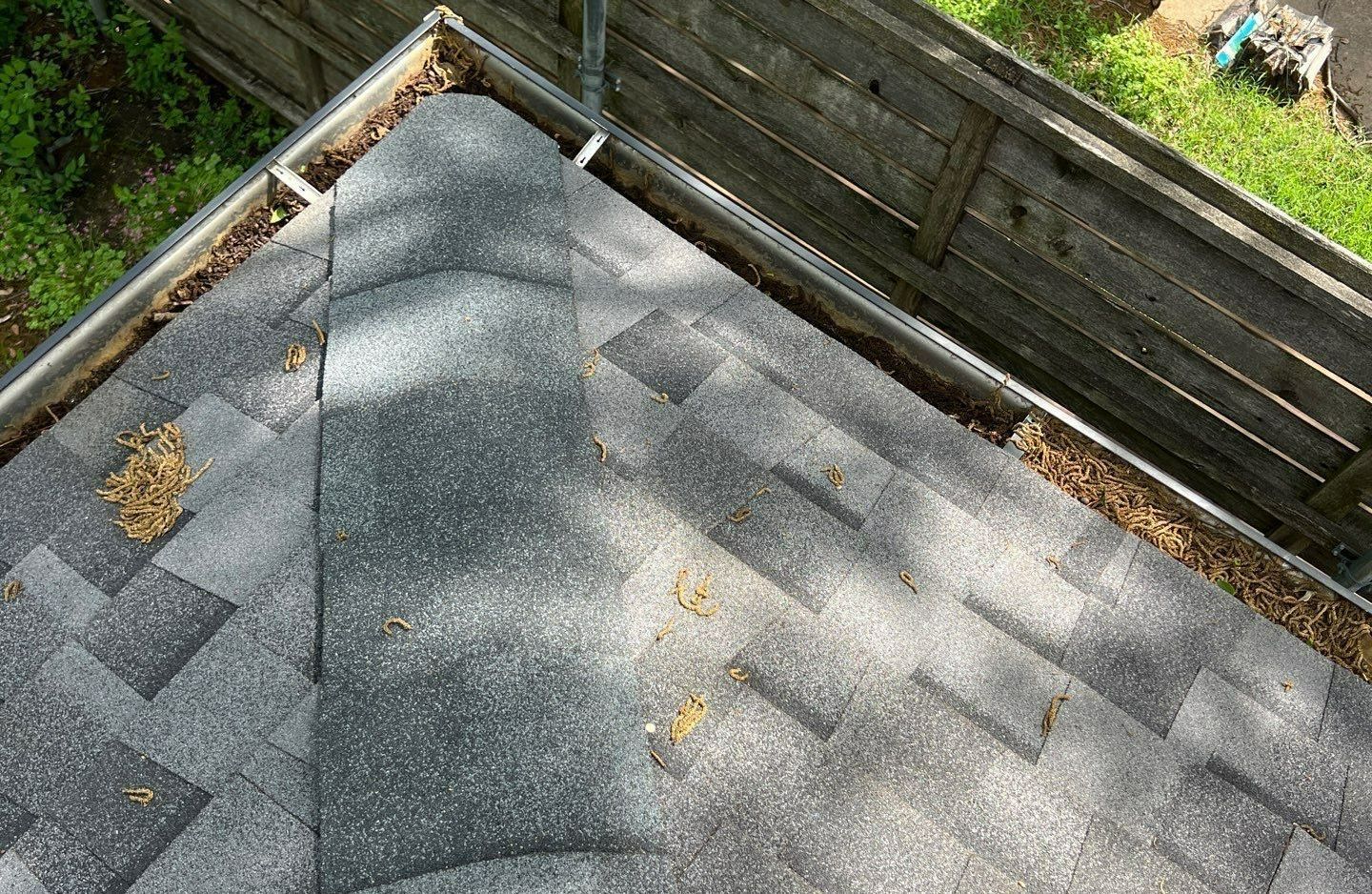
- Roof valleys are particularly vulnerable to debris buildup, leading to trapped moisture and potential leaks.
- Regular roof inspections and cleaning are essential to prevent debris-related issues and extend the life of your roof.
- Professional roofing contractors can address leaks, provide long-term repair solutions, and offer guidance on proper roof maintenance.
Introduction
Protecting your home begins with knowing the risks, especially roof damage. The first step to keep your property safe is to understand how debris can build up and cause leaks or other problems. When you learn about the causes, effects, and ways to prevent issues, you can take action to protect your investment and find peace of mind.
Understanding Roof Leaks and Debris Accumulation
Roof leaks can be a nightmare for homeowners. They can lead to expensive repairs and damage to your home’s interior. One common cause of a leaky roof is debris buildup, which many people often overlook. Leaves, twigs, dirt, and other debris can gather on your roof. This makes it harder for the roof to drain water properly.
When debris builds up, it can trap moisture against the roof. Over time, this trapped moisture can harm roofing materials. It can also create a place for mold and mildew to grow, which can eventually cause leaks. It is important to understand how debris accumulation relates to roof leaks. This knowledge can help you protect your home from possible water damage.
Role of Debris in Roof Deterioration
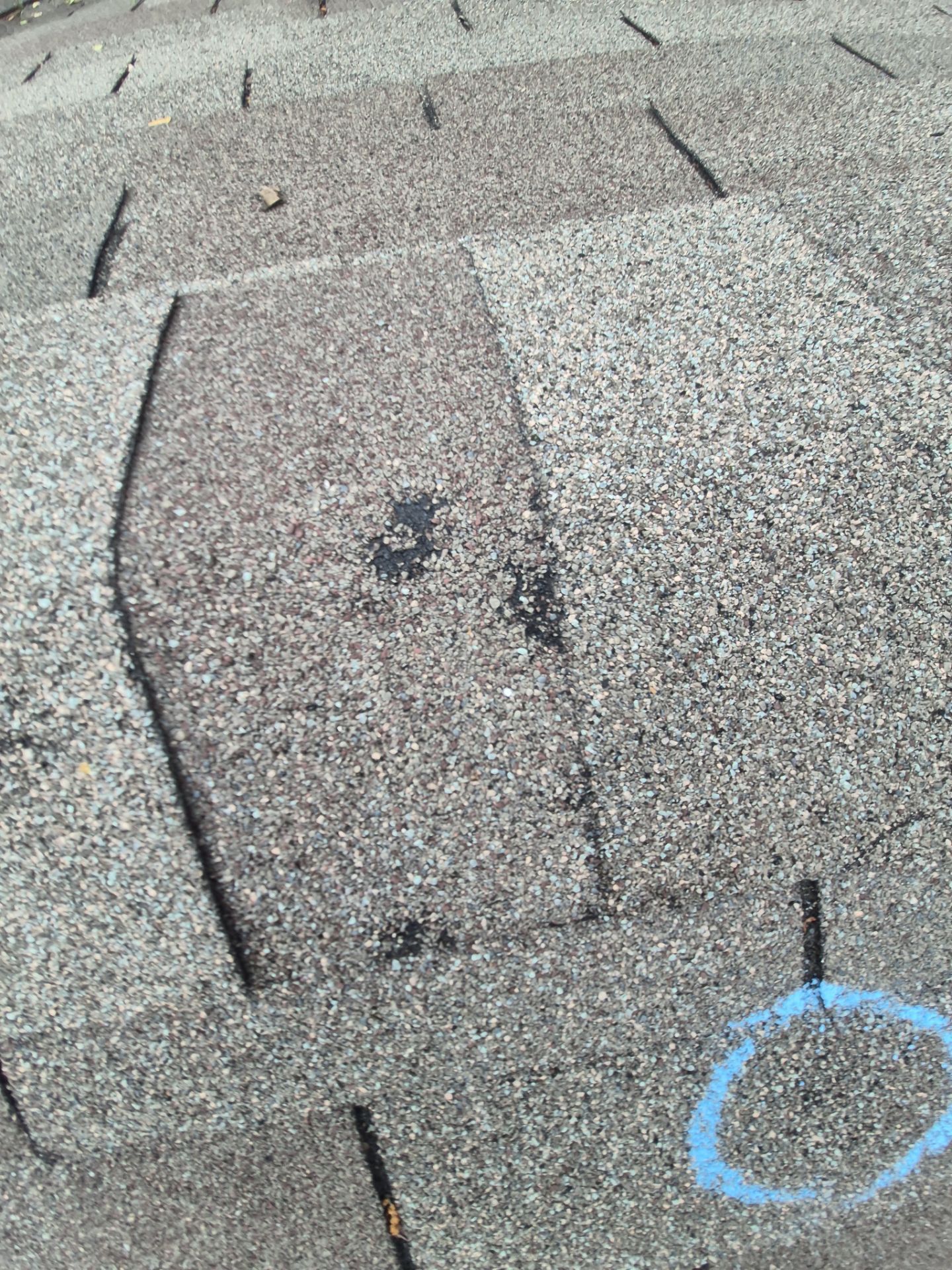
Debris on your roof acts like a sponge. It soaks up moisture and holds it against the roofing materials. This constant wetness can speed up the breakdown of shingles, flashing, and the underlayment, making them more vulnerable to damage from UV radiation. Over time, this moisture can weaken these materials. They may become more prone to cracking, bending, and other types of damage.
Not only does moisture cause direct water damage, but poor ventilation can make things worse when debris builds up. If debris blocks vents or airflow, your attic can't ventilate well. This trapped heat and moisture creates a perfect spot for mold growth. It can also damage the wooden parts inside your attic. Regular roof inspections are very important. They help you spot and clear away debris before it causes problems. By removing debris quickly, you can lower the chance of water damage and mold growth. This will help your roof last longer.
Key Areas Prone to Debris Accumulation and Leak Formation
Debris can collect on any part of your roof, but some areas are more likely to trap it. Roof valleys, where two sloping roof surfaces join, are known for gathering debris. Leaves, twigs, and other materials often pile up there. This can hold moisture and lead to leaks. Areas with missing shingles or damaged flashing are weak spots. These gaps allow water in, and if debris builds up, the chances of leaks increase a lot.
Fixing missing shingles and damaged flashing quickly is key to stopping water damage. Bad weather, like strong winds and storms, can make roof debris problems worse. Such conditions can add a lot of debris to your roof, which might clog gutters and fill roof valleys.
Types of Debris Commonly Found on Roofs
Roof debris can come from many places. It's important to know the different kinds that can collect on your roof. By being aware of the common debris in your area and how your roof is designed, you can take steps to stop it from building up and keep your home safe. This includes natural items and man-made objects. Dealing with these materials is important for keeping your roof in good condition.
When homeowners learn where debris comes from, they can plan how to prevent and take care of it. Regular cleaning or getting help from a professional can keep your roof clear of these materials. This will help maintain its strength and reliability.
Natural Elements: Leaves, Twigs, and Dirt
Natural things like leaves, twigs, and dirt are the main sources of roof debris, especially for homes in Fort Worth that are near trees. These materials build up slowly and often go unnoticed until they cause a bigger issue. Wet leaves and twigs can weigh down your roof. Dirt can clog gutters and stop water from draining properly.
Different types handle debris in various ways. Steep roofs usually shed debris better than flat ones. Homeowners with flat roofs or low sloped roofs should pay extra attention to regular maintenance. Keeping gutters clean is crucial to avoid water damage from blocked drainage. You might want to think about putting in gutter guards. This can help reduce debris buildup and lower how often you need to clean.
Human-Made Obstructions: Construction Materials and Tools
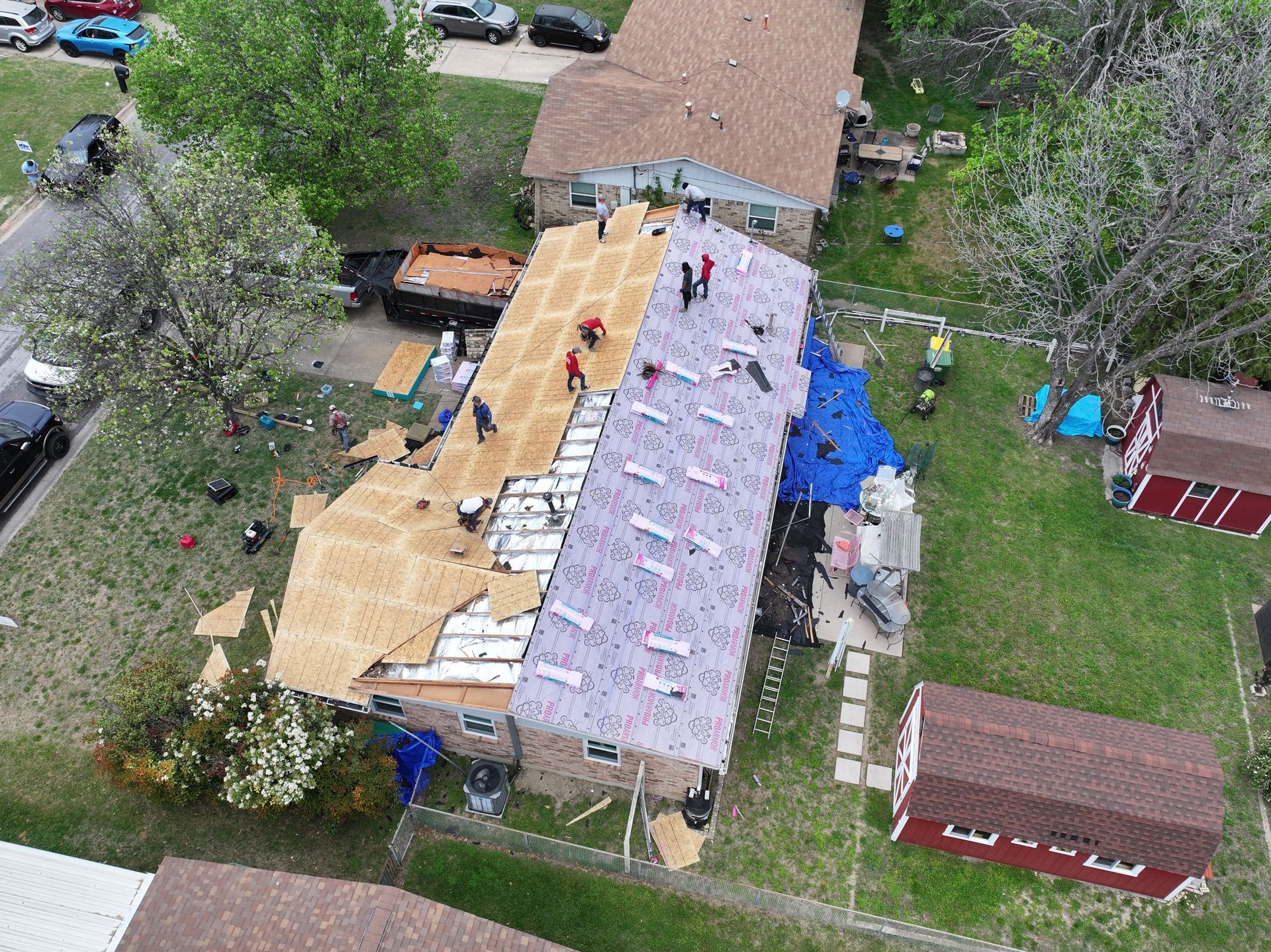
Besides natural elements, human-made obstacles can create serious risks. This is especially true during and after building or fixing projects. After a new roof installation or repair, items like nails, shingles, and wood pieces might stay on your roof if the cleanup is not done properly. A complete cleanup after any construction is important to avoid future damage.
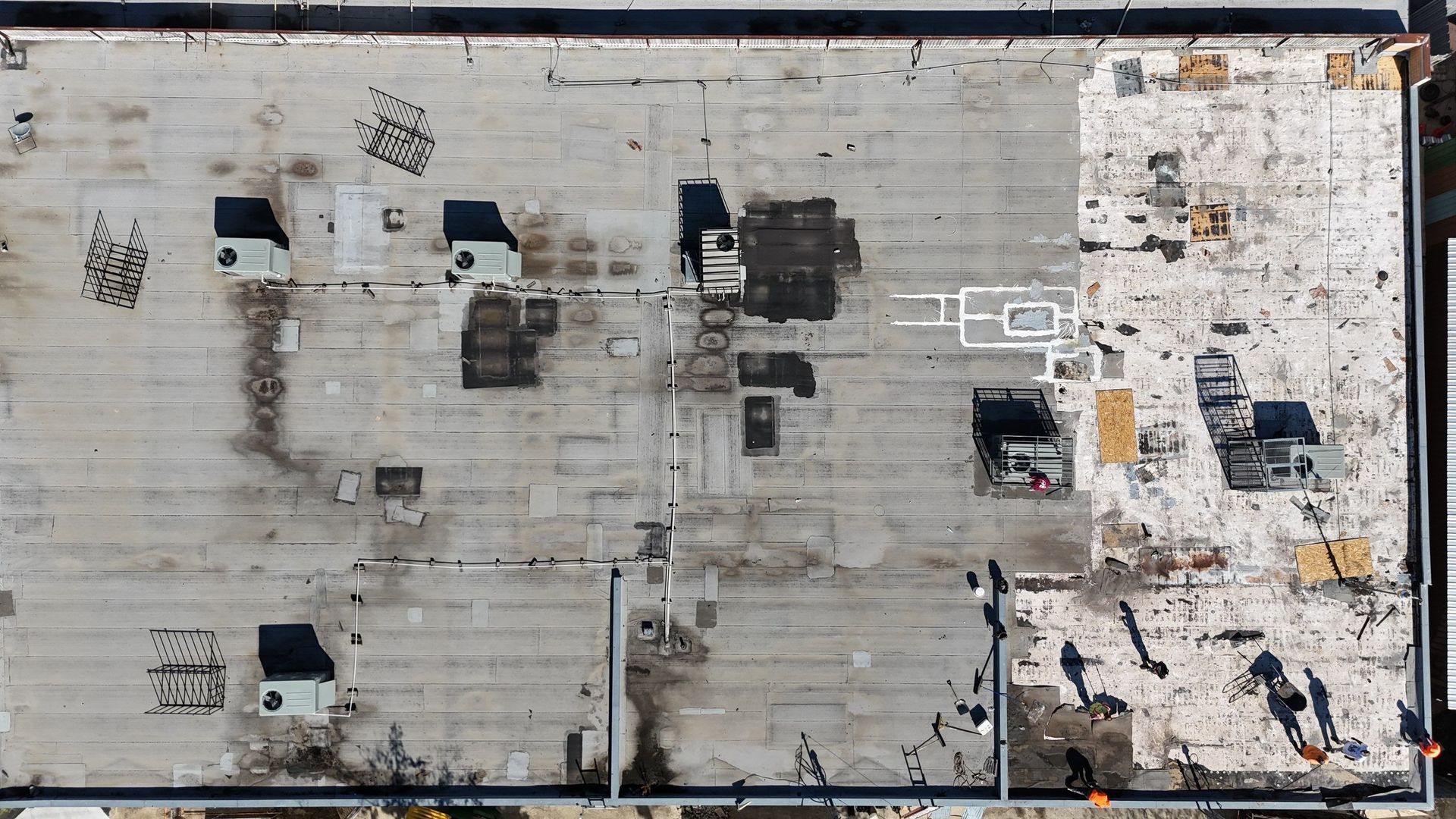
Commercial roofing projects usually involve bigger tasks, which means more chances of construction debris being left behind. This debris can damage the roof and lead to safety issues for workers and residents if not handled quickly. If you think there is construction debris on your roof, you should reach out to a skilled roofing contractor. They have the right experience and tools to safely remove these dangers and protect your roof's health in the long run.
The Impact of Debris on Roof Valleys
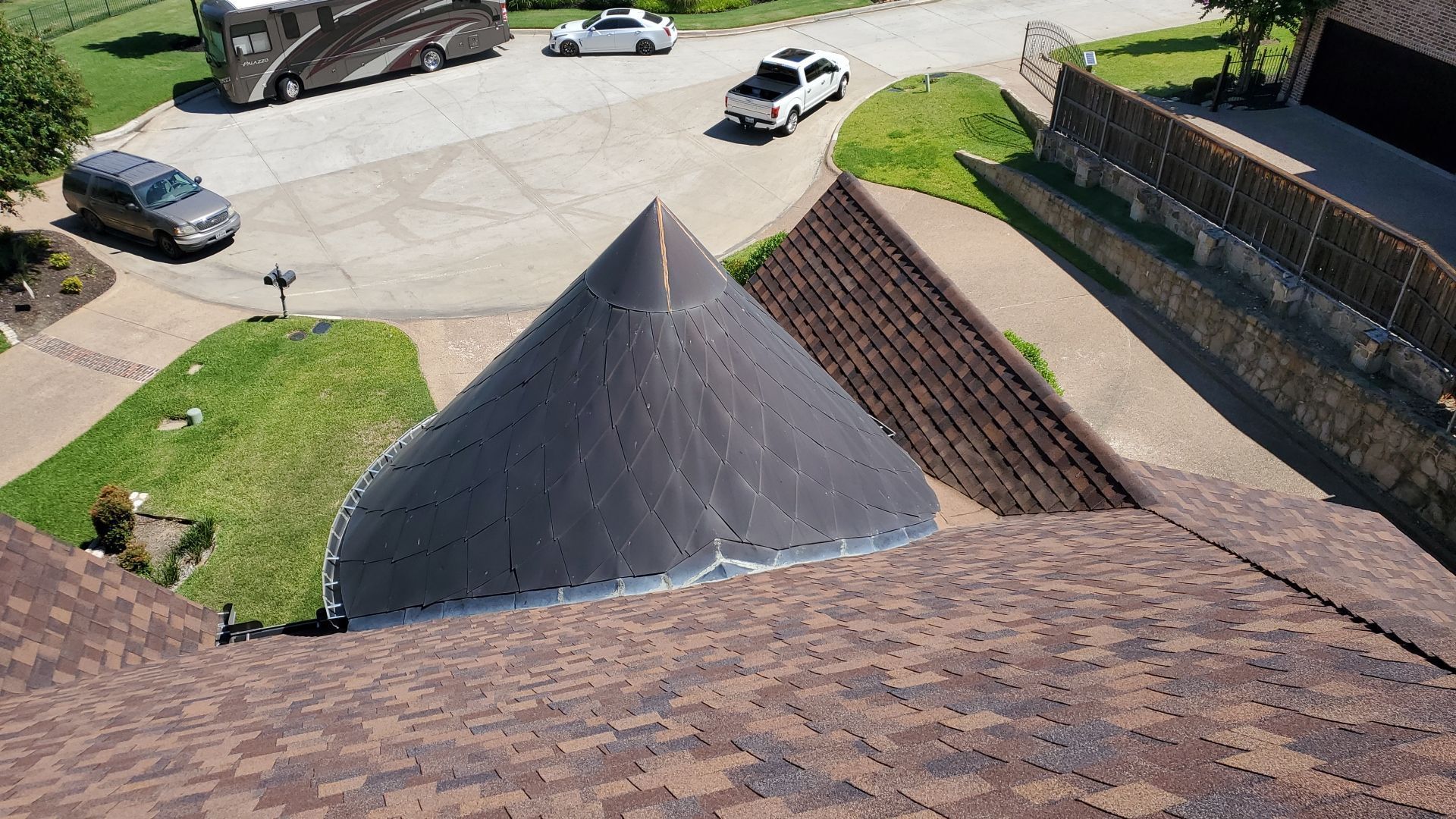
Roof valleys are important because they help guide water off your roof. They act like funnels that take rainwater away from your home. Unfortunately, this design also makes them easy spots for debris to gather, which can seriously harm your roof. When debris builds up in these valleys, the water flow is blocked. Instead of moving off the roof as it should, the water gets stuck and pools in the valley. This stagnant water encourages mold and mildew to grow. It can also cause roofing materials to break down faster and raise the chance of leaks.
How Debris Traps Moisture and Promotes Leak Formation
Debris can soak up rainwater and trap it against your roof. In Fort Worth, the humid weather makes this worse. The moisture stays longer, making your roof continually wet. When your roof stays damp for a long time, it can lead to many roofing issues. The wetness can make shingles curl, buckle, or wear out faster than normal.
It can also weaken the glue that keeps shingles attached, which puts them at risk of flying off during high winds. Roof flashing, which protects areas like chimneys and vents, is at risk from moisture too. When debris builds up around the flashing, it creates a good chance for rust and corrosion. This can stop flashing from doing its job of keeping leaks out.
Case Studies: Real-Life Examples of Roof Valley Leaks
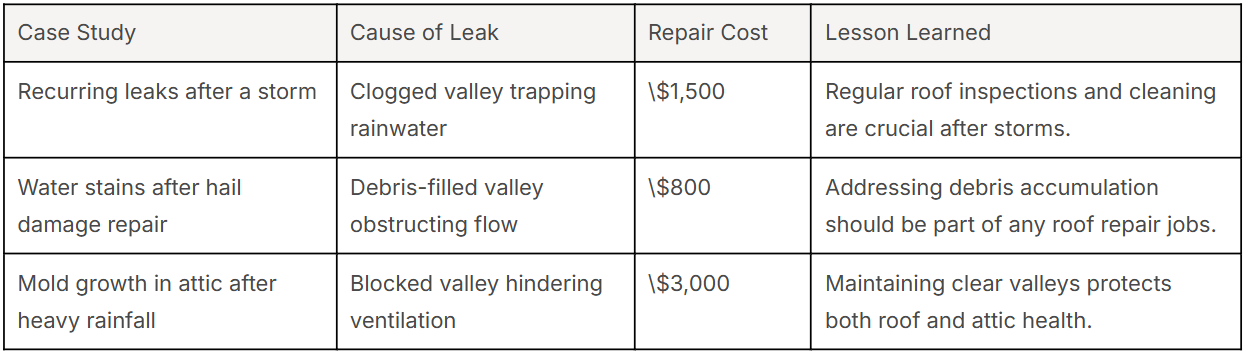
In residential roofing, numerous cases highlight the devastating effects of debris buildup in roof valleys. One homeowner in Fort Worth experienced recurring leaks after a severe storm. Initially, they attributed the leaks to storm damage; however, upon closer inspection, a roofing contractor discovered that accumulated leaves and twigs in the valley had trapped water, leading to leaks.
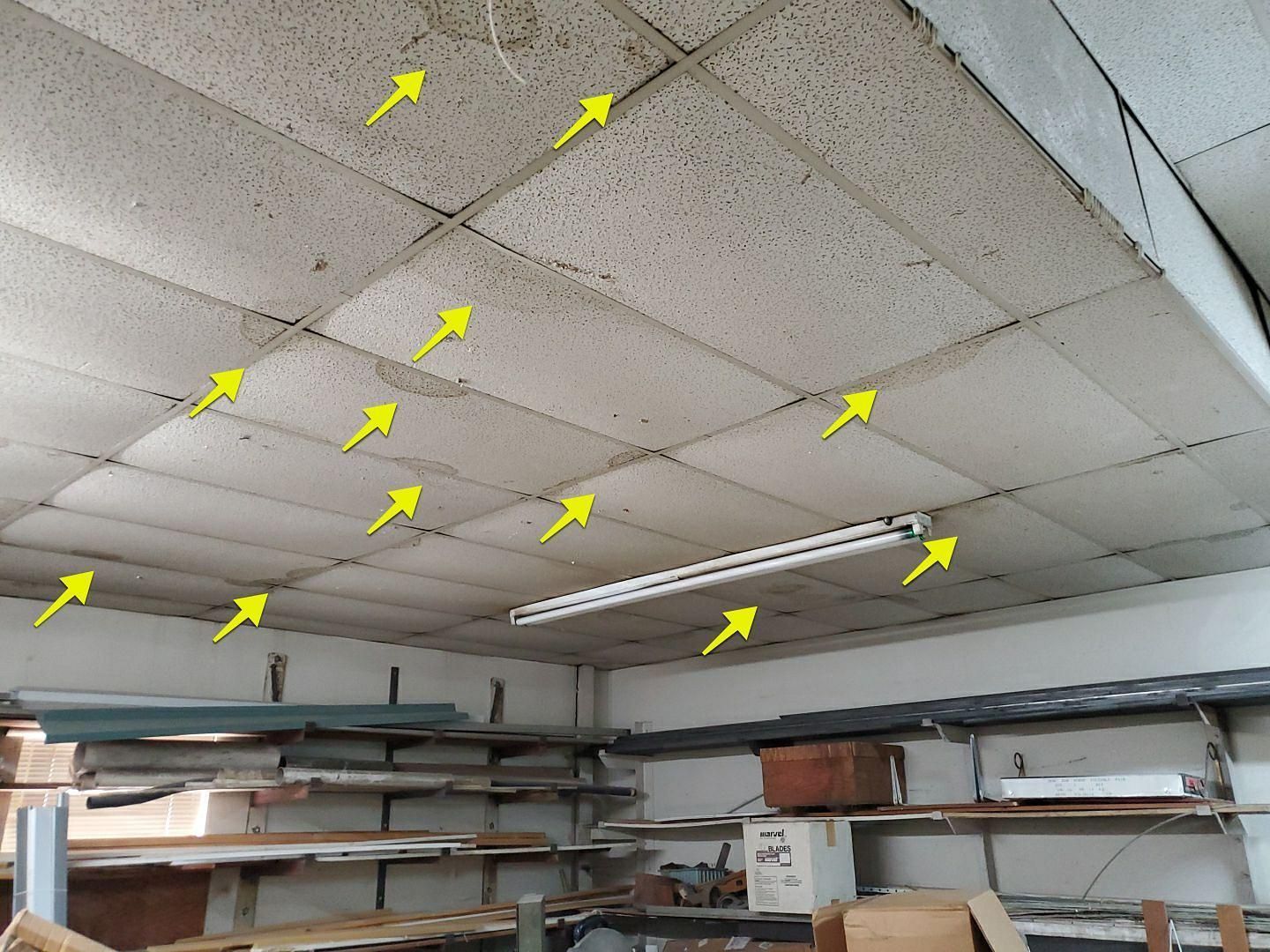
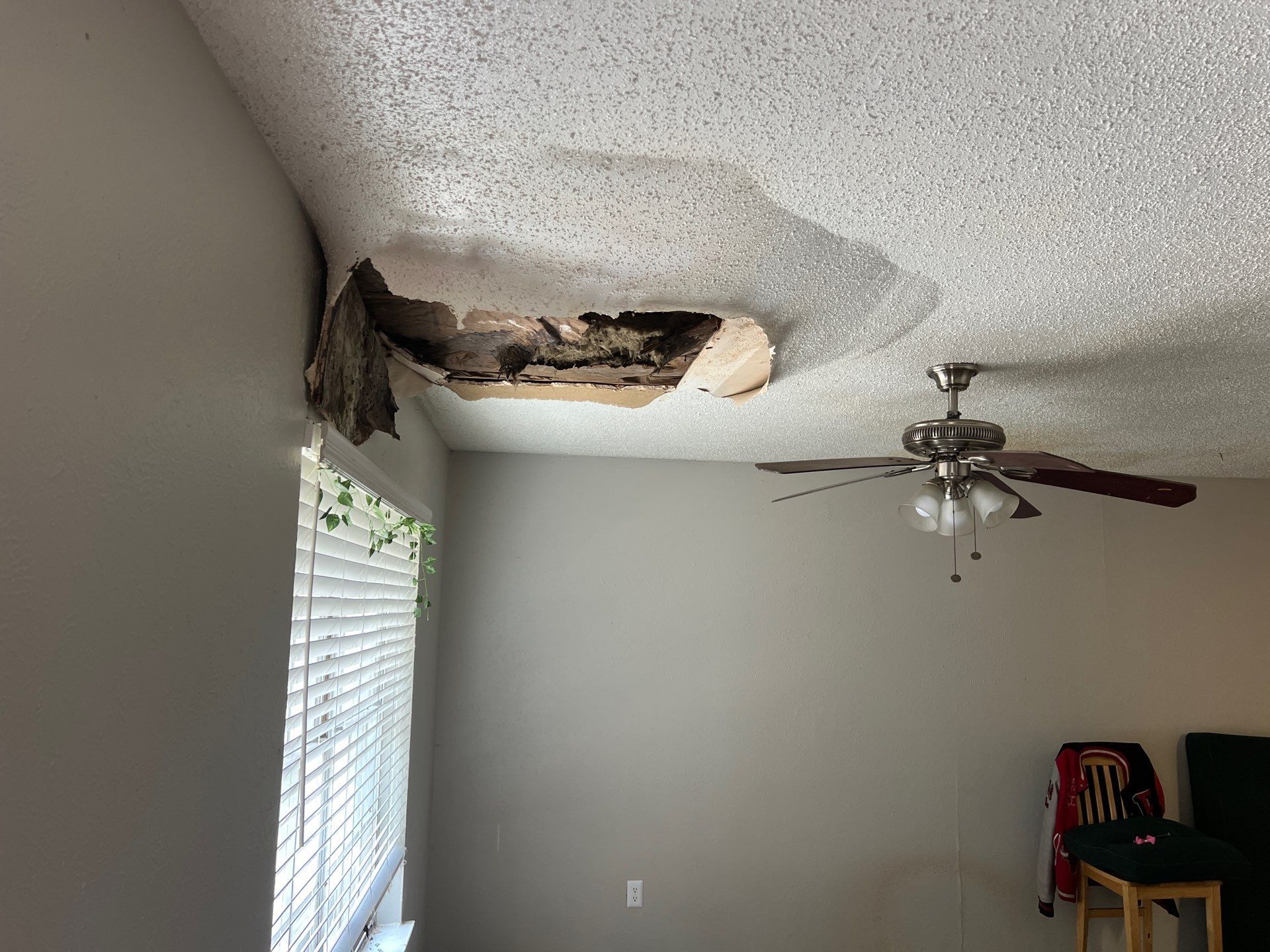
Another case involved a homeowner who noticed water stains on their ceiling a few months after hail damage repair. Upon investigation, a roofing professional traced the leak back to a roof valley clogged with debris, preventing proper drainage and causing water to seep into the home. These cases underscore the importance of proactive debris removal and regular maintenance to safeguard your home from potential leaks and costly repairs.
Preventive Measures and Regular Maintenance
Keeping your roof free from debris is the best way to prevent leaks and other issues. It's often cheaper to prevent problems than to fix them later. By doing simple tasks, you can make your roof last longer and protect your home from water damage. Taking these steps not only avoids expensive repairs but also gives you peace of mind every step of the way. Knowing your roof is in good shape makes a big difference. Just remember, taking care of your roof is key to protecting your investment.
The Importance of Regular Roof Inspections
One important way to prevent problems is to schedule regular roof inspections. These are similar to how you go for checkups with your doctor. Regular roof inspections can help you find and fix small issues before they become big problems. While you can do simple visual checks, it is best to have a professional roofing contractor do a thorough inspection at least once a year.
A professional roofing contractor is trained to notice small signs of damage. This includes things like cracked or missing shingles, damaged flashing, and debris in hard-to-reach spots, including on a metal roof. They can also check your gutters and downspouts. This ensures they are working correctly and keeping water away from your home.
Also, regular inspections can help if you need to file an insurance claim. If your roof gets damaged due to extreme weather, having proof of past inspections and maintenance can help your claim and make it easier to work with your insurance company. Many roofing companies even offer free roof inspections, so use this service to keep your roof in good shape.
Cleaning Strategies to Prevent Debris Accumulation
Keeping your roof in good shape requires more than just regular inspections. It’s important to have cleaning strategies to get rid of debris and ensure adequate ventilation. Simple jobs, like clearing gutters and sweeping leaves off your roof, can lower the risk of water damage. While homeowners can handle regular maintenance, it's a good idea to contact professional roofing services for a deeper cleaning, especially if your home is multi-story or has a steep roof.
Safety should come first when cleaning your roof. Stay away from harsh chemicals or rough cleaning methods that can harm roofing materials. Use gentle cleaning solutions and soft brooms to remove debris without causing damage.
Good ventilation in your attic is another key part of preventive maintenance for your roofing system. Proper ventilation keeps the temperature and moisture levels in check, which helps prevent issues like condensation, mold, and early damage. Talk to a roofing professional to see if your attic ventilation is enough, and get advice on how to improve it if necessary.
Professional Roof Repair Techniques for Leak Prevention
Preventive measures are important, but fixing leaks quickly and correctly is key when they happen. Getting help from professionals makes sure the repair is done right and lowers the chance of more damage. Trying to fix leaks yourself without the right skills and tools can often make things worse, leading to bigger (and more expensive) repairs later.
Professional roofing contractors have the knowledge and experience to find out what is causing the leak and how to fix it, including issues related to metal roofing. They use quality materials and follow industry standards to provide a lasting solution. This gives you peace of mind, knowing your roof is in good hands.
Immediate Steps to Take When a Leak is Detected: Roof Replacement
Finding a roof leak can be very stressful. It's important to act quickly to reduce damage. First, you should try to contain the leak. Use buckets or towels to catch the water. This will help protect your belongings. If the leak is large or you are not sure where it is coming from, it’s better to call an emergency roof repair service instead of trying to fix it yourself.
When you call a roofing contractor, give them as much detail about the leak as you can. Tell them where it is, how bad it is, and if anything recent might have caused it. This helps them understand the problem better and come ready with the right tools and materials. When the contractor arrives, they will likely look over the area to see the damage and find the source of the leak. After that, they can suggest the best way to fix it, which could involve repair work such as a simple roof repair or a more serious roof replacement.
Long-Term Repair Solutions for a Leak-Free Roof
For long-term solutions, skilled roofing contractors do more than just fix leaks. They focus on finding and solving the main problems that caused the leak. This way, your roof will not only stop leaking but also stay leak-free for many years. Trustworthy contractors in the roofing industry make sure to use quality materials from reliable manufacturers. Good shingles, flashing, underlayment, and other roofing parts are key to stopping future leaks. They also help your roof last longer.
Also, professional roofing contractors keep up with the newest updates and best methods in the industry. They can suggest new roofing solutions that help your home save energy, improve ventilation, and protect against bad weather. By choosing long-term repair solutions from trusted professionals, you can have peace of mind knowing your roof is in great shape for years, covering the entire process of maintenance and care.
Conclusion
In conclusion, knowing how debris on your roof can cause leaks is important for keeping your roof leak-free. You need to do regular inspections and have good cleaning and repair methods to stop debris from gathering and leaks from forming. Take quick action if you find a leak and set up long-term solutions to keep your roof strong. Remember, preventing issues is the best way to avoid expensive fixes. Set up regular roof inspections to catch any debris buildup early. Think about getting professional help for a deep clean. Protect your home from leaks caused by debris with careful upkeep.
Frequently Asked Questions
How often should I inspect my roof for debris accumulation?
To keep your roof in good shape and enjoy peace of mind, plan to have regular roof inspections at least twice a year. Work with a trustworthy Fort Worth roofing company that has years of experience. When you consult roofing professionals who know the DFW area well, they can spot and fix any problems early on.
Can I remove roof debris myself, or should I hire a professional?
It is possible to remove small debris by yourself. However, it is usually safer to hire a qualified roofing contractor for roof repair services. Experienced professionals in the DFW metroplex have the right tools and know the safety measures to help keep you safe from the dangers of working at heights.