Essential Tips for Storm Damage: North TX Roof Repair
Essential Tips for Storm Damage: NTX Roof Repair
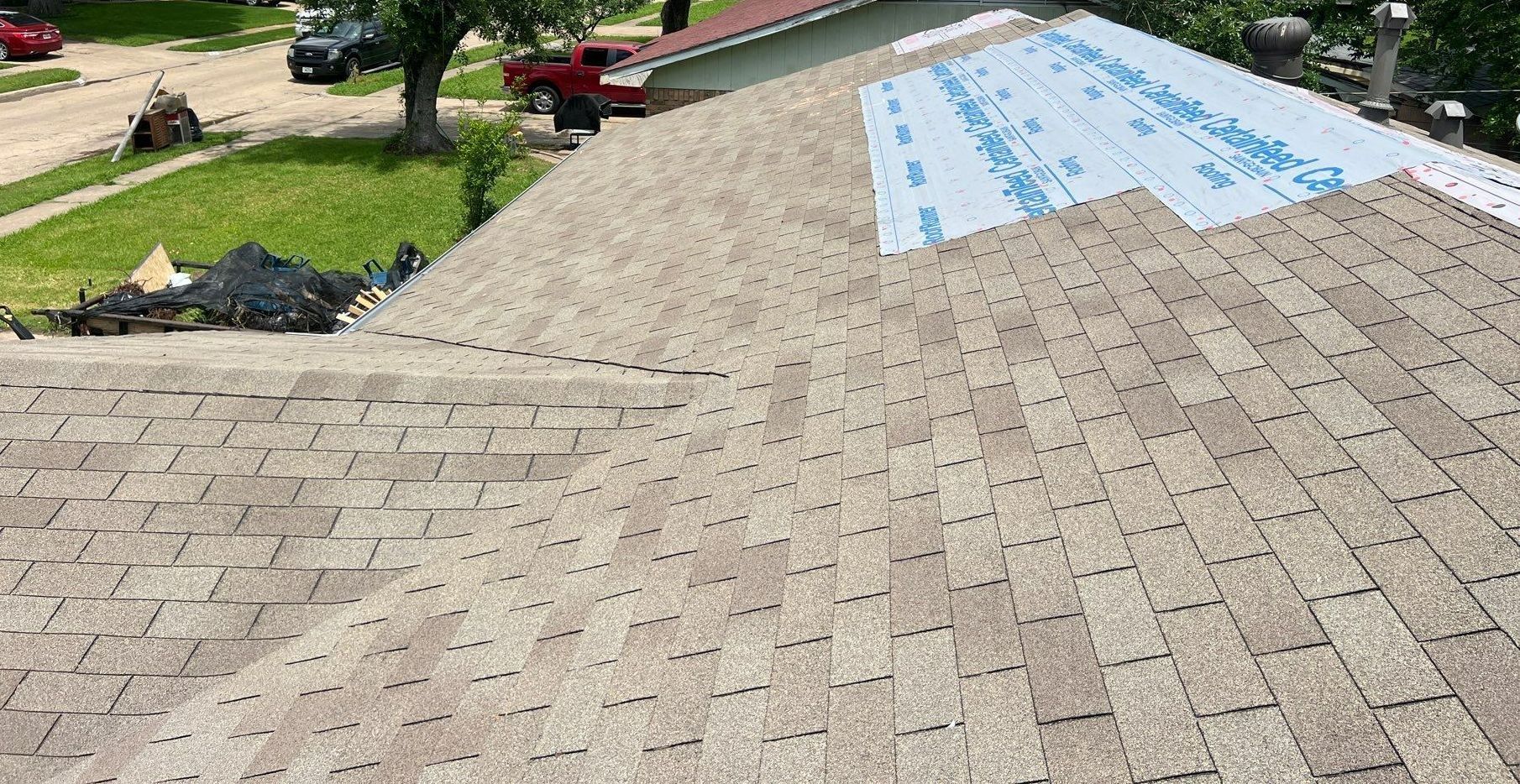
Key Highlights
- Get your roof ready for storms. Do proper maintenance and choose strong materials that can handle high winds and hail.
- Learn what to do quickly to protect your roof and family when bad weather is coming.
- Look for signs of storm damage. Check for water stains, missing shingles, and roof vents that are not working. Act fast and call Becker Roofing in Keller TX for a free inspection!
- Use your insurance claim wisely. Know what your policy covers and follow tips for filing your claim successfully. We can help with this process.
- Rely on professional roof repair services in North Texas. Professionals will inspect your roof, make repairs, and give you peace of mind during storm season.
Introduction
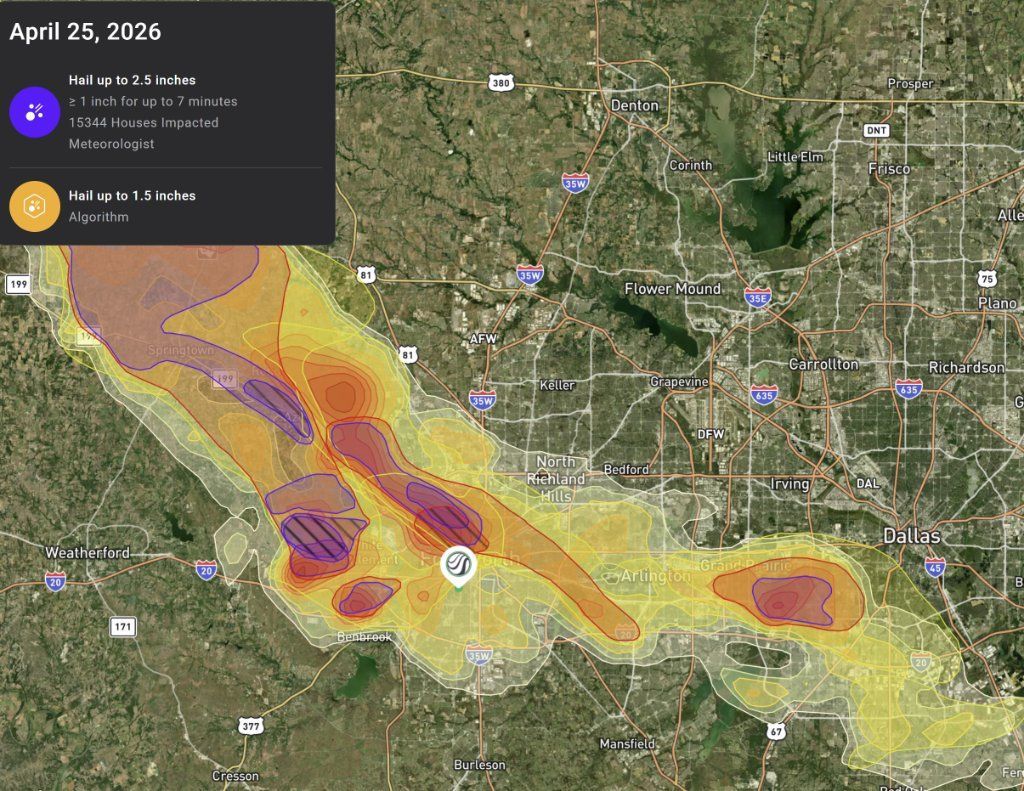
Storm season in Texas can be serious, especially for homeowners in North Texas, including areas like Keller, DFW, and Denton. Here from the perspective of a roofer in North TX, we often see strong winds and hailstorms. The first step to protecting your home is to understand your roofing needs for safety. You should prepare your roof before a storm and check for damage after it hits. It's important to know how to keep your home safe, so this guide gives all North Texas residents helpful tips and solutions to always be ready for storms and fix any damage efficiently, from the trusted roofing company who wants to help its neighbors, Becker Roofing and Exteriors!
Preparing Your Roof for Texas Storm Season
Being ready before a storm is important. It is your first line of defense against damage from severe weather. Preparing your roof helps it stay strong during the harsh weather conditions Texas often has. Regular maintenance and updates to your roof can save you stress and money in the long run.
You can take practical steps as a homeowner, which include keeping up with basic maintenance and selecting the correct roofing materials for your specific home needs. Explore important maintenance and how to choose the best materials to protect your roof by continuing this article below.
Essential Maintenance Tips Before the Storm
Routine maintenance is very important for a storm-ready roof. Start by checking your roof for cracked shingles, missing granules, or sagging spots. These issues can look small but could allow water damage later. It's also very important to clean your gutters and downspouts regularly. Clogged gutters can cause water to pool on your roof, which can weaken it over time.
Since your roof is your first line of defense, pay attention to the details. Look at the flashing around chimneys and vents for rust or signs that they are detached. Also, cut back any branches that hang over your roof. In high winds, they can break off and puncture your shingles. Lastly, think about getting a professional inspection. Roofing experts can provide a thorough inspection to find any hidden issues. They might suggest some minor repairs or upgrades that can really help when severe weather comes.
Choosing the Right Materials for Hail and Wind Resistance
Materials are very important for your roof's ability to handle hail and high winds. A metal roof is a strong choice. It can fight off both hail and heavy winds, making it great for areas with storms. Metal roofing not only avoids dents from hail but also stands up well to extreme wind. For homes with asphalt shingles, choose stronger, impact-resistant types. These are more durable.
Regular shingles might fly off in strong winds, but impact-resistant ones stay in place, which can help prevent serious damage. You should also think about adding waterproof barriers under your shingles for extra protection from water getting in. In places like North Texas, where severe weather happens often, picking the right materials is essential, not just an option. Work with a roofing expert to find strong options that meet your specific needs.
What to Do When a Storm is Forecasted
When a storm is coming, you need to act quickly. Forecasts are a last call to protect your roof and keep your family safe. Waiting too long to prepare could lead to damage and risks that can be avoided. Make sure your roof and home are ready for bad weather with simple steps. Besides securing loose items outside, you should also focus on keeping you and your loved ones safe. Let’s look at some smart actions you can take when a storm is near.
Immediate Steps to Secure Your Roof
When severe storms are coming, you can gain peace of mind by taking quick actions. First, remove loose debris and secure your patio furniture or any items that strong winds could throw onto your roof. Pay close attention to any existing damage, like curling shingles. Temporary repairs can help stop more water from coming in.
You should also reinforce weak areas of your roof, such as the flashing and overhangs. If you are short on time, using weather-resistant tarps to cover potential weak spots is a good idea. Don't forget to check your attic for any leaks or gaps that might allow water or debris to get in during the storm. Doing these things fast helps reduce the potential damage. It lets you concentrate on staying safe during the storm.
Safety Measures for You and Your Family
Your family's safety is very important, just like protecting your home. Start by finding a safe place inside your house. This should be away from windows and outside walls. You should also put emergency supplies there. Good items to have include flashlights, water, and a first aid kit. This will help you be prepared.
If you have kids or pets, make sure they understand what to do if something happens. In North Texas, some homeowners feel more at ease by adding storm shutters or better windows that can stand up to storms. If authorities say to evacuate, please follow their advice quickly. In addition to these tips, keep yourself updated with weather alerts on your phone or radio. Being ready does not just bring peace of mind—it can really help when bad weather hits.
Assessing Roof Damage Post-Storm
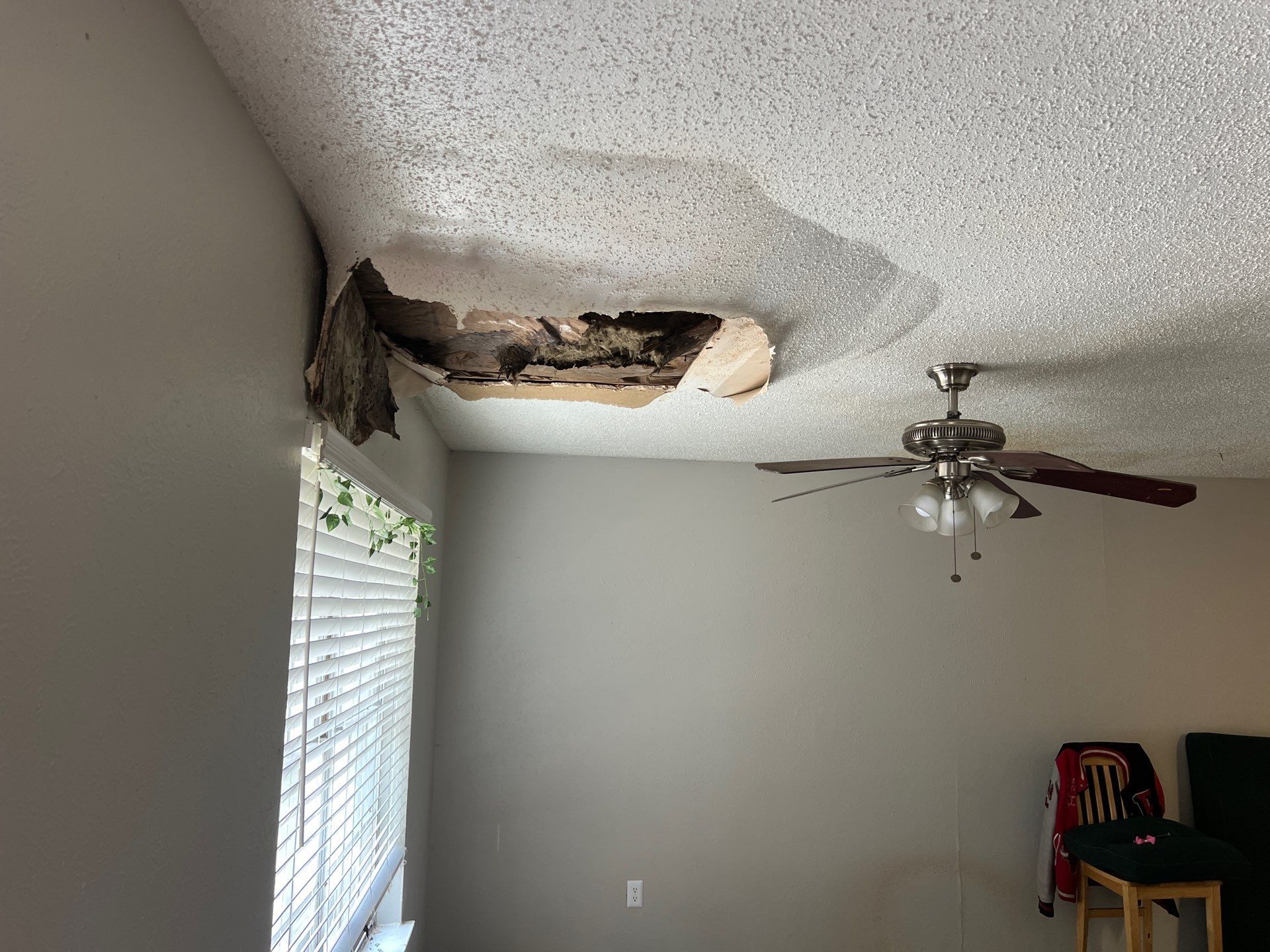
After the storm is over, checking for storm damage should be your next focus. If you do not fix any visible damage or hidden problems soon, they can cause serious issues and costly repairs later. Start by looking carefully at the outside of your home. Then, check the inside for water stains or any ceilings that are sagging. These signs can help you quickly find larger problems.
Key Indicators of Storm Damage on Roofs
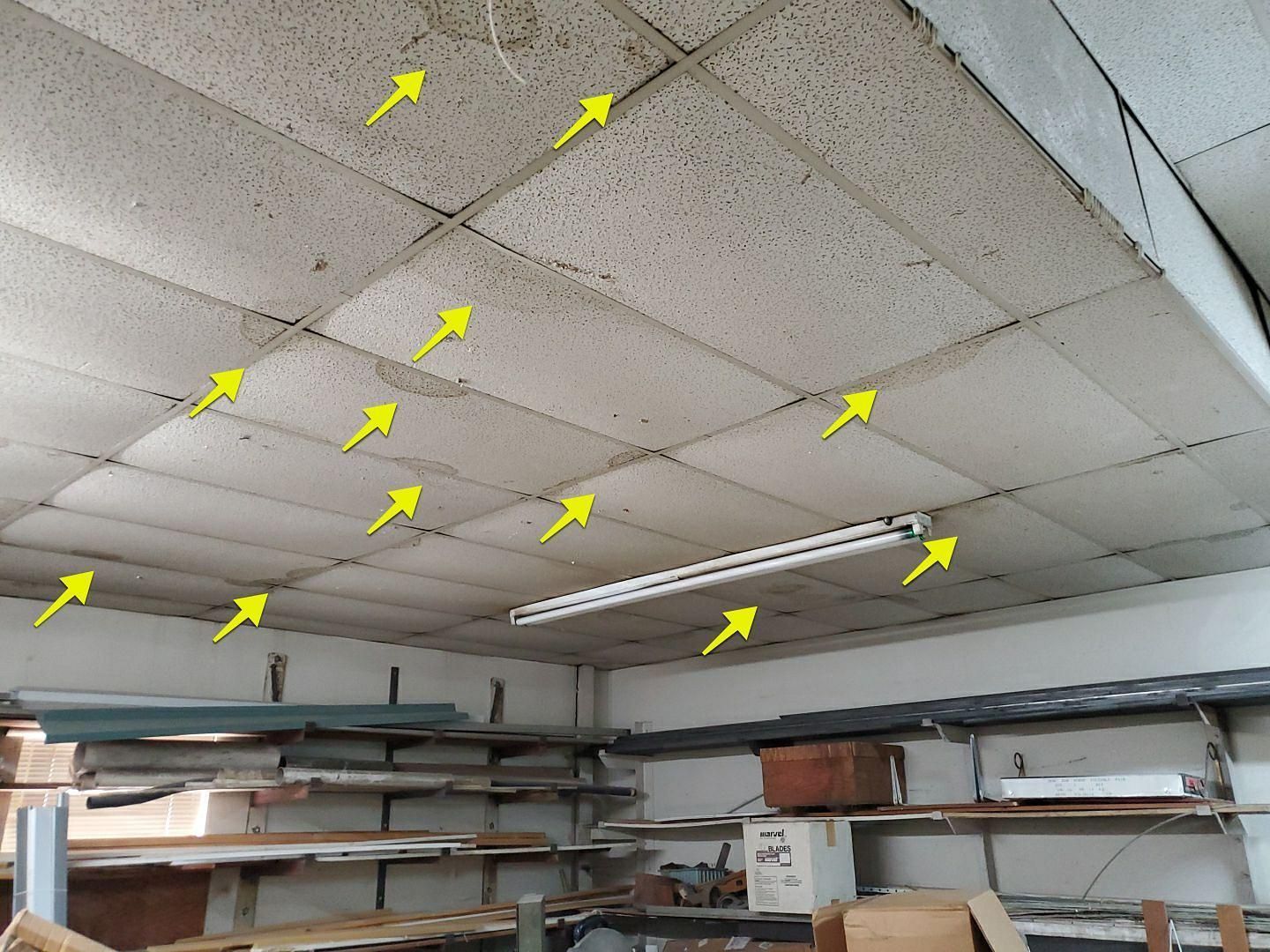
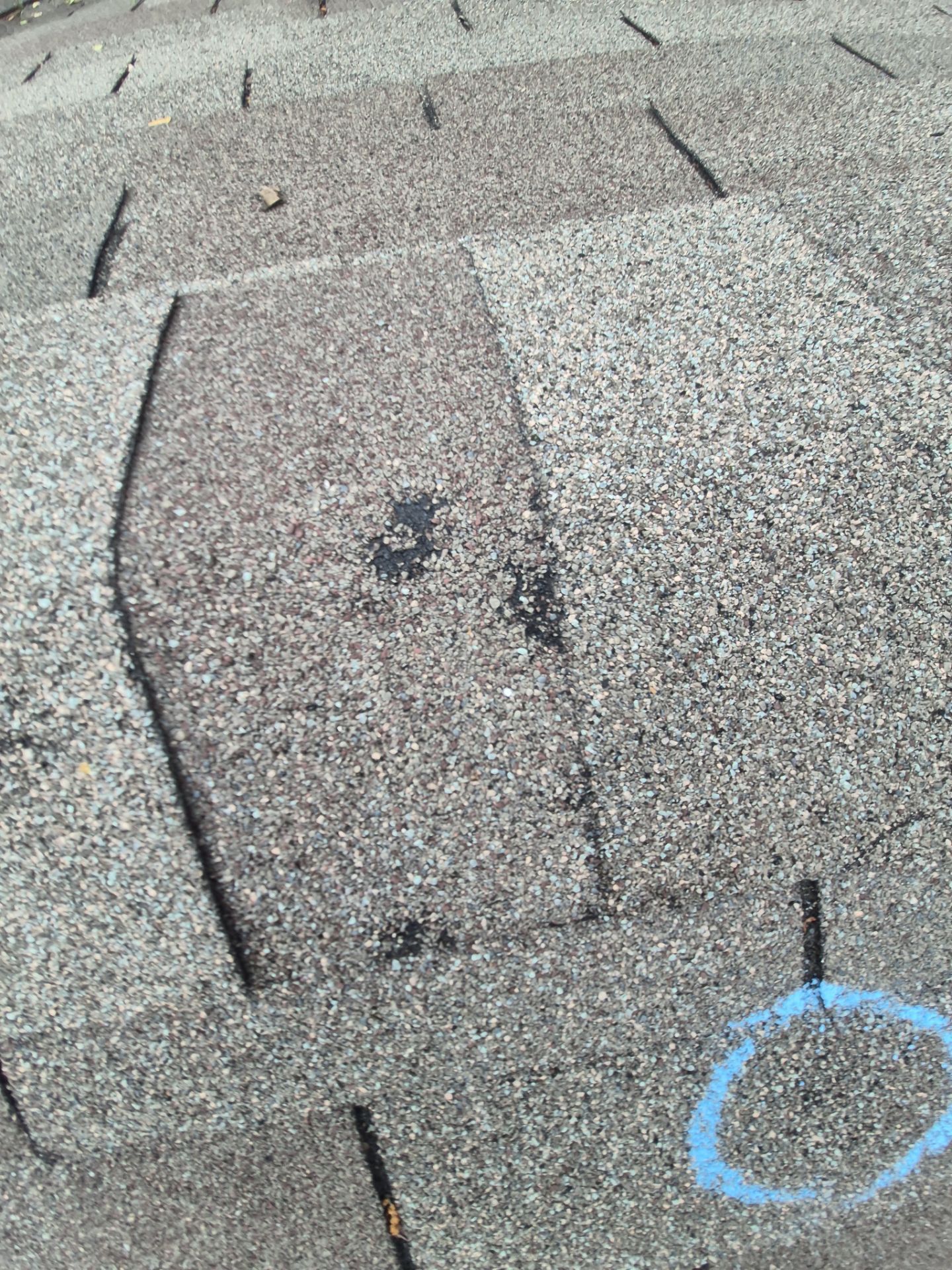
Storm damage can be hard to see. Look for clear signs like missing shingles, water stains on ceilings, or granules in gutters. These can show that asphalt shingles are damaged. Check roof vents and flashing for gaps or bending. This might happen because of high winds.
Inside your home, water stains or bubbling on ceilings may mean there are roof leaks. Dents or small divots on the roof can signal hail damage, which could affect your roof's waterproofing. Losing granules from shingles can be subtle but makes your roof prone to wear and tear. A thorough visual inspection, followed by a professional check, helps to find any storm damage that could be missed.
When to Call Professional Roof Inspectors
Not all roof damage from storms is easy to see. Calling a professional roofer helps ensure a thorough inspection. They can find problems like weak structures or gaps that normal checks might not catch. Expert roofers have special tools to look for hidden damage. For example, they use moisture meters to find signs of water inside.
They can also suggest the best repairs or replacements, giving you reliable options to keep your roof ready for storms. Working with an experienced roofing professional gives you peace of mind. It helps to stop future issues or expensive repairs from damage you may miss.
Working with Insurance for Roof Repairs
Storm damage can cause difficult repair costs. This is why insurance claims are very important. When you work with your insurance provider for storm-related coverage, you get financial help. This also helps lower the amount you pay out of your own pocket.
Homeowners should know what their policy covers. It is important to handle claims properly for everything to go smoothly. Whether you face minor repairs or need a complete roof replacement, let’s look at steps to understand your insurance coverage and tips for filing a claim successfully.
Understanding Your Policy Coverage for Storm Damage
Get clear information about your homeowner’s insurance and its coverage for storm damage. Every policy is different. Look into what it offers for roof repair, full replacement, or costs for things like gutter repairs. It’s important to talk often with your insurance agent to understand your options.
Knowing your deductible and the limits for claims can give you peace of mind when surprise costs come up. Review your policy, especially before storm season. This will help you be well informed.
Tips for Filing a Claim Successfully
Documenting storm damage is the first step for filing claims. Take pictures and keep the detailed reports from roof inspections, along with any receipts for emergency repairs, such as a tarp applied for a roof leak during storm season. It's important to contact the insurance company quickly, as some policies require the insured person to report the incident soon after it happens.
Be patient but keep trying. Working with roofing experts like Becker Roofing and Exteriors in Keller, TX, who talk to the insurers for and with you, makes the entire process easier. This type of teamwork helps your home restoration go smoothly.
Conclusion
As storm season comes to Texas, it’s important to protect your roof. This will help keep your home safe and your family healthy. You should use the maintenance tips in this guide to check your roof and fix any damage after a storm. By being smart now, you can avoid big problems later. This will also help strengthen your home against severe weather. If you need help with roof inspections or insurance claims, our team at Becker Roofing and Exteriors can support you. Stay ready, stay safe, and contact us for expert help!
Frequently Asked Questions
How often should I inspect my roof in storm-prone areas?
Routine maintenance needs to have a thorough inspection two times a year. This is very important before and after storm season. Professional roofing experts can check the condition of your roof. They will find any issues early on. This way, small problems don't turn into bigger concerns.
What are the immediate steps to take after detecting a leak?
Begin by taking fast actions, such as using a tarp for temporary repairs. This will help reduce water damage. Do not wait to reach out to roof repair services. Quick attention to minor repairs can stop more serious structural damage or mold from growing due to too much water exposure.
Can minor damages be ignored after a storm?
Ignoring small repairs can lead to big problems later. Simple issues, like loose shingles, may grow worse and affect your roofing needs and safety. Hiring roofing repair services helps you with proper checks and quick fixes, which can save you from expensive repairs in the future.