Roofing Installation: To Tear Off or Not to Tear Off?
Learn about the necessity of tearing off roofing before installing your next roof. Visit our blog for more information.

Should You Tear Off Roofing Before Installing New Roof?
Key Highlights
- Replacing your old roof with a new one provides better protection from the weather and helps prevent moisture buildup.
- Roof overlay involves installing a new layer of roofing materials over the existing roof, while tear off involves completely removing the old roofing materials.
- Tear off allows you to select new materials, upgrade the roofing system, and respond to climate conditions more effectively.
- A tear off provides better durability, increases the lifespan of your roof, and improves the assessed property value.
- Although tear off is more expensive and requires waste removal, it offers long-term benefits and a higher return on investment.
- Roof overlay is less labor-intensive, faster, and less expensive, but it may not address underlying issues and has a shorter lifespan.
Introduction
When it's time to replace your old roof, you may be faced with the decision of whether to tear off the existing roofing materials or simply install a new layer of roofing materials over the current roof. This choice between roof overlay and tear off can have a significant impact on the durability, lifespan, and cost of your new roof. Understanding the advantages and disadvantages of each option is crucial in making an informed decision.
Replacing your old roof with a new one offers several benefits. First and foremost, a new roof provides better protection from the weather, preventing moisture buildup that can lead to mold, mildew, and structural damage. Additionally, a new roof increases the value of your home and adds to its curb appeal, making it more attractive to potential buyers. A study by the National Association of the Remodeling Industry found that a new roof can recoup nearly 70% of its cost when you sell your house, making it a valuable investment in your home’s value. With these benefits in mind, it's important to consider whether tearing off the old roofing materials or installing a new roof overlay is the right choice for you.
Understanding Roof Replacement Options
Before we dive into the specifics of roof overlay and tear off, it's essential to understand the concept of roof replacement. Roof replacement involves recovering or replacing an existing roof material or replacing all parts of the roof of a building. This process can be done in various ways, including roof overlay and tear off. Each option comes with its own set of advantages and disadvantages, which we will explore in detail.
The Basics of Roof Tear Off
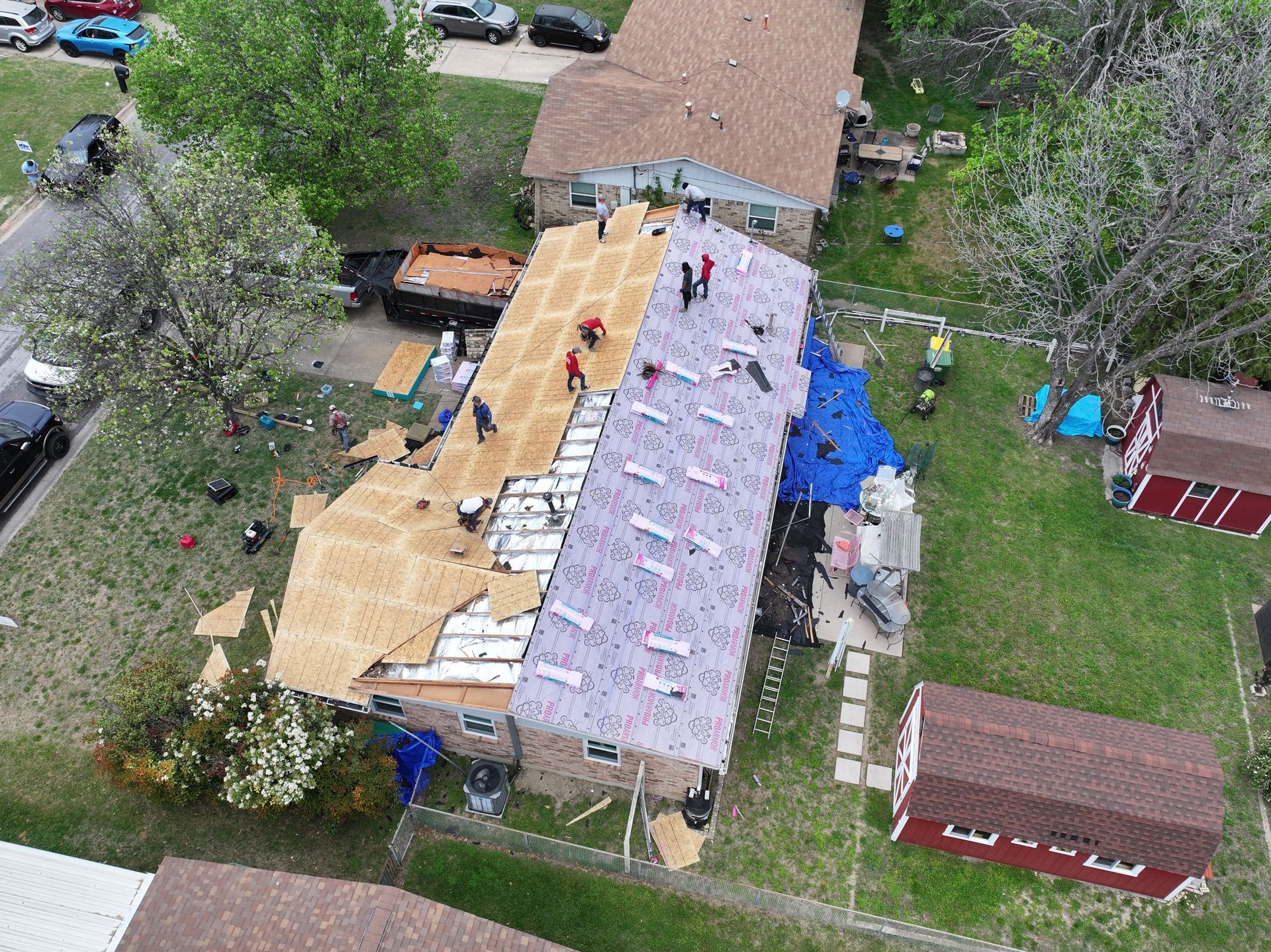
Let's start by discussing the basics of roof tear off. In a tear-off roof replacement, the existing roofing materials are completely removed before installing the new roof. This process allows for a fresh start, as every part of the roofing material is replaced with new materials. If your roof decking or underlayment is deteriorating, a tear-off provides the opportunity to address these issues and ensure that your entire roof is in good shape. Additionally, tear off allows you to upgrade your roofing materials, choosing the best options for your specific needs. By tearing off the old materials, your roofing specialist can also inspect the structure of the roof and make any necessary repairs, such as roof repair, preventing serious damage and extending the lifespan of your new roof.
What It Means to Install Over Existing Roofing
On the other hand, installing a new roof overlay involves placing another layer of roofing materials directly on top of the existing roof, without removing the old materials. This option is less labor-intensive and faster than tear off, as it eliminates the need to remove and dispose of the old roofing materials. With an overlay, the existing roof acts as a base for the new layer of shingles, providing some degree of insulation and protection. However, it's important to note that an overlay may not address underlying issues with the existing roof, such as deteriorating decking or leaks. It also limits your options for selecting new roofing materials and may have a shorter lifespan compared to a tear-off replacement.
Evaluating the Need for Removing Old Roofing
Now that we understand the basics of roof overlay and tear off, let's explore the factors to consider when evaluating the need for removing old roofing materials. The decision between tear off and overlay depends on several factors, including the condition of the existing roof, the desired durability and lifespan of the new roof, and the overall cost. By assessing these factors, you can determine whether a full roof replacement or an overlay is the best option for your specific situation.
When Metal Roofs Can Be Installed Over Shingles
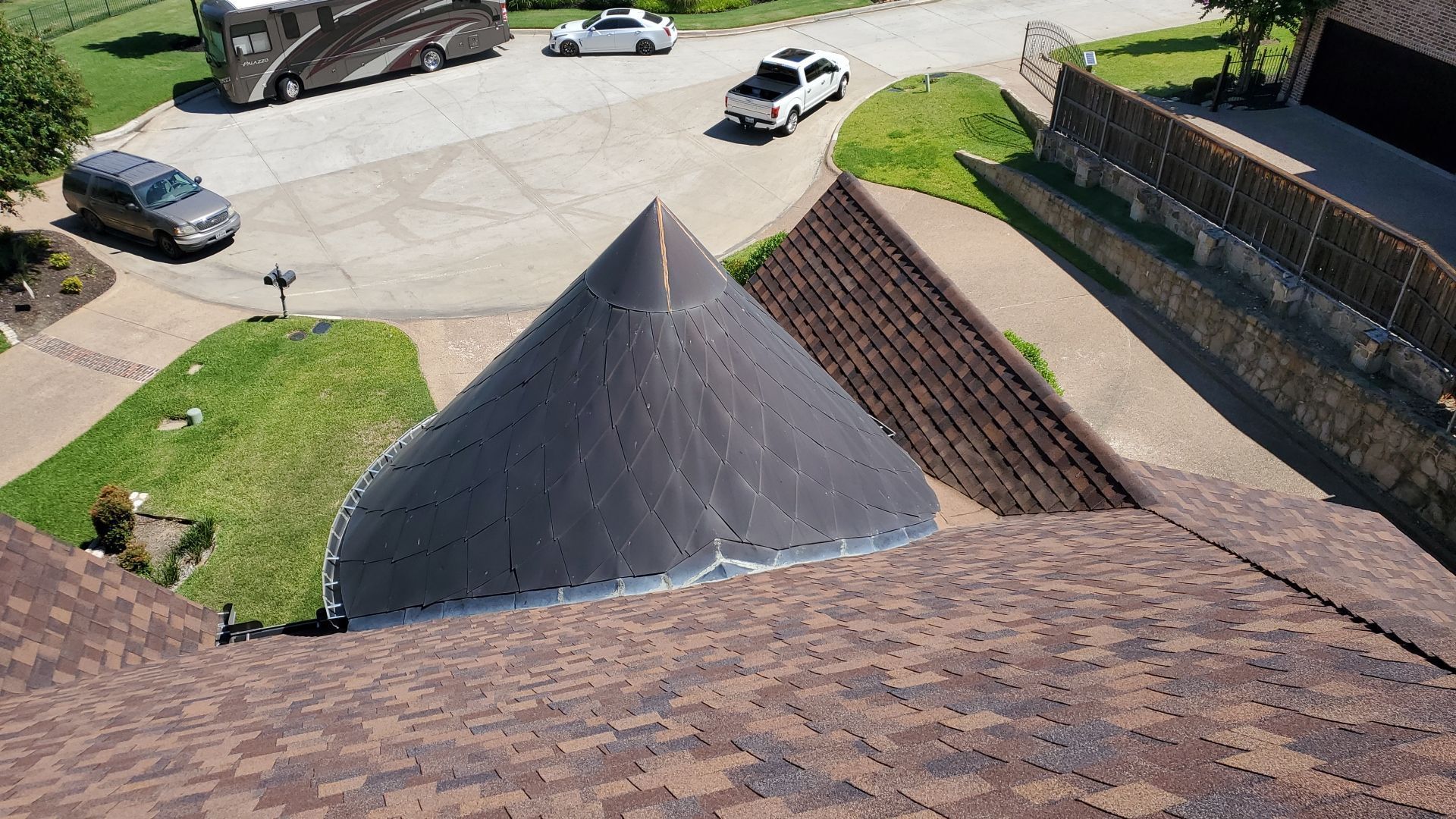
In some cases, it is possible to install a metal roof over existing shingle roofing without removing the shingles. This is known as a metal roof overlay, and while it may seem like a good idea, there are certain considerations to keep in mind. Firstly, the existing shingle roofing must be in good condition, with no signs of wear or damage. Additionally, the metal roof must be installed with an additional roof covering, such as furring strips or a solid substrate, to ensure proper installation and prevent water infiltration. It is always recommended to consult with a roofing professional to determine the feasibility and safety of installing a metal roof over existing shingle roofing.
The Role of Felt Paper in Shingle Roofs
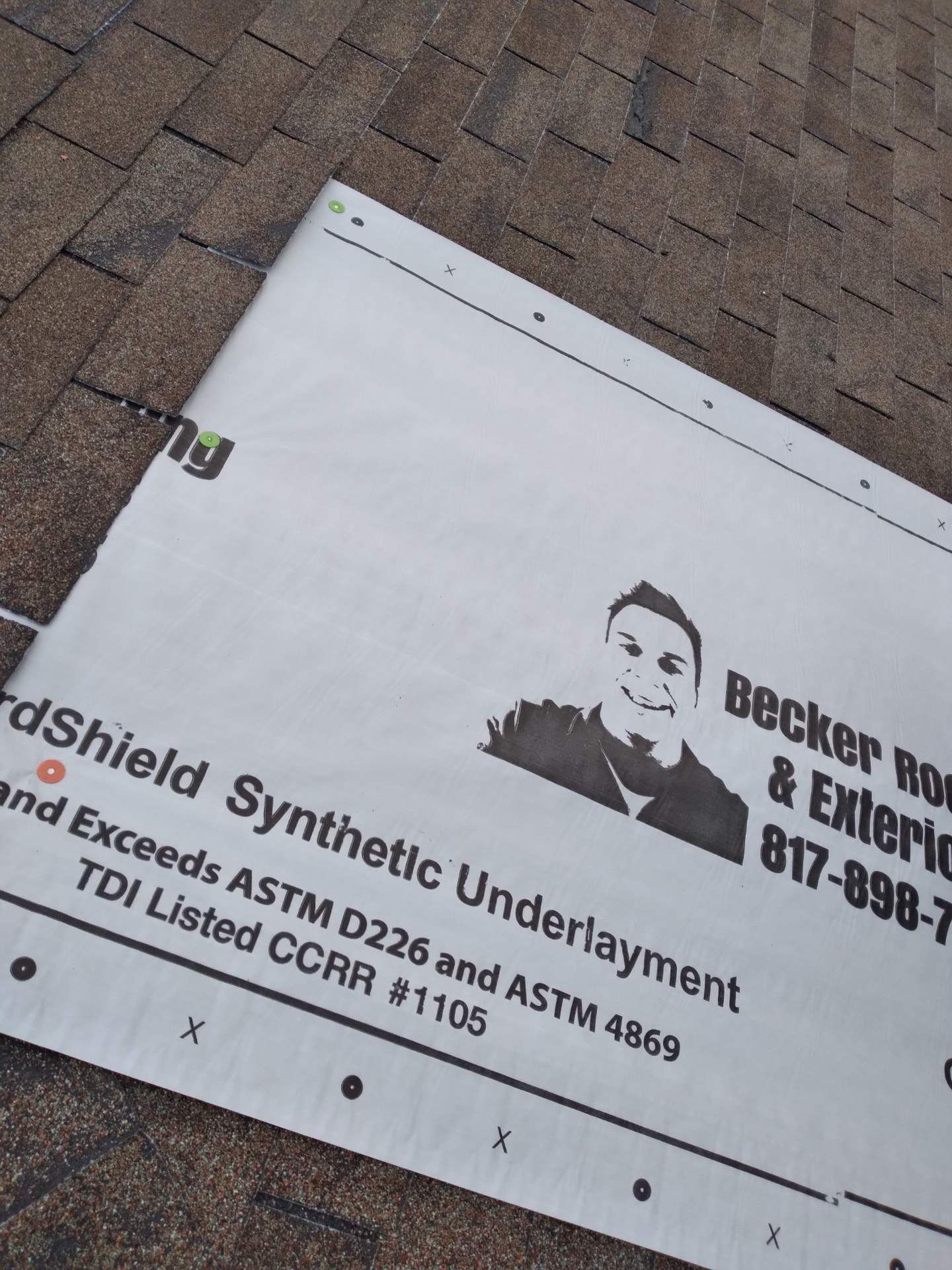
In shingle roofs, felt paper or underlayment plays a crucial role in providing an additional layer of protection against moisture and enhancing the performance of the roofing system. Felt paper is typically installed between the roof decking and the shingles, serving as a barrier that helps prevent water infiltration and improves the overall durability of the roof. It acts as a moisture barrier, protecting the roof structure from potential damage caused by rain, snow, and ice. Additionally, felt paper helps to create a smooth surface for the shingles to adhere to, ensuring proper installation and reducing the risk of leaks. When considering a roof replacement, it is important to discuss the type and quality of underlayment, including the extra layer of felt paper, with your roofing contractor to ensure optimal protection for your home.
Pros and Cons of Leaving Old Roofing Material
Deciding whether to leave old roofing material in place or remove it during a roof replacement involves weighing the benefits and risks of each option. While leaving the old roofing material can save time and money, it may come with potential drawbacks. Let's explore the pros and cons of leaving old roofing material and overlaying it with new materials.
Benefits of Not Removing Old Roofing
- Less labor: Not removing the old roofing material reduces the labor required for the installation process, resulting in lower costs.
- Less time: Overlaying the old roofing material with new materials is a quicker process compared to tear off, minimizing the disruption to your daily routine.
- Cost-effective: Leaving the old roofing material in place can be a cost-effective option, especially if the existing roof is in good condition and does not require extensive repairs.
- Less waste: Overlaying the old roofing material reduces the amount of waste generated during the roof replacement process, making it an environmentally-friendly choice.
- Insulation benefits: The existing roof layer provides some degree of insulation, helping to regulate temperature and potentially reducing energy consumption.
Potential Drawbacks and Risks
- Water damage: Leaving old roofing material in place without addressing potential leaks or signs of water damage can lead to further problems in the future.
- Unseen issues: Overlaying the old roofing material may hide underlying issues with the roof's structure or decking, which can compromise the integrity of the new roof.
- Limited lifespan: Overlaying old roofing material may result in a shorter lifespan for the new roof compared to a tear-off replacement, as the underlying issues may resurface sooner.
- Reduced warranty coverage: Some manufacturers may offer limited warranty coverage for roofs that have been overlaid, as the underlying issues may affect the performance of the new materials.
- Limited material options: Overlaying the old roofing material may limit your choices for selecting new roofing materials, preventing you from taking advantage of advancements in technology and aesthetics.
Cost Analysis: Removal vs. Installation Over Existing Roof
When considering a roof replacement, it's important to perform a cost analysis to determine the most economical option for your specific situation. The cost of a tear-off replacement typically includes labor costs for removing the existing roofing materials, disposal fees for waste removal, and the cost of new materials. On the other hand, an overlay involves lower labor costs, as the old roofing materials do not need to be removed, and may require fewer new materials. However, it's important to consider the potential long-term costs and risks associated with leaving the old roofing material in place.
Estimating the Cost of Roof Tear Off
Estimating the cost of a roof tear-off involves considering several factors, including the size of the roof, the complexity of the roof design, and the labor costs associated with removing the existing roofing materials. Additionally, there may be additional costs for waste removal, such as renting a dump trailer or hiring a waste management company. It's recommended to obtain multiple quotes from reputable roofing contractors to get an accurate estimate for your specific roof tear-off project. Keep in mind that the cost of a tear-off can vary depending on the specific requirements and conditions of your roof.
Comparing Costs: Overlay vs. Complete Replacement
When comparing the costs of an overlay roof and a complete replacement, it's important to consider both the short-term and long-term expenses. While an overlay may initially seem more cost-effective, it may have higher long-term costs due to potential issues with the underlying roof structure. Here is a cost comparison between overlay and full roof replacement:
Cost Comparison
Overlay Roof
Full Roof Replacement
Initial Installation Cost
Lower
Higher
Long-Term Life Span
Shorter
Longer
Potential Repair Costs
Higher
Lower
Assessed Property Value
Little to none
Higher
Ultimately, the choice between overlay and full roof replacement should be based on your specific needs, budget, and long-term goals.
Impact on Durability and Lifespan
The impact of choosing between roof overlay and tear off extends beyond the cost and installation process. It also affects the durability and lifespan of your new roof. A tear-off replacement allows for a fresh start, ensuring that all components of the roof are new and in optimal condition. This can significantly improve the durability and lifespan of the roof, as well as provide an opportunity to address any underlying issues. Conversely, a roof overlay may have a shorter lifespan, as it relies on the existing roof structure and materials.
How Roofing Layers Affect Longevity
The number of roofing layers can have a significant impact on the longevity of your roof. Each layer of shingles adds weight and can increase the risk of issues such as moisture retention and inadequate ventilation. Over time, these factors can lead to premature deterioration and reduced lifespan. In contrast, a tear-off replacement removes all previous layers of shingles, allowing for a fresh start with new materials. This not only improves the structural integrity of the roof but also provides an opportunity to address any underlying issues with the roof decking. By starting with a clean slate, you can maximize the longevity of your new roof and ensure optimal performance for years to come.
Considerations for Maintenance and Future Repairs
When considering roof overlay vs tear off, it's important to think about the maintenance and future repair requirements of your roof. A tear-off replacement allows for easier access to the roof structure, making it simpler to identify and repair any issues that may arise in the future. Conversely, an overlay can make it more challenging to address underlying problems, as the existing roofing materials may hinder access to the roof structure. Additionally, ongoing maintenance, such as cleaning and inspections, may be more difficult with an overlay roof. By choosing a tear-off replacement, you can ensure easier maintenance and future repairs, ultimately extending the lifespan of your roof.
Environmental and Legal Considerations
In addition to the cost and performance factors, there are also environmental and legal considerations when it comes to roof overlay vs tear off. It's important to consider the environmental impact of the waste generated during a tear-off replacement, as well as the disposal methods required by local regulations. Additionally, building codes may dictate whether a tear-off is required based on the number of existing roofing layers. It's crucial to consult with a roofing professional to ensure compliance with building codes and regulations, as well as to minimize the environmental impact of your roof replacement project.
Waste Management and Environmental Impact
The waste generated during a roof replacement can have a significant environmental impact, and it's important to consider proper waste management practices. A tear-off replacement typically produces more waste compared to an overlay, as all the old roofing materials are removed. Proper disposal methods must be followed to minimize the impact on the environment, such as participating in the Owens Corning Roofing and Asphalt Shingle Recycling Program. This program helps to identify shingle recycling centers that roofing contractors can take old, torn-off asphalt shingles to be recycled into new asphalt shingles and roads. By asking your roofing contractor if they participate in this program, you can make a more sustainable choice for your roof replacement. Additionally, using sustainable roofing materials and practices can further reduce the environmental impact of your roof replacement. By considering waste management and environmental impact, you can make a more eco-friendly choice when deciding between roof overlay and tear off.
Compliance with Building Codes and Regulations
Compliance with building codes and regulations is a crucial aspect of any roof replacement project. Local building codes may dictate whether a tear-off is required based on the number of existing roofing layers. It's important to consult with a roofing professional to ensure compliance with these codes and regulations. Failure to comply with building codes can result in fines, delays, and potential safety issues. Additionally, compliance with regulations ensures that the roof replacement meets certain standards for quality and performance. By working with a reputable roofing contractor who is knowledgeable about local building codes, you can ensure that your roof replacement is in compliance and meets all necessary regulations.
Making the Decision: Key Factors to Consider
When making the decision between roof overlay and tear off, it's important to consider several key factors. These factors include the condition of the existing roof, material compatibility, long-term value, and resale value. By assessing these factors, you can make an informed decision that meets your specific needs and goals. Consulting with a roofing professional is also recommended to get expert advice and guidance throughout the decision-making process.
Assessing Roof Condition and Material Compatibility
Assessing the condition of your roof and ensuring material compatibility are crucial steps in determining whether to choose roof overlay or tear off. Conducting a thorough roof inspection, such as our free roof inspection, can help identify any underlying issues with the existing roof, such as leaks, damage, or deteriorating decking. This inspection will provide valuable information about your residential roof’s condition, helping you make an informed decision about whether to tear off or overlay. Material compatibility is also important to ensure that the new roofing materials will work effectively with the existing roof structure. Consulting with a roofing professional can provide valuable insights and recommendations based on your specific roof condition and material compatibility requirements.
Weighing Cost Against Benefits and Long-Term Value
When deciding between roof overlay and tear off, it's essential to weigh the cost against the benefits and long-term value. While an overlay may initially be less expensive, considering the potential long-term costs and risks associated with leaving the old roofing material in place is crucial. Additionally, a tear-off replacement offers the opportunity to enhance the long-term value of your home, as it improves the overall condition and performance of the roof. By conducting a cost-benefit analysis and considering the long-term value and resale potential, you can make a decision that aligns with your budget and goals.
Case Studies and Expert Opinions
To provide further insights into the decision-making process between roof overlay and tear off, let's explore some case studies and expert opinions. These real-life examples and expert perspectives can help shed light on the considerations involved and the success stories that have resulted from each option. By learning from the experiences and opinions of others, you can gain a better understanding of the potential outcomes and make a more informed decision.
Success Stories of Overlays and Tear Offs
There are success stories for both roof overlays and tear offs, depending on the specific circumstances and goals. Some homeowners have found that an overlay provided a cost-effective solution that addressed their roofing needs without major issues. Others have opted for a tear-off replacement, which allowed for a fresh start and provided long-term benefits. These success stories highlight the importance of considering individual factors and consulting with a professional roofing contractor to determine the best option for your specific situation.
Recommendations from Roofing Professionals
Roofing professionals, such as Becker Roofing and Exteriors, play a crucial role in providing recommendations and guidance when it comes to roof overlay vs tear off. Their expertise and knowledge of roofing systems, gained over 30 years in the industry, can help assess the condition of your existing roof, evaluate material compatibility, and provide insights into the long-term benefits and potential risks of each option. By consulting with roofing professionals, like those at Becker Roofing and Exteriors, you can gain valuable recommendations tailored to your specific needs and make an informed decision about the best option for your roof replacement.
Preparing for Roof Installation
Once you have made the decision between roof overlay and tear off, it's important to prepare for the roof installation process. This involves finding the right roofing contractor who has experience and expertise in the chosen method. It's also crucial to communicate your expectations clearly and ensure that all necessary permits and documentation are in order. Preparing your property for the installation process, such as clearing the work area and protecting landscaping, can help minimize disruptions and ensure that you are doing the right thing for a smooth and successful roof installation.
Steps to Take Before Installing a New Roof
Before installing a new roof, there are several important steps to take to ensure a successful installation. These steps include:
- Roof inspection: Conduct a thorough inspection of the existing roof to identify any underlying issues that need to be addressed.
- Roof deck assessment: Assess the condition of the roof deck to ensure it is in good shape and can support the new roofing materials.
- Material selection: Choose the appropriate roofing materials based on your specific needs, preferences, and budget.
- Permit acquisition: Obtain any necessary permits and documentation required by local building codes and regulations.
- Contractor selection: Select a reputable and experienced roofing contractor who specializes in the chosen method (overlay or tear off).
- By following these steps, you can ensure a smooth and successful new roof installation.
How to Choose the Right Contractor
Choosing the right roofing contractor is crucial for a successful roof replacement. Here are some key factors to consider when selecting a contractor:
- Experience: Look for a contractor with extensive experience in roof replacement, including both overlay and tear-off methods.
- Reputation: Check online reviews, testimonials, and references to ensure the contractor has a good reputation for quality work.
- License and insurance: Verify that the contractor is licensed and insured to protect yourself and your property.
- Warranty: Inquire about the warranties offered by the contractor for both labor and materials.
- Communication: Choose a contractor who communicates effectively, listens to your needs, and provides clear explanations.
- By considering these factors and conducting thorough research, you can confidently select the right roofing contractor for your new roof installation.
Conclusion
In conclusion, whether to tear off roofing before installing a new roof depends on various factors such as cost, durability, and environmental impact. While leaving old roofing material can have its benefits, such as cost savings, it may pose risks in terms of longevity and maintenance. It is crucial to assess your specific situation, considering factors like roof condition, material compatibility, and long-term value. By weighing the pros and cons and consulting with roofing professionals, you can make an informed decision that aligns with your needs and priorities. Ultimately, choosing the right approach will ensure a successful and lasting roof installation.
Frequently Asked Questions
Is it necessary to remove old shingles before installing new ones?
Yes, it is generally necessary to remove old shingles before installing new ones. Removing the old shingles allows for a fresh start, ensures proper installation, and provides an opportunity to address any underlying issues with the roof structure. It also allows for the selection of new materials that meet current industry standards.
Can you install a metal roof over existing shingle roofing without removal?
In some cases, it is possible to install a metal roof over existing shingle roofing without removing the shingles. However, it is important to consult with a roofing professional to ensure that the existing shingles are in good condition and the installation can be done safely and effectively.
What are the main factors driving the cost of roof tear-off and replacement?
The cost of roof tear-off and replacement is influenced by several factors, including the size of the roof, the complexity of the roof design, the labor costs associated with removing the existing roofing materials, and the cost of new materials. Additionally, waste removal and disposal fees can contribute to the overall cost.