Synthetic Felt for Roofing in Fort Worth: Ultimate Guide
Discover the ultimate guide to synthetic felt for roofing in Fort Worth. Learn more on our blog for expert insights and tips.
Ultimate Guide to Synthetic Felt for Roofing in Fort Worth
Key Highlights
- Synthetic felt is a popular roofing underl option in Fort Worth due to its durability and ability to withstand severe weather conditions.
- It offers peace of mind to homeowners by providing an extra layer of protection their roofing system.
- Synthetic felt is lightweight and tear-resistant, making it easier to work with during roof installation.
- Proper ventilation is important when using synthetic felt to ensure moisture control and prevent damage to the roof.
- Comparing synthetic felt with traditional tar paper reveals the benefits of synthetic felt, such as its durability and tear strength.
Introduction
Welcome to the ultimate guide to synthetic felt for roofing in Fort Worth! When it comes to protecting your home from the elements, a high-quality roofing system is crucial. And one of the key components of a roofing system is the underlayment. In Fort Worth, where severe weather conditions are a common occurrence, homeowners need a roofing underlayment that can withstand the toughest challenges.
Synthetic felt has emerged as a popular choice for roofing underlayment in Fort Worth due to its durability and ability to withstand severe weather conditions. Whether you're installing a new roof or replacing an existing one, synthetic felt can provide you with the peace of mind you need. It offers an extra layer of protection for your roofing system, ensuring that your home remains safe and secure.
In this guide, we will explore the ins and outs of synthetic felt for roofing. We will discuss what synthetic felt is, its benefits compared to traditional tar paper, the importance of permeability in synthetic felt, the different types of synthetic felt available in the market, installation techniques, cost factors, and maintenance tips. By the end of this guide, you will have all the information you need to make an informed decision about synthetic felt for your roof in Fort Worth.
Understanding Synthetic Felt for Roofing
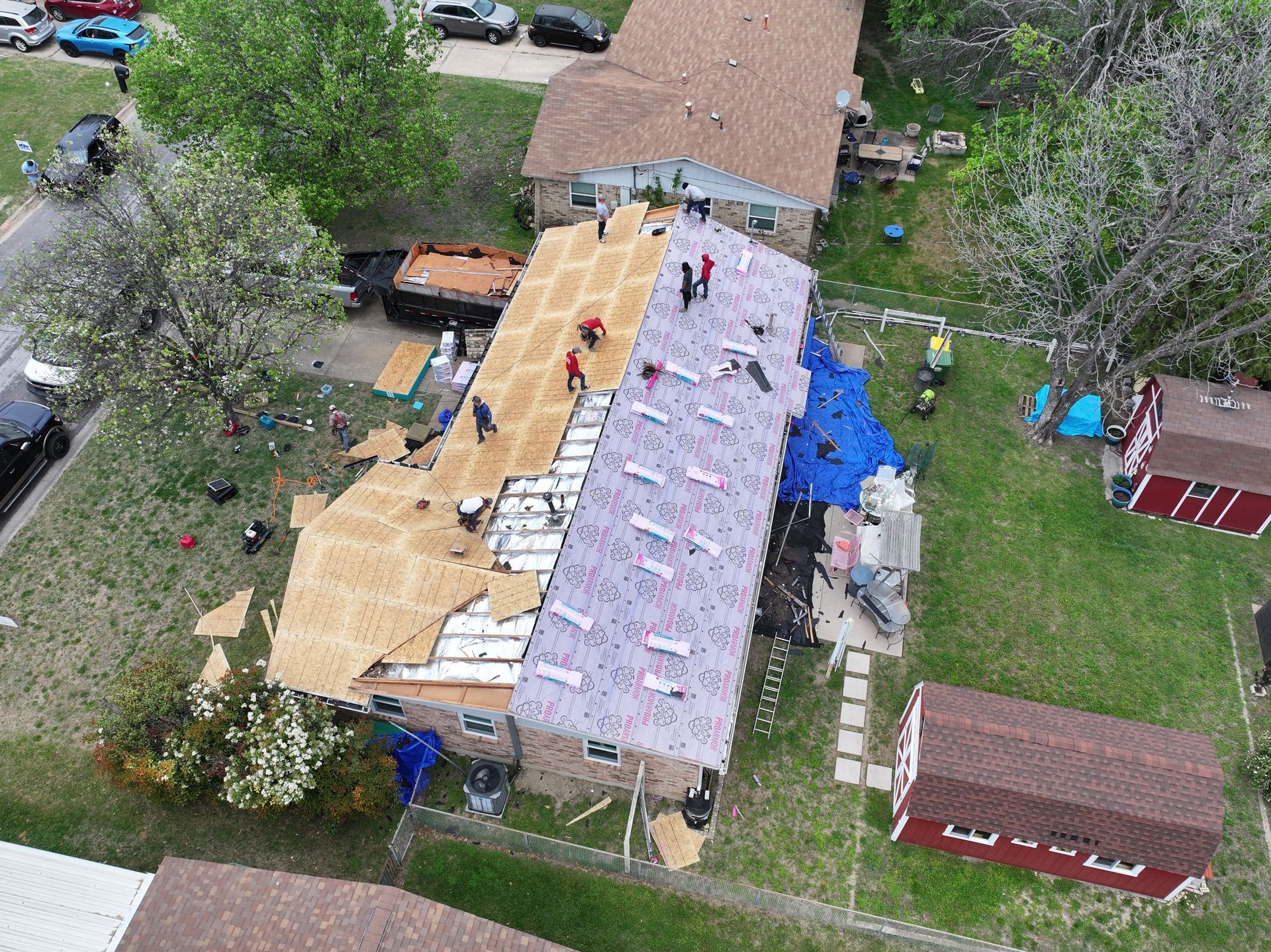
Before diving into the details, let's start by understanding what synthetic felt is and its role in roofing installation. Roofing underlayment is a crucial component of any roofing system. It acts as a protective layer between the roof deck and the final roofing material, such as shingles or metal panels.
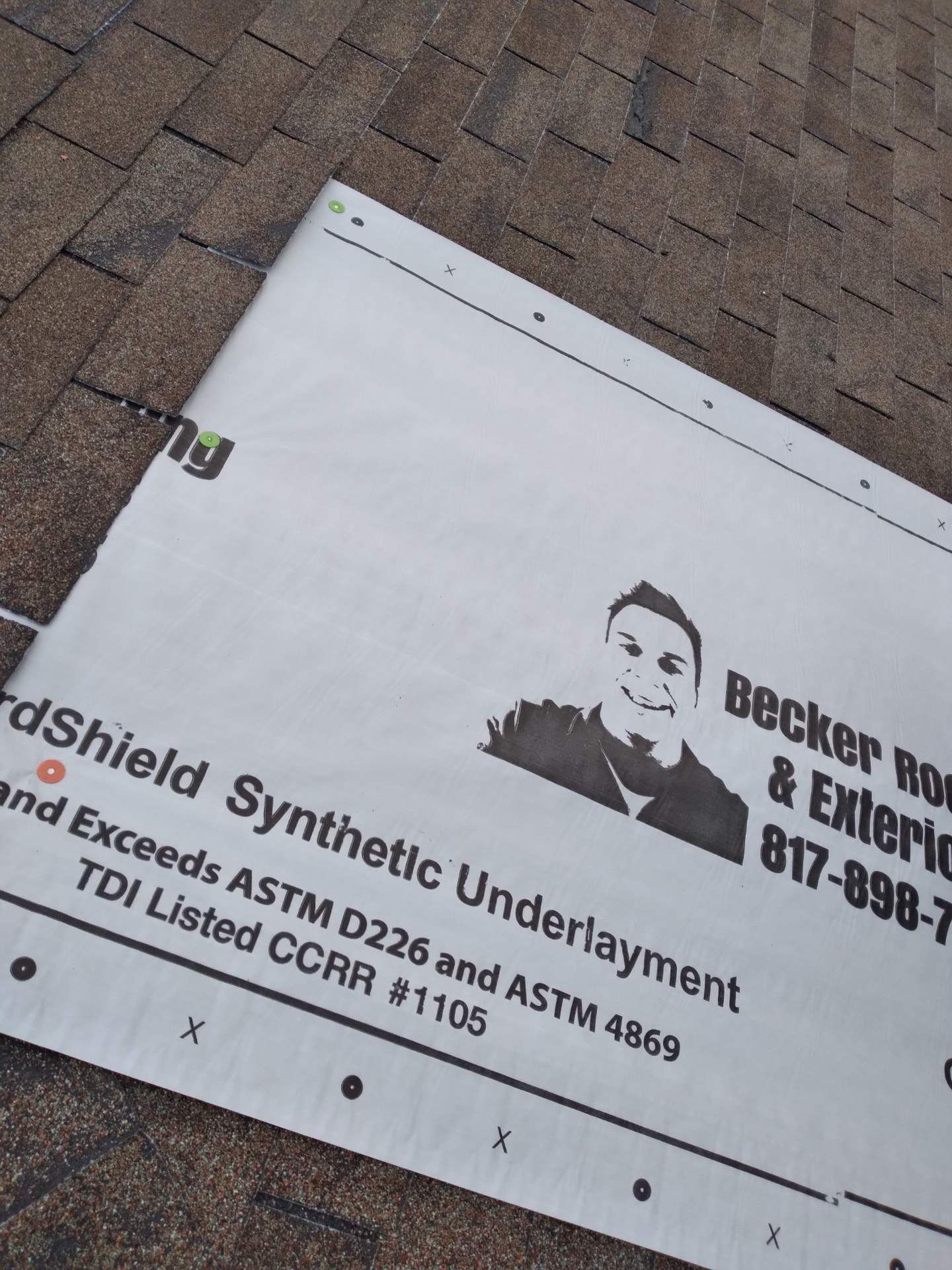
Synthetic felt, also known as synthetic underlayment, is a type of roofing underlayment made from synthetic materials like polypropylene or polyethylene. It is designed to provide an additional layer of protection to the roof deck during the installation process. Synthetic felt is lightweight and tear-resistant, making it easier to handle and install compared to traditional tar paper.
What is Synthetic Felt?
Synthetic felt, also known as synthetic underlayment, is a roofing material that is used as a protective layer between the roof deck and the final roofing material, such as shingles or metal panels. It is made from synthetic materials like polypropylene or polyethylene, which give it its lightweight and tear-resistant properties.
The main function of synthetic felt is to provide an additional layer of protection to the roof deck during the installation process. It acts as a barrier against moisture infiltration and helps to prevent damage to the roof deck. Synthetic felt is also designed to withstand severe weather conditions, making it an ideal choice for areas prone to high winds and heavy rainfall.
One of the advantages of synthetic felt is its durability. It is resistant to tearing and can withstand foot traffic during the installation process. Additionally, synthetic felt is lightweight, which makes it easier to handle and install compared to traditional tar paper.
Overall, synthetic felt is a reliable and cost-effective option for roofing underlayment. Its durability, lightweight nature, and tear resistance make it a popular choice among homeowners and roofing contractors alike.
The Evolution of Roofing Felt Materials
Roofing underlayment has come a long way over the years, with advancements in materials and technology. Traditional materials like felt have been used for decades, but the introduction of synthetic materials has revolutionized the roofing industry.
Traditional roofing felt, also known as tar paper, has been the go-to choice for roofing underlayment for many years. It is made from recycled materials and is known for its durability. However, traditional felt has its limitations. It can be heavy and difficult to handle, making the installation process more challenging.
The evolution of roofing felt materials has led to the development of synthetic underlayment. Synthetic felt is made from synthetic materials like polypropylene or polyethylene, which give it its lightweight and tear-resistant properties. It is also more resistant to UV damage and high temperatures compared to traditional tar paper.
The introduction of synthetic felt has brought numerous benefits to the roofing industry. Its lightweight nature and tear resistance make it easier to handle and install, saving time and effort for roofing contractors. Additionally, its superior durability and resistance to weather conditions make it a reliable choice for homeowners.
Comparing Synthetic Felt with Traditional Tar Paper
When it comes to choosing a roofing underlayment, homeowners often compare synthetic felt with traditional tar paper. Both options have their pros and cons, and it's important to understand the differences between them.
Synthetic felt offers several advantages over traditional tar paper. It is lighter and easier to work with, making the installation process quicker and more efficient. Synthetic felt is also more durable, with higher tear strength compared to tar paper. This makes it a better choice for areas prone to high winds or foot traffic.
On the other hand, traditional tar paper is more cost-effective and readily available in local stores. It has been used for decades and has a proven track record of performance. For homeowners on a tight budget or in areas where synthetic felt may not be easily accessible, tar paper can be a suitable option.
Benefits of Synthetic Over Tar Paper
- Durability: Synthetic felt is more durable than traditional tar paper, with higher tear strength. It can withstand severe weather conditions and foot traffic during installation.
- Lightweight: Synthetic felt is lighter in weight compared to tar paper, making it easier to handle and install. It also reduces the overall weight load on the roof.
- Tear Strength: Synthetic felt has superior tear strength compared to tar paper, providing added protection against damage during installation and severe weather.
- Moisture Control: Synthetic felt is designed to provide excellent moisture control, preventing water infiltration and potential damage to the roof deck.
- Ease of Installation: Synthetic felt is easier to install than tar paper due to its lightweight nature and tear resistance.
Situations Where Tar Paper Might Be Preferable
While synthetic felt offers numerous benefits, there are situations where tar paper might be preferable. Here are a few scenarios where tar paper may be a suitable option:
- Cost-Effectiveness: Tar paper is generally more cost-effective than synthetic felt, making it a budget-friendly choice for homeowners.
- Availability of Products: In some areas, synthetic felt may not be readily available or may be more expensive compared to tar paper. In such cases, homeowners may opt for tar paper due to its availability and affordability.
- Local Stores: Traditional tar paper is widely available in local stores, making it convenient for homeowners who prefer to purchase roofing materials locally.
It is important for homeowners to assess their specific needs, budget, and local availability before making a decision between synthetic felt and tar paper. Consulting with a professional roofing contractor can also help in making an informed choice.
The Importance of Permeability in Synthetic Felt
Permeability is an important aspect to consider when choosing a synthetic felt for your roofing system. It refers to the material's ability to allow moisture to escape from the roof deck and prevent the buildup of condensation.
Proper ventilation is essential for maintaining the health and longevity of your roofing system. Without proper ventilation, moisture can become trapped, leading to mold, rot, and other issues. Synthetic felt with high permeability ensures that moisture is properly managed, reducing the risk of damage to the roof deck and improving the overall performance of the roof.
How Permeability Affects Roof Performance
Permeability plays a crucial role in the performance of a roofing system. When it comes to synthetic felt, proper permeability is essential for moisture control and ventilation.
Roof underlayment, including synthetic felt, acts as a barrier between the roof deck and the final roofing material. It helps to protect the roof deck from moisture infiltration and potential damage. However, without proper permeability, moisture can become trapped, leading to the buildup of condensation and potential issues such as mold and rot.
Proper ventilation is crucial in maintaining the health of your roofing system. It allows moisture to escape, preventing the buildup of condensation and reducing the risk of damage. Synthetic felt with high permeability ensures that moisture is properly managed, improving the overall performance and lifespan of the roof.
Identifying the Right Permeability Levels for Fort Worth Homes
In Fort Worth, where severe weather conditions are common, it's important to choose synthetic felt with the right permeability levels for your roofing system.
Fort Worth experiences hot summers and occasional heavy rainfall, which can lead to moisture-related issues if not properly managed. Choosing synthetic felt with high permeability allows for proper ventilation and moisture control, reducing the risk of damage to the roof deck.
Consulting with a professional roofing contractor can help you determine the right permeability levels for your specific needs. They will take into account the local weather conditions, the type of roofing material, and other factors to ensure that your roofing system is properly protected and ventilated.
Types of Synthetic Felt Available in the Market
When it comes to synthetic felt for roofing, there are various types available in the market. Each type offers its own set of features and benefits. Here are some of the most popular types of synthetic felt:
- Synthetic roofing underlayment made from polypropylene or polyethylene
- Product variety offering different thicknesses and colors
- Leading brands such as Owens Corning, GAF, and CertainTeed offering high-quality synthetic felt options
Choosing the right type of synthetic felt for your roof depends on factors such as your budget, the specific needs of your roofing system, and personal preferences. Consulting with a professional roofing contractor can help you navigate the options and choose the best synthetic felt for your roof.
Features and Benefits of Leading Brands
Leading brands in the roofing industry, such as Owens Corning, GAF, and CertainTeed, offer high-quality synthetic felt options. Here are some features and benefits of these leading brands:
Brand
Features
Benefits
Owens Corning
- Lightweight and tear-resistant
- Ease of installation
- Superior moisture control |
- | GAF | - High permeability | - Enhanced ventilation and moisture management
- Long-lasting durability |
- | CertainTeed | - UV resistance | - Protection against UV damage
- Excellent tear strength |
These leading brands are known for their commitment to quality and innovation in the roofing industry. When choosing synthetic felt for your roof, considering these brands can ensure that you are getting a reliable and durable product that will protect your home for years to come.
How to Choose the Best Synthetic Felt for Your Roof
Choosing the best synthetic felt for your roof involves considering a few key factors. Here are some tips to help you make the right choice:
- Evaluate your specific roofing needs, including the climate and the type of roofing material you have or plan to install.
- Research different brands and their offerings, considering factors such as product quality, durability, and reputation.
- Consider the level of customer service provided by the manufacturer or supplier. A reliable brand will offer excellent customer support and assistance.
- Read reviews and seek recommendations from homeowners or roofing professionals who have experience with synthetic felt.
- Select a synthetic felt that provides peace of mind, knowing that your roofing system is protected and will withstand the elements.
By taking these factors into account, you can choose the best synthetic felt for your roof installation, ensuring that your roofing system is in top condition and provides long-lasting protection.
Installation Techniques for Synthetic Felt
Proper installation techniques for synthetic felt are crucial to ensure the longevity and performance of your roofing system. Whether you're installing a new roof or replacing an existing one, here are some key steps to follow:
- Prepare your roof deck by ensuring it is clean, dry, and free of any debris.
- Install a drip edge along the eaves to prevent water from seeping under the roofing material.
- Address any potential ice dam issues by installing an ice and water shield in vulnerable areas.
- Lay the synthetic felt in a shingle-style pattern, starting from the bottom and working your way up.
- Use appropriate fasteners, such as staples or nails, to secure the synthetic felt to the roof deck.
- Avoid excessive foot traffic on the synthetic felt during installation to prevent damage.
Following these installation techniques will help ensure that your synthetic felt is properly installed and provides the necessary protection for your roofing system.
Preparing Your Roof for Synthetic Felt Installation
Before installing synthetic felt on your roof, it's important to properly prepare the roof deck. Here are some key steps to follow:
- Clean the roof deck to remove any dirt, debris, or old roofing materials. This will ensure a clean surface for the synthetic felt to adhere to.
- Ensure that the roof deck is dry before installing the synthetic felt. Moisture trapped between the roof deck and the synthetic felt can lead to damage and mold growth.
- Install a drip edge along the eaves of the roof. This will prevent water from seeping under the roofing material and causing damage to the roof deck.
- Address any potential ice dam issues by installing an ice and water shield in vulnerable areas. This will prevent water from seeping into the roof deck and causing damage.
By properly preparing the roof deck, you create a solid foundation for the installation of the synthetic felt, ensuring its effectiveness in protecting your roofing system.
Step-by-Step Guide to Installing Synthetic Felt
Installing synthetic felt on your roof requires careful attention to detail. Here is a step-by-step guide to help you through the installation process:
- Start at the bottom of the roof and work your way up, ensuring that each row overlaps the previous one by at least 6 inches.
- Use appropriate fasteners, such as staples or nails, to secure the synthetic felt to the roof deck. Place the fasteners at regular intervals to ensure proper attachment.
- Avoid excessive foot traffic on the synthetic felt during installation to prevent damage. If necessary, use walk boards or planks to distribute weight evenly.
- Trim the synthetic felt as needed to fit around roof protrusions, such as vents or chimneys.
- Ensure that all edges of the synthetic felt are properly sealed to prevent water infiltration.
Following these steps will help ensure a smooth and successful installation of synthetic felt on your roof, providing the necessary protection and durability.
Cost Factors of Synthetic Felt Roofing
When considering synthetic felt for your roofing system, it's important to understand the cost factors involved. Here are a few key factors to consider:
- Cost Analysis: Compare the cost of synthetic felt to other roofing underlayment options, such as tar paper, to determine if it fits within your budget.
- Online Pricing: Research online pricing for synthetic felt to get an idea of the average cost and compare prices from different suppliers.
- Long-Term Savings: Consider the long-term savings that synthetic felt can provide, such as its durability and resistance to severe weather, which can reduce the need for frequent repairs or replacements.
By considering these cost factors, you can make an informed decision about the affordability and value of synthetic felt for your roofing system.
Analyzing the Price Range of Synthetic Felt Options
The price range of synthetic felt options can vary depending on various factors, including the brand, quality, and market conditions. Here are a few considerations when analyzing the price range:
- Local Stores: Check with local roofing suppliers or home improvement stores for pricing options and availability.
- Online Pricing: Research online suppliers and compare prices to get a better understanding of the average cost range.
- Stated Offer: Some manufacturers or suppliers may offer promotional pricing or discounts, so consider any special offers when analyzing the price range.
It's important to remember that while price is a consideration, it should not be the sole determining factor. Consider the quality, durability, and reputation of the synthetic felt options available to make an informed decision about the best value for your roofing system.
Long-Term Savings: Is Investing in Synthetic Felt Worth It?
Investing in synthetic felt for your roofing system can offer long-term savings and benefits. Here are a few reasons why it may be worth the investment:
- Durability: Synthetic felt is known for its durability and resistance to severe weather conditions. It can withstand high winds, heavy rainfall, and UV damage, reducing the need for frequent repairs or replacements.
- Lifespan: Synthetic felt has a longer lifespan compared to traditional tar paper, meaning it will not need to be replaced as often.
- Cost-Benefit: While synthetic felt may have a higher upfront cost compared to tar paper, its durability and long lifespan can result in cost savings over time.
By considering the durability, lifespan, and cost-benefit of synthetic felt, you can determine if it is worth the investment for your roofing system.
Maintenance and Durability of Synthetic Felt Roofing
Maintaining the durability of your synthetic felt roofing is important to ensure its long-lasting performance. Here are some key factors to consider:
- Routine Maintenance: Regularly inspect your roof for any signs of damage, such as loose or missing shingles. Remove any debris that may accumulate on the roof.
- Longevity: Synthetic felt is known for its durability, but it is still important to monitor its condition over time. Address any issues promptly to prevent further damage.
- Professional Inspection: Schedule regular inspections by a professional roofing contractor to assess the condition of your synthetic felt and identify any potential issues.
By following these maintenance practices, you can ensure that your synthetic felt roofing remains durable and provides the necessary protection for your home.
Routine Maintenance Tips
Routine maintenance is key to keeping your synthetic felt roofing in optimal condition. Here are some tips for maintaining the longevity and performance of your synthetic felt:
- Regularly inspect your roof for any signs of damage, such as loose or missing shingles, and address any issues promptly.
- Keep your roof clean by removing any debris, leaves, or branches that may accumulate on the surface.
- Trim overhanging tree branches to prevent them from rubbing against or damaging the roof.
- Schedule regular professional inspections to identify any potential issues and ensure that your synthetic felt is performing as expected.
- Maintain proper attic ventilation to prevent heat buildup and excessive moisture, which can compromise the performance of your synthetic felt.
By following these routine maintenance tips, you can have peace of mind knowing that your synthetic felt roofing is in good condition and will last for years to come.
Expected Lifespan and Durability Concerns
The expected lifespan and durability of synthetic felt roofing can vary depending on various factors, including the quality of the material, proper installation, and maintenance. However, when properly installed and maintained, synthetic felt roofing can last for several decades.
Synthetic felt is designed to withstand severe weather conditions, including high winds and heavy rainfall. It is tear-resistant and provides an extra layer of protection for your roofing system. By addressing any issues promptly and following proper maintenance practices, you can ensure that your synthetic felt roofing remains durable and performs as expected.
While synthetic felt is known for its durability, it is important to monitor its condition over time and address any concerns or signs of damage. Regular professional inspections can help identify any potential issues and ensure the longevity of your synthetic felt roofing.
Conclusion
In conclusion, understanding the benefits and applications of synthetic felt for roofing in Fort Worth can lead to informed decisions for your roofing needs. With its advanced features, including superior permeability and durability, synthetic felt offers a compelling alternative to traditional tar paper. By exploring the various types available, installation techniques, cost factors, and maintenance tips, you can make a well-informed choice that aligns with the specific requirements of your home. Whether you prioritize longevity, weather resistance, or ease of installation, synthetic felt presents a modern solution worth considering for your roofing projects.
Frequently Asked Questions
Can synthetic felt be used on all types of roofs?
Yes, synthetic felt can be used on all types of roofs, including metal roofing and asphalt shingles. It acts as a protective layer between the roof deck and the final roofing material, providing an extra layer of protection for the entire roofing system.
How does weather in Fort Worth impact the choice of synthetic felt?
The weather in Fort Worth, Texas, with its hot summers and occasional heavy rainfall, makes the choice of synthetic felt crucial. Synthetic felt offers durability and resistance to severe weather conditions, including UV damage, when combined with proper ventilation.