Ultimate Guide to Radiant Barrier Roofing Felt Benefits
Learn about the benefits of radiant barrier roofing felt and how to install it properly. Check out our blog for more information!
Radiant Barrier Roofing Felt Benefits and Installation Guide
Key Highlights
- Radiant barrier roofing felt is a type of roofing underlayment that offers several benefits, including energy savings, improved indoor comfort, and prolonged roof lifespan.
- The installation of radiant barrier roofing felt involves preparing the roof for installation, following a step-by-step installation process, and ensuring optimal performance.
- Comparing different radiant barrier products can help homeowners choose the best option for their roofing needs.
- Common challenges during installation can be navigated with the help of a roofing contractor, and addressing common concerns can provide clarity for homeowners considering radiant barrier roofing felt.
- Frequently asked questions include whether radiant barrier roofing felt can be installed over existing shingles, how often it needs replacement, and the environmental benefits it offers.
Introduction
Radiant barrier roofing felt is a roofing underlayment that has gained popularity for its ability to improve energy efficiency, enhance indoor comfort, and extend the lifespan of roofs. It offers homeowners a cost-effective solution to reduce energy costs and create a more comfortable living environment.
This blog will provide an in-depth understanding of radiant barrier roofing felt, its benefits, and a comprehensive installation guide. Whether you are a homeowner looking to upgrade your roof or a roofing contractor seeking information on radiant barrier products, this blog will provide valuable insights.
Understanding radiant barrier roofing felt and its installation process is crucial for homeowners who want to make informed decisions about their roofing needs. By the end of this blog, you will have a clear understanding of the benefits of radiant barrier roofing felt and the steps involved in its installation.
So, let's dive into the world of radiant barrier roofing felt and discover how it can revolutionize your home's energy efficiency, comfort, and roof lifespan.
Understanding Radiant Barrier Roofing Felt
Radiant barrier roofing felt is a specialized type of roofing underlayment designed to reflect radiant heat away from the roof and attic. It acts as a barrier between the roof and the attic, reducing heat transfer and improving energy efficiency.
Radiant heat is the transfer of heat through electromagnetic waves, and it can significantly impact the temperature inside a building. In traditional roofing systems, radiant heat is absorbed by the roof and transferred to the attic, leading to increased temperatures in the attic space. This heat transfer from the hot object can result in higher energy costs for cooling and reduced indoor comfort.
Roofing underlayment, including radiant barrier roofing felt, plays a crucial role in preventing heat transfer. It acts as an additional layer of insulation and reflects radiant heat away from the roof and attic. This helps to keep the attic temperature lower, reducing the strain on the cooling system and resulting in energy savings. For those looking for even more energy efficiency, installing metal roofing with RoofingFoil™ + Underlayment can provide additional benefits. The metal roofing acts as a reflective surface, further reducing heat transfer and keeping the attic cooler.
By installing radiant barrier roofing felt, homeowners can create a more energy-efficient roof system that reduces heat gain and overall energy costs. The radiant barrier material used in the underlayment reflects infrared energy, effectively preventing its transfer into the attic. This helps to keep the attic temperature lower and reduces the cooling load on the building. Radiant barrier roofing felt is typically made with a layer of aluminum foil, which acts as a low emittance surface to reflect thermal radiation from the sun. This makes it a crucial component in creating a more energy-efficient home.
What is Radiant Barrier Roofing Felt?
Radiant barrier roofing felt is a specialized roofing material that incorporates a reflective layer to reduce heat transfer through the roof. It is typically used as an underlayment in roof systems and acts as a barrier between the roof and the attic.
The radiant barrier material used in the roofing felt reflects radiant heat away from the roof, helping to reduce the temperature in the attic. This, in turn, contributes to a more energy-efficient roof system and improved indoor comfort.
By incorporating radiant barrier roofing felt into a roof system, homeowners can enjoy the benefits of reduced energy costs, improved indoor comfort, and a prolonged roof lifespan. It is an essential component in the development of an energy-saving roof system or cool roof, and it can make a significant difference in the overall energy efficiency of a building.
How Does Radiant Barrier Work Under Shingles?
Radiant barrier roofing felt works by reflecting radiant heat away from the roof and attic, reducing heat transfer and improving energy efficiency. When installed under shingles, it creates an air space between the radiant barrier material and the roof deck.
This air space is crucial for the radiant barrier to effectively reflect radiant heat. As heat from the sun hits the roof, the radiant barrier material reflects a significant portion of this heat back, preventing it from being transferred into the attic space.
The air space between the radiant barrier and the roof deck allows for airflow, which helps to dissipate any heat that is absorbed by the shingles. This prevents the shingles from becoming too hot and transferring that heat into the attic.
By incorporating a radiant barrier under shingles, homeowners can significantly reduce the amount of heat transferred into the attic, resulting in lower attic temperatures and decreased energy costs. Additionally, the reduced heat transfer helps to prolong the lifespan of the shingles by reducing the strain on the roofing materials.
Benefits of Using Radiant Barrier Roofing Felt
Using radiant barrier roofing felt offers several benefits for homeowners, including energy savings, improved indoor comfort, and a prolonged roof lifespan. By reducing heat transfer and lowering attic temperatures, radiant barrier roofing felt helps to reduce the energy costs associated with cooling the home.
Additionally, the improved energy efficiency of the roof system can contribute to a more comfortable indoor environment, as the reduced heat gain helps to maintain a more stable temperature. Finally, the presence of a radiant barrier can help to extend the lifespan of the roof by reducing the strain on the roofing materials.
Energy Efficiency and Cost Savings
One of the key benefits of using radiant barrier roofing felt is the improved energy efficiency it provides. By reducing heat transfer and lowering attic temperatures, radiant barrier roofing felt helps to reduce the energy costs associated with cooling the home. Some specific benefits include:
- Reduced attic temperatures: Radiant barrier roofing felt reflects radiant heat, keeping the attic temperature lower than traditional roofing materials.
- Decreased cooling load: By reducing the heat gain in the attic, radiant barrier roofing felt reduces the strain on the cooling system, resulting in lower energy costs.
- Improved insulation: The radiant barrier acts as an additional layer of insulation, reducing heat transfer and improving overall energy efficiency.
By incorporating radiant barrier roofing felt into a roof system, homeowners can significantly reduce their energy consumption and save on cooling costs.
Improved Indoor Comfort
In addition to energy savings, radiant barrier roofing felt also improves indoor comfort by reducing the heat gain in the attic. By reflecting radiant heat away from the roof, the radiant barrier helps to maintain a more stable indoor temperature.
During hot summer months, radiant heat from the sun can penetrate the roof and increase the temperature in the attic. This can lead to uncomfortable living conditions and increased reliance on air conditioning. By incorporating a radiant barrier into the roof system, homeowners can minimize heat gain and create a more comfortable indoor environment by utilizing the laws of physics.
The radiant barrier material used in the roofing felt reflects a significant portion of the radiant heat back, preventing it from being transferred into the attic. This helps to keep the attic temperature lower, reducing the strain on the cooling system and providing a more comfortable living space.
Prolonged Roof Lifespan
Another significant benefit of using radiant barrier roofing felt is its ability to prolong the lifespan of the roof. By reducing heat transfer and lowering attic temperatures, radiant barrier roofing felt helps to minimize the wear and tear on the roofing materials.
Traditional roofing materials can deteriorate over time due to excessive heat exposure. By incorporating a radiant barrier into the roof system, homeowners can reduce the amount of heat that is absorbed by the roof. This, in turn, reduces the strain on the roofing materials, helping to prolong their lifespan.
Additionally, radiant barrier roofing felt acts as an additional layer of protection for the roof deck. It provides a moisture barrier that contributes to the durability of the primary roof coverings. By protecting the roof deck from moisture damage, radiant barrier roofing felt helps to extend the overall lifespan of the roof.
Comparing Top Radiant Barrier Products
When it comes to choosing the right radiant barrier product for your roofing needs, it's essential to compare the options available in the market. There are several radiant barrier products on the market, each with its own unique features and benefits.
Two popular options for radiant barrier roofing felt are SolarHide and Sharkskin Ultra Radiant. These products offer excellent reflective insulation properties and are designed to meet the energy-saving requirements of modern roof systems. SolarHide, in particular, is versatile and can be used with various steep slope roofing assemblies including metal, wood, slate, clay tile, stone, coated steel, concrete tile, and asphalt shingles. By comparing the features and benefits of these products, homeowners can make an informed decision about their radiant barrier roofing felt.
SolarHide vs Sharkskin Ultra Radiant: An Overview
SolarHide and Sharkskin Ultra Radiant are two leading radiant barrier products in the market, offering homeowners enhanced energy efficiency and improved indoor comfort. Here's an overview of these products:
- SolarHide: SolarHide is a radiant barrier roofing felt that combines a reflective layer with a high-performance synthetic underlayment. It offers excellent resistance to heat transfer and contributes to a more energy-efficient roof system.
- Sharkskin Ultra Radiant: Sharkskin Ultra Radiant is a high-performance roof underlayment that acts as a radiant barrier for all types of roofs, including metal, slate, tile, and shingle. It exceeds energy-saving requirements and provides a reflective insulation layer for improved energy efficiency.
By considering the features and benefits of SolarHide and Sharkskin Ultra Radiant, homeowners can choose the radiant barrier product that best suits their roofing needs.
Effectiveness Under Shingles: A Comparative Analysis
To understand the effectiveness of radiant barrier roofing felt under shingles, let's compare the heat flow characteristics of radiant barrier foil and traditional roofing materials. The table below provides a comparative analysis:
Product
Heat Flow Characteristics
Radiant Barrier Foil
Reflects a significant portion of radiant heat, reducing heat transfer
Traditional Material
Absorbs and transfers heat, increasing attic temperature
Radiant barrier roofing felt, such as Sharkskin Ultra Radiant, acts as a barrier between the roof and the attic, reflecting a significant portion of the radiant heat back towards the roof. This reduces the heat transfer into the attic, resulting in lower attic temperatures and improved energy efficiency.
In contrast, traditional roofing materials absorb and transfer heat, leading to increased attic temperatures. By incorporating a radiant barrier under shingles, homeowners can significantly reduce the amount of heat transferred into the attic, resulting in lower attic temperatures and decreased energy costs.
Installation Guide for Radiant Barrier Roofing Felt
Proper installation of radiant barrier roofing felt is crucial to ensure its effectiveness in reducing heat transfer and improving energy efficiency. Here is a step-by-step installation guide for homeowners and roofing contractors:
- Preparing Your Roof for Installation:
- Ensure the roof sheathing is clean and free from any debris or nails.
- Install a plastic cap along the eaves and edges of the roof to ensure a secure attachment.
- Check for any moisture or leaks on the roof deck and address them before installation.
- Consider installing a vapor barrier for added protection against moisture.
- Step-by-Step Installation Process:
- Start at the eaves and unroll the radiant barrier roofing felt along the roof deck.
- Secure the felt using plastic cap nails or corrosion-resistant staples.
- Overlap each row of felt by a few inches to ensure a watertight seal.
- Trim excess felt at the edges for a clean finish.
- Tips for Ensuring Optimal Performance:
- Create an air gap between the radiant barrier and the roof deck by using furring strips.
- Ensure the foil side of the radiant barrier is facing up to reflect radiant heat.
- Use caution and wear fall protective gear during installation, especially in wet weather and windy conditions.
For complex roof installations or if you're unsure about the installation process, it's always recommended to consult a professional roofing contractor for assistance.
Preparing Your Roof for Installation
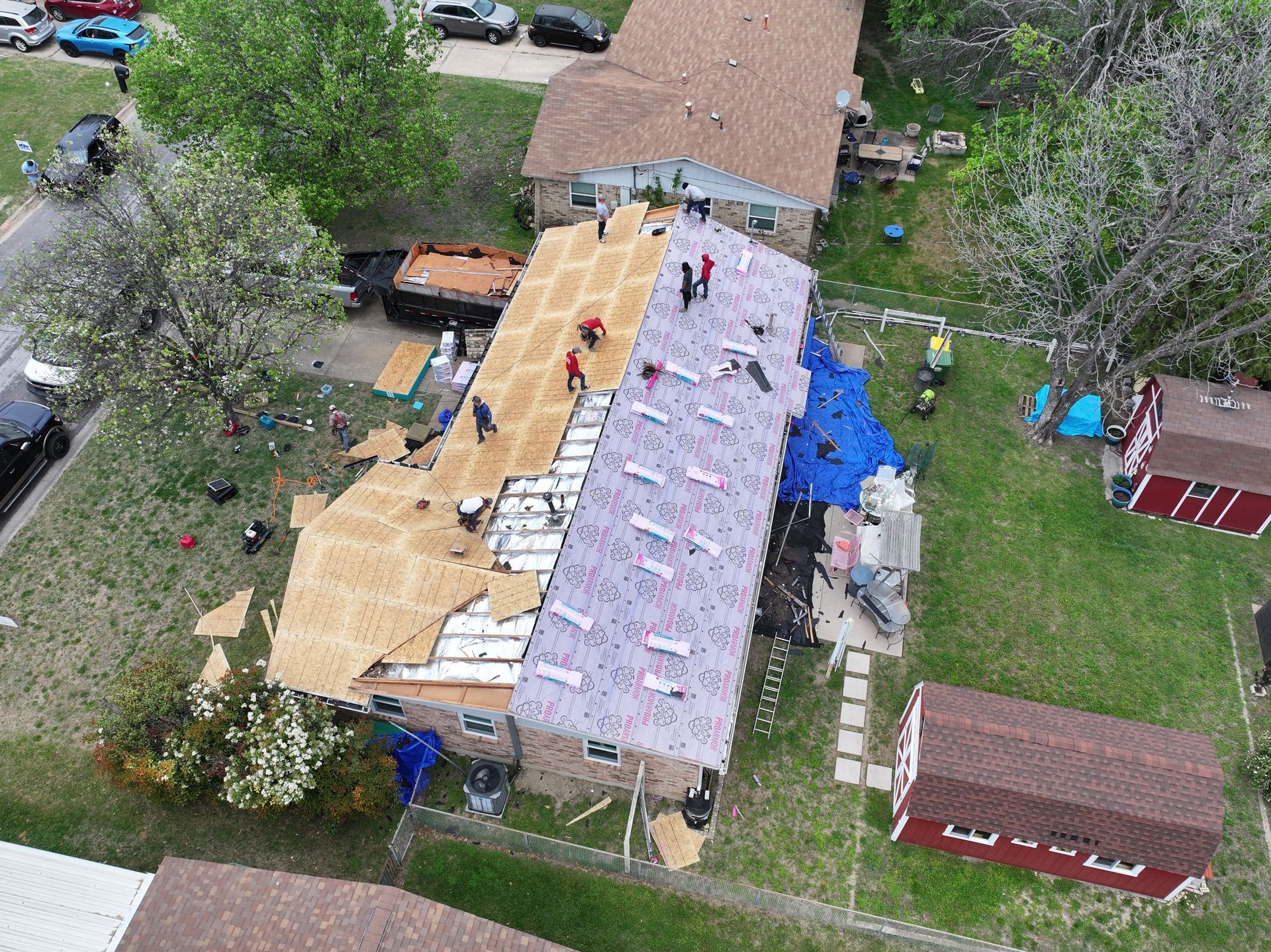
Inspect your roof deck for any damage or moisture, ensuring a solid foundation. Remove any existing roofing underlayment and debris to create a clean surface. Check for proper ventilation and address any issues beforehand. Ensure the roof sheathing is in good condition and repair any damaged sections. Consider the layout for installation, allowing for proper overlap and sealing. Securing the radiant barrier roofing felt properly will enhance its effectiveness and longevity.
Step-by-Step Installation Process
To ensure proper installation of radiant barrier roofing felt, start by cleaning the roof deck thoroughly. Lay the radiant barrier with the foil side facing down, ensuring it covers the entire roof area. Secure the barrier using plastic cap nails spaced according to manufacturer guidelines. Overlap seams by a few inches and seal them with bubble foil tape to prevent heat transfer. Finish by installing the shingle roof as per standard practices for a complete radiant barrier roofing system.
Tips for Ensuring Optimal Performance
Install the radiant barrier roofing felt with a consistent overlap to avoid heat leakage. Ensure proper sealing at all joints and edges. Use plastic cap nails for secure fastening without compressing the insulation. Maintain an air gap between the radiant barrier and roof deck to maximize effectiveness. Position the foil side facing an open air space to enhance heat reflection. Regularly inspect the radiant barrier for any damage and promptly address any issues to uphold its performance.
Common Challenges and Solutions
Navigating the installation of radiant barrier roofing felt may pose challenges like ensuring correct air space for optimal performance and addressing concerns about foil durability. Properly securing the roofing underlayment to the roof decking using plastic cap nails can prevent heat flow disruptions. Additionally, understanding the best way to handle foil products during installation is crucial to avoid damage and maintain effectiveness. Overcoming these challenges with guidance from a roofing contractor can lead to a successful radiant barrier installation.
Navigating Installation Difficulties
Installing radiant barrier roofing felt may present some challenges, especially for complex roof systems or unique roofing materials. However, with the help of a roofing contractor and proper planning, these difficulties can be navigated successfully.
Roofing contractors have the expertise and experience to handle various installation difficulties, such as installing radiant barrier roofing felt over a new metal roof or ensuring a seamless integration with other roofing products. By involving a professional, homeowners can ensure that the radiant barrier is installed correctly and optimally.
Additionally, addressing common concerns related to radiant barrier roofing felt, such as warranty, moisture management, and insulation, can provide clarity and peace of mind for homeowners considering this roofing solution. By understanding the benefits and limitations of radiant barrier roofing felt, homeowners can make informed decisions and mitigate any concerns related to its installation and performance. However, it is important to note that proper water management is the most important thing to pay attention to during installation to ensure the effectiveness and longevity of the roofing system.
Addressing Common Concerns and Questions
As with any roofing material, there may be common concerns and questions related to radiant barrier roofing felt. Addressing these concerns can provide homeowners with a better understanding of the product and its performance. Here are some common concerns and their answers:
- Warranty: Radiant barrier roofing felt typically comes with a warranty that guarantees its performance and durability. Homeowners should carefully review the warranty details and consult with the manufacturer or roofing contractor for any specific concerns.
- Moisture: Proper installation and moisture management are crucial for the performance of radiant barrier roofing felt. Addressing any existing moisture issues before installation and ensuring the presence of a vapor barrier can help mitigate moisture-related concerns.
- Insulation: Radiant barrier roofing felt acts as an additional layer of insulation, reducing heat transfer and improving energy efficiency. However, it is important to note that it primarily reflects radiant heat and may not provide the same level of insulation as traditional insulating materials.
By addressing these common concerns and providing homeowners with accurate information about radiant barrier roofing felt, they can make informed decisions and choose the roofing solution that best meets their needs.
Conclusion
In conclusion, understanding the benefits of radiant barrier roofing felt can significantly impact your home's energy efficiency, comfort, and roof lifespan. By choosing the right product and following the proper installation guide, you can enjoy cost savings, improved indoor conditions, and a prolonged roof life. Consider the advantages of products like SolarHide and Sharkskin Ultra Radiant for optimal performance. Address common challenges with ease and ensure your radiant barrier is installed correctly to reap the full benefits. With these insights, you can make an informed decision about using radiant barrier roofing felt for your home.
Frequently Asked Questions
Can Radiant Barrier Roofing Felt Be Installed Over Existing Shingles?
Yes, radiant barrier roofing felt can be installed over existing shingles. However, it is important to ensure that the roof underlayment is compatible with the existing roofing materials and that proper installation techniques are followed. Consult a professional roofing contractor for guidance.
How Often Does Radiant Barrier Roofing Need Replacement?
Radiant barrier roofing is designed to last for an extended period. With proper installation and maintenance, it can last for the lifespan of the roof. The exact replacement interval may vary depending on factors such as the roofing material used and the warranty provided by the manufacturer.
What are the Environmental Benefits of Radiant Barrier Roofing Felt?
Radiant barrier roofing felt offers several environmental benefits. By reducing heat gain and lowering energy costs, it contributes to overall energy savings. Additionally, the use of radiant barrier roofing felt can help create a cool roof, reducing the urban heat island effect and minimizing the building's impact on the environment.