Best Drone for Roofing Inspections: Reliable & Efficient Recommendations!
Top Picks: Best Drone for Roofing Inspections
Explore reliable & efficient drones on our blog!
Key Highlights
- Drones have revolution the roofing industry by providing efficient and cost-effective for roof inspections.
- The key factors to consider when choosing a drone for roofing inspections are flight time, image quality, and the ability to handle different roofing materials.
- The DJI Mavic 3 Pro, DJI Air 3, and DJI Mini 4 Pro are among the top picks for residential roofing inspections, each offering unique features and capabilities.
- For roof inspections, the DJI Matrice with Thermal Sensor, 3D mapping capabilities, and AI software for anomaly detection are recommended.
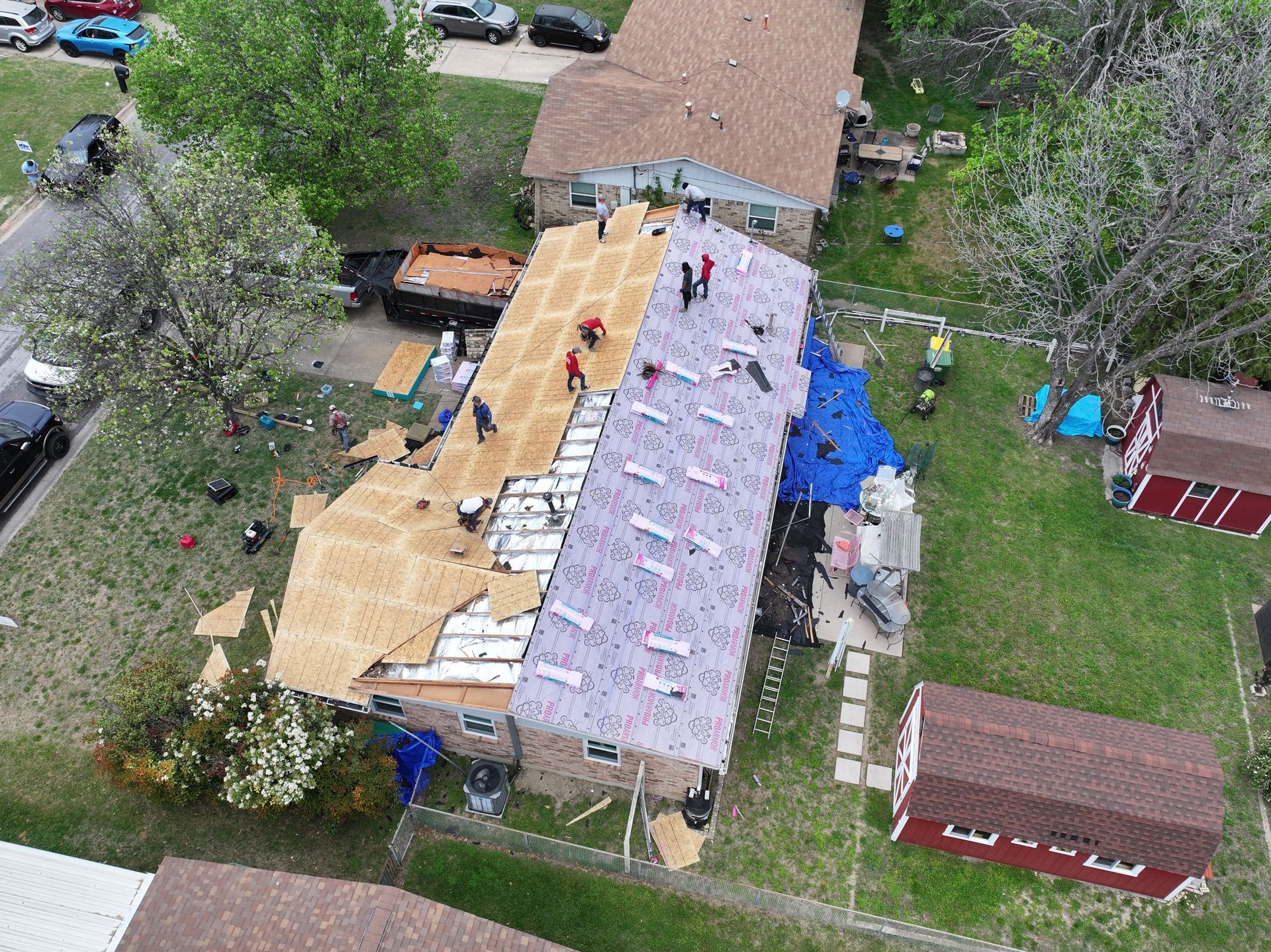
- Drones are transforming roof inspections by providing aerial views, saving time and money, and improving safety.
Introduction
- Roof inspections are an essential part of maintaining the integrity and safety of a building. Traditionally, these inspections were carried out by manual methods, which were time-consuming, costly, and sometimes dangerous. However, with advancements in technology, drones have emerged as a game-changer in the roofing industry.
- Drones, also known as unmanned aerial vehicles (UAVs), offer a cost-effective and efficient solution for roof inspections. Equipped with high-resolution cameras and advanced flight capabilities, drones can capture detailed images and videos of roofs, providing valuable insights to roofing contractors and homeowners alike.
- In this blog, we will explore the best drones for roofing inspections, their features, and how they are transforming the way roof inspections are conducted. Whether you are a roofing contractor looking to enhance your services or a homeowner in need of a roof inspection, this guide will help you make an informed decision.
Best Drones for Residential Roofing Inspections
- Residential roof inspections require drones that can handle different types of roofs, provide high-quality images, and have a sufficient flight time to cover the entire roof area. Here are three top picks for residential roofing inspections:
1. DJI Mavic 3 Pro: The Ultimate Choice for High Winds and Zoom Capabilities
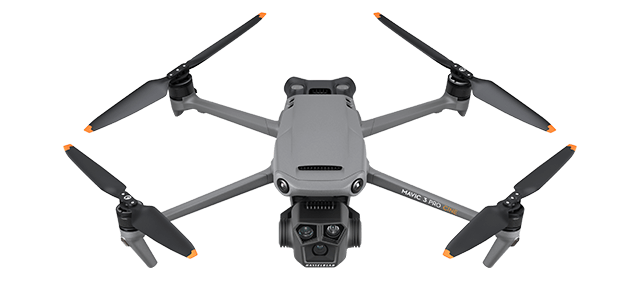
- The DJI Mavic 3 is the ultimate choice for residential roofing inspections, especially in high windy conditions. With its high wind resistance and stable flight capabilities, it can handle gusty winds and ensure smooth and steady footage.
- The Mavic 3 Pro also boasts impressive zoom capabilities, allowing for detailed inspections from a safe distance. Equipped with a Hasselblad camera, it captures high-quality images and videos, providing clear and accurate documentation of roof conditions.
- With a flight time of up to 43 minutes, the Mavic 3 Pro offers ample time to inspect large roofs without the need for frequent battery changes. Its omnidirectional obstacle sensing ensures safe and obstacle-free flights, even in complex environments.
2. DJI Air 3: A Comparable Alternative with Similar Features
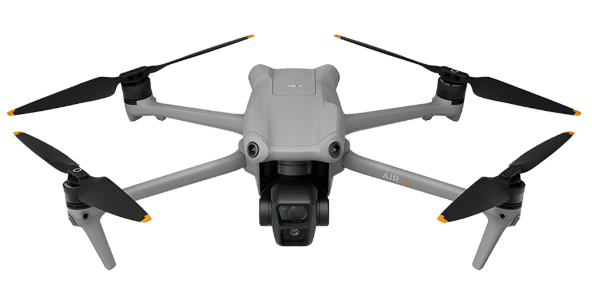
- The DJI Air 3 is a comparable alternative to the Mavic 3 Pro, offering similar features and capabilities. With a flight time of up to 46 minutes, it provides an extended air time for thorough roof inspections.
- The dual-primary-camera system of the Air 3 includes a wide-angle camera and a 3x medium telephoto camera, allowing for versatile shots and capturing detailed images.
- The Air 3 also features omnidirectional obstacle sensing, providing all-around protection against collisions and ensuring safe and smooth flights. With its O4 HD video transmission system, it offers a stable and high-quality live feed, allowing for real-time monitoring of roof conditions.
3. DJI Mini 4 Pro: Lightweight and Suitable for Less Windy Conditions
- The DJI Mini 4 Pro is a lightweight and compact drone that is suitable for residential roof inspections in less windy conditions. Its lightweight design allows for easy maneuverability and quick inspections.
- Despite its small size, the Mini 4 Pro offers a flight time of up to 31 minutes, providing sufficient time to cover smaller roofs. It is a perfect choice for roofing contractors who need a portable and efficient solution for roof inspections.
- The Mini 4 Pro may have some limitations in terms of image quality and zoom capabilities compared to the Mavic 3 Pro and Air 3. However, for simple roof inspections and quick assessments, it offers a convenient and cost-effective option.
Features That Make a Drone Ideal for Roof Inspections
- When choosing the best drone for roof inspections, there are several key features to consider. These features will determine the drone's effectiveness and efficiency in capturing accurate roof data. Here are three features that make a drone ideal for roof inspections:
High Wind Resistance: Essential for Stable Flight
- High wind resistance is essential for stable flight during roof inspections. Strong gusts of wind can affect the drone's stability, making it difficult to capture clear and steady footage.
- Look for drones with advanced flight systems and aerodynamic designs that can handle high winds. Drones with high wind resistance will ensure stable flight and smooth footage even in challenging weather conditions.
- Additionally, consider the flight time of the drone. Longer flight times allow for more comprehensive roof inspections without the need for frequent battery changes. This is especially important when inspecting larger roofs or multiple properties in a single session.
Zoom Capabilities: For Detailed Inspections from a Safe Distance
- Zoom capabilities are crucial for detailed inspections, especially when examining hard-to-reach areas of the roof. Drones with zoom capabilities can capture close-up shots from a safe distance, eliminating the need for physical access to the roof.
- Look for drones with optical zoom or digital zoom capabilities. Optical zoom provides a higher image quality and maintains clarity even when zoomed in, while digital zoom can enhance the details but may result in some loss of image quality.
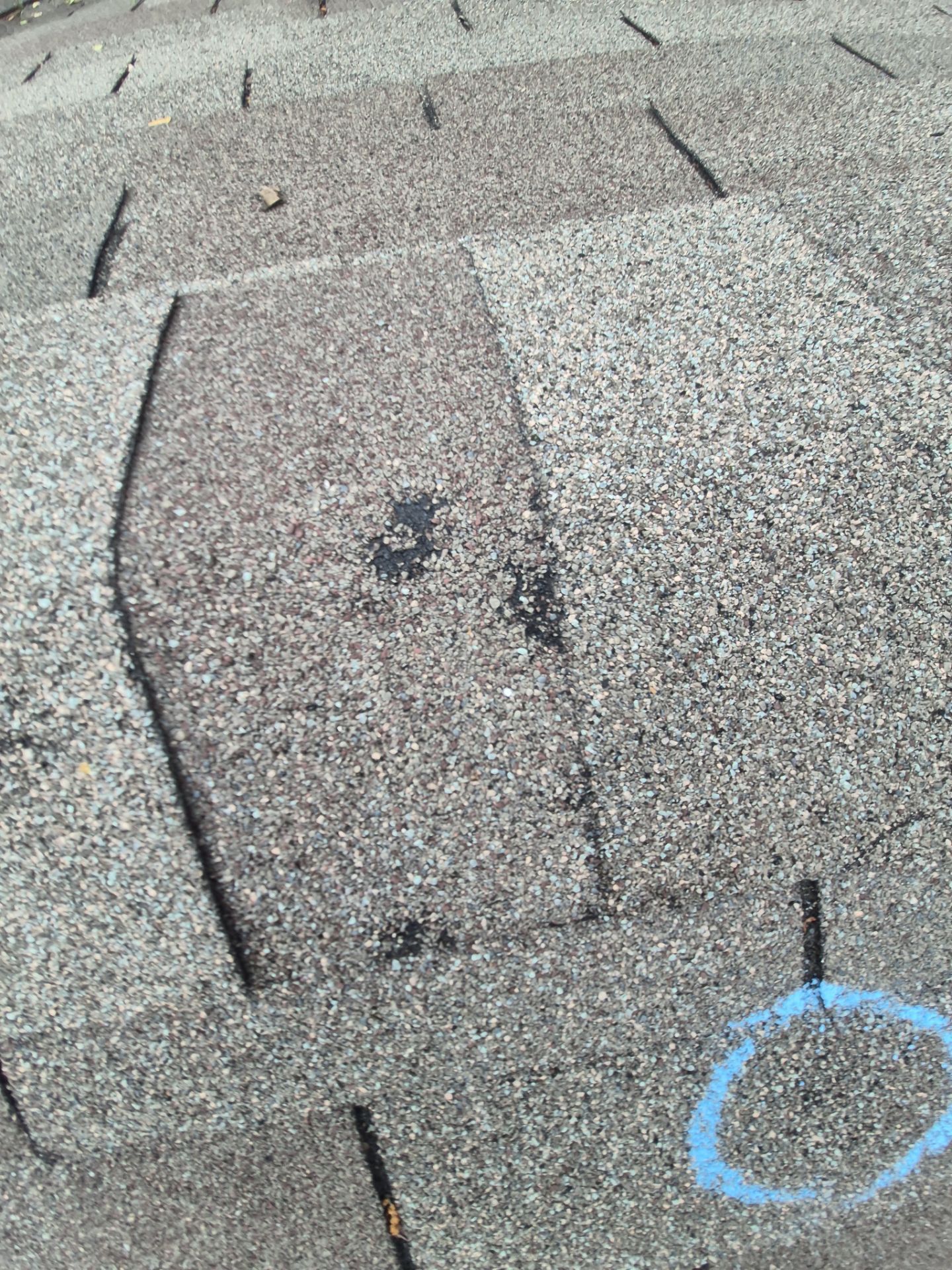
- Zoom capabilities allow for a more accurate assessment of roof conditions, such as identifying missing shingles, cracks, or other signs of damage. This information is essential for making informed decisions about roof repairs or replacements.
Lightweight Design: The Advantage of DJI Mini 4 Pro in Wind Sensitivity
- For roof inspections in less windy conditions, a lightweight drone can be advantageous. The DJI Mini 4 Pro, with its compact and lightweight design, offers easy maneuverability and quick inspections.
- However, it's important to note that lightweight drones may be more sensitive to wind, and strong gusts can affect their stability and flight performance. Therefore, it is recommended to use lightweight drones in optimal weather conditions to avoid potential flight issues.
- The advantage of a lightweight drone is that it can be easily transported to different job sites and deployed quickly, saving time for roofing contractors. Its small size also allows for easy storage and handling, making it a convenient tool for regular roof inspections.
Advanced Drones for Commercial Roof Inspections
- Commercial roof inspections often require more advanced drones with additional features to handle larger roofs and complex roofing systems. Here are three advanced drones recommended for commercial roof inspections:
DJI Matrice with Thermal Sensor: The Top Pick for Commercial Use
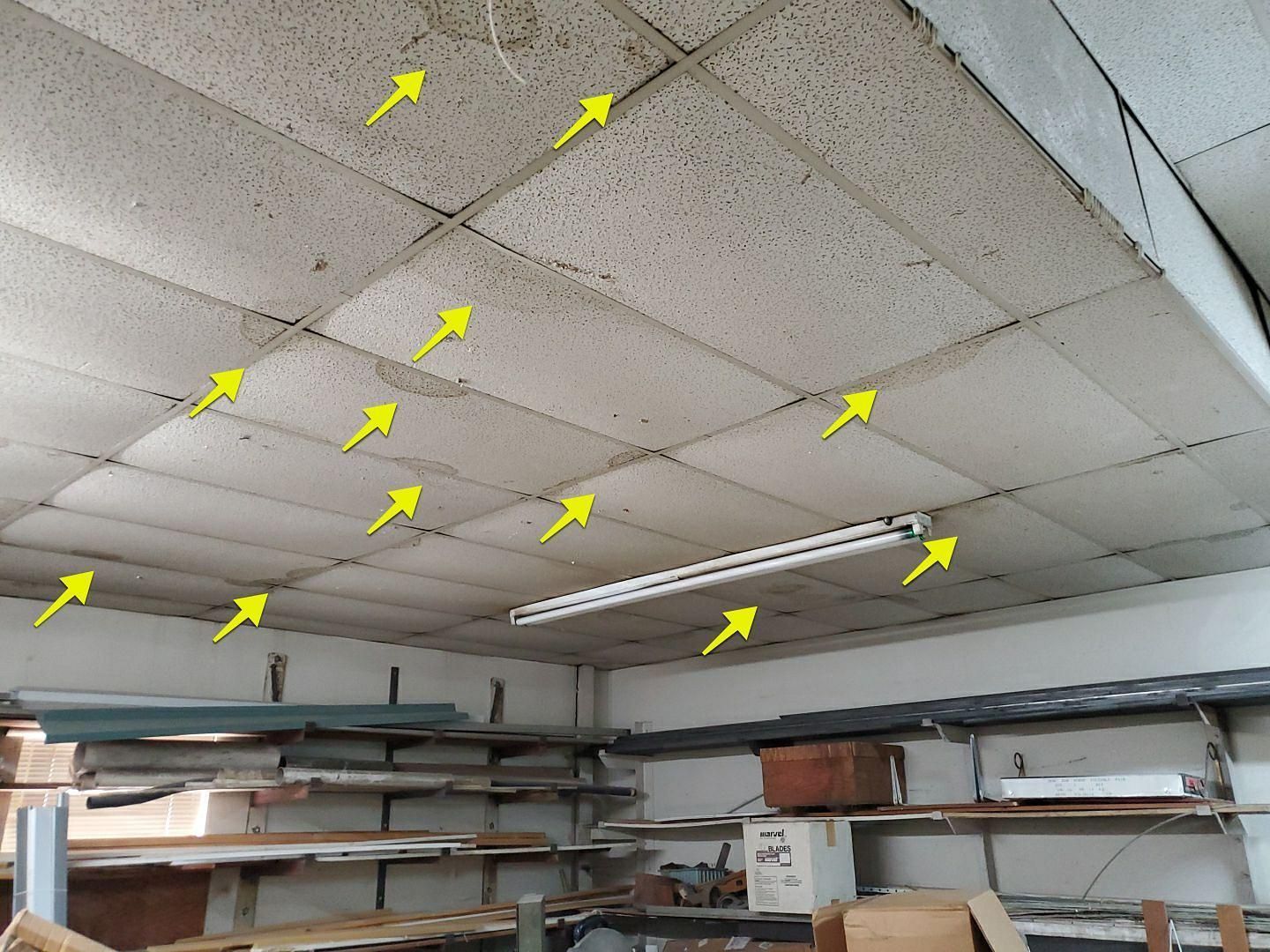
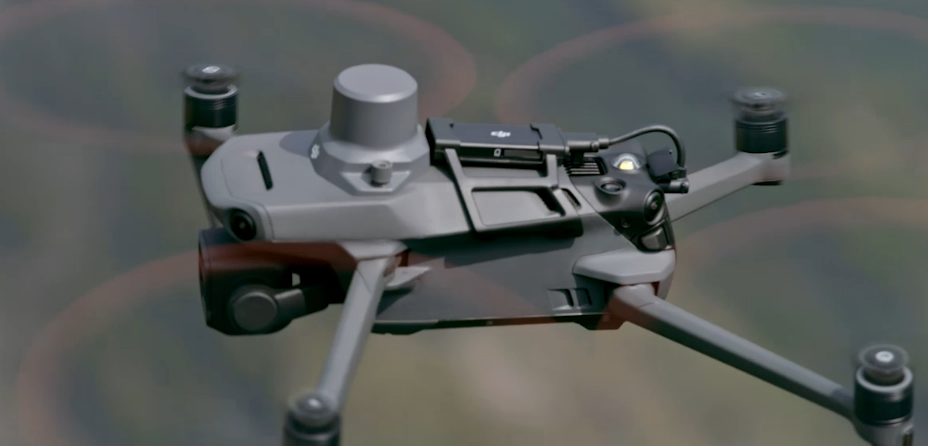
- The DJI Matrice with Thermal Sensor is the top pick for commercial roof inspections. It is equipped with a thermal sensor that can detect heat signatures, allowing for the identification of leaks, insulation issues, and other hidden problems in commercial roofs.
- The Matrice offers an extended flight time and a robust flight system, making it suitable for large-scale roof inspections. Its advanced obstacle sensing capabilities ensure safe and efficient flights, even in complex environments.
- With the thermal sensor and high-resolution cameras, the Matrice provides comprehensive documentation of roof conditions, helping commercial property owners and roofing contractors make informed decisions about repairs and maintenance.
3D Mapping Capabilities: Preserving Documentation of Storm Damage
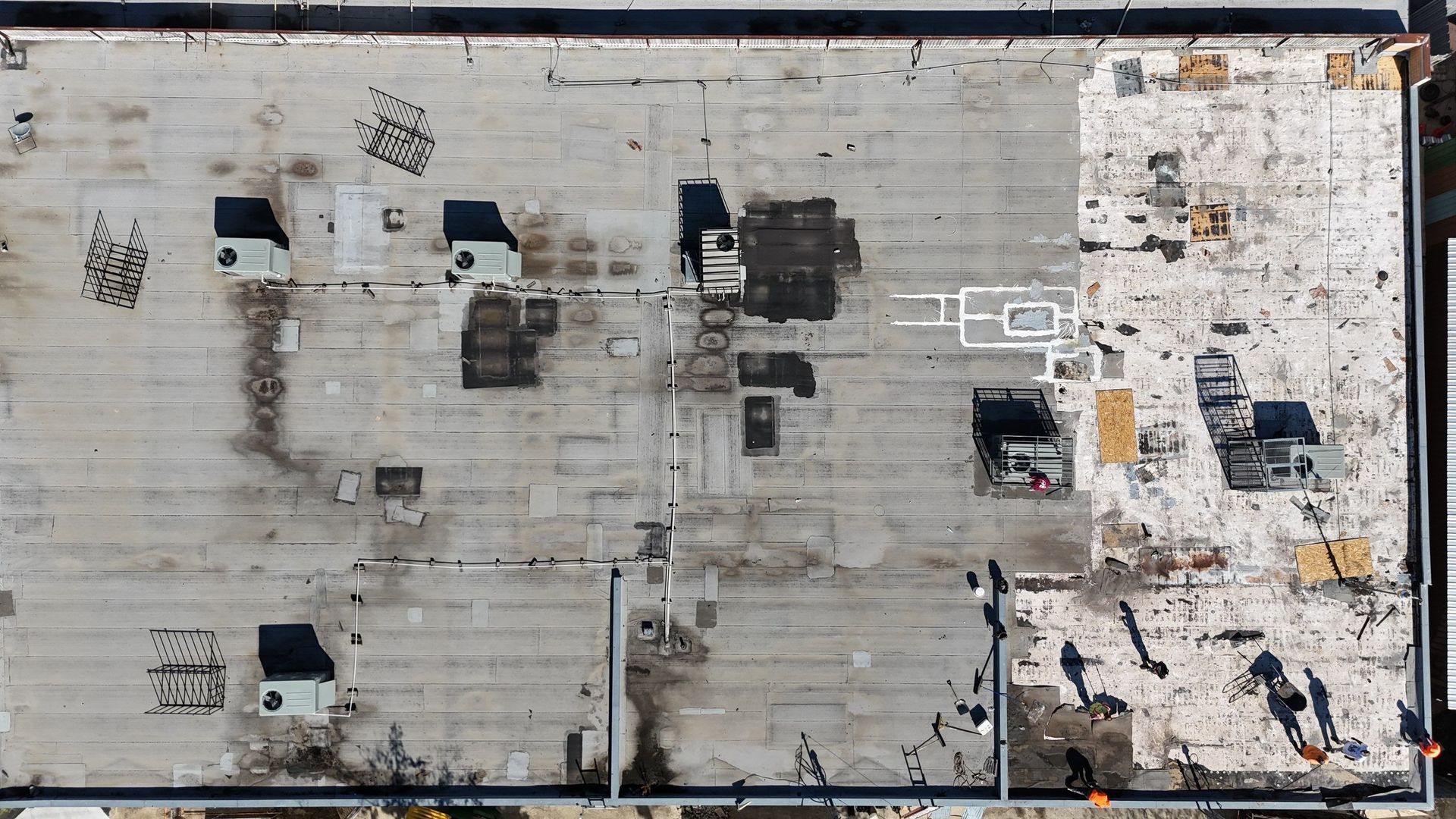
- Drones with 3D mapping capabilities are invaluable for commercial roof inspections, especially after severe weather events. These drones can capture detailed aerial images and create accurate 3D models of roofs, allowing for precise measurements and assessments of storm damage.
- 3D mapping drones can detect and document roof damage, such as dislodged shingles, cracks, and structural issues. This information is vital for insurance claims, repairs, and property evaluations.
- By preserving accurate documentation of storm damage, 3D mapping drones provide evidence for insurance purposes and serve as a reference for future inspections and maintenance.
AI Software for Anomaly Detection: Identifying Damage Efficiently
- Drones equipped with AI software for anomaly detection offer an efficient solution for commercial roof inspections. These drones use advanced algorithms to analyze images and identify potential signs of damage or deterioration.
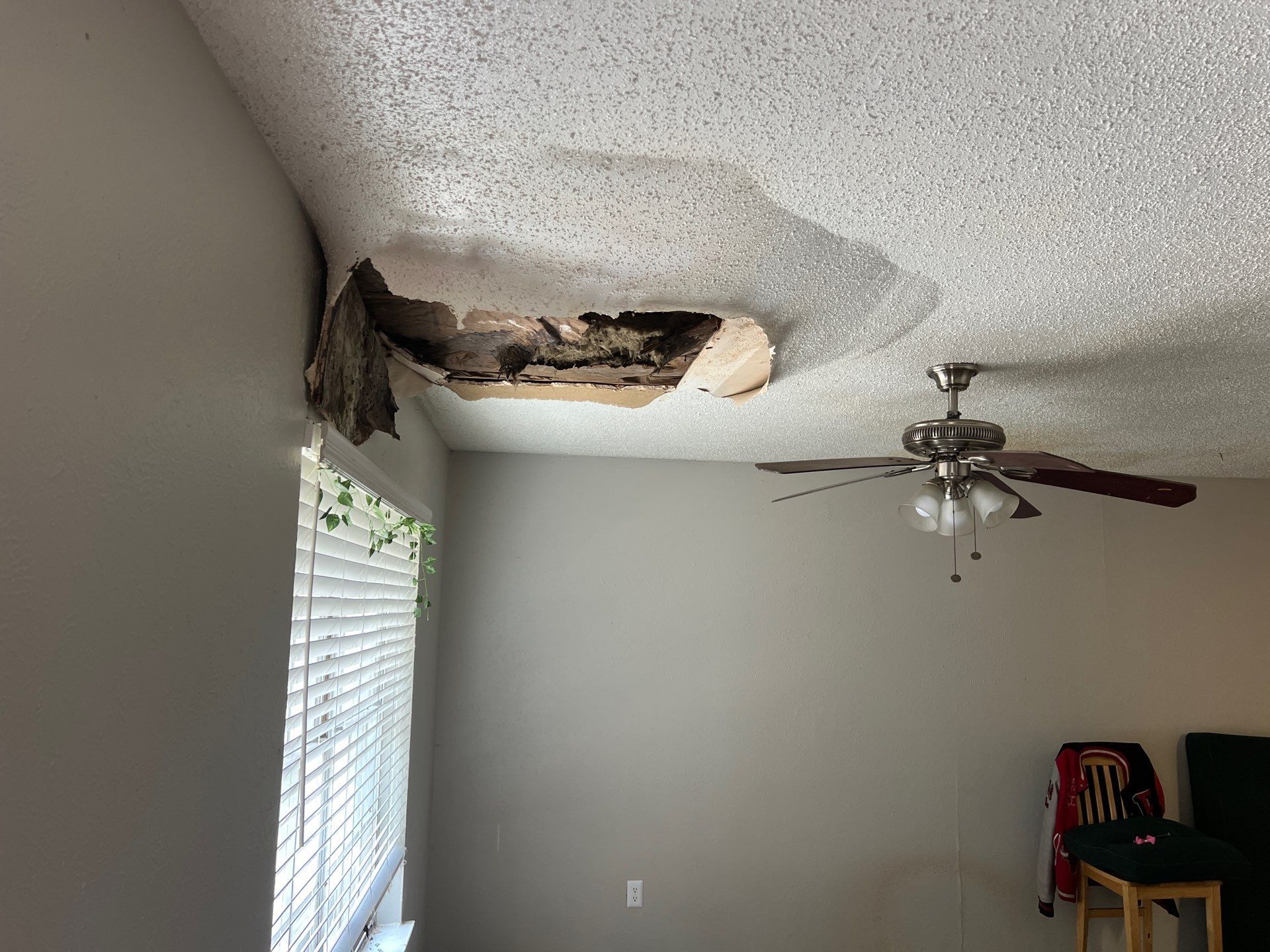
- AI software can detect anomalies such as cracks, leaks, or areas of moisture intrusion that may not be visible to the naked eye. This allows for early detection of issues and proactive maintenance, saving time and costs in the long run.
- By automating the detection process, AI software enables faster and more accurate assessments of commercial roofs, allowing roofing contractors to prioritize repairs and allocate resources efficiently.
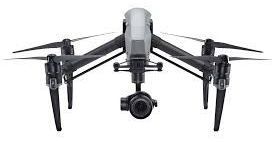
How Drones are Transforming Roof Inspections
- Drones have transformed the way roof inspections are conducted by providing aerial views, saving time and money, and improving safety. Here are some ways drones are revolutionizing roof inspections:
Enhanced Safety and Efficiency in Inspections
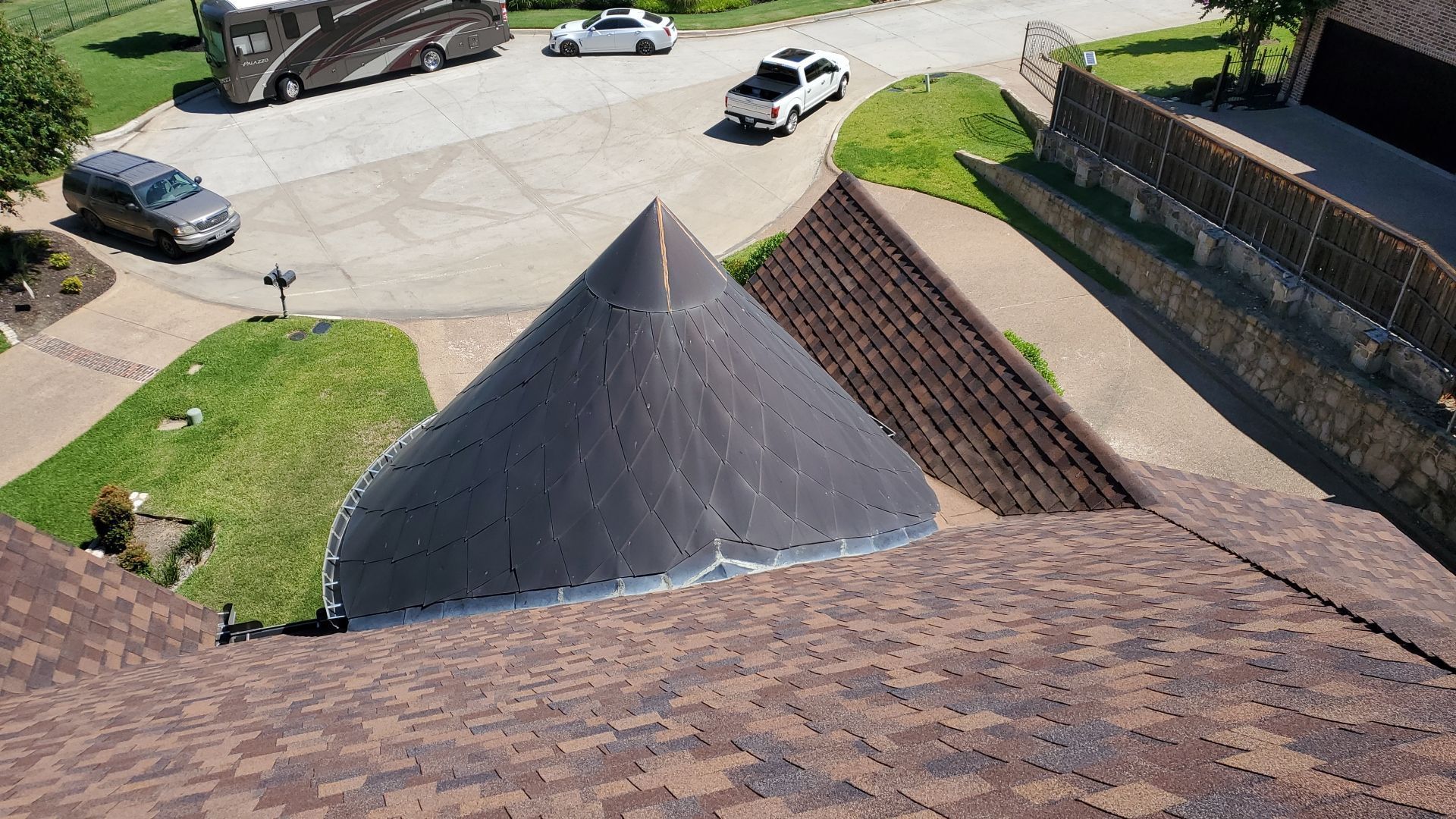
Drones enhance safety and efficiency in roof inspections by providing a detailed aerial view without risking human safety. They reduce the time needed for inspections, especially for large or complex roofs, offering quick and accurate assessments. The high-quality images captured help in identifying roof damage, such as missing shingles or leaks, enabling timely repairs. With advanced features like obstacle sensing and long flight times, drones ensure thorough inspections with minimal disruption to the property or homeowners.
The Role of AI in Improving Damage Assessment
AI plays a crucial role in enhancing damage assessment during roof inspections. By utilizing AI algorithms, drones can efficiently analyze images and detect potential issues such as roof damage, missing shingles, or signs of wear. This intelligent technology enables quick identification of problems, helping roofing contractors make informed decisions regarding necessary repairs or replacements. AI streamlines the inspection process, saving time and ensuring a thorough assessment of the roof's condition. Its integration enhances accuracy and aids in maintaining the structural integrity of buildings.
The Future of Roof Inspections with Drone Technology
The future of roof inspections is set to be revolutionized by drone technology. As drones continue to advance, they will offer even more capabilities and features that enhance the efficiency and accuracy of inspections.
One of the key developments in drone technology is the improvement of obstacle sensing systems. Drones with omnidirectional obstacle sensing will be able to navigate complex roof structures and avoid obstacles with greater precision, ensuring safe and reliable inspections.
Additionally, advancements in camera technology will provide even higher image quality and resolution, allowing for more detailed assessments of roof conditions. This will enable roofing professionals to identify and diagnose issues with greater accuracy, leading to more effective repairs and replacements.
Ultimately, the future of roof inspections with drone technology will provide homeowners and building owners with peace of mind, knowing that their roofs are being thoroughly and accurately inspected, leading to better maintenance and longer-lasting roofs.
Selecting the Right Drone for Your Inspection Needs
When it comes to selecting the right drone for your roof inspection needs, there are a few factors to consider. Firstly, the flight time of the drone is important, as longer flight times allow for more thorough inspections of large roofs. Secondly, image quality is crucial for accurate assessments, so choosing a drone with a high-resolution camera and the ability to capture raw photos is recommended. Additionally, the drone should be capable of flying through a pre-determined flight path automatically, allowing for consistent and repeatable results. Lastly, consider the specific requirements of your roof inspections, such as the type of roof and the materials used, as well as the capabilities of the DJI Fly app, to ensure that the drone is capable of meeting those needs.
Assessing Your Specific Roofing Inspection Requirements
When assessing your specific roofing inspection requirements, including the need for a roof replacement, it is important to consider the type of roof you will be inspecting. Different types of roofs may require different drones and equipment. For example, a flat roof may require a drone with a wide-angle camera to capture a larger area in one shot, while a pitched roof may benefit from a drone with zoom capabilities to capture detailed images of specific areas. Additionally, consider the materials used in the roof. Some roofing materials, such as metal or slate roofs, may require a drone with higher wind resistance and roof vents to ensure stable flight and proper ventilation in various conditions. By assessing your specific requirements, you can choose a drone that is tailored to meet your needs and provide accurate and detailed inspections, including for potential roof replacement.
Comparing the Top Drones: Mavic 3 Pro vs. Air 3 vs. Mini 4 Pro
When comparing the top drones for roofing inspections, three models stand out: the DJI Mavic 3 Pro, the DJI Air 3, and the DJI Mini 4 Pro. Each drone offers unique features and capabilities that make them suitable for different types of inspections.
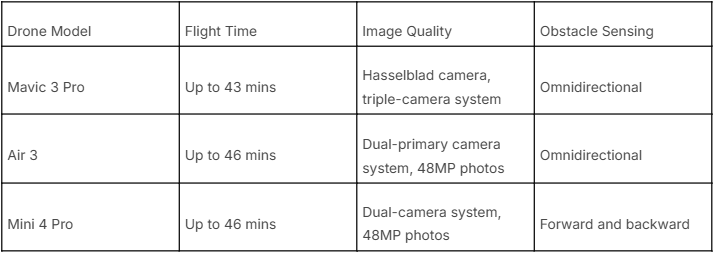
The Mavic 3 Pro is recommended for its longer flight time, high-quality imaging capabilities, and advanced obstacle sensing. It has a triple-camera system with a Hasselblad camera and offers omnidirectional obstacle sensing for added safety during inspections.
The Air 3 and Mini 4 Pro also offer long flight times and high-quality imaging, but may not have the same level of obstacle sensing as the Mavic 3 Pro. However, they are still suitable for roof inspections, especially in less challenging conditions.
By comparing these top drones, you can choose the one that best fits your specific needs and budget for roofing inspections.
Considerations for Commercial Roof Inspections: When to Choose DJI Matrice
When opting for commercial roof inspections, choosing the DJI Matrice camera drone is ideal for vast areas and complex structures. Its thermal sensor aids in detecting issues invisible to the naked eye, crucial for in-depth assessments. The 3D mapping capabilities ensure thorough documentation, especially useful for large-scale properties. With AI-powered anomaly detection, identifying potential damage is efficient and precise, enhancing the overall inspection process. The DJI Matrice shines in scenarios requiring advanced technology and detailed analytics, making it the top choice for aerial photography during roof inspections in strict compliance with local laws and regulations.
Conclusion
Drones have revolutionized roof inspections, offering enhanced safety, efficiency, and detailed documentation. From residential to commercial use, drones like DJI Mavic 3 Pro and Matrice provide advanced features for different inspection needs. High wind resistance, zoom capabilities, and AI software play crucial roles in effective inspections. As technology evolves, drones continue to transform the industry, ensuring thorough assessments and swift anomaly detection. Selecting the right drone depends on your specific requirements, whether it's for residential or commercial purposes. Embrace drone technology to streamline your roof inspection processes and stay ahead in the game of precision and efficiency.
Frequently Asked Questions
Why is the DJI Mavic 3 Pro recommended for roofing inspections?
The DJI Mavic 3 Pro is favored for roofing inspections due to its exceptional wind resistance, advanced zoom capabilities for detailed views from a safe distance, and overall performance in various conditions. Its reliability and features make it an ideal choice for thorough and efficient roof assessments.
Can the DJI Air 3 and Mini 4 Pro handle high wind conditions effectively?
The DJI Air 3 and Mini 4 Pro are suitable for less windy conditions due to their lightweight design. However, in high wind conditions, the DJI Mavic 3 Pro stands out with its superior stability and performance.
What makes the DJI Matrice the best choice for commercial roof inspections?
The DJI Matrice stands out for commercial roof inspections due to its thermal sensor, vital for detecting temperature variations indicating issues. Its 3D mapping capabilities preserve storm damage documentation efficiently, while AI software assists in anomaly detection, enhancing inspection precision.
How do drones with thermal sensors and AI software enhance roof inspections?
Drones equipped with thermal sensors detect heat variations, pinpointing roof issues like water leaks. AI software analyzes data for damage assessment and anomaly detection, streamlining inspection processes and enhancing efficiency. This technology revolutionizes roof inspections by offering advanced capabilities for precise and thorough assessments.
What are the benefits of using drones for residential roof inspections?
Using drones for residential roof inspections offers enhanced safety, detailed imagery from a safe distance, and efficient data collection. Drones can access hard-to-reach areas, reducing risks for inspectors and providing comprehensive reports for accurate assessments.
Can drones detect minor damages like hail impacts or missing shingles?
Drones equipped with high-resolution cameras and sensors can effectively detect minor damages like hail impacts or missing shingles during roofing inspections. Their detailed imaging capabilities enable precise identification of such issues, aiding in early detection and maintenance.
How important are zoom capabilities in drone roof inspections?
Zoom capabilities are crucial in drone roof inspections as they allow for detailed close-up views of potential damage without risking safety. This feature enables inspectors to identify issues accurately from a safe distance, enhancing the efficiency and effectiveness of the inspection process.
Are lightweight drones like the DJI Mini 4 Pro suitable for all roofing inspections?
Lightweight drones, such as the DJI Mini 4 Pro, may not be suitable for all roofing inspections. These drones are more susceptible to wind sensitivity, which can affect stability and image quality. It's important to consider the weather conditions and the specific requirements of the inspection before choosing a drone for roofing inspections.
How has drone technology changed the approach to documenting storm damage?
Drone technology has revolutionized the way storm damage is documented. Drones equipped with advanced cameras and sensors allow for detailed aerial inspections, capturing high-resolution images and videos of the damage. Additionally, drones can be used to create 3D maps of the affected areas, providing precise measurements and aiding in the assessment and repair process.