Guide To Find the Best Homeowners Insurance Policy for Fort Worth 2024: from a Seasoned Roofing Expert

March 8, 2024

Guide To Find the Best Homeowners Insurance Policy for Fort Worth 2024: from a Seasoned Roofing Expert

Drew King

Key Takeaways

  • Homeowners in Fort Worth should prioritize robust insurance policies covering hail and windstorm damage due to the prevalence of extreme weather events, with the average annual wind and hail claim reaching around $12,000.
  • Homeowners need to be aware of key coverage features, including the choice between replacement cost coverage and actual cash value, and consider supplemental policies such as those offered by the Texas Windstorm Insurance Association for comprehensive protection.
  • When selecting a homeowners insurance policy, Fort Worth residents should consider factors like the insurer’s customer service reputation, claim resolution fairness, and customization options that fit unique needs, while also actively seeking out discounts to minimize premiums.


Fort Worth Roofing Claims: Homeowners Insurance Overview


If you’re planting your roots in Fort Worth, homeowners insurance is as essential as a sturdy pair of boots. The city’s penchant for extreme weather events, from hailstorms to tornadoes, leaves homeowners particularly vulnerable to high repair costs. It’s not just about having a policy; it’s about having the right coverage to ensure the homestead stands strong after a storm.

For Texas homeowners, the stakes are as high as the state’s famed sky. The average annual wind and hail claim can skyrocket to a staggering $12,000, a sum that can rattle any family’s financial foundation. Such figures underscore the importance of a robust insurance policy, safeguarding your investment from the unpredictable fury of Lone Star weather.

Many homeowners are bound by the requirements of mortgage lenders to maintain insurance, but even for those who own their homes outright, forgoing coverage is akin to playing roulette with your roof. In Fort Worth, insurance isn’t just a safety net; it’s a cornerstone of responsible home ownership.


Identifying Top Homeowners Insurance Companies in Texas

Navigating the sea of Texas homeowners insurance companies can be as challenging as corralling a herd of cattle. Yet, some insurers stand tall like beacons in the night, guiding homeowners to safe harbor. Among them, the top Texas homeowners insurance companies are:

  • Chubb
  • Lemonade
  • Amica
  • Texas Farm Bureau


These companies shine, thanks to their fair claims resolution and sterling communication.

These companies not only offer a variety of coverage options but also have a reputation for reliability, making them some of the best home insurance companies. In fact, one could argue that they are among the best homeowners insurance company options available. Some of the top home insurance companies for homeowners are:

  • USAA: Offers replacement cost for personal belongings in its standard homeowners insurance policy and is a haven for veterans and service members.
  • Nationwide: Known for additional coverages like water backup and identity theft at an extra cost.
  • Farmers: Offers tiered plans to cater to homeowners at every level, ensuring there’s a policy to fit every homeowner’s unique needs.


When it comes to roofing claims, Amica and Texas Farm Bureau don’t just talk the talk; they walk the walk with excellent customer service and multiple policy discounts. And let’s not forget the value of a good ranking system, as devised by a local roofing expert, placing Chubb and Pure at the pinnacle for their supreme coverage limits and communication prowess. Below is how local roofing expert Sean Becker and his team ranked insurance carriers for 2024. Below are some of our favorite runner ups to the top three. These companies have been very stand up in the inspection side of claims. Calling damage, damage!


Pure: 9.9 in claims resolution


Chubb: 9.9 Super easy to work with and overly fair to customers


Amica: 9.9 is right up there with Pure and Chubb in fairness and speed to resolve claims. They are hands down the easiest to deal with and quickest to resolve claims, and not have the homeowner submit a million requests.


USAA: 9.5 has a long standing reputation of being fair and on the homeowners side


Texas Farm Bureau: 9.4 one of the biggest insurers of ranch properties. They take care of their customers!


Farmers: 9.3 During covid they allowed homeowner’s contractors to submit claim photos for almost instant claim payouts. We saw claims paid and an initial payment to the customer sometimes within 24 hrs from filing!


Nationwide: 9.3 They have awesome policies allowing customers to upgrade the roof, on each roof replacement claim. This makes the roof stronger and much less of a risk for the next storms!


Lemonade: 9.3 Easy to work with. Fast on the claims


Liberty Mutual: 9.0 Fast to cover damaged losses. They do not miss damage like the other big insurance carriers.


Safeco: 9.0 operates similarly to Liberty Mutual.


Essential Coverage Features for Fort Worth Residents


As Fort Worth residents well know, the right homeowners insurance policy must be as resilient as the city’s spirit. Key coverage features to look for include protection against hail and windstorm damage, the option for replacement cost coverage, and enhanced roofing materials coverage. Each component acts as another layer of protection against the financial impact of the city’s fierce weather, ensuring your home remains your stronghold.


Windstorm Insurance and Hail Protection

When the winds howl and hail pelts down like a scene from an old Western, standard homeowners insurance policies in Fort Worth typically offer sanctuary with coverage for wind and hail damage. Yet, there are times when the standard just won’t do, and a separate windstorm insurance policy becomes as necessary as a lasso for a cowboy. Such is the case when private insurers decline coverage, leaving homeowners to seek refuge with the Texas Windstorm Insurance Association (TWIA).

Financial protection against these calamities is not to be taken lightly. Consider TGS Insurance Agency’s approach, which includes a 2% hail/wind deductible in every policy, translating to a $5,000 responsibility for homeowners on a $250,000 dwelling coverage in the event of a claim. This makes the right insurance coverage not just a choice, but a financial imperative for Fort Worth residents.

USAA stands as a beacon for those in the path of windstorms and hurricanes, offering specialized insurance in its standard policies, ideal for those who may face the wrath of such weather events. It’s a testament to the value of choosing a homeowners insurance company that understands the unique challenges posed by the Texas climate.


Replacement Cost vs. Actual Cash Value

When misfortune strikes and damages your homestead, the method of compensation can make all the difference. Replacement cost coverage is the ultimate defender, offering to rebuild your home with like kind and quality materials without factoring in depreciation. Actual cash value, on the other hand, is the shrewd accountant, paying out the market value of your property at the time of damage, minus depreciation.

The choice between these two is not just about coverage—it’s about peace of mind. Replacement cost coverage might carry higher premiums, but it ensures that the heart of your home—its roof—can be restored to its former glory without the worry of depreciation. It’s a premium worth paying for those who wish to stand firm against the tests of time and nature.

Fort Worth homeowners must carefully consider their financial situation when choosing between these two options. Insurance companies have a duty to make clear how depreciation will affect claim payouts, whether the policy offers recoverable or non-recoverable depreciation, and how this will influence the outcome of roofing claims. For full recovery of depreciation, repairs must be completed within specified timeframes, making the decision all the more critical.


Enhanced Roofing Materials Coverage

In the quest for the ultimate roof over one’s head, enhanced roofing materials coverage emerges as a lighthouse guiding ships through a storm. Nationwide’s Better Roof Replacement allows homeowners to upgrade to stronger materials, fortifying their homes against future onslaughts. Similarly, Liberty Mutual rewards those who choose impact-resistant materials with discounts, paving the way for long-term savings and improved protection.

Having a roof that can stand up to Fort Worth’s punishing weather not only provides peace of mind but also financial perks. Upgrading to impact-resistant or noncombustible materials can lead to insurance discounts, underscoring the tangible benefits of investing in your home’s first line of defense. Moreover, warranties like the GAF Golden Pledge provide an ironclad promise of quality, covering manufacturing defects for up to 50 years and installation errors for up to 30 years.

The role of a reputable roofing contractor includes:

  • Bringing expertise in selecting the right shingle brands and recommending the best materials
  • Enhancing your roof and bolstering your position when dealing with insurance claims
  • Ensuring that the warranties provided, which typically cover tear-off and disposal costs, add an extra layer of protection for homeowners, even if the original contractor is no longer in business.


How to Find the Best Insurance Company for Your Needs

The journey to find the best home insurance company in Fort Worth is not unlike navigating the Trinity River—twists and turns abound, but the right guide can lead you to calm waters. The beacon of excellent customer service should always guide your way, coupled with adherence to Texas Department of Insurance guidelines to ensure fair treatment during claims assessments and payments.

Customization in your policy is akin to tailoring a fine suit—it must fit your unique needs perfectly. Seek out insurers that offer flexibility and coverage options that can be tailored to your specific situation, such as identity theft protection or varying levels of depreciation. And remember, comparing multiple insurance options is as essential as a cowboy’s comparison of boots before a purchase. Shop around, get quotes, and understand the optional coverages and discounts offered by different insurers in the Lone Star State. You may need to invest some time in this process, but it will be worth it in the end.

Additional features such as clear guidelines on ALE and a fair appraisal process sweeten the deal. Personalized assistance from independent agents or expert advice can help you navigate the complexities of insurance, ensuring you’re as well-equipped as a Fort Worth cowboy at the rodeo.


Understanding Homeowners Insurance Costs in Fort Worth


The cost of homeowners insurance in Fort Worth is as varied as the Texas landscape. On average, Texas homeowners insurance rates can be around $2,090 per year for $250,000 of dwelling coverage, with some companies like Farmers offering more wallet-friendly premiums. Yet, it’s the confluence of factors like the high cost of roof replacements and the frequency of hail storms that dictate the premiums more than anything else.

Fort Worth residents renewing their policies in 2024 will feel the pinch of rate increases, reflecting the broader impact of higher replacement costs, inflation, and a state-wide premium hike due to weather-related damages. Insurers, wary of the increasing frequency and severity of events like the Texas heat wave, are tightening their belts, leading to stricter coverage rules and steeper premiums.

Understanding these costs is vital for homeowners, as it equips them with the knowledge to make informed decisions about their coverage. It ensures that when the skies darken and the winds pick up, the financial foundation of their homes remains as unshakeable as the resolve of the Texan spirit.


Maximizing Discounts and Savings on Homeowners Insurance

In the grand state of Texas, savvy homeowners know the value of a dollar and the importance of stretching it as far as possible, especially when it comes to insurance. Here are some tips to help you save money on your home insurance:

  • Install safety features like smoke detectors or a security system to qualify for discounts.
  • Regularly maintain your property to demonstrate its value and reduce the risk of damage.
  • Personalize your belongings with identifying marks to deter theft and potentially lower your premiums.

By following these tips, you can make your home safer and your wallet heavier.

Some ways to save on insurance premiums include:

  • Bundling policies, such as home and auto
  • Choosing payment options like automatic payments or prepaying premiums
  • Upgrading to impact-resistant roofing materials
  • Being a seasoned resident or claim-free homeowner, which may make you eligible for premium discounts

These strategies can help you save money in the long run and protect your home against the elements.


Navigating Roofing Claims with Your Insurer


When the storm clouds gather and the rain starts to pound, knowing how to navigate roofing claims with your insurer can mean the difference between a seamless repair process and a financial headache. The path involves:

  1. Verifying coverage
  2. Involving a licensed roofing contractor
  3. Obtaining multiple estimates
  4. Working with insurance adjusters
  5. Providing thorough documentation

Each step is crucial in ensuring that when hailstones leave their mark, the claims process is as smooth as the calm after the storm.


Documentation and Evidence Collection

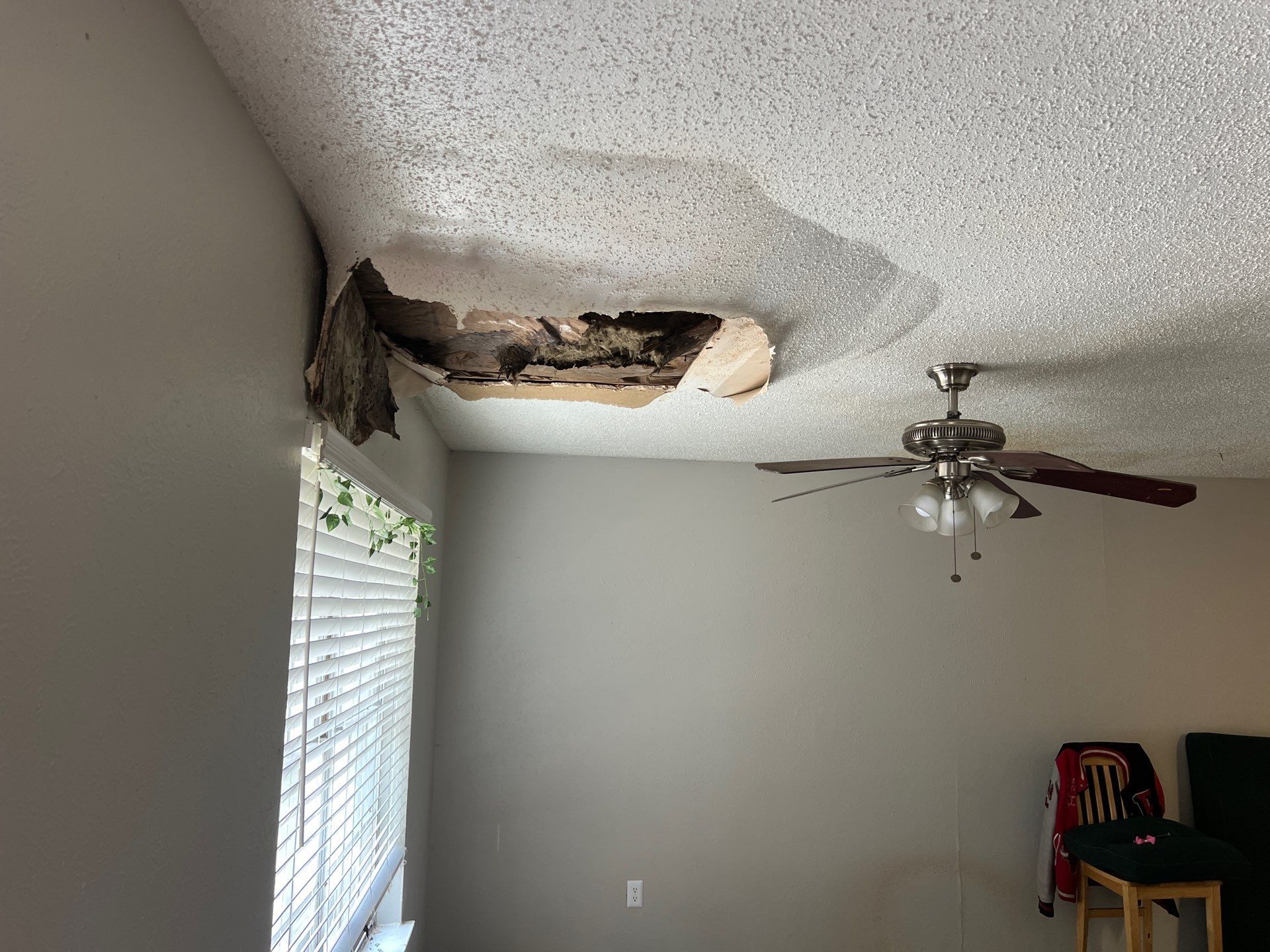
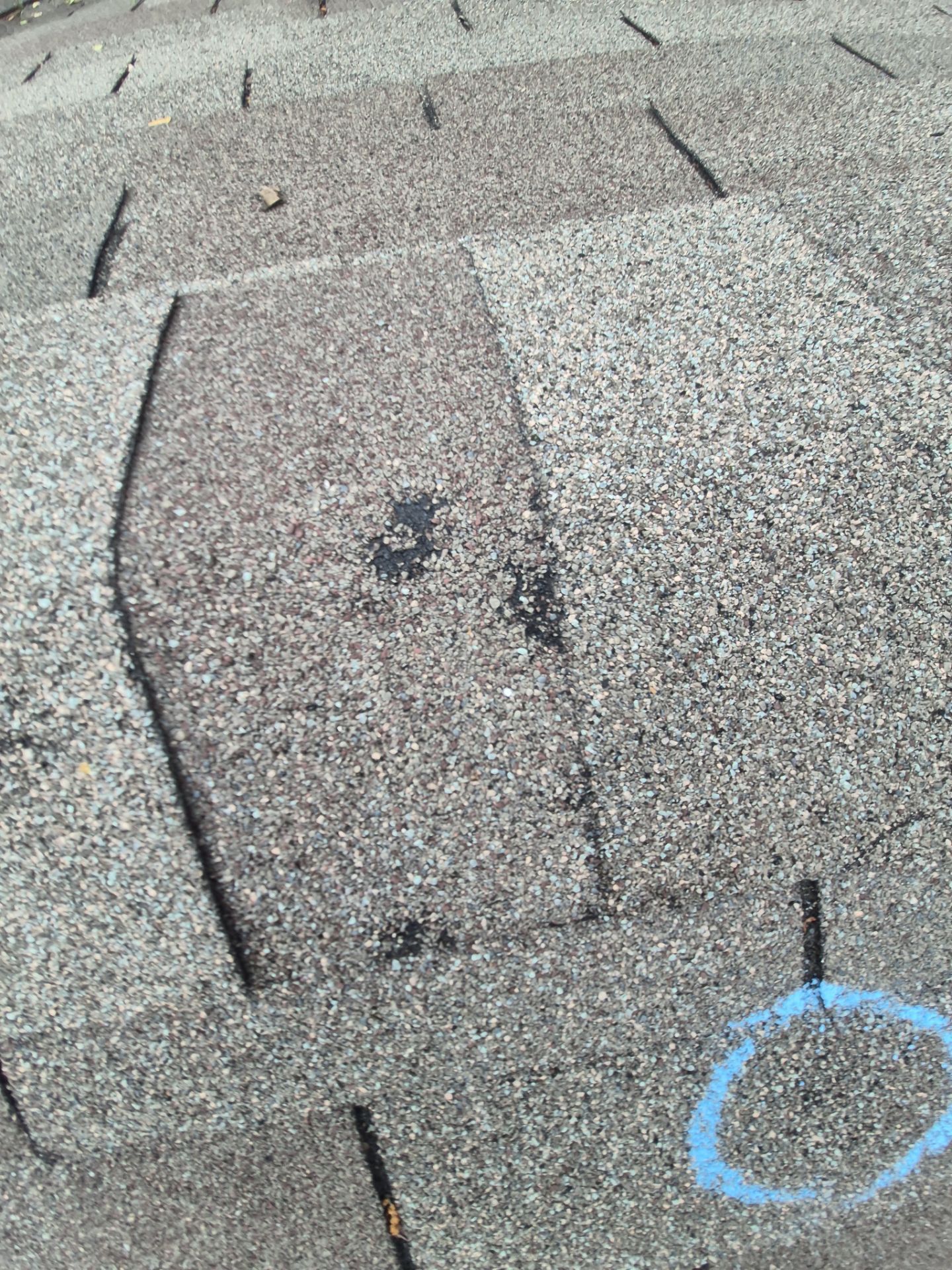
The aftermath of a storm in Fort Worth is not the time for tall tales; it’s a time for facts, supported by detailed documentation. After the winds die down, it is crucial to collect evidence of roof damage immediately. Involving a roofing contractor early to inspect and document the damage is like calling in the cavalry—it ensures that you have an expert’s eye on the situation.

The documentation must be as comprehensive as the Texas sky, with photographs and a detailed report that outlines the extent of the damage and the repairs needed. This not only aids in the accuracy of the roofing claim but also serves as undeniable proof to the insurance company, ensuring that your claim is taken as seriously as a Texas drought.


Working with Adjusters and Contractors

In the realm of roofing claims, adjusters and contractors play a crucial role, much like a rancher and his trusty foreman. After a major storm, construction costs can soar, which makes carrying enough insurance to cover these potential spikes as important as having a steady supply of water during a Texas heatwave. Homeowners should also be wary of contractors demanding payment upfront, as this can be a red flag for unreliable service.

Once a claim is in motion, an insurance adjuster rides in to independently assess the damage. It’s then that the adjuster should join forces with the homeowner’s chosen roofing contractor to ensure that repairs are properly facilitated and that the homestead is restored to its former glory. This collaboration is as essential as a well-oiled saddle, ensuring that both parties work together for the benefit of the home and its occupants.


Dispute Resolution and Advocacy

Navigating insurance claims can sometimes feel like trying to calm a wild bronco. It’s not uncommon for insurance companies to attribute roof damage to age rather than weather, but homeowners can challenge this by collecting robust evidence or getting an independent assessment. If the insurer remains as stubborn as a mule, legal aid in Fort Worth can step in, advocating for fair treatment and providing options like hiring independent adjusters or seeking legal assistance when necessary.

Should disputes arise, homeowners are not left out in the dust. They can take the following steps to address their concerns:

  1. File a formal written appeal with their insurer.
  2. Take their concerns to the Texas Department of Insurance if they suspect they’re getting the short end of the stick.
  3. Consider mediation as a peaceful path forward.
  4. If necessary, take legal action within two years from the date of the incident.


Supplemental Policies for Comprehensive Protection

The wide-open spaces of Texas are beautiful but can also be unforgiving, making supplemental policies a must for comprehensive protection. The Texas Windstorm Insurance Association (TWIA) steps in like a trusty sidekick when other insurers turn homeowners away, providing coverage for windstorm and hail damage. TWIA’s coverage is robust, but it requires compliance with building codes, and in some flood zones, proof of flood insurance—a smart move in a state where floods can arrive as swiftly as a summer storm.

Flood insurance is essential for Fort Worth’s residents, as standard home insurance policies typically don’t cover flood damage. Homeowners must look to the National Flood Insurance Program or private insurers like Chubb for separate policies to stay afloat financially if floodwaters rise. Chubb goes above and beyond, offering coverage for hurricanes and windstorms, and even a Property Manager service for seasonal homes—proving that sometimes, the extra mile is worth the journey for unparalleled peace of mind.

Another consideration for comprehensive coverage is sewer backup insurance. The damage caused by drain and sewer clogs can be as messy and costly as a mudslide after heavy rain, and standard home insurance policies usually don’t protect against this risk. Therefore, investing in supplemental sewer backup coverage can save homeowners from a potential financial quagmire.


Local Agent or Digital Insurance: Which Suits You Best?

In today’s digital age, Fort Worth homeowners face a modern-day crossroads: choosing between the traditional touch of a local agent or the sleek convenience of digital insurance. Digital insurance platforms are the new frontier, allowing policy management and claim filing anytime, anywhere, much like the 24/7 hustle of a cattle market. With the integration of AI, IoT, and Blockchain, these platforms provide real-time access to policy information, optimizing the insurance experience and allowing for a level of customer empowerment previously unseen.

The virtual world also tends to reduce overhead costs, leading to potential savings on premiums for policyholders—an attractive prospect as appealing as a sunset over the prairie. Artificial intelligence and predictive analytics enhance the capacity of digital insurance platforms to detect fraud, a modern-day equivalent of a sharp-eyed sheriff keeping the peace. The use of low-code platforms in digital insurance means capabilities can be quickly adapted or created, streamlining operations and ensuring the insurance process runs as smoothly as a well-tuned fiddle.

Yet, for some, the personal touch of a local agent is irreplaceable. These knowledgeable guides offer personalized advice and can help navigate the complexities of insurance coverage with the familiarity and comfort of a neighborly handshake. They can advocate for homeowners in ways that a digital platform may not, providing a sense of security as warm as a Texas welcome.

Ultimately, the choice between a local agent and digital insurance depends on individual preferences for convenience, cost, and personal service.


Fort Worth Specifics: Home Insurance Tailored to Texan Weather


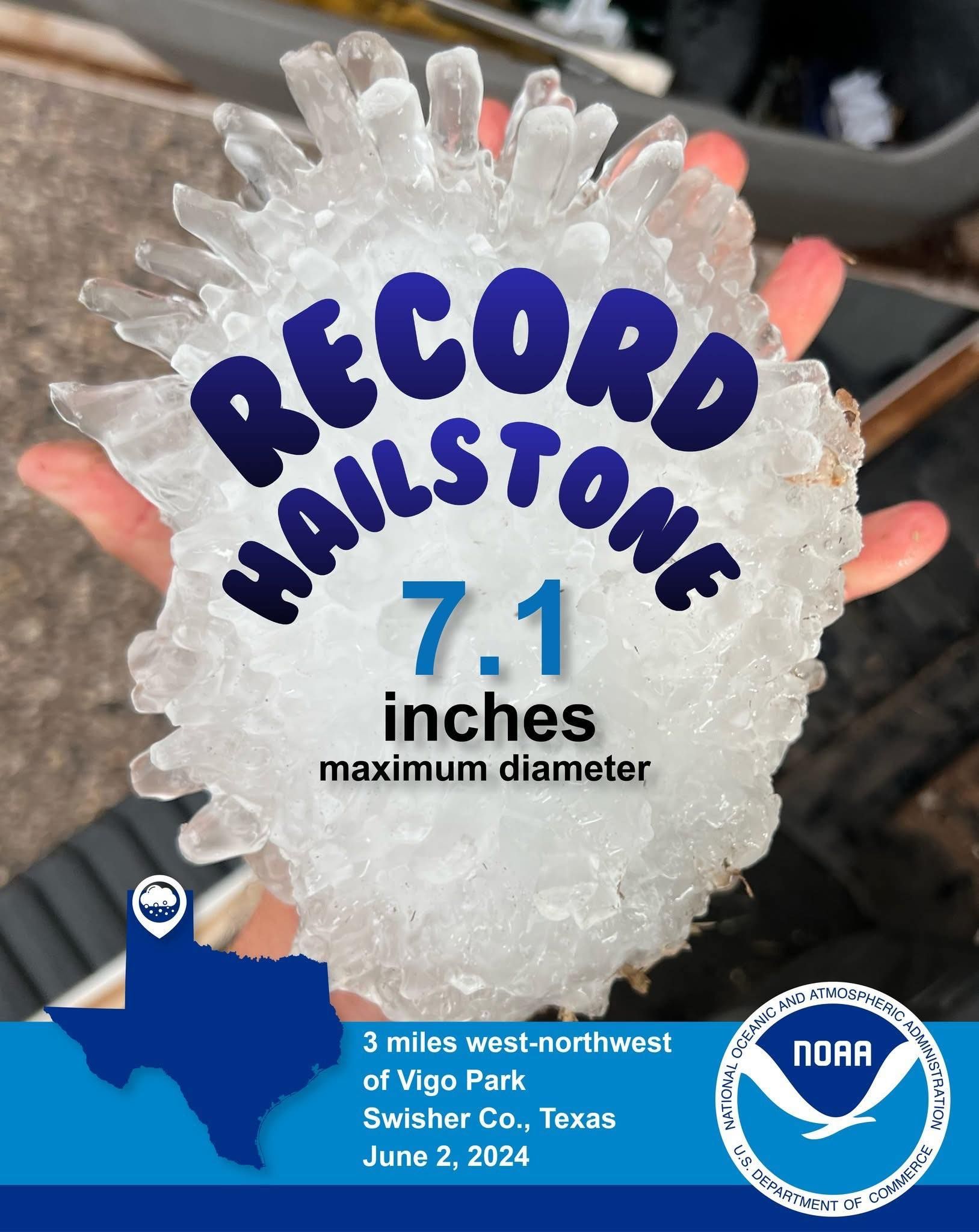
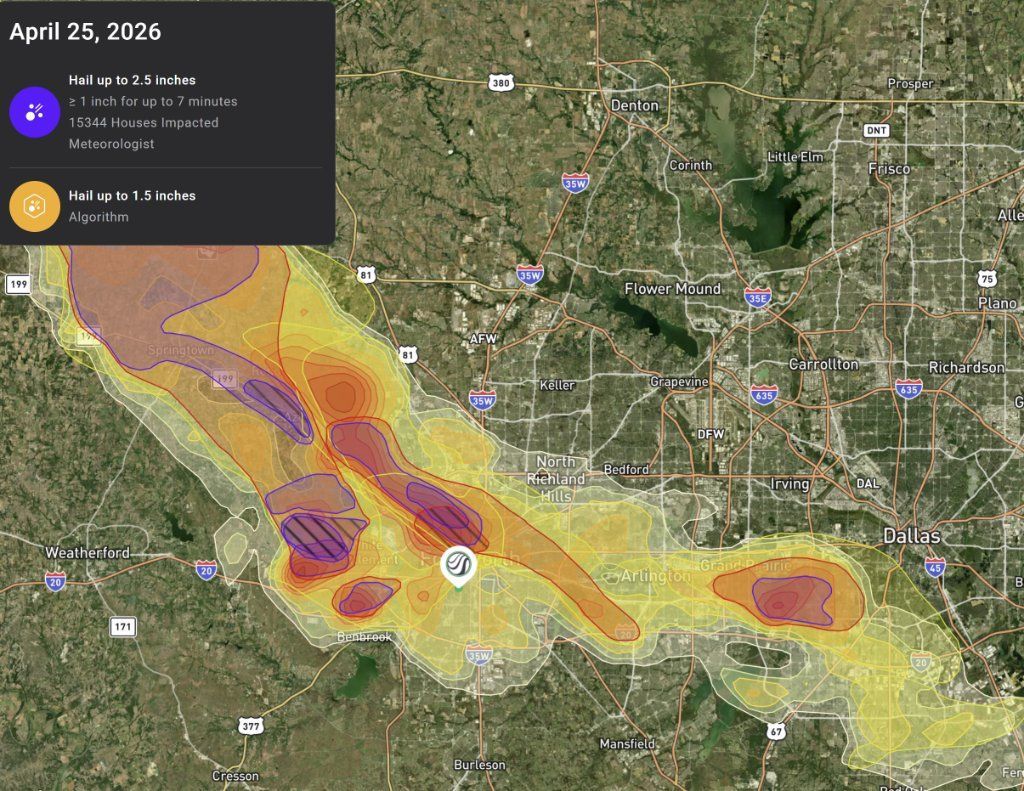
Fort Worth’s vibrant character is matched only by the volatility of its weather, making tailored home insurance as essential as a good pair of cowboy boots. The city’s hot climate ushers in a variety of severe weather conditions, from hailstorms, aptly earning it the nickname ‘Hail Alley’, to the occasional tornado that can sweep through with little warning. Homeowners insurance policies in Fort Worth must be robust enough to cover the frequent hail and windstorms, ensuring effective management of roofing claims and peace of mind when the skies turn gray.

In addition to the hail and wind, Texans must also prepare for hurricanes and wildfires, both of which are prevalent causes of home insurance claims in the state. It’s not just about having insurance; it’s about having the right home insurance in Texas, tailored to the unique climate of Fort Worth and the greater Texas region. Homeowners need insurers that understand these local risks and provide comprehensive coverage that stands as strong as the Alamo against the elements.

Securing the right insurance in Fort Worth means being prepared for everything the Texas weather has to offer. It’s about ensuring that when the wind picks up and the hail starts to fall, your home remains a sanctuary, unscathed by the tempest outside.


Conclusion

Through the vast and varied landscape of Fort Worth’s homeowners insurance market, the journey can be daunting, but armed with the right information, it can also be rewarding. From identifying the best insurance companies to understanding the coverage you need, to navigating claims and seizing opportunities for savings, every step is part of the dance with the elements. Homeowners who are empowered with knowledge and the right coverage can rest easy, knowing their homestead is protected against whatever the Texas skies may bring. May your policy be as strong as your Texas pride, and may your home always be as welcoming as a Fort Worth sunset.


Frequently Asked Questions

What is the average homeowners insurance premium in Texas?

The average homeowners insurance premium in Texas is $2,959 per year, which is higher than the national average. It's crucial to find a policy that suits your specific needs and provides financial protection for your home and assets.

What is the most extensive home insurance policy?

The most extensive home insurance policy is an HO-5 policy, which provides comprehensive coverage for rebuilding your house and replacing personal belongings, excluding events like flood and earthquake damage.

Does the age of a roof affect homeowners insurance?

Yes, the age of your roof does affect your homeowners insurance. Insurance companies may not cover roofs older than 20 years and may require an inspection for older roofs before offering coverage.

What are key coverage features I should look for in a Fort Worth homeowners insurance policy?

When looking for a Fort Worth homeowners insurance policy, it's crucial to prioritize coverage for hail and windstorm damage, replacement cost coverage, and enhanced roofing materials coverage for comprehensive protection against local weather conditions.

Can I get discounts on my homeowners insurance in Fort Worth?

You can maximize discounts on your homeowners insurance in Fort Worth by installing safety features, performing regular property maintenance, and bundling policies. Being claim-free for several years or a senior citizen may also qualify you for additional discounts.
By 7064529413 January 15, 2026
Understanding Roofing Shingle Blistering in North Texas Key Highlights Shingle blisters are bubble-like bumps on your roof caused by trapped heat or moisture. Poor ventilation in your attic is a leading cause of blistering on asphalt shingles. The intense North Texas heat can speed up the process, causing premature granule loss. While blistering can be a cosmetic issue, popped blisters expose your roofing system to UV and water damage. Regular inspections can help you decide between minor repairs and a full roof replacement. Distinguishing between blisters and hail damage is crucial for insurance and repair purposes. Introduction Have you noticed strange, bubble-like bumps on your roof? This is known as roofing shingle blistering, a common issue for homeowners in North Texas. The relentless sun and high temperatures can cause these blisters to appear, even on newer roofs with what seems like good attic ventilation. If you're in the Keller or Fort Worth area, understanding what causes these blisters is the first step toward protecting your home. This guide explains what you need to know about this potential issue. What Are Shingle Blisters on Roofs? Shingle blisters are essentially bubbles that form on the surface of asphalt shingles. This happens when air, gas, or moisture gets trapped inside the shingle material. As the sun heats your roof, this trapped substance expands, creating a raised blister. You might see these pop up within the first year after a new roof installation. While they might seem small, they can impact the health of your entire roofing system. Once these asphalt shingle blisters pop, they leave behind a pockmark. The protective granules that cover the shingle are knocked loose, exposing the raw asphalt underneath. This loss of granules is a key sign of blistering and can leave your roof’s surface vulnerable to the elements. The problem is often linked to issues in the manufacturing process or, more commonly, how your roof handles heat and moisture. Common Signs of Roofing Shingles Bubbling Recognizing bubbling shingles early can help you prevent bigger problems. The most obvious sign is the appearance of small, raised bumps or bubbles on your shingles. These can look like pimples on your roof’s surface. When a blister pops, it leaves behind a distinct mark. You'll notice a small crater or pockmark where the bubble used to be. This is often accompanied by granule loss in that specific spot, which can make the shingle look 'bald' in that area. Over time, these spots can compromise your roof's lifespan. During routine maintenance, look for these key signs of damage: Small, raised bubbles scattered across the shingles. Pockmarks or small craters on the shingle surface. Missing granules in concentrated spots. Bare patches that expose the underlying asphalt. How Shingle Blisters Form and What They Look Like Shingle blisters develop from the inside out. Asphalt shingles are made of several layers, and sometimes moisture or gasses can get trapped between them. This can happen due to incorrect mixtures during manufacturing or from moisture absorbed on-site. When your roof gets hot from the sun or from a poorly ventilated attic, that trapped moisture or gas heats up and expands. It has nowhere to go, so it pushes the top layer of the shingle outward, forming a bubble-like blister. This is why proper ventilation is so important—it helps prevent the roof from overheating to this point. Visually, these blisters look like small bumps on your shingles. If they haven't popped, they will feel solid. Once they burst, they leave a pockmark that reveals the shingle mat underneath. This premature deterioration can be a serious concern if it happens across a large area of your roof. Roof Blistering Causes in North Texas In North Texas, several factors contribute to roof blistering. Our climate plays a significant role, but issues within the roof system itself are often the main culprits. It's not just about the shingles; it's about how the entire system works together to manage heat and moisture. Understanding these causes can help you identify potential issues with your own roof. Let’s look at how the intense Texas heat and problems with attic ventilation can lead to an outbreak of blisters on your shingles. The Impact of Extreme Texas Heat on Shingle Lifespan The excessive heat we experience in North Texas is tough on roofing materials. Shingles are designed to handle direct sunlight, but constant high temperatures can push them to their limit. This heat can cause the asphalt in the shingles to release small amounts of gas. When this gas gets trapped within the shingle, it forms blisters. The relentless sun and high UV exposure also break down the shingle's protective layers over time. This UV damage weakens the shingles and makes them more susceptible to blistering and other forms of premature deterioration. Ultimately, extreme heat shortens your roof's lifespan. Even high-quality shingles can struggle if they are constantly overheating. This is why you might see blistering appear on a relatively new roof in our climate, making regular inspections a necessity. Poor Attic Ventilation and Moisture Trapping One of the most common causes of shingle blistering is poor attic ventilation. Your attic needs to breathe. If it can't release hot air effectively, the space overheats, which in turn heats the roof decking from below. Your shingles are then being baked from both above by the sun and below by the attic. This double-sided heat attack is a recipe for blisters. The trapped heat causes the shingles to reach a temperature where the asphalt begins to release gas, forming those tell-tale bubbles. Moisture trapping is another result of poor ventilation. Humidity rising from your home can get stuck in the attic, seep into the roof underlayment, and contribute to blistering. Proper installation of a ventilation system is crucial. Without adequate airflow, you create an environment that encourages premature shingle aging and damage, no matter how good your shingles are. Asphalt Shingles vs. Other Roofing Types: Who’s Most at Risk? While several roofing materials can blister, some are more vulnerable than others. An asphalt shingle roof is particularly susceptible to blistering due to its composition and layered construction. The way asphalt shingles are manufactured and how they react to heat makes them a prime candidate for this type of damage. In contrast, materials like metal or tile do not blister at all. Other roofing types, such as those used on commercial roofs like built-up or modified bitumen systems, can also develop blisters. However, the causes are often related to specific installation errors rather than a combination of heat and ventilation issues. Here is a quick comparison of how different roofing materials are affected: Roofing Type Blistering Risk & Cause Asphalt Shingles High risk due to trapped moisture/gas, poor ventilation, and heat. Built-Up Roofing Moderate risk, often caused by installation errors or aging. Modified Bitumen Moderate risk, typically from improper installation techniques. Metal, Tile, or Slate No risk of blistering due to the nature of the material. Why Asphalt Shingles Blister More Frequently Asphalt shingle blisters occur more often because of the materials used and the manufacturing process. Shingles are made from a mix of shingle ingredients, including asphalt, a fiberglass mat, and protective granules. If moisture gets trapped between these layers during production, it creates a weak spot. When these shingles are installed on a roof and exposed to the sun, the trapped moisture heats up, turns to vapor, and pushes its way out, forming a blister. This is especially true if the roof has poor ventilation, which superheats the roof's surface and accelerates the process. While modern manufacturing uses automated equipment to create more consistent products, errors can still happen. A bad batch with an incorrect mixture or trapped moisture can lead to widespread blistering soon after installation, highlighting the vulnerability of this specific roofing material. Do All Roofing Shingles Get Blisters? Not all roofing materials are prone to blistering. Shingle blistering is a problem primarily associated with asphalt-based products. Materials like wood, slate, tile, or metal do not have the layered, asphalt-based composition that allows blisters to form. Their solid structure doesn't trap gasses or moisture in the same way. However, among asphalt-based roofing, blistering can occur in different types. This includes traditional 3-tab shingles and architectural shingles. Even flat roofing systems like built-up roofing (BUR) and modified bitumen can blister, though the causes are usually tied to installation mistakes, such as applying materials at the wrong temperature. For residential homes, the focus is almost always on the surface of asphalt shingles. The combination of a fiberglass mat, asphalt, and protective granules creates the perfect environment for blistering if heat and moisture are not properly managed by the roof system. Telling the Difference Between Shingle Blisters and Hail Damage After a storm, it can be tricky to tell if the marks on your roof are shingle blisters or hail damage. They can look similar to the untrained eye, but they are very different problems with different solutions. Hail damage is caused by impact, while blistering is caused by heat and moisture from within the shingle. Knowing the difference is important, especially when it comes to insurance claims and deciding whether you need a simple repair or a full roof replacement. Let's explore the visual clues that can help you distinguish between these two potential issues. Visual Clues for Identifying Each Problem When you conduct a visual inspection, the key difference is how the granules look. Hail strikes knock the granules into the shingle, leaving an indentation. Blisters, on the other hand, push the granules off completely when they pop. Hail damage feels soft or bruised to the touch, like a dent in a car. A popped blister will have a hard crater with exposed asphalt. Also, consider the pattern. Hail damage is random, while blistering can sometimes appear in more uniform patches, especially on sun-facing slopes of the roof. Here are some clues to help you tell them apart: Blisters: No granules left in the pockmark; feels hard. Hail Damage: Granules are still visible but pushed into the dent; feels soft. Blisters: Can appear without a storm. Hail Damage: Occurs only after a hailstorm. Blisters: Are primarily a cosmetic issue until they pop, causing no immediate structural harm. When to Call a Keller or Fort Worth Roofing Expert If you see what you think are blisters on your roof, it's a good idea to call a professional. While a few unpopped blisters may not be an emergency, they can signal underlying potential issues like poor ventilation that need to be addressed. A roofing expert can determine the severity of the problem. A professional from a trusted roofing company like Becker Roofing and Exteriors can perform a thorough inspection. We can tell you for sure if you're dealing with blistering, hail damage, or another issue. This is especially important if you notice widespread blistering or many popped blisters, as this can accelerate the need for a new roof. Don't wait for a leak to appear. If you're in Keller, Fort Worth, or the surrounding areas, scheduling regular roof inspections is the best way to catch problems early. For exceptional roofing solutions and an honest assessment, visit us at www.brexteriors.com to schedule your inspection. How to Prevent Roofing Shingle Blistering The good news is that you can take steps to prevent or minimize shingle blistering. Prevention focuses on two key areas: ensuring your roof system functions correctly and choosing the right materials from the start. Following best practices can significantly extend your roof’s lifespan and keep it looking great. From routine maintenance to making smart choices during a roof replacement, there are effective strategies to protect your investment. Here are some tips on how to keep your North Texas roof healthy and blister-free. Best Maintenance Tips for North Texas Homes Regular maintenance is your first line of defense against roofing problems. By catching potential issues early, you can prevent them from turning into costly repairs. For homes in North Texas, this means paying close attention to how your roof handles our intense climate. Avoiding unnecessary foot traffic is a simple but effective tip. Walking on your roof, especially on a hot day, can cause blisters to pop and can dislodge granules. It's always best to leave inspections to professionals who know how to navigate a roof safely without causing damage. To ensure the longevity of your roof, follow these maintenance tips: Schedule professional regular inspections, at least once a year or after major storms. Keep your gutters clean to ensure proper water drainage away from the roof. Trim overhanging tree branches to prevent debris buildup and moisture trapping. Check your attic for signs of poor ventilation, like excessive heat or moisture. Choosing Products and Installers to Minimize Blisters Preventing blisters starts with choosing quality shingles from reputable manufacturers. Brands like GAF and Owens Corning are known for their quality control, which reduces the risk of defects that can lead to blistering. Investing in a better product upfront can save you headaches down the road. However, even the best shingles will fail if not installed correctly. Proper installation is critical. An experienced contractor will ensure your entire roofing system, including ventilation and underlayment, is set up according to industry best practices. This is your best defense against heat and moisture buildup. When it's time for a new roof, do your research. Hire a certified and trusted installer like Becker Roofing and Exteriors who understands the specific challenges of the North Texas climate. A professional installation is key to a long-lasting, blister-free roof. What To Do If You Spot Blistering on Your Roof Discovering shingle blisters on your roof can be concerning, but don't panic. The first step is to assess the situation without causing more harm. Your immediate actions can help determine whether the issue requires a simple fix or a more significant repair or replacement. It’s important to understand the extent of the damage before making any decisions. A professional roof inspection is the most reliable way to figure out the severity of the blistering. An expert can evaluate the affected area, identify the root cause, and recommend the best course of action. Whether it's monitoring the blisters, performing a localized repair, or planning for a future replacement, getting a clear diagnosis is key. Immediate Steps Homeowners Should Take If you notice blistering, the most important thing to do is avoid walking on the roof. Foot traffic can pop the blisters, causing granule loss and exposing the shingle to UV rays and water. This can turn a minor cosmetic issue into a real problem. Instead, document what you see from the ground or a safe vantage point. Take clear pictures of the affected area. This documentation will be helpful when you speak with a roofing company and can provide a baseline for monitoring the issue over time. Here are the immediate steps you should take: Do not walk on the roof or try to pop the blisters yourself. Take photos of the blisters from the ground if possible. Call a professional roofing company for a thorough roof inspection. Check your attic for signs of high heat or moisture, which could be the cause. Review your roof's warranty information to see if manufacturing defects are covered. Repair, Replace, or Monitor? How to Decide The decision to repair, replace, or simply monitor your blistered shingles depends on the severity and extent of the problem. If you only have a few small, unpopped blisters, your roofer may recommend you just monitor them. In many cases, unpopped blisters don't pose an immediate threat to your roof's integrity. A repair may be the right choice if the blistering is confined to a small area and some of the blisters have popped. A professional can replace the individual damaged shingles to prevent further issues. However, if the blistering is widespread across an entire slope, a full roof replacement might be the most cost-effective solution in the long run. Ultimately, the decision should be guided by a professional assessment. A roofer can identify if there are underlying structural issues or severe ventilation problems that need to be addressed. This will help you choose the best path forward for the health of your roof. The Effects of Shingle Blistering on Roof Performance and Insurance Shingle blistering doesn't just affect how your roof looks; it can impact its performance and even your homeowner's insurance. Popped blisters can lead to premature deterioration, leaving your roof vulnerable to leaks and water damage. Understanding these risks is key to protecting your home. Furthermore, how your insurance company views shingle blistering is important. Unlike storm damage, blistering is often treated differently in policies. Let's examine how this issue can affect your roof's integrity and what to expect from your insurance coverage. Does Blistering Lead to Leaks or Bigger Problems? A few unpopped blisters are unlikely to cause leaks. The real trouble starts when the blisters pop. When a blister bursts, it strips away the protective granules, exposing the raw asphalt layer of the shingle. This exposed area is now vulnerable to the elements. Over time, UV rays from the sun will break down the exposed asphalt, making it brittle and prone to cracking. This is when water damage becomes a real risk. Water can find its way into these cracks, leading to leaks that can damage your attic, ceilings, and walls. Widespread popped blisters significantly shorten the life of your roof. What starts as a small cosmetic flaw can escalate into a major failure of your roof system if left unaddressed, compromising its ability to protect your home. Will Your Homeowner’s Policy Cover Shingle Blisters? In most cases, your homeowner's policy will not cover damage from shingle blisters. Insurance is designed to cover sudden and accidental events, like hail or wind damage. Shingle blistering, on the other hand, is typically considered a maintenance issue or a manufacturing defect. An insurance company will likely argue that the blistering is a result of wear and tear, poor attic ventilation, or a flaw in the shingles themselves—none of which are covered events. Manufacturer warranties might cover blistering if it's proven to be a defect, but they often require evidence of an active leak. Because of this, you can't rely on your insurance to pay for a roof replacement due to blistering. This makes preventative maintenance and professional inspections even more important. If you suspect you have both blistering and hail damage, a roofer can help you distinguish between the two for your claim. Conclusion In conclusion, understanding roofing shingle blistering is vital for homeowners in North Texas. The region's extreme heat and humidity can lead to premature blistering of asphalt shingles, which affects your roof's performance and longevity. By recognizing the signs of blistering early and taking proactive measures, you can mitigate potential damage and protect your investment. If you've noticed bubbling or blistering on your roof, don't hesitate to seek professional assistance. Our team at Becker Roofing and Exteriors is here to help you assess the condition of your roof and provide the best solutions. For expert guidance and inspection, visit us at www.brexteriors.com today! Frequently Asked Questions Can roofing shingle blistering be fixed without full replacement? Yes, if the blistering is limited to a small, affected area, a roofing company can often perform a repair by replacing only the damaged shingles. However, if the issue is widespread or caused by a fundamental problem like poor ventilation, a full roof replacement might be a more effective long-term solution.  Are certain weather patterns making roof blisters worse in Texas? Absolutely. The extreme weather events in Texas, particularly the excessive heat and intense, direct sunlight, accelerate the formation of asphalt shingle blisters. This constant exposure to high temperatures and UV damage can cause shingles to deteriorate prematurely, making blistering a more common problem here than in cooler climates. Is it urgent to repair blistered shingles, or can I wait? While unpopped shingle blisters are not an immediate emergency, you shouldn't ignore them. Once blisters pop, they expose your roof system to the elements, which can lead to additional damage. It's best to have them inspected to protect the life of your roof and prevent a small issue from becoming a costly roof replacement.
By 7064529413 December 8, 2025
Understanding Fort Worth Hail Damage: HVAC Claims Process
October 28, 2025
Key Highlights Here’s a quick look at what you need to know about roof replacement involving solar panels: A roof replacement on a home with solar panels requires specialized expertise to protect your investment. The process involves safe removal, storage, and reinstallation of your solar panels by a qualified team. For Keller homeowners, addressing roof issues promptly is key to maintaining your home's integrity and your solar energy system's efficiency. Hiring a contractor skilled in both residential roofing and solar, like Becker Roofing and Exteriors, ensures a seamless project. Our project managers' services manage the entire process, and insurance often covers the costs associated with panel removal and reinstallation for a covered claim. Introduction You’ve made a smart investment in solar power, but what happens when the roof underneath your panels needs attention? For many homeowners in North TX, this question arises when their roof reaches the end of its life or suffers storm damage. Replacing a roof with an existing solar array is more complex than a standard project. It requires careful coordination and specialized skills to protect both your home and your energy system. Understanding the right way to manage different roofing materials and solar technology is the key to a successful project. Understanding Roof Replacement with Solar Panels When your home has a solar system, a roof replacement becomes a two-part project. It’s not just about shingles and underlayment; it’s about carefully detaching and resetting your valuable solar energy equipment. This process demands a team that understands both roofing and solar technology to avoid damaging your panels or voiding their warranties. For Keller homeowners, this means you can't hire just any roofer. You need professionals who offer roofing services that include a clear plan for managing your solar panels. The process involves a detailed inspection, safe panel removal, roof replacement, and finally, precise reinstallation to ensure your solar system functions perfectly. Why Roof & Solar Panel Integration Matters for Homeowners Your solar panels are a significant solar investment, and protecting them during a roof replacement is crucial. Handling a solar setup improperly can lead to cracked panels, damaged wiring, or a less efficient system upon reinstallation. A specialized contractor ensures every component is disconnected, stored, and reinstalled according to manufacturer specifications, safeguarding your system’s performance and longevity. Furthermore, the integrity of your new roof depends on correct panel reinstallation. In almost all cases of full replacement, panels must be removed. Attempting to work around them can compromise the new roof, leading to leaks around the mounting hardware. Proper integration ensures your roof is watertight, preserving your home’s structure and the aesthetic appeal of your solar array. Ultimately, hiring a team that masters both roofing and solar provides complete peace of mind. You can trust that your home is protected and your commitment to energy efficiency is preserved without the stress of coordinating multiple contractors or worrying about potential damage. Common Reasons for Roof Replacements with Existing Solar Panels Even with solar panels, your roof is still exposed to the elements and natural aging. Many homeowners find they need roof repair services or a full replacement for reasons that have little to do with the panels themselves. Understanding these common causes can help you plan for your residential roofing needs. The most frequent reasons for a roof replacement under solar panels include: Storm Damage: High winds, hail, and falling debris common in Texas can cause significant damage that requires a new roof. Roof Age: Most roofing materials have a finite lifespan. If your roof was already several years old when you installed panels, it may be time for a replacement. Material Failure: Over time, shingles can curl, crack, or lose their granules, and underlayment can degrade, leading to leaks. Leaks under solar panels often stem from failed flashing around the panel mounts or from pre-existing roof issues. Regular inspections and standard maintenance are vital, but sometimes a replacement is unavoidable. When that time comes, addressing the roof and panels together is the most effective approach. Step-By-Step Process: Roof Replacement & Solar Panel Removal A successful roof replacement with solar panels follows a precise, multi-stage plan. The first step always begins with a thorough inspection of the job site, including your roof and the solar array. This allows us to create a detailed strategy for a safe and efficient solar panel removal before any roofing work begins. We manage the entire process to ensure a smooth transition from start to finish. Once the panels are safely removed and stored, our team proceeds with the full roof replacement. After the new roof is installed, we reinstall the solar panels, ensuring every connection is secure and your system is ready to generate power. Safe Solar Panel Removal & Protection Procedures Safely handling your solar panels is our top priority. The process requires more than just unbolting hardware; it demands the expertise of a trained solar installer or technician. Our team methodically disconnects the electrical wiring, labels each component for accurate reinstallation, and carefully detaches the panels from their mounting racks. We follow strict safety protocols at every job site to protect both our crew and your property. Key procedures include: Using specialized tools designed for solar panel handling to prevent scratches or damage. Adhering to all fall protection requirements to ensure a safe work environment on your roof. Once removed, the panels are securely stored away from the work area. This attention to detail ensures that when we reinstall them on your quality roof, you get the most efficient possible solar power system, just as you had before. Having a specialist handle this is essential to protect your system's warranty and function. Timeline: What to Expect During Roof Work A roof replacement involving solar panels naturally takes a bit longer than a standard roofing project. The extra steps of removing and reinstalling the solar array add time, but our decades of experience in the Fort Worth metroplex help us streamline the process. A typical project can often be completed in three to five days, depending on the size of your roof and solar system. After our thorough inspections, we provide you with a clear timeline so you know exactly what to expect. While we perform our roof repair services, we work efficiently to minimize disruption to your daily life. Our goal is to get your home protected and your solar panels back online as quickly as possible. Here is a general outline of the project timeline:
By 7064529413 September 23, 2025
2025 Essential Fall Roof Cleaning Tips for Keller Texas Homeowners
June 30, 2025
How to Spot Hail Damage on Your Roof: Key Indicators
June 18, 2025
Texas Heat Roof Damage: Understanding Long-Term Effects
June 16, 2025
DFW Hailstorm 2025: Historic Storms North TX
June 12, 2025
Installation & Maintenance Guide for Roof Dryer Vents in North TX
June 11, 2025
Best Roof Dryer Vent Options for Keller Homeowners