Protect Your Property: Before Wind or Hail Storms Tips
What to do before wind & hail storms to protect my property: Ultimate guide to safeguard your property from natural disasters.
Guide to Protect Property from Wind & Hail
Key Highlights
- Storm damage can cause significant harm to properties, but hiring a reliable roofing contractor can provide peace of.
- Investing in a new roof is for protecting your property from wind and hail.
- Customer satisfaction is paramount when it comes to choosing a roofing contractor.
- Understanding the impact of wind and hail properties is essential for preventive measures.
- -ail storms can cause severe damage, and it's important to be aware roofing solutions for hail protection.
- Pre your home for storm includes creating emergency kits developing safety plans, and with a trusted roofing contractor.
- Homeowners should follow a checklist to ensure they are-prepared for storm season and familiarize themselves with the insurance claims process.
- Emergency kits and safety plans are crucial for ensuring the safety of your family during severe weather events.
- Choosing the right materials for wind and hail resistance, such as Class 4 shingles and LP siding, is essential for protecting your property.
- Reinforced nail strips and fully adhered starter strips and valleys play a vital role in enhancing roof wind resistance.
- Fortified roofing systems provide added protection against wind and hail damage and can help with insurance claims.
Introduction
Protecting your property from the damaging effects of wind and hail is essential for maintaining its value and ensuring the safety of your family. Storm damage can result in costly repairs and can even render your property uninhabitable. However, with the right knowledge and preventive measures, you can minimize the risk and protect your investment. In this ultimate guide, we will explore the key highlights of protecting your property from wind and hail, understand the impact of wind and hail on properties, learn about preparing your home for storm season, and discover the importance of choosing the right materials for wind and hail resistance. We will also delve into the science of wind damage and how hail forms and affects roofing, specifically in the state of Texas. Additionally, we will discuss the role of reinforced nail strips and fully adhered starter strips and valleys in enhancing roof wind resistance. Furthermore, we will explore the concept of fortified roofing systems and their importance in protecting your property from roof damage caused by wind and hail. By the end of this guide, you will have a comprehensive understanding of how to protect your property from wind and hail damage and ensure the longevity and resilience of your roofing system.
Understanding Wind and Hail Impact on Properties
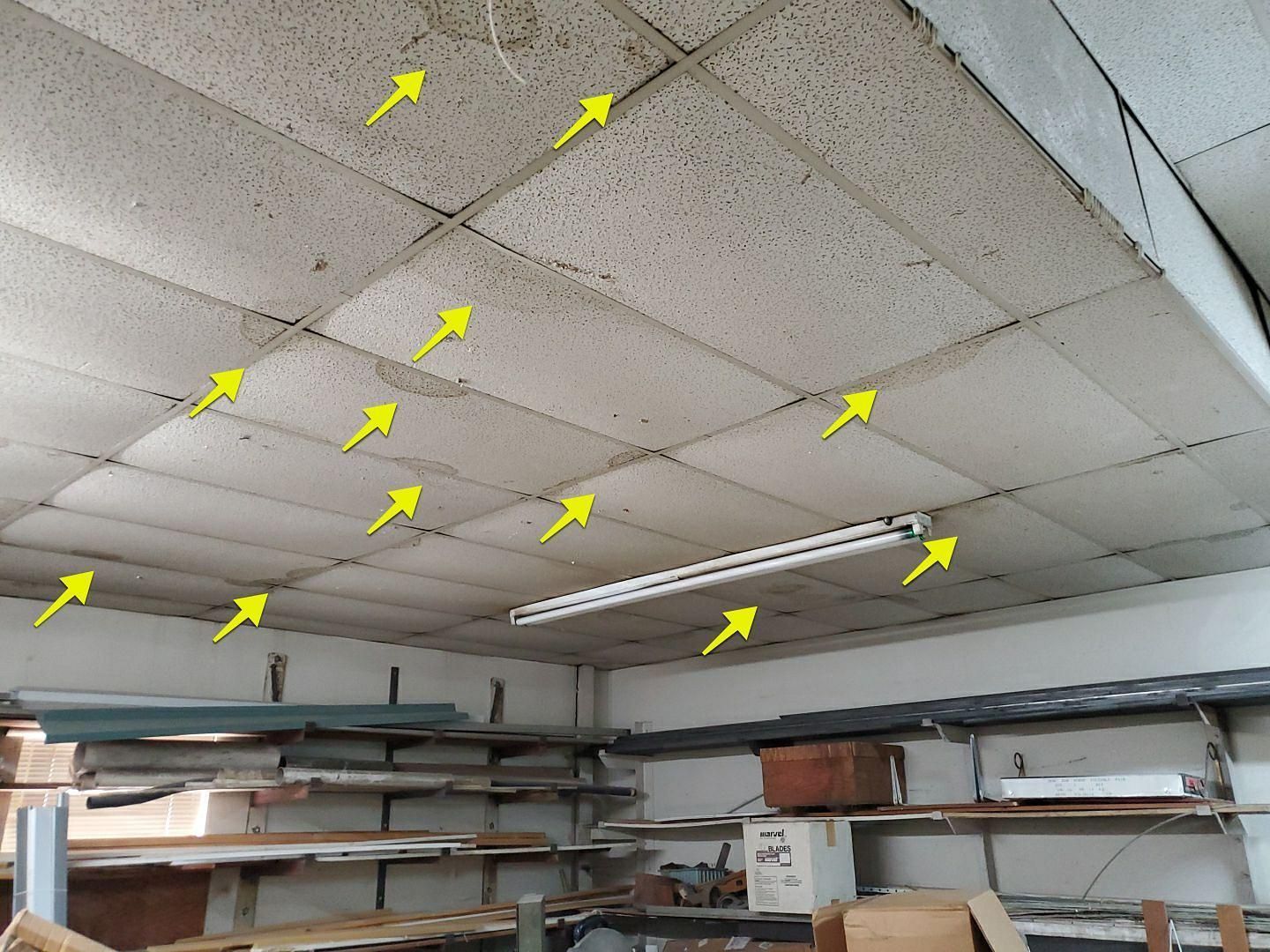
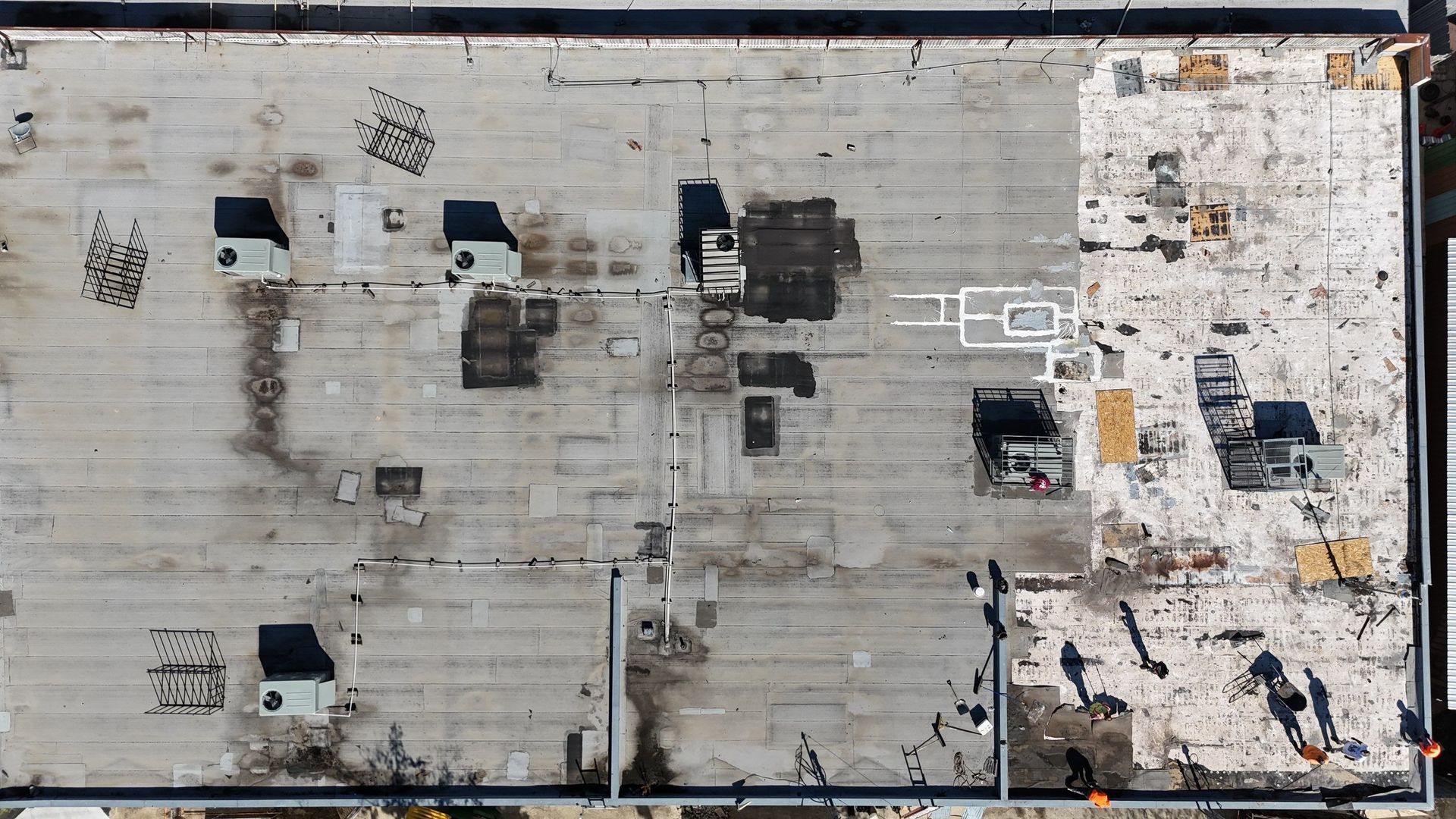
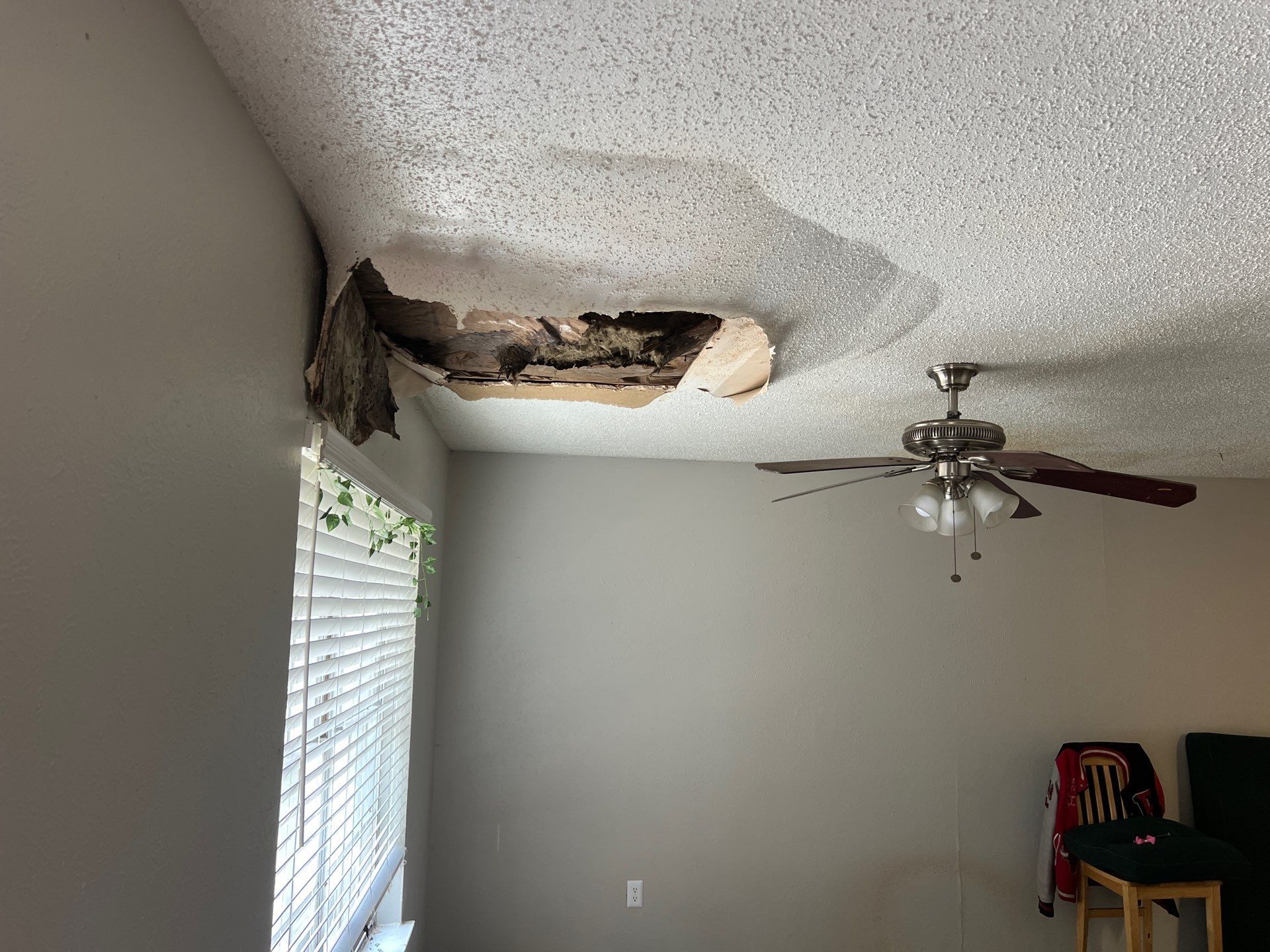
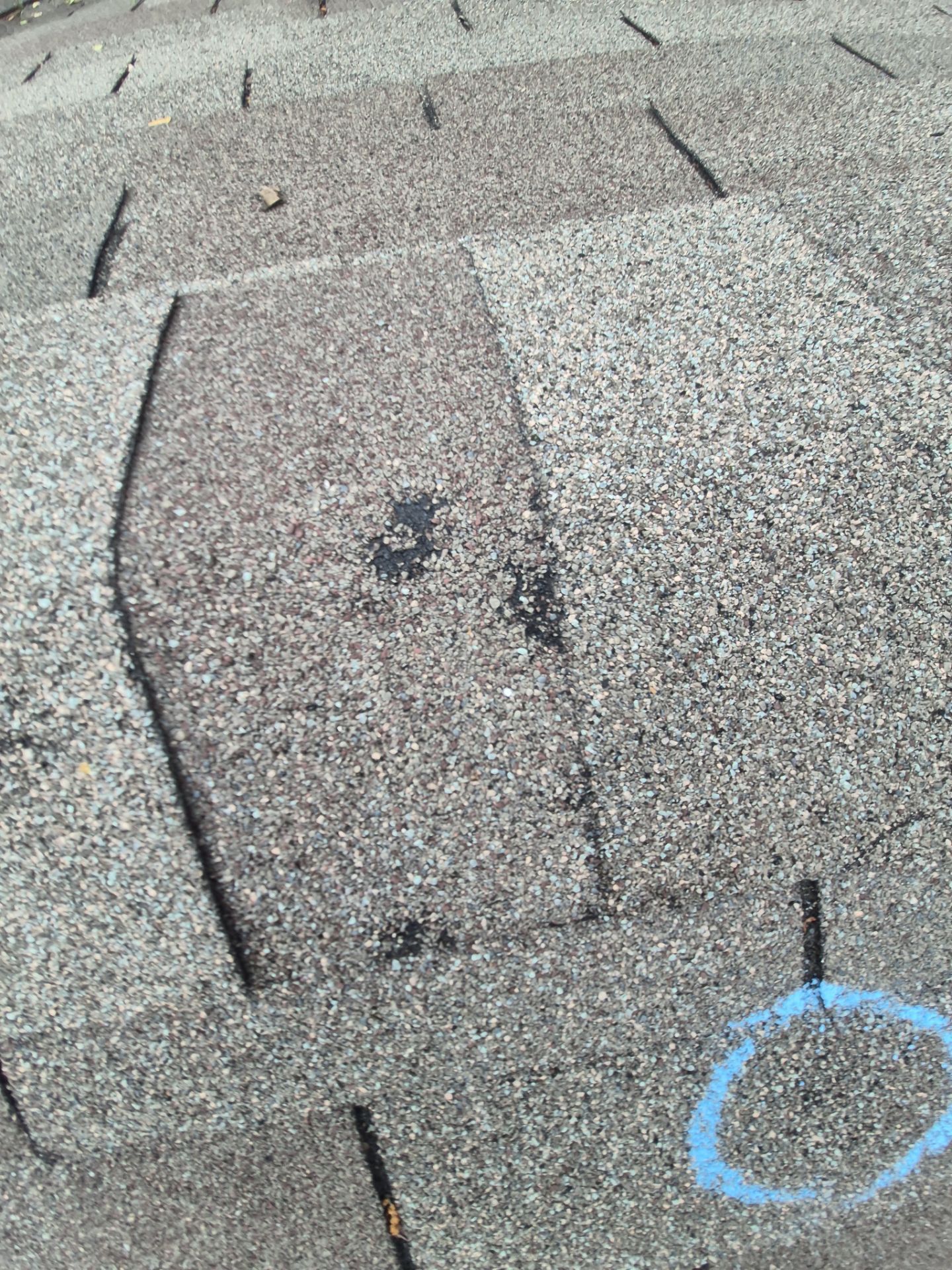
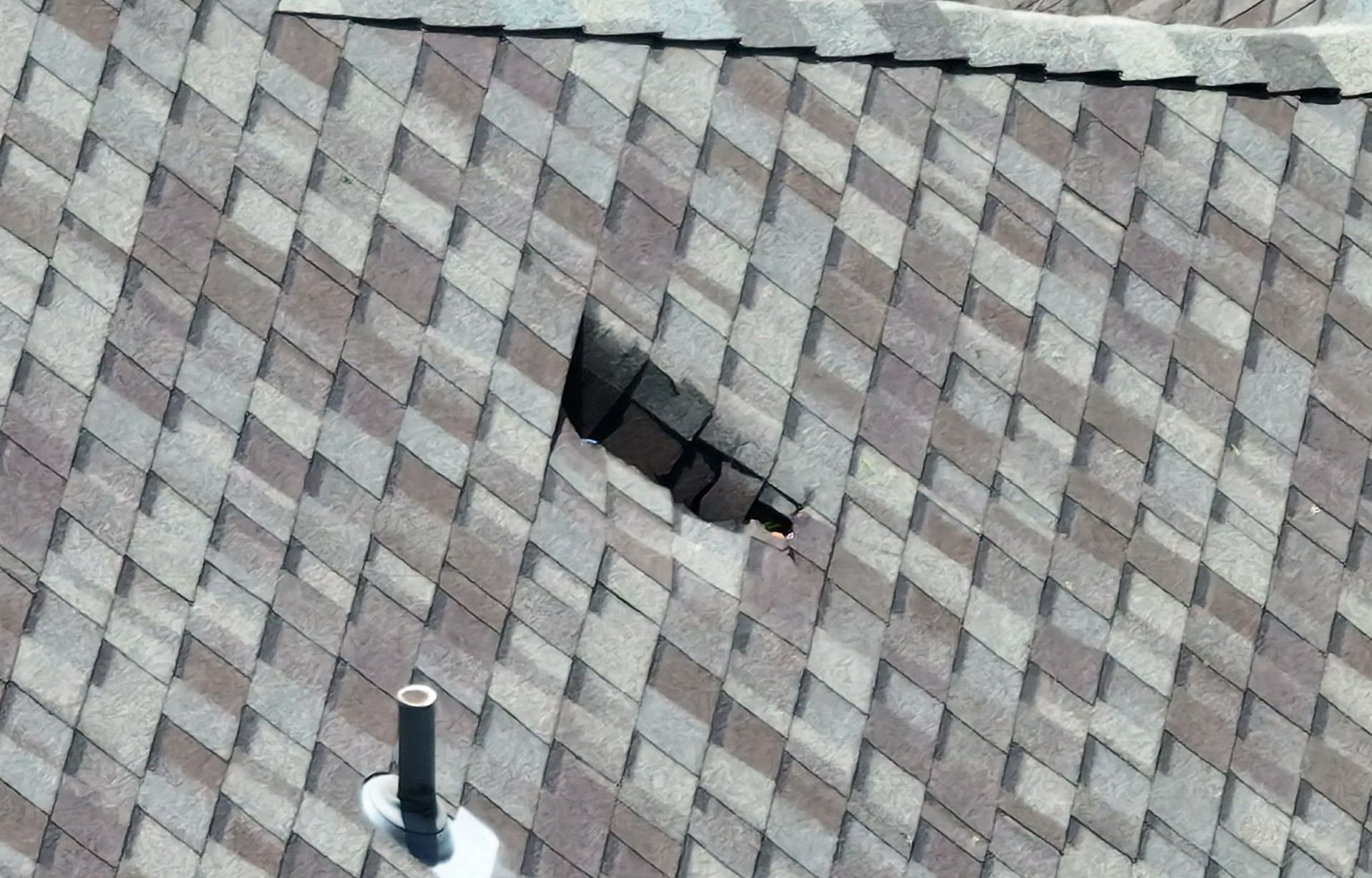
Wind and hail can have a significant impact on properties, causing damage to roofs, siding, and other exterior components. Hailstorms can result in dents, cracks, and even punctures in roofing materials, leading to leaks and water damage. Wind damage can cause shingles to lift or tear off entirely, exposing the underlying structure to the elements. This can lead to further water damage and compromise the integrity of the roof. Understanding the impact of wind and hail is crucial for homeowners to take proactive steps in protecting their properties and preventing costly repairs.
The Science of Wind Damage
Wind damage can be severe and may occur during storms or even in calm weather. Strong winds can cause shingle damage, such as lifting or tearing off, leaving the roof vulnerable to leaks and further damage. In extreme cases, wind can completely lift roofs off properties. It's important to be aware of storm chasers who may offer quick repairs but lack the expertise and reliability of established roofing companies in the Dallas/Fort Worth (DFW) area. To ensure the longevity and effectiveness of your roofing system, it's essential to work with a reputable roofer like Becker Roofing and Exteriors, who offers DFW roof repair and storm damage restoration services. Investing in high-quality roofing materials and reinforcing the structure of the roof can help minimize wind damage and ensure the safety and stability of your property.
How Hail Forms and Affects Roofing
Hail forms when updrafts in thunderstorms carry raindrops upward into freezing temperatures, causing them to freeze into ice pellets. These ice pellets, also known as hail stones, can vary in size, ranging from small to large, and can cause significant damage to roofing materials when they impact a roof during a hail storm. This damage can include dents, cracks, and even punctures in shingles, leading to leaks and water damage. Understanding how hail forms and its effects on roofing is crucial for homeowners to take proactive measures in protecting their properties from the potential damage of a hail storm. Here are some key points to consider:
- Hail damage can weaken the integrity of the roof and compromise its ability to protect the property.
- Roofing solutions for hail protection include impact-resistant shingles and other materials designed to withstand hailstorms.
- Regular inspections and maintenance can help identify and address hail damage before it leads to more significant issues.
- Working with a preferred contractor who specializes in hail damage can ensure proper repairs and restoration of your roof.
Preparing Your Home for Storm Season
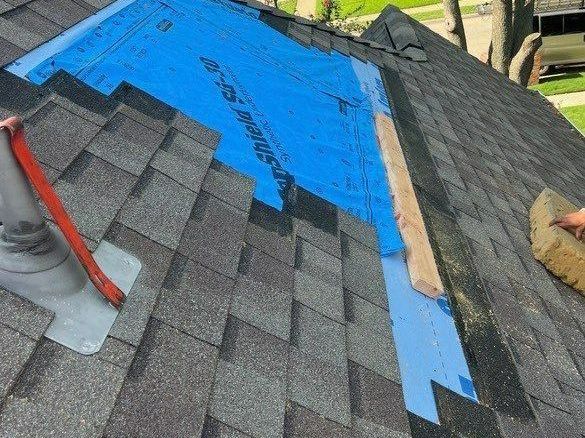
Preparing your home for storm season is essential for minimizing the risk of damage and ensuring the safety of your family. This involves creating emergency kits, developing safety plans, and working with a trusted roofing contractor. Here are some key steps to consider:
- Create an emergency kit that includes essential supplies such as non-perishable food, water, flashlights, and a first aid kit.
- Develop a safety plan that outlines what to do in the event of severe weather, including designated shelter areas within your home.
- Partner with a reputable roofing contractor who can assess the condition of your roof and provide necessary repairs or replacements before storm season hits.
- Regularly inspect and maintain your property to identify and address any potential vulnerabilities.
Comprehensive Checklist for Homeowners
Being well-prepared for storm season involves following a comprehensive checklist that covers all aspects of protecting your property. This includes understanding the insurance claims process, working with roofing services, and ensuring peace of mind. Here are some key items to include in your checklist:
- Review your insurance policy to understand what is covered and the process for filing a claim in the event of storm damage.
- Document the condition of your property before and after a storm by taking photos or videos.
- Contact your insurance provider as soon as possible after storm damage occurs to initiate the claims process.
- Work with reputable roofing services that specialize in storm damage repairs and restoration.
- Keep all documentation related to repairs and restoration for insurance purposes.
- Regularly review and update your insurance policy to ensure adequate coverage for your property.
Emergency Kits and Safety Plans
Emergency kits and safety plans are essential for homeowners to ensure the safety of their families during severe weather events. Here's why they are crucial:
- Emergency kits provide essential supplies and resources to sustain your family in the event of power outages or other emergencies.
- Safety plans outline designated shelter areas within your home and specify the actions to take during severe weather.
- Working with a roofing contractor who offers exceptional customer service can provide peace of mind and ensure prompt response and assistance in the event of storm damage.
- Homeowners should regularly review and update their emergency kits and safety plans to ensure they are prepared for any situation.
Choosing the Right Materials for Wind and Hail Resistance
Choosing the right materials for wind and hail resistance is crucial for protecting your property and ensuring customer satisfaction. Here are some key factors to consider:
- Invest in roofing materials that are specifically designed to withstand wind and hail damage, such as impact-resistant shingles.
- Work with reputable roofing manufacturers and suppliers who offer high-quality materials with proven hail resistance.
- Prioritize customer satisfaction by selecting materials that are durable, long-lasting, and backed by comprehensive warranties.
- Consult with a roofing contractor who can provide expert advice on the best materials for wind and hail resistance based on your specific needs and budget.
Advantages of Class 4 Shingles for Hail Protection
Class 4 shingles are specifically designed to withstand the impact of hailstones and provide superior hail protection for your property. Here are some advantages of using Class 4 shingles:
- Class 4 shingles have been tested and proven to withstand severe hailstorms without sustaining significant damage.
- These shingles are made with specialized materials that offer increased durability and resistance to impact.
- Using Class 4 shingles can help minimize the risk of hail damage to your roof and reduce the likelihood of costly repairs or replacements.
- Working with a preferred contractor who specializes in hail damage repairs and has experience with Class 4 shingles can ensure proper installation and maximize their effectiveness in protecting your property.
Why LP Siding Is Superior to Hardie Types in Hail Resistance
When it comes to hail resistance, LP siding has proven to be superior to Hardie types. Here's why:
- LP siding is made with engineered wood that offers greater flexibility and impact resistance compared to Hardie types, which are made with fiber cement.
- The composition of LP siding allows it to absorb and distribute the impact of hailstones more effectively, reducing the risk of damage.
- LP siding is designed to withstand extreme weather conditions, including hailstorms, without warping, cracking, or chipping.
- Choosing LP siding for your roofing project can provide added protection against hail damage and ensure the longevity and durability of your property's exterior.
Enhancing Roof Wind Resistance
Enhancing roof wind resistance is crucial for protecting your property from wind damage and ensuring the longevity of your roofing system. Here are some key factors to consider:
- Reinforced nail strips play a vital role in securing roofing materials and preventing them from lifting or tearing off during high winds.
- Fully adhered starter strips and valleys provide additional reinforcement and ensure a tight seal against wind-driven rain.
- Working with a reputable roofing contractor who specializes in wind-resistant roofing systems can provide peace of mind and ensure the effectiveness of these enhancements.
Importance of Reinforced Nail Strips
Reinforced nail strips are a critical component of wind-resistant roofing systems and play a significant role in protecting your property from wind damage. Here's why they are important:
- Reinforced nail strips securely fasten roofing materials, such as shingles, to the roof deck, preventing them from lifting or tearing off during high winds.
- These strips provide additional strength and stability to the roofing system, increasing its resistance to wind uplift forces.
- Working with a reputable roofing contractor who understands the importance of reinforced nail strips ensures that they are properly installed during the construction or replacement of your roof.
- Reinforced nail strips are essential for ensuring the integrity and longevity of your roof and minimizing the risk of costly repairs or replacements due to wind damage.
The Role of Fully Adhered Starter Strips and Valleys
Fully adhered starter strips and valleys are crucial components of wind-resistant roofing systems and provide added protection against wind damage. Here's how they play a role:
- Fully adhered starter strips create a secure base for the first row of shingles, preventing wind uplift and maintaining the integrity of the roofing system.
- Valleys, where two roof planes meet, are vulnerable to wind-driven rain and require extra reinforcement to ensure a tight seal and prevent water penetration.
- Working with experienced roofing services that prioritize wind resistance and use high-quality materials ensures the proper installation and effectiveness of fully adhered starter strips and valleys.
- Investing in these enhancements provides peace of mind and protection against wind damage, minimizing the risk of leaks and water damage to your property.
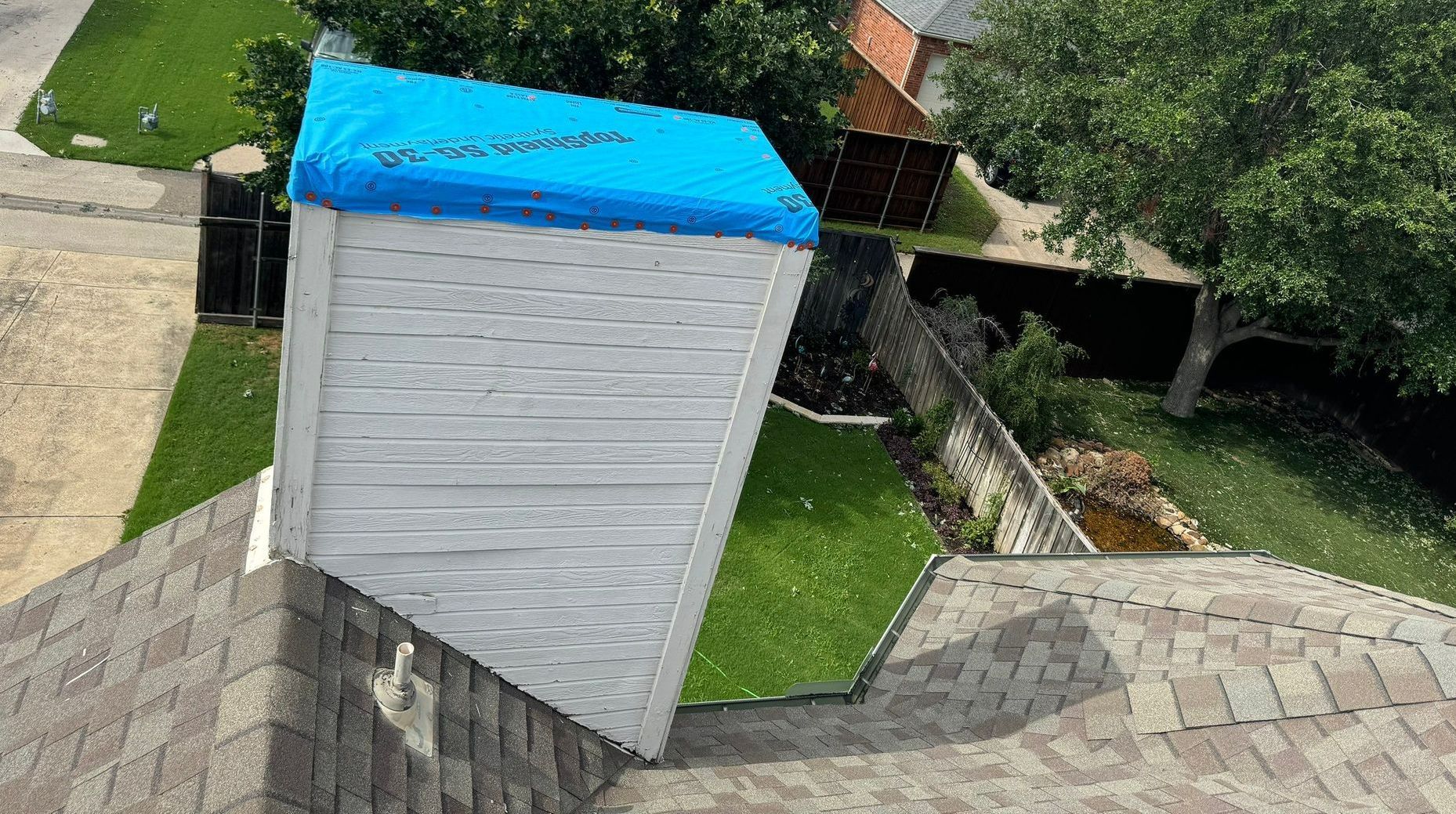
Fortified Roofing Systems Explained
Fortified roofing systems are designed to provide enhanced protection against wind and hail damage, ensuring the safety and longevity of your property. Here's what you need to know about fortified roofing systems:
- Fortified roofing systems incorporate various enhancements, such as reinforced nail strips, fully adhered starter strips, and impact-resistant materials, to withstand severe weather conditions.
- These systems are particularly beneficial for residential roofing, where homeowner satisfaction and insurance claims play a significant role.
- Fortified roofing systems can help streamline the insurance claims process by providing evidence of enhanced protection and reducing the risk of future damage.
- Working with a reputable roofing contractor who specializes in fortified roofing systems ensures proper installation and maximizes the benefits of these enhancements.
Key Components of a Fortified Roof
A fortified roof consists of several key components that provide enhanced protection against wind and hail damage. These components include:
- High-quality roofing systems: A fortified roof is built using durable and resilient materials that can withstand strong winds and hail impact. These roofing systems are designed to be more resistant to damage and provide a longer lifespan.
- Expert installation: Hiring professional roofing companies ensures that the fortified roof is installed correctly, following industry standards and best practices. This ensures maximum effectiveness against wind and hail damage.
- Customer satisfaction: Fortified roofs are designed to provide peace of mind to homeowners and business owners, knowing that their properties are well-protected. Customer satisfaction is a top priority for roofing companies specializing in fortified roofs.
Achieving the Strongest Roofing System Requirements
Achieving the strongest roofing system requirements involves several steps, including:
- Consultation with a professional roofing contractor: A reputable roofing contractor specializing in commercial roofing will assess your property and recommend the best roofing system for your specific needs. They will take into account factors such as the building's location, weather conditions, and budget.
- Selection of high-quality materials: The roofing contractor will help you choose the right materials for your roofing system, ensuring they meet the required standards for strength and durability. This includes selecting materials that are resistant to wind and hail damage.
- Proper installation: The installation process is crucial to achieving the strongest roofing system requirements. Experienced roofing contractors will ensure that the materials are installed correctly, following industry guidelines and best practices.
- Peace of mind: By achieving the strongest roofing system requirements, you can have peace of mind knowing that your property is well-protected against wind and hail damage. This can help you avoid costly repairs and ensure the safety of your building and its occupants.
Stone Coated Steel Roofing for Ultimate Protection
Stone coated steel roofing is a popular choice for ultimate protection against wind and hail damage. Here's why:
- High wind rating: Stone coated steel roofing has a high wind rating, making it resistant to strong winds that can cause significant damage to traditional roofing materials. This means that your property is better protected during severe storms.
- Durability: Stone coated steel roofing is highly durable and can withstand the impact of hailstones. This reduces the risk of damage to your roof, ensuring a longer lifespan for your roofing system.
- Enhanced roofing solutions: Stone coated steel roofing provides superior protection against wind and hail damage while also offering aesthetic appeal. It is available in a variety of colors and styles, allowing you to choose a roofing solution that complements your property's architecture.
High Wind Rating and Durability
Stone coated steel roofing offers a high wind rating and exceptional durability, providing reliable protection against wind damage. Here's how it works:
- Resistant to wind damage: Stone coated steel roofing is designed to withstand high wind speeds. Its interlocking design and strong materials ensure that the roof can resist the lifting forces generated by strong winds, reducing the risk of wind damage.
- Durable materials: Stone coated steel roofing is made from a combination of steel and stone chips, which provide excellent durability. These materials are resistant to impact from hailstones, preventing damage to the roof and prolonging its lifespan.
- Customer service: When choosing stone coated steel roofing, it's important to work with a reputable roofing contractor who provides excellent customer service. They will guide you through the selection process, answer your questions, and ensure that the installation is done to the highest standards.
Comparing Stone Coated Steel to Traditional Materials
When considering a roofing project, it's essential to compare stone coated steel to traditional roofing materials. Here are some key factors to consider:
- Hail resistance: Stone coated steel roofing has superior hail resistance compared to traditional materials such as asphalt shingles. Its durable construction and impact-resistant properties make it an excellent choice for areas prone to hailstorms.
- Preferred contractor: Installing stone coated steel roofing requires specialized knowledge and experience. It's important to work with a preferred contractor who has expertise in installing this type of roofing system. They will ensure that the installation is done correctly, maximizing the benefits of stone coated steel roofing.
- Longevity: Stone coated steel roofing has a longer lifespan compared to traditional roofing materials. Its durable materials and resistance to weather elements contribute to its longevity, reducing the need for frequent repairs or replacements.
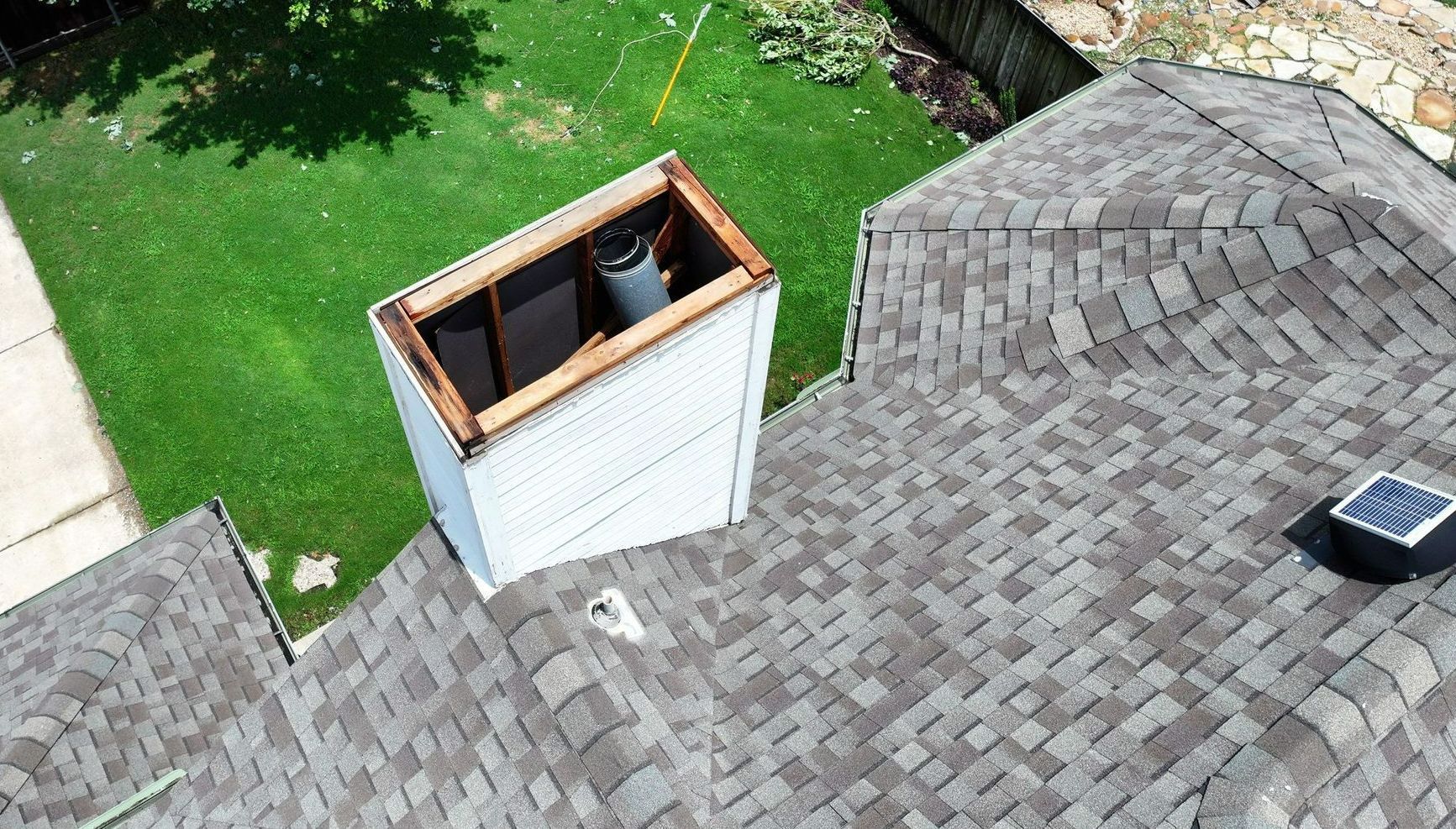
Installation and Maintenance Best Practices
Proper installation and regular maintenance are essential for ensuring the longevity and effectiveness of your roofing system. Follow these best practices:
- Professional installation: Hiring a professional roofing contractor for installation ensures that the roofing system is installed correctly, following industry standards. This helps prevent issues and ensures maximum protection against wind and hail damage.
- Routine maintenance: Regular roof inspections and maintenance are crucial for identifying and addressing any potential issues before they escalate. This includes checking for loose or damaged shingles, addressing small repairs promptly, and cleaning gutters to prevent water damage.
- Roofing services: Working with a reputable roofing company that offers comprehensive roofing services ensures that your installation and maintenance needs are met. They can provide expert advice, perform inspections and repairs, and offer ongoing support for your roofing system.
Professional Installation vs. DIY
When it comes to installing a new roof or making repairs, hiring a professional roofing contractor offers several advantages over DIY. Here's why:
- Expertise and experience: Professional roofing contractors have the knowledge and experience to handle a variety of roofing projects. They can assess your specific needs, recommend the best solutions, and ensure that the work is done correctly, following industry standards.
- Customer satisfaction: Professional roof installation provides peace of mind and customer satisfaction. Knowing that your roof has been installed by experts who stand behind their work gives you confidence in the longevity and effectiveness of your roofing system.
- Time and cost savings: DIY roofing projects can be time-consuming and costly, especially if mistakes are made. Hiring a professional roofing contractor saves you time and money by ensuring that the work is done efficiently and correctly the first time.
Routine Maintenance to Extend the Life of Your Roof
Routine maintenance is essential for extending the life of your roof and protecting it from wind and hail damage. Here's what you can do as a homeowner:
- Regular roof inspections: Schedule regular roof inspections to identify any potential issues, such as loose or damaged shingles, flashing problems, or signs of water damage. Promptly addressing these issues can prevent further damage and extend the life of your roof.
- Clear debris: Regularly clear debris, such as leaves and branches, from your roof and gutters. This prevents clogs and allows water to flow freely, reducing the risk of water damage during heavy rainfall.
- Address repairs promptly: If you notice any signs of damage or leaks, have them repaired promptly by a professional roofing contractor. Neglecting small repairs can lead to more significant issues and costly repairs down the line.
- Consider roofing solutions: Depending on your location and the specific needs of your property, consider additional roofing solutions such as impact-resistant shingles or stone coated steel roofing for enhanced protection against wind and hail damage.
Conclusion
In conclusion, safeguarding your property from wind and hail damage requires a proactive approach. Understanding the impact of these natural elements on your property is crucial. By preparing your home for storm seasons and selecting the right materials for wind and hail resistance, you can enhance your property's resilience. Investing in fortified roofing systems, such as stone-coated steel roofing, can provide ultimate protection. Remember to prioritize professional installation and routine maintenance to ensure the longevity of your roof and potentially reduce insurance premiums. Stay informed, stay prepared, and protect your property from unpredictable weather conditions.
Frequently Asked Questions
What Makes a Roofing Material Hail Resistant?
Roofing materials with hail resistance are designed to withstand the impact of hailstones. They are made from durable materials that can absorb the impact without sustaining significant damage. Hail-resistant roofing materials provide peace of mind and customer satisfaction, knowing that your roof is protected against hail damage.
How Often Should I Inspect My Roof for Wind and Hail Damage?
It is recommended to inspect your roof for wind and hail damage at least once a year, preferably after severe weather events. Additionally, you should inspect your roof after any major storms or hailstorms. Promptly addressing any damage can prevent further issues and protect the integrity of your roofing system.
Can Fortified Roofing Systems Reduce Insurance Premiums?
Fortified roofing systems can potentially reduce insurance premiums. Insurance companies recognize the increased protection provided by fortified roofs against wind and hail damage. By investing in a fortified roof, homeowners can have peace of mind, lower the risk of insurance claims, and potentially enjoy reduced insurance premiums.