By 7064529413
•
May 4, 2026
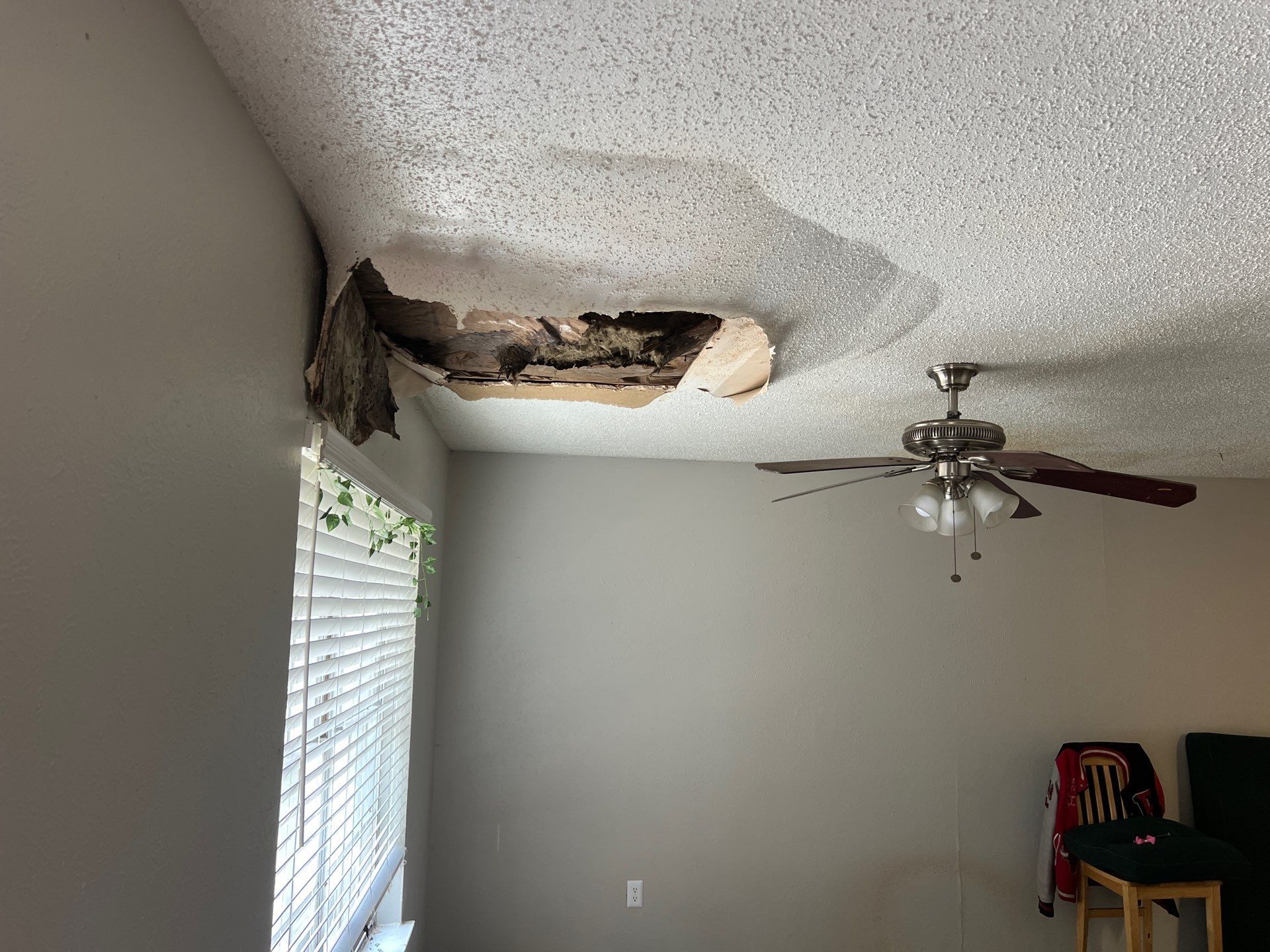
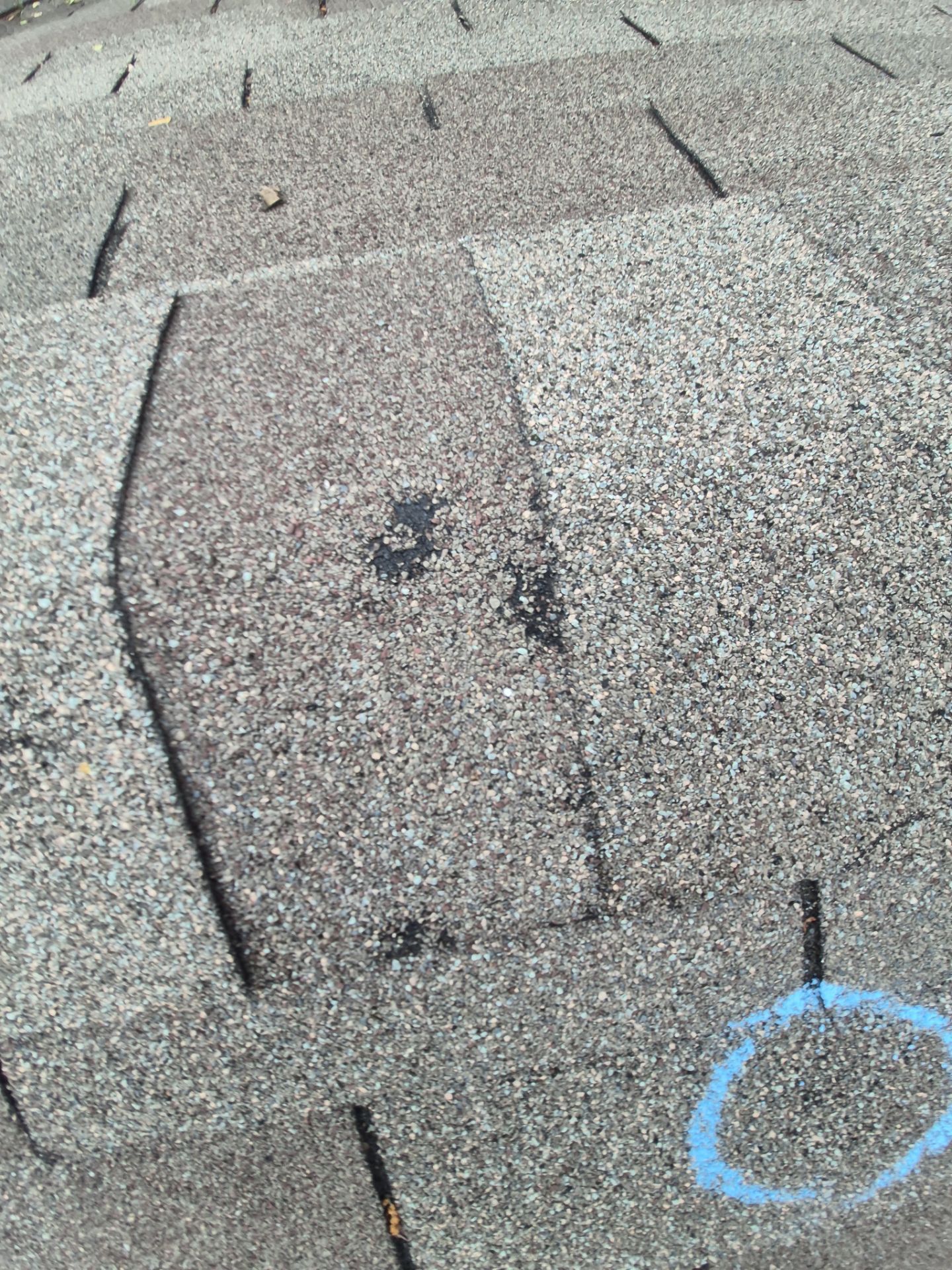
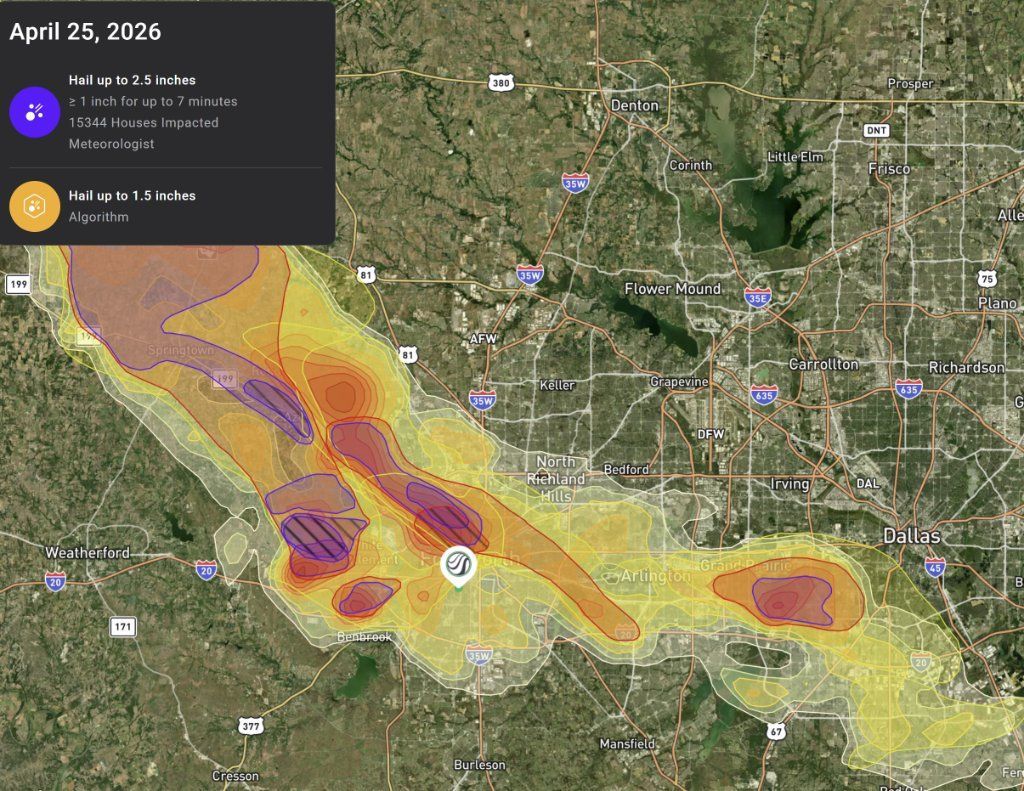
How to Choose Hail Resistant Shingles Texas for Your Roof Key Highlights Investing in hail-resistant shingles offers superior protection against Texas's frequent and severe weather. Class 4 shingles provide the highest level of impact resistance, tested to withstand significant hail impact. Upgrading your roof can lead to substantial insurance discounts, offsetting the initial investment. Popular options include durable asphalt shingles, metal roofing, and advanced composite materials. Choosing the right material and a certified contractor is crucial for long-term performance and peace of mind. New products, like TAMKO's Hail Guard shingles, come with warranties covering up to 3-inch hail. Introduction Living in Texas, you know that spring and summer can bring some intense weather. Hailstorms are a frequent concern for homeowners in areas like Fort Worth and Southlake, capable of causing significant damage to your property. Choosing the right roofing system is your first line of defense. This guide will help you understand the benefits of upgrading to shingles with high hail resistance, protecting your home from severe weather, and potentially saving you money on repairs and insurance in the long run. Understanding Hail Resistant Shingles in Texas When it comes to protecting your home from the elements, not all roofing products are created equal. Hail resistant shingles are specifically engineered to withstand the force of severe weather events. These shingles are designed with enhanced impact resistance to minimize damage from hailstones. For homeowners in hail-prone areas like North Richland Hills and Colleyville, upgrading to these advanced roofing products is a smart move. They provide an extra layer of security, reducing the likelihood of costly repairs and giving you confidence that your home is well-protected. Let's explore why hailstorms are such a big issue in Texas and the kind of damage they can cause. Why Hailstorms Are a Major Concern for Texas Homeowners Texas weather is known for its intensity, and hailstorms are a prime example. The state is located in what is often called "Hail Alley," an area that experiences frequent and severe storms capable of producing large hailstones. These storms can cause widespread storm damage, leading to a surge in repairs and insurance claim filings across communities. For homeowners, this means a new roof project might be an unexpected reality. The unpredictability of these storms makes it crucial to have a roof that can stand up to the challenge. How do Class 4 impact-resistant shingles perform during Texas hailstorms? They are specifically designed to endure these conditions. Tested to withstand impacts from 2-inch steel balls, they offer a level of protection that standard shingles simply can't match, significantly reducing the risk of damage from even intense hail events. This superior performance is why so many Texans are considering upgrades. A strong roof is more than just shelter; it's a critical defense against the financial and emotional stress that comes with storm damage. Common Types of Roof Damage Caused by Hail Hail can wreak havoc on a roof, and the damage isn't always immediately obvious. Standard shingles are particularly vulnerable to the blunt force of hailstones, which can compromise the entire roofing system. The most common issue is granule loss, where the protective top layer of the shingle is knocked away, exposing the asphalt beneath to the elements. This exposure accelerates wear and tear, but the damage can be more severe. A powerful hailstorm can cause: Cracks and fractures in the shingles Bruising or "dents" that weaken the material Damage to the underlying roof deck Compromised seals, leading to leaks and potential structural damage So, how can I tell if my current shingles are hail resistant or not? After a storm, look for these signs. If you see significant granule loss in your gutters or noticeable dents on the shingle surfaces, you likely have standard shingles. Hail-resistant shingles are designed to prevent this type of storm damage. Importance of Upgrading to Impact Resistant Shingles Upgrading to shingles with a high impact resistance rating is one of the smartest investments a Texas homeowner can make. These shingles provide extra protection that goes far beyond what standard materials offer, giving you invaluable peace of mind during storm season. The roofing industry has developed these products specifically for regions that face severe weather. Many insurance companies recognize the value of this upgrade. By installing shingles with the highest rating (Class 4), you significantly reduce the risk of filing a claim, which can lead to lower annual premiums. This financial incentive makes the initial investment in better materials much more palatable. Are there building codes in Texas that require impact-resistant shingles in hail-prone areas? While not universally mandated across the state, some municipalities or specific developments are beginning to adopt stricter codes that require or recommend them. It's always best to check local regulations, but regardless of code, the practical benefits make them a wise choice for any Texas home. What Makes a Shingle Hail Resistant The secret to a shingle's hail resistance lies in its construction. These specialized roofing products are engineered with advanced materials and manufacturing techniques to absorb and deflect the energy from hail impacts. This is what earns them a high impact rating, differentiating them from standard roofing. A shingle's ability to resist hail is a key part of a robust roofing system. It's not just about the surface material but also how it's reinforced and how flexible it is under stress. We'll look at the specific features, testing methods, and materials that contribute to this superior durability. Key Features of Impact Resistant Shingles What are the best hail resistant shingles available in Texas for protecting my roof? The answer lies in looking for shingles with specific, engineered features designed for durability. These advanced materials provide a level of performance that standard shingles can't match, giving you peace of mind during storm season. The key to their strength is a combination of flexibility and resilience. These shingles are made to bend and absorb impact rather than crack or shatter. This is achieved through several key components working together. Polymer-Modified Asphalt: A rubberizing polymer is blended into the asphalt, making it more flexible and able to absorb force. Reinforced Matting: A tough fiberglass or polyester mat acts as a strong backbone, preventing splitting and tearing. Superior Granule Adhesion: Advanced adhesives keep the protective granules in place, even after an impact. High Wind Resistance: These shingles often feature aggressive sealant strips to prevent wind uplift, providing a complete storm-proof system. Together, these features create a shingle that offers superior impact resistance and stands up to the severe weather common in Texas. How Class 4 Roofing Shingles Are Tested and Rated The term "Class 4" isn't just a marketing slogan; it's a specific certification earned through a rigorous testing process. The industry standard is the UL 2218 impact test, developed by Underwriters Laboratories. This rating system provides a clear, objective measure of a shingle's ability to withstand blunt force. The test is straightforward but brutal. How do Class 4 impact-resistant shingles perform during Texas hailstorms? The test mimics this by dropping steel balls of different sizes from specific heights onto the shingle. To earn a Class 4 rating, the highest impact rating possible, a shingle must withstand being hit by a 2-inch steel ball dropped from 20 feet, without cracking or fracturing. This steel ball test simulates the kinetic energy of very large hail, proving that Class 4 shingles can handle the worst-case scenarios that Texas weather can dish out. Shingle Class Steel Ball Size (Diameter) Level of Protection Class 1 1.25 inches Basic impact resistance Class 2 1.50 inches Moderate impact resistance Class 3 1.75 inches Good impact resistance, handles golf-ball-sized hail Class 4 2.00 inches Highest impact resistance, built for severe storms The Role of Material Composition in Hail Resistance The material a shingle is made from plays the most critical role in its ability to resist hail. Traditional asphalt shingles are susceptible to granule loss and cracking under impact. However, advanced materials have changed the game, offering far superior protection. Impact-resistant asphalt shingles are modified with a rubberizing polymer, like SBS (styrene-butadiene-styrene), which gives them flexibility. This allows the shingle to absorb the force of a hailstone and bounce back, rather than shattering. How do metal roofs compare to asphalt shingles for hail resistance in Texas? A metal roof offers excellent protection against penetration; while a large hailstone might leave a cosmetic dent, the roof's integrity will remain intact. Other composite options are also available, engineered from robust polymer resins. These advanced materials are designed to be extremely durable, often mimicking the look of natural slate or wood but with a built-in Class 4 rating. This variety of materials allows homeowners to choose the best balance of performance, aesthetics, and budget for their needs. Popular Hail Resistant Shingle Brands and Products With the growing demand for durable roofing products, many manufacturers in the roofing industry now offer excellent hail-resistant options. These shingles are designed to protect homes in storm-prone areas, giving you a range of choices in both style and performance. From advanced asphalt shingles to innovative composite materials, there are several leading brands to consider. These products not only provide superior protection but also offer great aesthetics to enhance your home's curb appeal. Let's look at a few popular choices, including a new standout from TAMKO and other trusted names. TAMKO Hail Guard Shingles and Their 3-Inch Hail Warranty When considering specific brands, TAMKO has recently introduced a game-changer with its Hail Guard shingles. These shingles are engineered to withstand significant hail impact, making them an excellent choice for homeowners concerned about severe weather. What sets them apart is their impressive warranty. Are there specific shingle brands recommended for hail resistance in Texas? TAMKO is certainly one to consider, especially with its new offering. The Hail Guard shingles come with a groundbreaking 3-inch hail warranty. This is a significant step up in protection, as most top-tier warranties cover hail up to two inches. This level of coverage provides an unmatched sense of security for homeowners in the most hail-prone regions of Texas. This robust warranty demonstrates TAMKO's confidence in their product's ability to perform under extreme conditions. For homeowners and insurance companies alike, this kind of guaranteed protection against such large hail makes these shingles a highly attractive option. Other Leading Class 4 Roofing Shingle Brands Beyond TAMKO, several other reputable brands offer high-quality Class 4 shingles that provide a significant upgrade over standard architectural shingles. These brands have a long-standing reputation for performance and are widely available in Texas. What are the best hail resistant shingles available in Texas for protecting my roof? It often comes down to brands that combine durability with aesthetics. Leading manufacturers like Owens Corning, GAF, and CertainTeed all have product lines specifically designed for impact resistance. These shingles not only meet the rigorous Class 4 standards but also come in a wide variety of colors and styles, ensuring you don't have to sacrifice curb appeal for protection. Some popular options to look for include: Owens Corning TruDefinition® DURATION FLEX®: Known for its patented SureNail Technology and flexible SBS polymer construction. GAF ArmourShield™ II: Offers excellent impact resistance and is designed for high performance. CertainTeed NorthGate®: A climate-flex shingle that remains flexible in cold weather and resists cracking. These brands provide reliable solutions for homeowners looking to fortify their homes against hail. Comparing Asphalt, Metal, and Composite Options When choosing a hail-resistant roof, you're not limited to just one material. Asphalt, metal, and composite shingles each offer a unique combination of impact resistance, cost, and longevity. Understanding these differences can help you make the best decision for your home. Impact-resistant asphalt shingles are a popular and cost-effective choice. Metal roofing provides exceptional durability and lifespan, though it comes with a higher upfront cost. Composite shingles offer the best of both worlds: elite performance and high-end aesthetics that mimic natural materials like slate or wood. How do metal roofs compare to asphalt shingles for hail resistance in Texas? Metal excels at preventing penetration, while impact-resistant asphalt uses flexibility to absorb force. Each material has its place, depending on your budget and priorities. This table breaks down the key characteristics to help you compare. Feature Impact-Resistant Asphalt Metal Roofing Composite Shingles Durability Good; flexible to absorb impact Excellent; resists penetration, may dent Superior; shatter-proof and highly durable Lifespan 25-30 years 50+ years 50+ years Upfront Cost Moderate High Very High Aesthetics Traditional shingle look Modern or rustic panel look Mimics slate or wood shake Pros and Cons of Installing Hail Resistant Shingles Deciding to upgrade your roofing system to one with high hail resistance is a big decision. There are significant advantages, especially in a state like Texas, but there are also factors to consider before you commit. In the long run, the benefits often outweigh the drawbacks. The primary pros include enhanced protection, longevity, and potential savings on insurance premiums. However, the higher initial cost is a notable con. Weighing these aspects will help you determine if installing hail-resistant shingles is the right move for your home and budget. Benefits for Texas Weather and Roof Longevity What are the pros and cons of installing hail resistant shingles on a Texas home? Let's start with the pros, which are particularly compelling given the local climate. The primary benefit is superior protection against severe weather. These shingles are engineered to withstand the high winds and hailstorms that are a regular part of life in Texas. This enhanced durability directly contributes to roof longevity. A roof that can successfully fend off hail damage will last much longer than a standard roof that needs frequent repairs or premature replacement. This means fewer headaches and expenses for you over the years. The key benefits include: Reduced Storm Damage: Significantly lowers the risk of cracks, granule loss, and leaks. Longer Lifespan: Extends the life of your roof, delaying costly replacements. Protection from High Winds: Many impact-resistant shingles also have high wind-resistance ratings. Peace of Mind: Knowing your home has extra protection provides invaluable comfort during storm season. Potential Drawbacks and Cost Considerations While the benefits are clear, it's important to consider the potential drawbacks. The most significant factor for most homeowners is the higher upfront cost. Impact-resistant shingles are more expensive than standard shingles due to the advanced materials and manufacturing processes involved. How much more do hail resistant shingles cost compared to regular shingles in Texas? Generally, you can expect to pay 10-25% more for Class 4 shingles compared to traditional asphalt shingles. This initial investment can be a hurdle for those on a tight budget. For a typical roofing project, this could mean an additional expense of several thousand dollars. It's essential to view this as a long-term investment. While the upfront cost is higher, the savings on repairs, deductibles, and potentially insurance can offset this difference over the life of the roof. However, for some, the immediate financial outlay may be the deciding factor. Impact on Home Value and Insurance Premiums An upgraded roof does more than just protect your home; it can also be a significant financial asset. Installing hail-resistant shingles can increase your home's resale value. In a storm-prone area like Texas, a durable, low-maintenance roof is a major selling point for potential buyers. It enhances curb appeal and signals that the home is well-maintained and prepared for the local climate. Will replacing my roof with hail resistant shingles reduce my homeowners insurance in Texas? Yes, it very likely will. Many insurance companies offer substantial premium discounts to homeowners who install Class 4 rated shingles. These insurance discounts can range from 5% to 35% annually. Insurers offer these incentives because a stronger roof means a lower risk of them having to pay out a costly claim. To secure these premium discounts, you'll need to provide your insurance company with documentation proving the installation of qualified materials by a certified contractor. Beginner’s Guide: How to Choose Hail Resistant Shingles for Your Texas Roof Choosing the right shingles for your Texas home can feel overwhelming, but a systematic approach makes it much easier. The goal is to select a roofing system that fits your budget, meets local building codes, and provides the best possible protection for your property. Before you start looking at shingle samples, it's important to do some homework. This involves getting a professional roof inspection, understanding your budget, and familiarizing yourself with any local requirements. This initial prep work will ensure you make an informed and confident decision. What You’ll Need to Get Started (Budget, Roof Inspection, Local Codes) Before diving into material choices, you need to lay the groundwork. The first step is to establish a clear budget. Knowing how much you can comfortably spend will help narrow down your options from the start. Remember to factor in not just materials but also labor costs. Next, schedule a professional roof inspection. A qualified contractor can assess the current condition of your roof's structural integrity, identify any existing damage, and determine if your home is a good candidate for certain heavier materials. What shingle materials hold up best to frequent hail in Texas? The best options are those with a Class 4 impact rating, such as SBS-modified asphalt, metal, or composite shingles. Finally, check your local building codes. Some municipalities in Texas have specific requirements for roofing materials, especially in new construction or areas with a history of severe storms. Establish a realistic budget. Get a professional roof inspection. Research local building codes and HOA rules. Think about your long-term goals for the property. Step-by-Step Guide/Process Once you have your initial information gathered, you can move forward with a clear plan. This step-by-step process will guide you from research to installation, ensuring you get the best possible roofing system for your needs. The goal is to choose a new roof that offers excellent impact resistance against severe weather. What are the best hail resistant shingles available in Texas for protecting my roof? The answer involves more than just picking a brand. It's about understanding ratings, comparing warranties, and hiring the right professionals to do the job. Class 4 shingles are the gold standard for protection, but they must be installed correctly to perform as intended. This guide will walk you through assessing your current roof, researching your options, comparing costs, and ultimately hiring a contractor you can trust. Following these steps will help you invest in a durable and reliable roof. Step 1: Assess Your Roof’s Current Condition The first practical step is to get a clear picture of your current roof's health. A professional roof inspection is essential here. A contractor can identify issues that aren't visible from the ground, such as subtle storm damage, hidden leaks, or problems with the underlying roof deck. How can I tell if my current shingles are hail resistant or not? An inspector can help determine this by examining the shingle type and looking for signs of wear. If your current roof has significant granule loss, cracking, or bruising after storms, it's likely made of standard materials. The inspector will check for any structural damage that needs to be addressed before a new roof can be installed. This assessment provides a crucial baseline. It tells you whether you need a simple re-roof or more extensive repairs to the roof deck, which will impact the overall cost and timeline of your project. Step 2: Research Shingle Materials and Ratings Now it's time to explore your options. Focus your research on materials known for their durability in Texas weather. What shingle materials hold up best to frequent hail in Texas? Look for Class 4 rated asphalt shingles, metal roofing, or composite shingles. These materials have proven their worth against severe storms. Pay close attention to the impact rating. As we've discussed, the Class 4 rating is the gold standard, indicating the shingle passed a test involving steel balls of different sizes. Also, consider the fire rating. A Class A fire rating offers the highest level of protection against fire, which is another important consideration for any home. Don't just look at durability. Compare the aesthetics, lifespan, and maintenance requirements of each material. This research will help you find a product that not only protects your home but also matches your style and long-term goals. Step 3: Compare Costs and Warranties With your research in hand, the next step is to look at the numbers. Gather quotes from several reputable contractors for the roofing products you're considering. These quotes should break down the cost per square foot for both materials and labor. Don't just focus on the upfront cost; consider the long-term value. A crucial part of this step is comparing the warranty offered with each product. Look for warranties that cover not just manufacturing defects but also specific perils like hail and high winds. A strong warranty is a sign of a manufacturer's confidence in their product. The new TAMKO 3-inch hail warranty is a great example of this. How much more do hail resistant shingles cost compared to regular shingles in Texas? While the initial price is higher, remember to factor in potential insurance discounts. Ask your insurance agent what kind of savings you can expect with different Class 4 roofing products to get a full financial picture. Step 4: Hire a Certified Roofing Contractor Even the best shingles will fail if they're not installed correctly. This makes hiring a qualified and certified roofing contractor arguably the most important step in the process. A certified installer has been trained by the manufacturer to install their specific roofing system according to precise specifications. Are there specific shingle brands recommended for hail resistance in Texas? Yes, and a certified contractor will be familiar with the best options for your area and how to install them properly. This expertise is critical for ensuring your warranty remains valid and your roof performs as expected during severe weather. They can also help you with the documentation needed for insurance companies. Look for a local, reputable roofing contractor with proof of insurance, good reviews, and manufacturer certifications. Investing in a quality installation is investing in the long-term performance of your roof and your own peace of mind. Conclusion In conclusion, choosing hail-resistant shingles is a crucial decision for homeowners in Texas, especially given the frequent hailstorms the region faces. By understanding the key features and benefits of impact-resistant shingles, you can make an informed choice that enhances your roof's durability and longevity. Brands like TAMKO Hail Guard offer impressive warranties, providing peace of mind as you invest in protection for your home. Remember to assess your current roof condition, research material options, and consult with certified roofing contractors to ensure you're making the best choice for your needs. If you're ready to take the next step in safeguarding your home, consider scheduling a free consultation to learn more about the best roofing solutions available for your property. Frequently Asked Questions How Can I Identify If My Current Shingles Are Hail Resistant? Check your roofing paperwork for any mention of an impact rating or Class 4 designation. If you don't have this, a professional roofer can often identify hail-resistant roof shingles by their thickness and flexibility compared to standard shingles. You can also contact your insurance company, as they may have records from a previous inspection. Will Class 4 Roofing Shingles Reduce My Homeowners Insurance in Texas? Yes, in most cases. Insurance companies in Texas often provide significant premium discounts for homes with certified Class 4 shingles because they greatly reduce the risk of hail damage claims. Contact your provider to inquire about their specific discounts and documentation requirements to enjoy lower insurance premiums and greater peace of mind. Are Building Codes in Texas Requiring Impact Resistant Shingles? While there is no statewide mandate, some municipalities in highly hail-prone areas of Texas are adopting stricter building codes that may require or strongly recommend impact resistant shingles, especially for new construction. It's always best to check with your local building department for the most current regulations in your specific area. How Much More Do Hail Resistant Shingles Cost Compared to Regular Shingles? The upfront cost for hail resistant shingles is typically 10-25% higher than for traditional asphalt shingles. This translates to about $1-$2 more per square foot for materials. While the initial investment is greater, the long-term savings on repairs and insurance often make it a cost-effective choice. https://ibhs.org/hail/shingle-performance-ratings/ https://www.tdi.texas.gov/company/roofing-discounts.html https://www.tamko.com/ https://www.malarkeyroofing.com/products/shingles-overview/ https://www.spc.noaa.gov/climo/online/monthly/2022_annual_summary.html https://www.owenscorning.com/roofing/shingles/